
Maintaining your vehicle’s exterior finish requires understanding the distinct roles of paint correction and paint protection. While many drivers use the terms polishing, waxing, and coating interchangeably, these processes serve entirely different functions. Choosing the right method depends on your vehicle’s current paint condition, your budget, and how much time you can dedicate to ongoing maintenance.
To make an informed decision, you must first distinguish between correcting existing damage and protecting a pristine surface. Applying a high-end protective layer over scratched or oxidized paint will only lock in those defects, while polishing a car without applying a subsequent protective shield leaves the delicate clear coat exposed to rapid degradation.
Understanding the Core Differences: Correction vs. Protection
Polishing paste is an abrasive compound designed specifically for paint correction. It works by physically leveling a microscopic layer of your vehicle’s clear coat to eliminate surface defects like swirl marks, light scratches, and oxidation. Because it is abrasive, polishing paste does not add any protection; instead, it prepares the surface by making it as flat and smooth as possible.
Products mentioned in this guide
![[99.99% remove scratches] car scratch remover 120ml car polishing paste scratch remover car polishing paste scratch remover body polishing paste car paint scratch repair car 汽车划痕蜡](https://img.lazcdn.com/g/p/25ac26f6562508a6002827e2b9cc3d54.jpg_400x400q80.jpg_.webp)
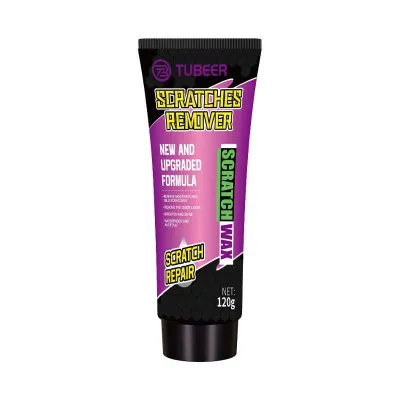
Prices are valid at publication and may change. Please refer to the product page for the latest price.
Car wax, on the other hand, is a traditional, sacrificial protective layer that sits on top of the paint. It fills in microscopic valleys in the clear coat to create a smooth surface, which enhances gloss and helps repel water. Wax is temporary and gradually wears away due to environmental exposure, washing, and heat.
Ceramic coating represents a modern, semi-permanent solution that chemically bonds with the vehicle’s factory paint. Formulated with silicon dioxide (SiO2) or silicon carbide (SiC), it cures into a hard, glass-like shield that offers superior durability and chemical resistance compared to wax.
In a professional detailing workflow, these products are not mutually exclusive alternatives but rather sequential steps. Polishing paste is used first to correct and prepare the paint surface, while wax or ceramic coating is applied afterward to seal and protect that corrected finish.
Polishing Paste: Paint Correction and Surface Preparation
Before applying any form of protection, you must evaluate whether your paint requires correction. Visual cues such as spiderweb-like swirl marks visible under direct sunlight, light scratches, water spot etching, and a dull, chalky appearance from oxidation all indicate that the clear coat needs leveling. Polishing paste is the primary tool used to restore clarity and depth to the paint by removing these imperfections.

However, paint correction carries inherent risks that require careful consideration. Your vehicle’s clear coat is extremely thin, often measuring only about 35 to 50 microns thick. Because polishing paste removes a small portion of this layer, over-polishing or using an overly aggressive compound can thin the clear coat excessively or even burn through to the base paint. It is highly recommended to check your paint’s thickness using a digital depth gauge or consult a professional detailer before undertaking heavy correction.
Additionally, you must remember that polishing leaves the paint completely bare and unprotected. Once the abrasive residue is wiped away, the exposed clear coat is highly vulnerable to UV rays, industrial fallout, and moisture. You must always follow up a polishing session with a dedicated sealant, wax, or ceramic coating to lock in the gloss and prevent rapid paint degradation.
Always check the product instructions to ensure compatibility with your vehicle’s specific paint type. Soft clear coats, common on many Japanese vehicles, require very fine finishing polishes and soft foam pads, whereas harder clear coats on European vehicles may require a more aggressive compounding step followed by a finishing polish.
Car Wax: Traditional Protection and Gloss Enhancement
Car wax remains a popular choice for vehicle owners who prioritize ease of application and a classic aesthetic. Traditional waxes are typically formulated with natural carnauba wax, synthetic polymers, or a blend of both. They are designed to be wiped onto the paint, allowed to haze, and then buffed off to leave a thin, sacrificial barrier.
The primary appeal of carnauba wax is the unique, warm, deep gloss it imparts to the paint, which many detailing enthusiasts still prefer over the colder, glass-like shine of ceramic coatings. This aesthetic effect is particularly noticeable on dark-colored vehicles, where wax can make the paint look exceptionally deep and wet.
However, traditional wax has significant limitations when it comes to durability and environmental resistance. In tropical climates characterized by intense UV radiation, high humidity, and frequent heavy downpours, a standard carnauba wax may only last four to eight weeks before degrading. Synthetic polymer waxes, often called paint sealants, offer better durability, typically lasting three to six months.
Furthermore, wax has low heat resistance and can soften under direct sunlight, allowing road grime and dust to become embedded in the surface. It also offers minimal protection against acidic contaminants like bird droppings or tree sap, and can be easily stripped away by alkaline car wash shampoos.
Ceramic Coating: Long-Term Shield and Hydrophobic Performance
Ceramic coatings offer a highly durable alternative for drivers seeking long-term protection and minimal maintenance. Once applied, the liquid polymer cures to form a semi-permanent bond with the clear coat, creating a hydrophobic surface that repels water, dirt, and environmental contaminants.
The expected lifespan of a ceramic coating varies widely depending on the product formulation and maintenance. Consumer-grade DIY kits typically offer one to two years of protection, while professional-grade coatings applied in controlled environments can last five years or more. To achieve this longevity, meticulous surface preparation is mandatory. Any dirt, oil, or swirl marks left on the paint will be sealed beneath the coating, making thorough washing, clay bar decontamination, and polishing essential steps before application.
The standout feature of a ceramic coating is its extreme hydrophobic performance. Water beads up and rolls off the surface easily, taking loose dirt and road grime with it. This self-cleaning effect makes routine washing significantly faster and easier. Additionally, ceramic coatings provide excellent chemical resistance, protecting the underlying paint from etching caused by acidic bird droppings, tree sap, and industrial fallout.
When deciding on a ceramic coating, you must choose between professional installation and DIY consumer kits. Professional application ensures proper paint correction, a dust-free curing environment, and often comes with a warranty, but requires a substantial financial investment. DIY kits are more affordable and formulated with longer flash times to make application easier for enthusiasts, but they still require strict adherence to curing times and environmental conditions to avoid “high spots”—dark, uneven patches where excess product has cured.
Decision Matrix: Matching the Method to Your Vehicle
To help you choose the most suitable approach for your vehicle, consider how preparation effort, durability, and cost align with your maintenance preferences.
| Method | Preparation Effort | Expected Durability | Estimated Cost Range | Ideal User Profile |
|---|---|---|---|---|
| Car Wax | Low to Moderate | 1 to 3 months | S$20 – S$60 (DIY product) | Enthusiasts who enjoy regular detailing and prefer a warm, deep gloss. |
| DIY Ceramic Coating | High (Requires full prep) | 1 to 2 years | S$80 – S$200 (Kit cost) | Hands-on owners seeking long-term protection who have a covered workspace. |
| Professional Ceramic | Very High (Done by shop) | 2 to 5+ years | S$600 – S$2,000+ (Service) | Owners wanting maximum protection and gloss without performing the labor. |
| Polishing Paste | High (Abrasive step) | None (Corrective only) | S$15 – S$40 (Product cost) | Vehicles with visible swirl marks, oxidation, or scratches needing restoration. |
Note: The costs listed above are general estimates. You should verify current rates and product prices with local detailing shops and retailers.
Use these conditional recommendations to guide your final choice:
- Choose Wax if you enjoy washing and detailing your car every few weeks, prefer a traditional warm shine, and want an affordable, low-risk option that does not require extensive paint preparation.
- Choose Ceramic Coating if you want to minimize washing effort, desire long-term UV and chemical protection, and have the budget or the controlled environment required for proper application and curing.
- Use Polishing Paste first if your paint has visible swirl marks, light scratches, or oxidation. Applying any protective layer over damaged paint will only lock in and highlight those defects.
Step-by-Step Action Guide for Your Paint Care Plan
To execute your paint care plan safely and effectively, follow this structured sequence:
- Step 1: Inspect the paint condition. Wash your vehicle thoroughly and perform a clay bar treatment to remove bonded contaminants. Inspect the clean surface under direct sunlight or a strong LED detailing light to check for swirl marks, scratches, or dullness. If defects are present, plan to use a polishing paste first.
- Step 2: Evaluate your budget and time. Determine whether you prefer the low upfront cost and regular maintenance of waxing, or the higher initial investment and long-term convenience of a ceramic coating.
- Step 3: Read specific product labels. Before purchasing any product, verify its compatibility with your vehicle's paint type. Check the manufacturer's instructions for required application temperatures, curing times, and necessary safety precautions, such as wearing nitrile gloves and working in a well-ventilated area.
- Step 4: Decide on DIY vs. Professional application. If your vehicle requires extensive paint correction and you do not feel comfortable using a dual-action polisher, or if you lack a shaded, dust-free area to apply a ceramic coating, seek professional detailing services to ensure a safe and high-quality result.
Frequently Asked Questions (FAQ)
Can I apply wax over a ceramic coating?
While you can physically apply wax over a ceramic coating, it is generally not recommended. Ceramic coatings are engineered with high surface tension to repel water and dirt. Applying a traditional wax over a coating will mask these superior hydrophobic properties, replacing them with the less efficient water-beading characteristics of the wax. If you want to maintain or boost your ceramic coating, use a dedicated silica-based (SiO2) ceramic detailer or topper recommended by the coating manufacturer instead.
Does polishing paste remove ceramic coating?
Yes, polishing paste will remove a ceramic coating. Because polishing pastes contain abrasives designed to level the clear coat, they will easily abrade and strip away the incredibly thin layer of a ceramic coating (which is typically only 1 to 2 microns thick). If you need to perform paint correction to remove new scratches or swirl marks, you must accept that the coating in that area will be removed and will need to be reapplied once the polishing work is complete.

Community discussion
Share your experience or ask a question. Comments are reviewed before publication.