
Choosing the right paint protection for your car in Singapore is not about finding a single magic product, but rather matching a solution to your vehicle’s current paint condition, your budget, and your lifestyle. Polish, wax, and ceramic coatings serve entirely different purposes in a car care routine. While polish is a corrective treatment designed to remove imperfections and restore gloss, wax and ceramic coatings are protective layers designed to shield that restored finish from environmental damage.
For car owners dealing with intense tropical sun, sudden downpours, and industrial fallout, understanding how these three options interact is key to preserving your vehicle’s resale value and aesthetic appeal. If your paint is already dull or scratched, applying a protective layer without polishing first will simply lock in those defects. Conversely, polishing your car without following up with a wax or ceramic coating leaves the freshly exposed clear coat vulnerable to rapid degradation. By evaluating your willingness to perform regular maintenance and your budget, you can establish a practical detailing regimen that keeps your car looking its best.
Understanding What Polish, Wax, and Ceramic Coatings Actually Do
To make an informed decision, you must first distinguish between paint correction and paint protection. Many car owners mistakenly use the terms polishing and waxing interchangeably, which can lead to disappointing results or even unintentional damage to the vehicle’s clear coat.
Products mentioned in this guide
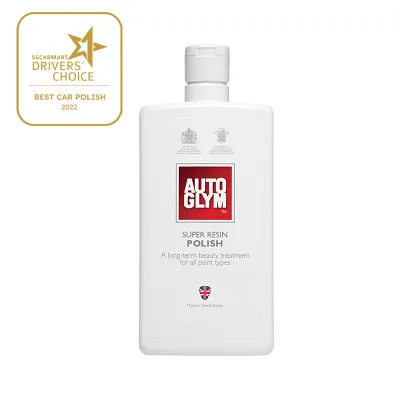
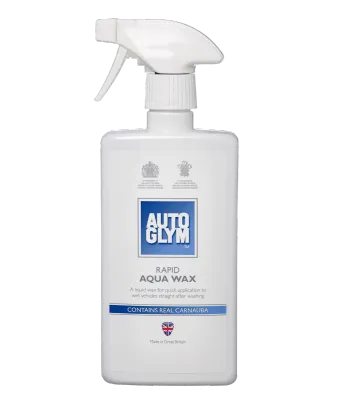
Prices are valid at publication and may change. Please refer to the product page for the latest price.
Car polish is an abrasive or chemical compound formulated to physically level the top layer of your car’s clear coat. When applied by hand or with a dual-action polisher, the microscopic abrasives in the polish gently shave away a tiny fraction of the clear coat, smoothing out the edges of fine scratches, swirl marks, and oxidation. This process restores a flat, highly reflective surface that allows light to bounce off evenly, creating a deep gloss. However, polish provides absolutely no protective barrier; it is purely a corrective step that leaves the paint bare and vulnerable.
Car wax acts as a traditional, sacrificial barrier that sits on top of the clear coat. Available in natural forms like carnauba or synthetic polymer formulas, wax fills in microscopic paint pores to create a smooth surface that repels water, dust, and light contaminants. It is highly valued by enthusiasts for the warm, deep, organic glow it imparts to paintwork. Because it does not bond permanently to the paint, it gradually wears away under the influence of heat, rain, and car washes, acting as a temporary shield that must be regularly replaced.
Ceramic coating represents a modern, semi-permanent approach to paint protection. Typically formulated with silicon dioxide (SiO2) or titanium dioxide, these liquid polymers chemically bond with the vehicle’s factory clear coat on a molecular level. Once cured, they form a hard, glass-like layer that is highly hydrophobic and chemically resistant. This layer does not wash off easily and provides a high-gloss finish that actively repels water, dirt, and acidic contaminants like bird droppings and tree sap.
Weighing Durability, Upkeep, and Cost in Singapore
When deciding between these methods, you must weigh the upfront financial investment against the long-term maintenance commitment required to keep the protection active. Singapore’s tropical climate—characterized by high humidity, intense ultraviolet (UV) radiation, and frequent heavy rain—creates a demanding environment for any automotive finish.

Durability varies significantly across these three categories, and you should always consult specific manufacturer labels and product data sheets to verify performance expectations. Traditional carnauba waxes typically offer the shortest lifespan, often requiring reapplication every few weeks to a couple of months under local weather conditions. Synthetic waxes and sealants may last slightly longer. In contrast, high-quality ceramic coatings are designed to endure for several years, provided they are maintained correctly.
The upkeep routines for these products also differ. Maintaining a waxed car is relatively straightforward but frequent, requiring regular washing with mild, pH-neutral car shampoos and periodic reapplications. Ceramic coatings, while highly durable, are not entirely maintenance-free. They require specialized maintenance washes, including the occasional use of dedicated decontamination sprays and silica-based topper products, to prevent the hydrophobic pores of the coating from becoming clogged with road grime and mineral deposits.
Cost is another major deciding factor, with clear distinctions between DIY options and professional services. DIY polish and wax kits are highly accessible, with quality products often costing under S$50 to S$100, making them an excellent choice for budget-conscious owners willing to invest their own time. Professional ceramic coating services, however, represent a much higher upfront investment, often ranging from several hundred to over a thousand S$. This higher cost is primarily driven by the extensive, labor-intensive paint correction and surface preparation required before the coating can be safely applied.
Matching the Protection to Your Car's Condition and Lifestyle
Selecting the right approach requires an honest assessment of your car’s current paint condition, where you park, and how much time you want to spend on car care.
Polishing is mandatory if your vehicle’s paint exhibits visible swirl marks, light scratches, oxidation, or etched water spots. Applying a wax or ceramic coating directly over damaged paint will only highlight and seal those imperfections beneath a shiny layer. If your clear coat is dull or hazy, a dedicated polishing step is essential to restore the underlying clarity before you even consider applying a protective sealant.
Wax is highly suited for well-maintained vehicles, classic cars, or detailing enthusiasts who find relaxation in the hands-on process of washing and waxing their cars on weekends. If your car is parked in a sheltered garage and is not subjected to daily long-distance commutes, a high-quality wax can provide an exceptional aesthetic depth that is hard to replicate, without the need for a semi-permanent commitment.
Ceramic coating is highly justified for daily-driven vehicles, especially those parked in open-air lots where they are constantly exposed to harsh sunlight, bird droppings, and industrial fallout. If you want to minimize the effort required during weekly washes—as dirt and grime slide off a hydrophobic ceramic surface much more easily—a ceramic coating offers unmatched convenience. It is also an excellent investment for brand-new vehicles, allowing you to lock in the factory-fresh paint finish from day one.
Preparation, Application Skills, and Professional Limits
The success of any paint protection application depends heavily on the quality of the preparation work and the environment in which it is applied.
Both waxes and ceramic coatings require a thoroughly clean surface to perform as intended. Before application, the paint must undergo a thorough decontamination process, which typically includes a safe wash, iron removal, and a clay bar treatment to pull embedded contaminants out of the clear coat. Any remaining oils, old waxes, or polish residues must be completely stripped using an isopropyl alcohol (IPA) wipe; otherwise, the new protective layer will fail to bond properly, leading to premature degradation.
Environmental conditions play a critical role during the application process. While user-friendly products like Autoglym polish or traditional waxes can be safely applied in a shaded, well-ventilated garage or a sheltered multi-storey car park, ceramic coatings are far more sensitive. Ceramic coatings require a controlled, dust-free environment with stable temperatures and humidity to cure correctly. Exposure to moisture or dust during the initial curing phase can ruin the finish, leaving unsightly streaks or hazy patches.
You must recognize your own technical limits when it comes to paint care. While applying a basic wax or a light finishing polish is well within the reach of a patient DIY enthusiast, deep paint correction and professional-grade ceramic coating applications carry real risks. Using a rotary buffer incorrectly can easily burn through your car’s clear coat, causing permanent damage that requires an expensive repaint. If your vehicle requires extensive scratch removal or if you are applying a high-solids ceramic coating, consulting a certified professional detailer is the safest way to ensure a flawless, durable result.
Frequently Asked Questions (FAQ)
Can I apply wax over a ceramic coating?
Applying a traditional wax over a ceramic coating is generally not recommended. While it might seem like adding an extra layer of protection would be beneficial, the wax can actually degrade the performance of the coating. Ceramic coatings are engineered with high surface tension to repel water and dirt; applying a wax on top replaces that highly hydrophobic surface with a less efficient wax layer, trapping dirt more easily and masking the self-cleaning properties of the ceramic. If you want to boost the gloss or slickness of a ceramic coating, check the coating manufacturer’s guidelines for recommended silica-based maintenance sprays or dedicated toppers instead.
Does polish remove ceramic coating?
Yes, polishing will remove a ceramic coating. Because polish contains abrasive particles designed to level the clear coat, the mechanical action of polishing will quickly wear away and strip the thin, semi-permanent ceramic layer. You should avoid using any abrasive polishes, compounds, or paint cleaners on a coated vehicle unless your goal is to completely remove the old coating for a fresh application or to correct a specific area of paint damage before recoating. For routine cleaning of a ceramic-coated car, stick to non-abrasive, pH-neutral car wash soaps.
How often should I polish my car?
Polishing should be treated as an occasional corrective measure rather than a routine maintenance step. Because every polishing session physically removes a microscopic layer of your car’s clear coat, over-polishing will eventually thin the paint to the point of failure, leading to clear coat peeling or color fading. For most vehicles, a light polish once a year or even once every two years is more than enough to maintain gloss. Before undertaking any aggressive paint correction, it is highly recommended to use a digital paint thickness gauge or consult a professional detailer to verify that your clear coat has sufficient thickness to be safely polished.
Community discussion
Share your experience or ask a question. Comments are reviewed before publication.