
Quick Answer: Which Paint Protection Method Fits Your Needs?
Choosing the right paint protection for your vehicle depends entirely on your car’s current paint condition, your budget, and how much time you want to spend on maintenance. It is a common misconception that polishing, waxing, and ceramic coating are interchangeable options. In reality, they serve completely different purposes: polishing corrects and levels the paint, while waxing and ceramic coatings act as protective barriers.
To help you decide quickly, consider this basic framework:
- Choose Polish if your car's paint has visible swirl marks, light scratches, or a dull, oxidized appearance that needs physical correction.
- Choose Wax if you want an affordable, easy-to-apply, high-gloss finish and do not mind reapplying it every few weeks or months.
- Choose Ceramic Coating if you want long-term, highly durable protection against environmental contaminants and UV rays, and are willing to invest more upfront.
These methods are often sequential rather than mutually exclusive. For the finest results, you should always polish your vehicle first to remove defects before sealing the paint with a protective layer of wax or ceramic coating.
Products mentioned in this guide
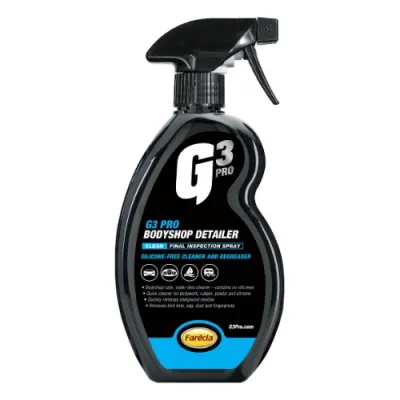
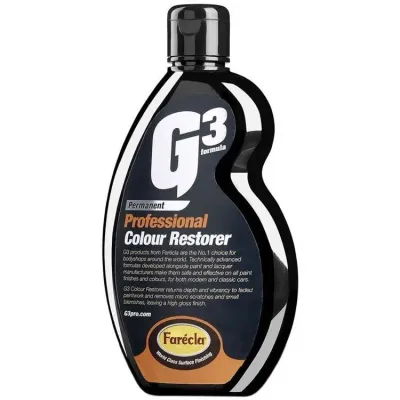
Prices are valid at publication and may change. Please refer to the product page for the latest price.
Understanding the Core Functions of Each Method
To make an informed decision, it is essential to understand how each product interacts with your car’s clear coat. The clear coat is the thin, transparent top layer of paint that protects the colored base coat underneath from weathering and physical damage.

Car Polish: Paint Correction and Surface Leveling
Car polish is not a protective coating; it is an abrasive compound designed to correct paint defects. When your car develops fine scratches, swirl marks, or oxidation, these imperfections exist in the clear coat, scattering light and making the paint look dull. Polish contains microscopic abrasive particles that physically shave down a minute fraction of the clear coat to match the depth of the shallowest scratches, restoring a perfectly flat, reflective surface.
Because polishing removes a microscopic layer of paint, it must be used selectively and always followed by a protective sealant. Over-polishing or using an overly aggressive compound can thin the clear coat to the point of failure. Product variations range from heavy cutting compounds—such as professional-grade G3 liquids used for deep defect removal—to ultra-fine finishing polishes designed to restore maximum clarity and gloss. Always verify the compatibility of the polish with your vehicle’s specific paint type by checking the product instructions before application.
Car Wax: Sacrificial Barrier and Visual Enhancement
Car wax is a non-abrasive, temporary protective layer that sits on top of the clear coat. It fills in the microscopic pores and valleys of the paint surface, creating a smooth plane that reflects light evenly to produce a deep, warm, and wet-looking shine. Wax acts as a sacrificial barrier, absorbing the brunt of environmental wear so your clear coat does not have to.
Traditional waxes are formulated from natural carnauba wax, which is highly prized by enthusiasts for its rich visual depth, though it has a relatively low melting point. Synthetic polymer waxes, often referred to as paint sealants, offer enhanced durability and better resistance to heat and detergents. Because wax merely sits on the surface without forming a permanent bond, it gradually degrades from washing, rain, and heat, requiring regular reapplication according to the manufacturer’s guidelines to maintain protection.
Ceramic Coating: Semi-Permanent Chemical Bonding
Ceramic coating represents a significant technological advancement in paint protection, utilizing liquid polymers formulated with silicon dioxide (SiO2) or titanium dioxide. When applied to the paint, these chemicals react with the clear coat to form a semi-permanent, nanostructured layer that chemically bonds to the surface. This creates an incredibly slick, hydrophobic barrier that repels water, dirt, bird droppings, and industrial fallout.
While ceramic coatings offer exceptional durability and UV resistance, they are not indestructible. They do not make your car completely scratch-proof, nor do they prevent physical damage from flying road debris or rock chips. Furthermore, because the coating chemically bonds to the surface, any paint defects present before application will be locked underneath. This makes flawless paint correction and thorough decontamination absolute necessities before applying a ceramic coating.
Key Comparison Dimensions for Your Decision
Evaluating these methods across practical metrics helps you understand how they fit into your long-term vehicle ownership experience, especially under challenging environmental conditions.
Durability, Longevity, and Maintenance Effort
The lifespan of these protective layers varies significantly, particularly in tropical climates characterized by intense UV rays, high humidity, and frequent heavy rain. Traditional carnauba waxes may only last a few weeks to a couple of months before wearing away, while high-quality synthetic sealants can extend this protection to several months. In contrast, professional-grade ceramic coatings can last for several years, depending on the specific product formulation and environmental exposure. Always check the specific product labels or your professional detailer’s warranty terms for exact longevity claims rather than relying on general estimates.
Maintenance routines also differ based on your choice. Waxed vehicles require regular reapplication to maintain their protective qualities and gloss. Ceramic-coated vehicles do not need frequent reapplication, but they do require specific maintenance washes. To prevent clogging the hydrophobic pores of a ceramic coating, you must use pH-neutral car shampoos and avoid harsh detergents. Occasional applications of an SiO2-based booster spray are also recommended to maintain the coating’s performance over time.
Surface Preparation and Application Complexity
The skill, time, and environment required for application are major deciding factors for DIY enthusiasts. Applying wax is highly forgiving and DIY-friendly; it can be applied and buffed off in a standard residential carpark with minimal risk of permanent errors. If you make a mistake or apply too much, it can easily be wiped away or cleaned off with a pre-wax cleaner.
Applying a ceramic coating, however, demands a highly controlled environment and meticulous preparation. High humidity, direct sunlight, wind-blown dust, and poor lighting can cause the coating to flash too quickly or cure unevenly, resulting in unsightly “high spots” (dark, cloudy patches) that can only be removed by machine polishing. Before applying any protective layer, a thorough decontamination process—including a chemical iron remover and a clay bar treatment—is critical to ensure the product bonds directly to the clear coat rather than to embedded road grime.
Cost Considerations and Value Assessment
The financial investment required for each option varies widely. DIY waxes and polishes are highly cost-effective upfront. A single bottle of high-quality wax or polish, along with a few microfibre cloths and applicator pads, can cost under S$30 to S$50 on online marketplaces and last for dozens of applications over several years.
In contrast, professional ceramic coating packages at local detailing shops represent a premium upfront investment, often ranging from several hundred to over a thousand Singapore dollars. This cost primarily reflects the intensive labor required for multi-stage paint correction, chemical decontamination, and precision application in a dust-free, temperature-controlled studio. To assess the long-term value, consider how long you plan to keep the vehicle and your willingness to perform DIY maintenance. If you plan to own the car for many years and prefer a low-effort washing routine, the upfront cost of a ceramic coating can be highly justified.
How to Assess Your Car's Current Paint Condition
Before purchasing any paint care products, you must diagnose the current state of your vehicle’s clear coat to determine the necessary first steps.
- Visual Inspection: Wash and dry your car thoroughly, then park it under direct sunlight or use a bright LED inspection light. Look closely at the paint from different angles to check for swirl marks, spiderweb scratches, holograms, or dull patches of oxidation.
- Tactile Inspection: Place your hand inside a clean plastic sandwich bag and gently slide your fingertips across the dry paint. If the surface feels rough, bumpy, or gritty, it indicates embedded environmental contaminants like industrial fallout, tree sap, or overspray that must be clayed off before applying any protection.
- The Water Drop Test: Spray clean water onto a flat panel of your car. If the water pools and clings to the surface in large, flat sheets, there is no active protection. If the water immediately beads into tight, round droplets and rolls off easily, your current wax or coating is still functioning.
If your inspection reveals significant swirl marks or scratches, paint correction (polishing) is highly recommended before applying wax or ceramic coating. Applying a protectant over damaged paint will only highlight the defects and prevent the product from bonding optimally to the clear coat.
Final Decision Guide: Matching the Method to Your Profile
To make the right choice, align your selection with your vehicle’s condition, your budget, and your willingness to perform regular maintenance.
Choose Polish if:
- Your car's paint looks dull, faded, or is covered in fine scratches and swirl marks.
- You want to restore the original clarity and gloss of the clear coat before applying a protective layer.
- Note: Polishing must always be followed by a wax, sealant, or ceramic coating to protect the newly exposed paint.
Choose Wax if:
- You prefer a budget-friendly, low-risk DIY project that you can easily complete in your own garage or carpark.
- You enjoy the process of detailing your car and appreciate the deep, warm, organic gloss that natural carnauba wax provides.
- You do not mind dedicating time every few months to reapply the protection.
Choose Ceramic Coating if:
- You want the highest level of environmental resistance against bird droppings, tree sap, and UV rays.
- You want to minimize your weekly washing effort, as the hydrophobic surface allows dirt and grime to rinse off much more easily.
- You are willing to invest the necessary time and money into professional application or meticulous DIY preparation.
Verify first if:
- Your vehicle has extremely thin clear coat, is a short-term lease, or has severe paint damage (such as clear coat peeling or deep scratches that penetrate to the primer). In these cases, aggressive polishing may destroy the remaining paint, and expensive ceramic coatings may not provide a justifiable return on investment. Always consult a professional detailer to measure your paint depth before proceeding with heavy correction.
Frequently Asked Questions (FAQ)
Can I apply wax over a ceramic coating?
While physically possible, applying traditional wax over a ceramic coating is generally not recommended. Traditional waxes can clog the microscopic structure of the ceramic coating, masking its superior hydrophobic properties and self-cleaning effects with a less durable, sticky wax layer that attracts dust more easily. If you want to add an extra layer of slickness or gloss to your ceramic coating, use a dedicated ceramic-compatible topper or an SiO2-based booster spray designed to bond with and enhance the existing coating.
Does polishing remove the ceramic coating or wax?
Yes, polishing is an abrasive process designed to level the clear coat, which means it will easily strip away any wax, sealant, or ceramic coating on the surface. Even a fine finishing polish or a pre-wax cleaner can degrade or completely remove these protective layers. Because of this, you should only polish your vehicle when you are prepared to completely reapply your chosen paint protection immediately afterward.
Community discussion
Share your experience or ask a question. Comments are reviewed before publication.