
Maintaining a car’s paintwork in a tropical environment requires a clear understanding of the different detailing treatments available. Many car owners mistake polishing, waxing, and ceramic coating as interchangeable terms for making a vehicle shiny. In reality, these three processes serve entirely different purposes. Polishing is a corrective, subtractive process that levels the paint surface, while waxing and ceramic coating are additive protective layers designed to shield the paint from environmental damage.
Choosing the wrong treatment can lead to wasted effort, unnecessary expenses, or even permanent damage to your vehicle’s clear coat. In regions with intense UV exposure, high humidity, and frequent heavy downpours, selecting the appropriate paint care method is crucial for preserving both the aesthetic appeal and the resale value of your vehicle. By understanding how each method interacts with your car’s clear coat, you can establish a maintenance routine that fits your lifestyle, budget, and aesthetic preferences.
Understanding the Core Functions of Polish, Wax, and Ceramic Coating
To keep your vehicle’s exterior in optimal condition, you must first distinguish between paint correction and paint protection. A common misconception is that applying a polish will protect your car from the elements. In truth, polish offers zero protective qualities; its sole purpose is to prepare and refine the surface. Conversely, waxes and ceramic coatings are designed specifically to act as barriers against environmental contaminants, though they differ significantly in their chemistry, durability, and application methods.
Products mentioned in this guide
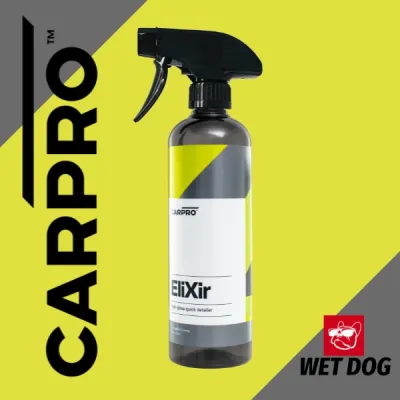
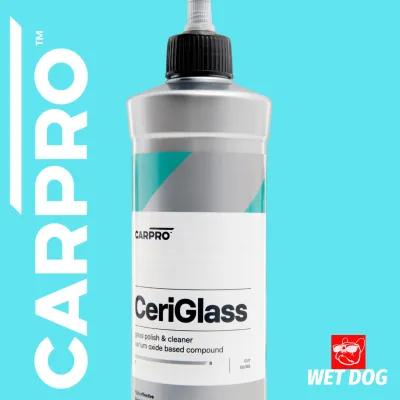
Prices are valid at publication and may change. Please refer to the product page for the latest price.
Car Polish: Surface Correction and Preparation
Car polish is an abrasive compound designed to remove a microscopic layer of your vehicle’s clear coat. By leveling the clear coat, polishing eliminates surface imperfections such as fine swirl marks, light scratches, oxidation, and etched water spots caused by mineral-rich rain drying under the hot sun. This process restores the paint’s clarity and depth by allowing light to reflect evenly off a perfectly flat surface.
Because polishing is a subtractive process, it must be approached with caution. Every time you polish your car, you reduce the thickness of the protective clear coat. Over-polishing or using highly aggressive compounds can wear through this layer entirely, exposing the base paint and leading to costly repairs. Therefore, polishing should only be performed when visible defects are present, and it must always be followed by a protective sealant, wax, or ceramic coating to shield the newly exposed paint.
Car Wax: Traditional Sacrificial Protection
Car wax serves as a temporary, sacrificial barrier that sits on top of your vehicle’s clear coat. Traditional waxes are formulated from natural ingredients, such as carnauba wax harvested from Brazilian palm trees, or synthetic polymers designed to mimic natural wax properties. When applied to the paint, wax fills in microscopic imperfections, creating a smooth surface that repels water and provides a warm, deep gloss.
Because wax does not chemically bond to the paint, it gradually degrades when exposed to heat, UV radiation, road grime, and alkaline car wash detergents. In hot and humid climates, a standard wax layer may only last a few weeks to a few months before requiring reapplication. This makes wax an excellent choice for car owners who enjoy regular weekend detailing routines and prefer a classic, deep shine without committing to long-term chemical modifications.
Ceramic Coating: Semi-Permanent Chemical Bonding
Ceramic coatings represent a significant technological advancement in paint protection, utilizing liquid polymers containing silicon dioxide (SiO2) or titanium dioxide. Unlike wax, which merely sits on the surface, a ceramic coating chemically bonds with the vehicle’s factory clear coat on a molecular level. This chemical reaction creates a hard, hydrophobic, and semi-permanent protective layer that does not wash off during routine cleaning.
Products such as the CarPro CQuartz line are engineered to provide long-term resistance to environmental hazards, including bird droppings, tree sap, acid rain, and UV-induced oxidation. However, it is vital to understand that ceramic coatings are not completely scratch-proof or impervious to damage. They can still suffer from swirl marks if washed using improper techniques, meaning that regular, safe maintenance remains essential even after a coating is applied.
Key Comparison Dimensions for Paint Protection
When deciding how to care for your vehicle’s paint, evaluating the options across several practical dimensions will help you choose the most sustainable method for your lifestyle.

Longevity and Durability The most significant difference between these options is how long they remain effective. Traditional carnauba waxes typically require reapplication every four to eight weeks, depending on weather exposure and washing habits. Synthetic paint sealants may extend this window to several months. In contrast, high-quality ceramic coatings are designed to last for several years, with manufacturers specifying durability ranges from two to five years or more. This long-term durability is highly dependent on proper surface preparation and regular maintenance using compatible products.
Application Complexity Applying car wax is a forgiving, straightforward DIY task that can be completed in a home garage or a shaded multi-storey car park. If you make a mistake or apply too much wax, it can easily be buffed off with a microfiber towel. Ceramic coatings, however, require strict environmental controls, precise timing, and advanced preparation. High humidity and improper temperatures can cause the coating to cure too quickly, leaving behind unsightly cloudy patches known as “high spots” that can only be removed by machine polishing.
Visual Finish The aesthetic outcome of each treatment appeals to different preferences. Carnauba wax is renowned for producing a warm, deep, and wet-looking glow that enhances the natural color of the paint, making it a favorite for classic cars and show vehicles. Ceramic coatings deliver a highly reflective, glass-like gloss that emphasizes sharp lines and metallic flakes. The extreme slickness of a ceramic-coated surface also prevents dirt and dust from adhering easily, keeping the car looking cleaner for longer periods.
Maintenance Requirements While a ceramic coating significantly reduces the effort required to clean your car, it does not eliminate the need for maintenance. Coated vehicles must be washed using pH-neutral shampoos that do not contain added waxes or gloss enhancers, as these additives can clog the coating’s microscopic pores and degrade its hydrophobic properties. Additionally, periodic applications of silica-based maintenance sprays, such as CarPro Reload, are recommended to rejuvenate the coating’s water-beading capabilities and protect it from premature wear.
Decision Framework: Which Method Fits Your Vehicle?
To determine the best approach for your vehicle, you must evaluate your paint’s current condition, your budget, and your willingness to perform regular maintenance.
Choose Polish (followed by protection) if: Your vehicle’s paint exhibits visible swirl marks, light scratches, water spot etching, or a dull, oxidized appearance. Polishing is the only way to physically correct these defects and restore the paint’s original clarity. Keep in mind that polishing must always be paired with a subsequent protective layer, as bare, polished clear coat is highly vulnerable to rapid environmental degradation.
Choose Wax if: You prefer a hands-on, budget-friendly DIY approach and enjoy detailing your car on a regular basis. Waxing is ideal for well-maintained vehicles with minimal paint defects. It allows you to achieve a beautiful, warm shine without the high upfront cost of professional detailing services, which can range from several hundred to over S$1,000 depending on the level of paint correction required.
Choose Ceramic Coating if: You want long-term, robust protection against harsh tropical weather and prefer a low-maintenance washing routine. This option is highly suitable for daily-driven vehicles parked outdoors, where exposure to intense sunlight and rain is constant. However, you must be willing to invest the necessary time or capital into thorough paint correction before application, as any existing imperfections will be sealed permanently beneath the glass-like layer.
Verify First if: Your vehicle features a matte paint finish, a specialized factory clear coat, or has been wrapped in Paint Protection Film (PPF). Standard polishes and waxes containing gloss enhancers can permanently ruin a matte finish by making it shiny. Always consult your vehicle’s manual or the film manufacturer’s guidelines to verify product compatibility before applying any abrasive or protective treatment.
Essential Preparation and Safety Boundaries
Achieving professional-grade results and preventing accidental damage to your vehicle’s exterior requires strict adherence to preparation protocols and safety boundaries. Applying any protective layer over dirty or contaminated paint will trap imperfections, reduce the product’s bonding efficiency, and compromise its durability.
Before starting any polishing or coating process, the vehicle must undergo a thorough multi-stage decontamination wash. This includes using a dedicated iron remover to dissolve embedded metallic fallout and a clay bar treatment to remove bonded contaminants like overspray, industrial dust, and tree sap. The surface must be completely smooth to the touch before any machine or hand polishing begins.
Polishing and coating must always be performed in a controlled, shaded environment out of direct sunlight. High surface temperatures can cause polishes to dry out prematurely, leading to excessive dusting and paint marring, while ceramic coatings may flash instantly, making them nearly impossible to level correctly. If you are working in a humid tropical climate, ensuring adequate ventilation and temperature control is critical to managing the curing times of chemical coatings.
If you are unsure of your vehicle’s paint history or suspect the clear coat may be thin due to previous aggressive polishing, avoid machine polishing entirely until you can verify the paint thickness. Using a digital paint thickness gauge is the safest way to measure the remaining clear coat across different panels. For heavy defect removal, multi-stage compounding, or applying multi-year professional-grade ceramic coatings, consulting a qualified professional detailer is highly recommended to avoid burning through the paint or creating permanent finish defects.
Frequently Asked Questions (FAQ)
Can I apply wax over a ceramic coating?
Applying a traditional wax over a ceramic coating is generally not recommended. While it may seem like adding an extra layer of protection would be beneficial, the wax will actually mask the superior hydrophobic and self-cleaning properties of the ceramic coating beneath it. Dust and road grime will adhere more easily to the softer wax layer, defeating the purpose of the coating. Instead, use compatible silica-based maintenance sprays designed specifically to bond with and boost the existing ceramic layer safely.
Does ceramic coating replace the need for polishing?
No, a ceramic coating does not replace the need for polishing. Ceramic coatings are completely transparent and do not have the ability to fill or hide paint defects such as scratches, swirls, or oxidation. In fact, because of their high-gloss, reflective nature, ceramic coatings will often highlight and amplify any existing imperfections. Thorough paint polishing is a mandatory preparation step that must be completed before applying a coating to ensure the paint is as flawless as possible.
How do I know if my car's clear coat is too thin for polishing?
The most reliable way to determine if your clear coat is too thin for polishing is to measure it using a digital paint thickness gauge. This tool measures the combined thickness of the primer, base coat, and clear coat. If the readings are consistently low compared to factory specifications, or if you notice areas where the paint looks dull, patchy, or shows signs of clear coat failure (such as peeling), you should stop immediately. In these cases, avoid any abrasive polishing and consult a professional detailer to discuss safe preservation options.

Community discussion
Share your experience or ask a question. Comments are reviewed before publication.