
Selecting the right paint care method for your vehicle depends on your paint’s current condition, your budget, and how much time you can dedicate to ongoing maintenance. While many car owners treat polish, wax, and ceramic coatings as interchangeable options, they serve entirely different chemical and mechanical purposes. Understanding these differences is essential to achieving a lasting shine and protecting your vehicle from harsh environmental elements like intense tropical sunlight, heavy rain, and industrial fallout.
Rather than being mutually exclusive alternatives, these three methods often work together as part of a complete car care routine. Polishing prepares the surface by removing defects, while wax and ceramic coatings act as protective barriers to seal in the results. Choosing the wrong product for your car’s specific needs can lead to wasted effort, unnecessary expenses, or even damage to your vehicle’s clear coat. By evaluating your vehicle’s current paint state and your long-term maintenance goals, you can select the most effective protection strategy.
Defining Polish, Wax, and Ceramic Coating
To make an informed decision, you must first understand what each product actually does to your car’s paint. Car polish is not a protective layer; instead, it is a corrective compound containing microscopic abrasives. When applied to the paint, these abrasives gently level the outermost layer of the clear coat, smoothing out fine scratches, swirl marks, and oxidation. Polishing restores clarity and depth to the paint by allowing light to reflect evenly off the surface, but it leaves the paint completely bare and vulnerable to environmental damage if not followed by a protective sealant.
Products mentioned in this guide
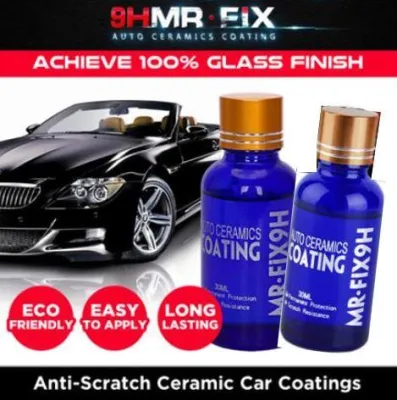
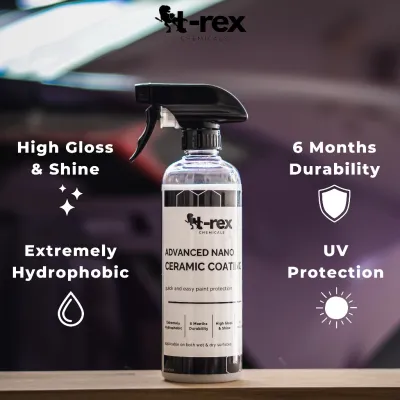
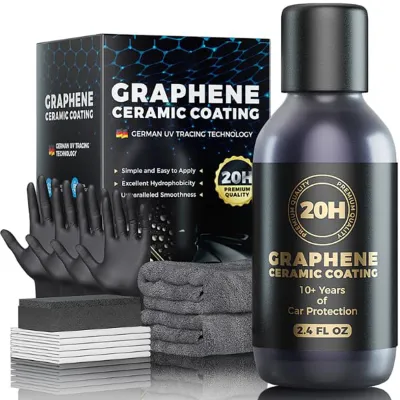
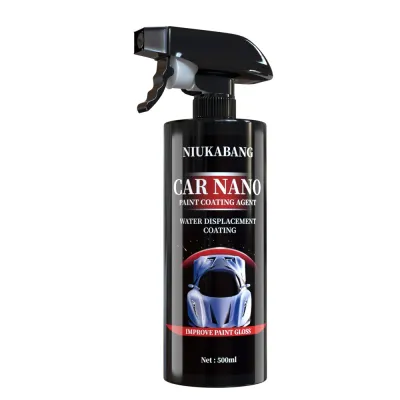
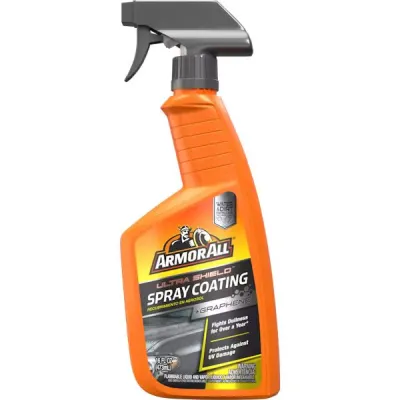
Prices are valid at publication and may change. Please refer to the product page for the latest price.
Car wax serves as a temporary, sacrificial barrier that sits on top of the clear coat. Traditional waxes are formulated from natural carnauba palm wax, while modern synthetic waxes (often called paint sealants) utilize man-made polymers to improve durability. Wax fills in microscopic imperfections in the paint surface, creating a warm, deep gloss and providing short-term hydrophobic properties that cause water to bead and roll off. Because wax does not chemically bond to the paint, it gradually wears away from exposure to heat, rain, and car wash detergents.
Ceramic coating represents a more advanced level of paint protection utilizing liquid polymers, typically formulated with silicon dioxide (SiO2) or titanium dioxide. Unlike wax, which merely sits on the surface, a ceramic coating chemically bonds with the vehicle’s factory clear coat on a molecular level. This bond creates a semi-permanent, glass-like shield that is highly hydrophobic, chemically resistant, and significantly harder than traditional wax. This layer prevents contaminants like bird droppings, tree sap, and acid rain from etching into the paint, while making the vehicle much easier to clean.
These three methods are highly complementary when executed in the correct order. You cannot achieve a flawless, durable finish by applying a ceramic coating or wax over damaged, oxidized paint, as the protective layer will simply lock in those imperfections. Polishing is the essential preparation step that refines the paint surface, creating a smooth, clean canvas. Once the paint is corrected, applying a wax or ceramic coating seals the surface, preserving the polished finish and protecting it from future degradation.
Comparing Protection Level, Application Effort, and Cost
When deciding on a paint protection method, you must weigh the level of protection against the physical effort and financial investment required. Each option offers a distinct balance of durability, ease of application, and cost, making them suitable for different types of car owners. Under typical driving conditions, especially in humid and rainy climates like Singapore, these factors become even more critical to prevent premature paint degradation.

Protection & Durability
Wax provides basic, short-term protection against UV rays and light environmental contaminants. Because it is sensitive to heat and detergents, a standard wax coat typically lasts from a few weeks to a couple of months before requiring reapplication. Ceramic coatings offer vastly superior durability and chemical resistance. A high-quality ceramic coating can withstand harsh wash chemicals, acidic environmental exposure, and intense heat, maintaining its protective properties for multiple years. Car owners should always verify the expected lifespan and maintenance requirements on specific product labels, as durability varies widely between consumer-grade DIY kits and professional-grade coatings.
Application Effort
Applying car wax is a highly forgiving, DIY-friendly process that requires minimal specialized equipment. It can be easily applied by hand or with a simple dual-action polisher, and minor mistakes can be buffed out without damaging the paint. In contrast, applying a ceramic coating demands meticulous surface preparation, a controlled environment, and precise technique. The vehicle must be thoroughly washed, clayed, polished, and wiped down with an isopropyl alcohol solution to ensure proper bonding. Any dust, moisture, or uneven application during the coating process can result in “high spots”—cloudy, dark patches that can only be removed by machine polishing.
Cost Evaluation
Car wax is highly economical, with a single bottle or tub costing very little and lasting for dozens of applications over several years. Ceramic coating requires a much higher upfront investment. While DIY ceramic coating kits are available, professional application services in Singapore represent a premium service due to the extensive labor involved in paint correction and surface preparation. Professional detailing shops typically charge several hundred to over a thousand S$ depending on the vehicle size and the number of paint correction stages required. It is highly recommended to request itemized quotes in S$ to understand exactly what preparation steps are included in the service.
| Method | Primary Function | Durability | Application Effort | Relative Cost |
|---|---|---|---|---|
| Polish | Paint correction & defect removal | None (requires a sealant) | Moderate to High (requires machine or hand buffing) | Low (DIY) to Moderate (Professional) |
| Wax | Sacrificial protection & gloss | Short-term (weeks to months) | Low to Moderate (forgiving DIY process) | Low |
| Ceramic Coating | Semi-permanent hydrophobic shield | Long-term (multiple years) | High (requires strict prep and curing) | High (especially for professional application) |
Choosing the Right Method for Your Car's Condition
To determine the best path forward, you must assess your vehicle’s current paint condition, your budget, and how much time you are willing to spend on car care. There is no single best option; the right choice is the one that aligns with your practical circumstances and expectations.
Choose Polish (as a Prep Step)
If your vehicle’s paint looks dull, hazy, or exhibits noticeable swirl marks and light scratches under direct sunlight, polishing is a necessary first step. Applying a wax or ceramic coating directly over oxidized or scratched paint will not hide the defects; instead, it will seal them in, making them harder to correct later. Polishing levels the clear coat to restore the paint’s original depth and clarity, preparing it to receive a protective layer.
Choose Wax
Wax is the ideal choice if you prefer a low-cost, hands-on approach to car maintenance and enjoy detailing your vehicle on weekends. It is highly suited for well-maintained vehicles with paint that is already in good condition. Because wax is easy to apply and remove, it is a low-risk option for beginners who want to enhance their car’s shine without investing in expensive equipment or professional services, provided they are comfortable reapplying the product every few months.
Choose Ceramic Coating
Ceramic coating is highly recommended if you want long-term, low-maintenance protection and are willing to invest the necessary time or money upfront. It is particularly beneficial for daily drivers parked outdoors, where the paint is constantly exposed to intense UV rays, bird droppings, and rain. The extreme hydrophobic properties of a ceramic coating make routine washing much faster and easier, as dirt and road grime struggle to stick to the slick surface.
Verify First
Before undertaking any paint correction or coating application, inspect the clear coat carefully. If you observe clear coat peeling, deep scratches that expose the metal or primer, or heavy paint fading, standard polishing or coating will not resolve the issue. These conditions indicate severe paint failure that requires professional assessment, paint touch-ups, or a complete respray. Attempting to polish or coat failing paint can accelerate the damage and worsen the appearance of the vehicle.
Safe Application and Maintenance Guidelines
To ensure your chosen protection method performs safely and achieves its maximum lifespan, you must follow proper application and maintenance protocols. Improper techniques can lead to paint damage, unsightly streaks, or premature failure of the protective layer.
Surface Preparation
Never apply wax or ceramic coating to a dirty or poorly prepared surface. Begin with a thorough wash using the two-bucket method to minimize wash-induced scratches. Follow this with a clay bar treatment to remove embedded contaminants, such as industrial fallout and brake dust, which normal washing cannot remove. If you are applying a ceramic coating, use a dedicated wax-remover or isopropyl alcohol wipe down after polishing to ensure the paint is completely bare and free of polishing oils, allowing the coating to bond directly to the clear coat.
Application Environment
Always apply polish, wax, and ceramic coatings in a shaded, cool, and well-ventilated area. Direct sunlight and hot body panels cause these products to dry or flash too quickly, making them incredibly difficult to buff off and leading to severe streaking or hazing. Strictly follow the manufacturer’s instructions regarding curing times, temperature limits, and layering rules. Ceramic coatings, in particular, require a dry curing period—often 24 hours—during which the vehicle must not be exposed to rain or moisture.
Maintenance Washing
To preserve your protective layer, wash your vehicle regularly using a pH-neutral car shampoo that does not contain added waxes or gloss enhancers, as these can interfere with the hydrophobic properties of a ceramic coating. Avoid automatic drive-through car washes that use abrasive plastic brushes, as they will quickly scratch your paint and strip away wax or degrade your coating. Instead, use high-quality microfiber wash mitts and dry the vehicle with a soft microfiber drying towel to prevent water spots.
Professional Consultation
If you notice that water has stopped beading on your coated vehicle, or if the paint surface feels rough to the touch even after a thorough wash, do not attempt aggressive scrubbing. This behavior usually indicates that the protective layer has become clogged with bonded road grime or industrial contaminants. Consult a professional detailer, who can safely perform a chemical decontamination wash or apply a compatible ceramic booster spray to restore the coating’s original performance.
Frequently Asked Questions (FAQ)
Can I apply ceramic coating over existing wax?
No, you cannot apply a ceramic coating over an existing layer of wax. Ceramic coatings require a completely bare, chemically clean clear coat to establish a proper molecular bond. If applied over wax, the coating will bond to the temporary wax layer rather than the paint itself. As the wax naturally degrades over the following weeks, the ceramic coating will wash away with it, resulting in premature failure of the expensive coating. Always strip away old wax using a dedicated prep shampoo or clay bar before applying a ceramic coating.
Does polish remove deep scratches?
No, polish is designed to remove light swirl marks, fine scratches, and oxidation that reside near the surface of the clear coat. It cannot remove deep scratches that have penetrated through the clear coat into the color coat or primer. To check the depth of a scratch, perform the fingernail test: gently run your fingernail across the scratch, and if your nail catches in the groove, the defect is too deep to be polished out safely. Attempting to polish out a deep scratch can thin the clear coat dangerously, requiring professional touch-up paint or panel respraying.

Community discussion
Share your experience or ask a question. Comments are reviewed before publication.