
When addressing car scratch repair, it is crucial to understand that polish, wax, and ceramic coating serve entirely different functions. Car polish is the only product among the three that actually removes light scratches by leveling the clear coat. Car wax merely fills microscopic imperfections temporarily to mask them, while ceramic coating provides long-term surface protection but cannot repair existing defects. Your choice depends entirely on whether your goal is to physically remove the scratch, temporarily hide it, or protect the paint after the repair is complete.
To choose the right approach, you must first evaluate the severity of the damage. Applying the wrong product can result in wasted effort, unnecessary expenses, or even permanent damage to your vehicle’s finish. Understanding how these three common detailing solutions interact with your car’s paintwork is the key to achieving a smooth, glossy, and well-protected exterior.
Assessing Scratch Depth: Can It Actually Be Fixed?
Before purchasing any detailing products, you must determine if the scratch is a candidate for a do-it-yourself repair. Modern automotive paint consists of multiple layers: the metal panel, primer, base coat (color), and clear coat (transparent protective layer). Polish, wax, and ceramic coatings are designed to work exclusively on the outermost clear coat. If a scratch has penetrated past this clear layer, these products cannot restore the paint.
Products mentioned in this guide
![[SG Stock]🇺🇸NO.1 Car Coating Spray Nano✅Ceramic Coating Spray Paint / Automotive Care Scratch Remover Repair Polish Wax Waterless Wash Waterproof Hydrophobic Spray汽车抛光镀膜剂](https://img.lazcdn.com/g/p/2bba12901b2bb2d755549c6a6f6bd75f.jpg_400x400q80.jpg_.webp)
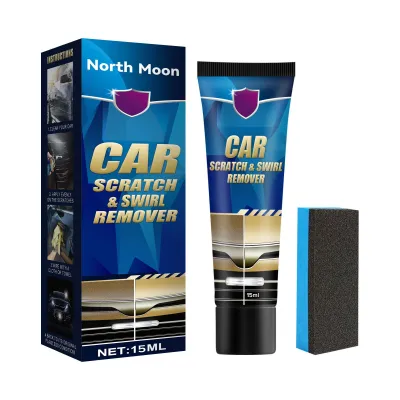
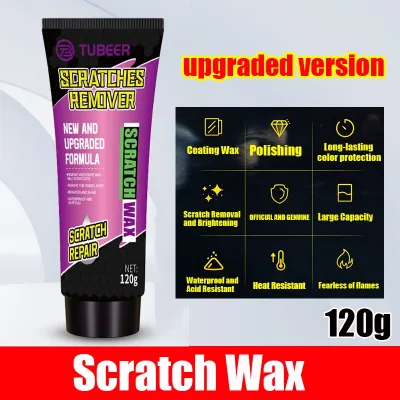
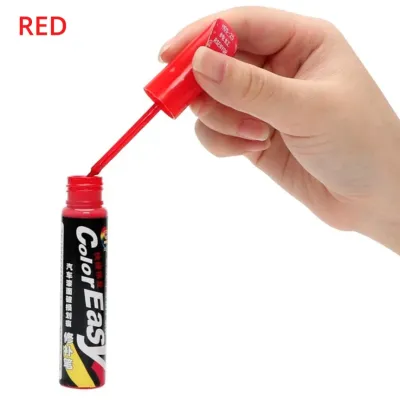
Prices are valid at publication and may change. Please refer to the product page for the latest price.
A simple and reliable way to evaluate the depth of a scratch is the fingernail test. Gently run your fingernail across the scratch at a ninety-degree angle. If your fingernail glides over the scratch without catching, the defect is superficial and resides entirely within the clear coat. These light scratches, often caused by improper washing or minor environmental contact, can typically be corrected at home using a high-quality polish.
If your fingernail catches in the groove, the scratch has penetrated deeper into the base coat or primer. In some severe cases, you may even see the dark grey of the primer or the bare metal of the body panel. Attempting to polish or sand these deep scratches at home is highly risky and can quickly strip away the remaining clear coat. For deep gouges, you should stop DIY efforts and consult a professional body shop for localized repainting or professional touch-up services.
Car Polish: The Only True Scratch Remover
Car polish is a corrective compound formulated with microscopic abrasives. When applied to the paint, these abrasives act like liquid sandpaper, gently wearing down the surrounding clear coat until it is level with the bottom of the scratch. By leveling the surface, polish eliminates the sharp edges of the scratch that catch light and make the defect visible. This physical removal of clear coat material is the only way to permanently erase a scratch from your vehicle’s finish.

The application of polish requires careful consideration of the tools and materials used. For very light marring or isolated scratches, hand application using a microfiber applicator pad may be sufficient, though it requires significant physical effort. For broader swirl marks or more stubborn defects, a dual-action orbital polisher is generally preferred. The choice of polishing pad—ranging from aggressive cutting foam or microfiber pads to soft finishing pads—must match the severity of the defects and the hardness of your vehicle’s clear coat.
Because polishing physically removes a microscopic layer of your clear coat, it carries inherent risks. Overusing aggressive compounds or applying too much pressure with a machine polisher can burn through the clear coat, exposing the base coat beneath. Once the clear coat is gone, the paint cannot be polished further and will require professional refinishing. Always start with the least aggressive polish and pad combination to verify how the paint responds before moving to heavier compounds.
Car Wax: Temporary Masking and Basic Shielding
Unlike polish, car wax does not contain abrasives and cannot physically remove scratches. Instead, wax is designed to fill in microscopic imperfections, including very light scratches and swirl marks. When you apply a natural carnauba wax or a synthetic polymer sealant, the product fills the valleys of the scratches, creating a temporarily flat surface that reflects light evenly. This masks the appearance of minor blemishes, giving the illusion of a flawless finish.
The primary limitation of car wax is its temporary nature. Because wax sits on top of the paint rather than bonding chemically, it is highly susceptible to environmental degradation. Regular washing, exposure to high temperatures, road grime, and rain will gradually strip the wax layer away. Once the wax washes off, the filled scratches will become visible again, typically within a few weeks to a few months depending on the product type and weather conditions.
Car wax is best used as a final step after polishing to add gloss and a basic layer of protection, or as a quick cosmetic enhancement when you do not have the time or clear coat thickness to perform a full polish. It acts as a sacrificial barrier against UV rays, water spots, and light environmental fallout. However, you should never rely on wax as a permanent solution for scratch repair.
Ceramic Coating: Preventative Protection, Not a Cure
Ceramic coatings, typically formulated with silicon dioxide or silicon carbide, represent the highest level of paint protection available to consumers. When applied, the coating chemically bonds with the clear coat to form a hard, hydrophobic barrier. However, it is a common misconception that ceramic coatings can repair or hide existing scratches. Because ceramic coatings are completely transparent and cure into an incredibly thin layer, they will actually highlight and magnify any underlying paint defects rather than hiding them.
Applying a ceramic coating over scratched paint will permanently lock those defects beneath the hardened barrier. To correct them later, you would have to physically polish off the cured ceramic coating, which is a labor-intensive process. For this reason, a thorough paint correction process—using polish to remove all scratches, swirls, and oxidation—is a mandatory prerequisite before applying any ceramic coating.
Once applied to a flawless surface, a ceramic coating provides exceptional preventative protection against future damage. Its high hardness helps resist light wash marring and swirl marks, while its extreme hydrophobicity makes cleaning the vehicle much easier. It is important to note, however, that ceramic coatings are not scratch-proof. They cannot protect your vehicle from deep scratches caused by keys, stone chips, or heavy abrasions, and must be maintained according to the manufacturer’s instructions.
Product Comparison: Repair vs Protection Capabilities
To help you decide which product fits your immediate needs, the following table compares car polish, car wax, and ceramic coating across key performance and application dimensions.
| Dimension | Car Polish | Car Wax | Ceramic Coating |
|---|---|---|---|
| Primary Function | Paint correction and defect removal | Surface enhancement and temporary protection | Long-term environmental protection |
| Scratch Repair Capability | Physically removes light clear coat scratches | Temporarily fills and masks minor scratches | None (magnifies existing scratches) |
| Durability | Permanent (until new scratches occur) | Short-term (typically 1 to 3 months) | Long-term (typically 1 to several years) |
| Application Difficulty | Moderate to High (requires care to avoid paint damage) | Low (simple wipe-on, wipe-off process) | High (requires precise prep and application) |
| Ideal Use Case | Removing swirl marks, oxidation, and light scratches | Adding quick gloss and basic seasonal protection | Protecting a fully corrected, flawless paint finish |
This comparison highlights that while polish is the active tool for repairing damage, wax and ceramic coatings are protective measures designed to preserve the paint’s condition after correction.
Your Step-by-Step Scratch Repair and Protection Plan
Achieving a professional-grade finish requires a systematic approach that combines correction and protection. Follow this step-by-step plan to safely address clear coat scratches and secure your vehicle’s paintwork.
First, you must thoroughly wash and decontaminate the vehicle’s surface. Any dirt, dust, or road grit left on the paint will act as an abrasive during the polishing phase, potentially creating new, deeper scratches. Wash the car using a dedicated automotive shampoo and the two-bucket method. Follow this with a clay bar treatment to remove embedded contaminants like industrial fallout, tar, and tree sap, ensuring the surface is completely smooth to the touch.
Second, proceed to the active repair phase using car polish. Apply a small amount of polish to a microfiber applicator pad or a dual-action polishing pad. Work in small, controlled sections, using light to moderate pressure and overlapping passes. Periodically wipe away the polish residue with a clean microfiber towel and inspect your progress under a direct, bright light source. This verification step ensures that the scratches are physically leveled before you move on to protection.
Third, select your preferred method of protection to seal the newly corrected paint. If you prefer a straightforward, budget-friendly option, apply a layer of high-quality car wax to add gloss and a sacrificial barrier. If you want maximum durability and are willing to invest the time in meticulous preparation, apply a ceramic coating instead. Whichever protective layer you choose, ensure the paint is completely free of polishing oils by wiping it down with an isopropyl alcohol prep spray before application.
Frequently Asked Questions (FAQ)
Can I apply ceramic coating directly over scratched paint?
No, you should not apply a ceramic coating directly over scratched paint. Ceramic coatings are optically clear and cure to form a semi-permanent bond with the surface, which means they will lock in and visually amplify any existing scratches, swirls, or dullness. To achieve the best results, you must perform a complete paint correction using polish to remove all surface defects before applying the coating.
Will polishing my car too often damage the paint?
Yes, excessive polishing can damage your vehicle’s paint. Because polish relies on abrasives to level the clear coat, every polishing session removes a thin layer of this protective paintwork. If you polish too frequently or use highly aggressive compounds unnecessarily, you risk wearing the clear coat down to the base paint, which requires professional repainting to fix. Limit aggressive polishing to major correction jobs and use fine finishing polishes or non-abrasive glazes for routine maintenance.
Do scratch repair pens actually work compared to polish?
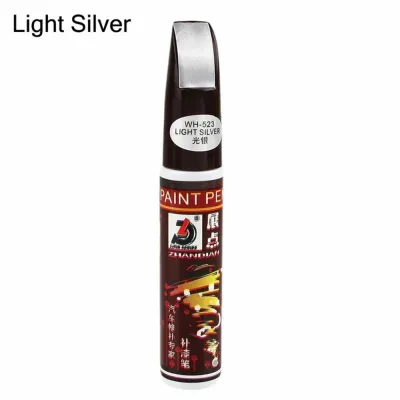
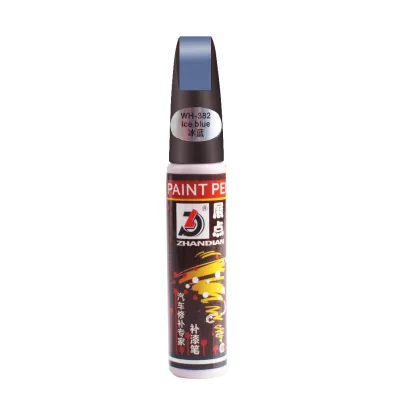
Scratch repair pens serve a different purpose than car polish and are generally less effective for achieving a seamless finish. While polish levels the surrounding clear coat to erase shallow scratches, repair pens typically dispense a clear or colored resin designed to fill deeper chips and gouges. While they can help prevent rust on deep scratches that reach bare metal, they often leave an uneven, visible ridge and rarely match the factory-smooth finish achieved by professional wet sanding, polishing, or paint matching.

Community discussion
Share your experience or ask a question. Comments are reviewed before publication.