
When dealing with unsightly water spots on your vehicle, there is no single product that serves as a universal solution because removing existing mineral deposits and preventing future ones require completely different chemical and physical processes. Car polish is the primary hard water stain remover for etched deposits because it physically levels the surrounding clear coat to erase the damage. However, polishing offers absolutely no protection against future spots. Conversely, ceramic coatings provide the most robust, long-lasting hydrophobic barrier to prevent minerals from bonding to the paint, but they cannot remove existing stains. Car wax offers a temporary, budget-friendly middle ground, providing mild cleaning capabilities in certain formulations alongside short-term protection. Choosing the right approach depends entirely on whether your vehicle currently has etched mineral damage, requires a preventative shield, or needs a complete restoration process.
Understanding Hard Water Stains and Paint Damage
To address water spots effectively, you must first diagnose how deeply the minerals have interacted with your vehicle’s exterior. Hard water contains high concentrations of dissolved minerals, primarily calcium and magnesium. When water evaporates from the paint surface—often accelerated by hot sun and high ambient temperatures—it leaves these minerals behind. These deposits are categorized into distinct stages based on their severity and how they affect the clear coat.
Stage 1 water spots are surface-level mineral deposits that sit on top of the paintwork without bonding chemically. They typically appear as chalky, white rings that can be dissolved with specialized liquid cleaners or a thorough wash. However, if left untreated, environmental heat and sunlight cause these minerals to become highly alkaline, initiating a chemical reaction that eats into the clear coat to create Stage 2 and Stage 3 etching.
Products mentioned in this guide
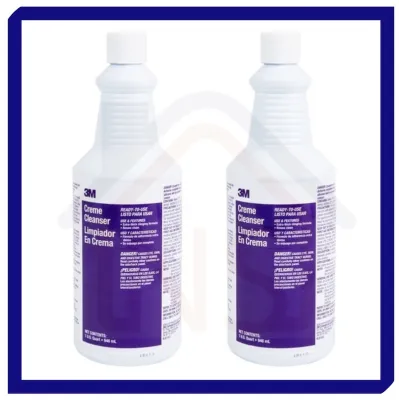
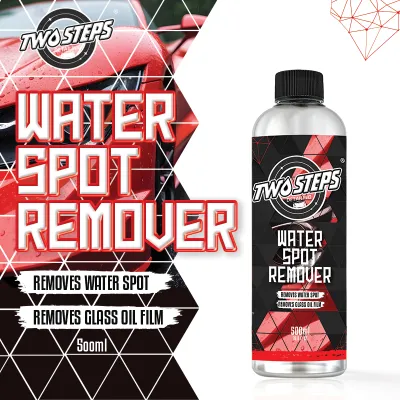
Prices are valid at publication and may change. Please refer to the product page for the latest price.
Etched water spots are physical craters where minerals have chemically carved microscopic valleys into the clear coat. Because the paint itself is structurally altered, you cannot simply wash or dissolve these craters away. Applying wax or sealant directly over etched paint will only trap and highlight these imperfections. Therefore, a precise paint assessment is the essential first step before selecting any treatment.
Polish vs Wax vs Ceramic Coating: How They Handle Stains
Each of these three common automotive care products interacts with your vehicle’s clear coat through distinct chemical and physical mechanisms. Understanding how abrasives, organic sacrificial barriers, and inorganic silica networks function is key to determining when and how to use them.

Car Polish: The Primary Hard Water Stain Remover
Car polish is designed to correct paint defects rather than protect the surface. It contains microscopic abrasives that, when applied with a dual-action polisher or manual pad, act like ultra-fine sandpaper. This process physically shaves down a microscopic layer of the clear coat until it is level with the bottom of the etched craters, restoring a flat, highly reflective surface and eliminating the stains.
However, polishing leaves the paint completely bare and stripped of protection, making it highly vulnerable to oxidation, UV damage, and immediate re-spotting. You must carefully match the cutting level of the polish to the depth of the etching. An overly aggressive compound can unnecessarily thin your clear coat, while a mild finishing polish may lack the cutting power to level deeper craters.
Car Wax: Mild Cleaning and Short-Term Prevention
Car wax, formulated from natural carnauba or synthetic polymers, serves as a temporary sacrificial layer. Some “cleaner waxes” contain mild solvents or very fine abrasives that can lift light, Stage 1 surface-level mineral spots while depositing a thin layer of protection in a single step.
Despite this convenience, pure waxes cannot remove physical etching or deep mineral craters because they lack the abrasive strength to level the clear coat. Additionally, wax is highly sensitive to heat. In warm climates, a traditional wax layer may only last a few weeks to a couple of months. While it provides a budget-friendly hydrophobic barrier that delays new stain formation, it requires frequent reapplication.
Ceramic Coating: Maximum Prevention and Hydrophobicity
Ceramic coatings utilize inorganic silica (silicon dioxide, or SiO2) networks that chemically bond with the clear coat. Once cured, this creates an incredibly hard, glass-like barrier with extreme hydrophobicity. This high surface tension causes water to bead up and roll off easily, drastically reducing the dwell time of water droplets and preventing minerals from settling on the paint.
However, ceramic coatings are strictly preventative and cannot remove existing water spots. Applying a coating over existing stains permanently seals those mineral deposits and etched craters underneath. Furthermore, coatings require meticulous surface preparation, controlled environments, and specific curing times. If you are uncertain about managing flash times or environmental humidity, consulting the manufacturer’s instructions or hiring a professional installer is highly recommended.
Comparison Matrix: Removal vs Prevention Capabilities
To help you determine which product fits your immediate detailing goals, the following matrix compares car polish, car wax, and ceramic coatings across key performance and application dimensions.
| Dimension | Car Polish | Car Wax | Ceramic Coating |
|---|---|---|---|
| Primary Function | Paint Correction & Stain Removal | Light Cleaning & Temporary Protection | Long-Term Stain Prevention |
| Stain Removal Ability | High (Removes etched Stage 2 spots) | Low (Only removes light Stage 1 spots) | None (Seals existing spots) |
| Stain Prevention Ability | None (Leaves paint unprotected) | Moderate (Short-term hydrophobic barrier) | High (Long-term hydrophobic barrier) |
| Durability / Longevity | N/A (Does not protect) | Short (Typically 1 to 3 months) | Long (Can last multiple years) |
| Application Difficulty | Moderate to High (Requires machine or hand polishing) | Low (Simple wipe-on, wipe-off process) | High (Requires precise prep and curing) |
It is important to remember that actual results will vary based on the specific product formulation, the application technique used, and the environmental conditions during both application and daily driving.
How to Choose the Right Hard Water Stain Remover and Protection
Selecting the correct product or combination of products depends on your vehicle’s current paint condition, your budget, and how much time you are willing to dedicate to ongoing maintenance.
You should choose a car polish if your paintwork exhibits visible, rough-textured, or etched water spots that do not wash away with standard shampoo. Polishing is the only reliable method to restore the physical flatness and gloss of the clear coat. However, you must always plan to apply a protective sealant, wax, or coating immediately after polishing to safeguard the freshly exposed paint.
You should choose a car wax if your vehicle has only minor, surface-level water spots, and you are looking for an affordable, user-friendly solution. Wax is ideal for car owners who enjoy maintaining their vehicles on a regular basis and do not mind reapplying protection every few weeks. It provides a decent sacrificial barrier without the high upfront cost or complex application requirements of advanced coatings.
You should choose a ceramic coating if your vehicle’s paint is already fully corrected, free of mineral deposits, and you want the absolute best defense against future water spotting. While the initial cost of high-quality ceramic kits or professional installation is higher, the long-term benefits of easy washing, extreme water beading, and multi-year durability make it a highly efficient choice for long-term paint preservation.
Before starting any paint correction process, always verify the depth of the stains. If the water spots appear exceptionally deep, have a dull or chalky texture, or if you can feel a distinct physical depression with your fingernail, the etching may have penetrated deep into the clear coat. In such cases, attempting aggressive DIY polishing carries a high risk of burning through the clear coat to the base paint. Consulting a professional detailer for a paint depth measurement is the safest course of action.
Step-by-Step Action Plan for Treating and Preventing Stains
To achieve a flawless, spot-free finish without damaging your vehicle’s clear coat, follow this systematic workflow. This sequence ensures you do not trap contaminants or apply protective layers over damaged paint.
Step 1: Wash and decontaminate the vehicle. Begin with a thorough hand wash using a pH-neutral car shampoo to remove loose dirt and road grime. Follow this with a dedicated iron remover and a clay bar treatment. This step is crucial because it removes bonded contaminants, industrial fallout, and rough surface grit, exposing the true condition of the clear coat and preventing scratches during the subsequent polishing phase.
Step 2: Address the mineral stains. For light, surface-level spots, apply a dedicated liquid hard water stain remover, ensuring the product label explicitly states it is safe for automotive clear coats. For etched Stage 2 spots, perform a test spot using a mild finishing polish on a dual-action polisher. If the mild polish does not fully level the spots, gradually step up to a slightly more abrasive compound, verifying the paint’s appearance after each pass.
Step 3: Perform a panel wipe down. Once the polishing is complete, the paint surface will be covered in residual polishing oils and lubricants. Spray the vehicle with an isopropyl alcohol (IPA) solution or a dedicated panel prep spray, then gently wipe it clean with a plush microfiber towel. This step strips away all oils, leaving a completely bare, chemically clean surface that is essential for the next layer to bond properly.
Step 4: Apply your chosen protection. Depending on your decision framework, apply your car wax or ceramic coating. If applying a ceramic coating, work in small sections, pay close attention to the manufacturer’s recommended flash times (when the coating begins to rainbow or haze), and buff off the excess promptly.
Always prioritize safety and product instructions. If you are unsure about the aggressiveness of a polishing compound, the compatibility of a chemical water spot remover with your specific paint type, or the flashing behavior of a ceramic coating, stop immediately. Consult the product manufacturer’s technical support or seek the assistance of a qualified professional detailer to avoid costly paint damage.
Frequently Asked Questions (FAQ)
Can vinegar or household cleaners remove hard water stains from car paint?
While household white vinegar is acidic and can dissolve the calcium carbonate minerals found in Stage 1 water spots, using household cleaners on automotive paint is generally not recommended. Vinegar is unsuited for regular use as it is unbuffered, and other household cleaners often contain harsh surfactants or abrasive agents that can easily etch the delicate clear coat, strip away existing protective waxes, or dry out plastic trim. Automotive-specific hard water stain removers are chemically engineered to be pH-balanced or safely buffered, ensuring they target mineral deposits effectively without compromising the integrity of your vehicle’s clear coat or surrounding rubber seals.
Will hard water stains permanently ruin my car's clear coat?
Yes, if hard water stains are neglected over an extended period, they can cause permanent damage to your vehicle’s paintwork. The highly alkaline minerals, combined with UV radiation and heat, will eventually etch entirely through the clear coat and reach the color coat or primer underneath. Once the clear coat has been fully breached, standard polishing and paint correction techniques can no longer repair the damage, as there is no clear coat left to level. At this stage, the only way to restore the finish is through professional paint respraying, highlighting the critical importance of early intervention and regular paint protection.

Community discussion
Share your experience or ask a question. Comments are reviewed before publication.