
Maintaining a pristine vehicle exterior in Singapore requires a clear understanding of paint care, especially when facing intense tropical UV radiation, sudden heavy downpours, and industrial fallout. Many car owners confuse polishing, waxing, and ceramic coating, often using the terms interchangeably. However, these three treatments serve entirely different purposes in your car care routine. Polishing is a corrective process that removes paint defects, while waxing and ceramic coating are protective measures designed to shield the paint from environmental damage. Choosing the right combination depends on your vehicle’s current paint condition, your budget, and how much time you want to spend on your regular car wash routine.
What Polish, Wax, and Ceramic Coating Actually Do
Many car owners believe that polishing a car adds a layer of protection, but the reality is the exact opposite. Car polish is an abrasive compound designed to remove a microscopic layer of your vehicle’s clear coat. By leveling the paint surface, polishing eliminates fine scratches, swirl marks, oxidation, and water spots that dull the finish. It does not leave behind any protective barrier; instead, it prepares the paint by creating a perfectly smooth, reflective surface that is ready for a protective sealant.
Car wax, on the other hand, is a traditional sacrificial barrier applied on top of the clear coat. Typically formulated from natural carnauba wax or synthetic polymers, it fills in minor surface imperfections to create a warm, deep gloss. Wax provides temporary hydrophobic properties, causing rainwater to bead up and roll off the surface. Because it sits on top of the paint rather than bonding with it, wax acts as a temporary shield against light contaminants, UV rays, and road grime before gradually wearing away.
Products mentioned in this guide
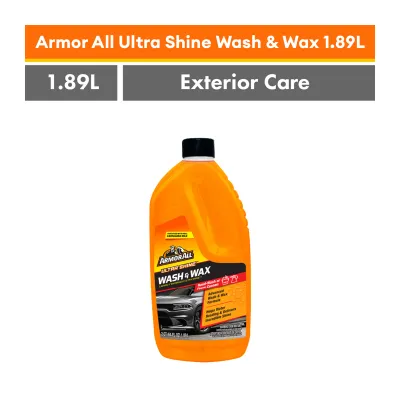
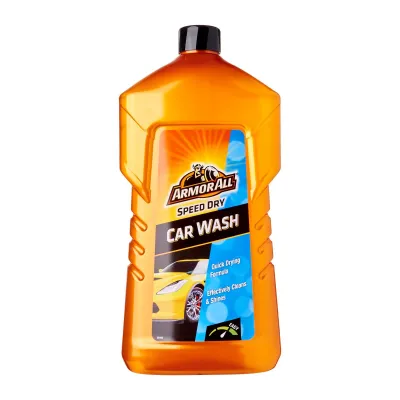
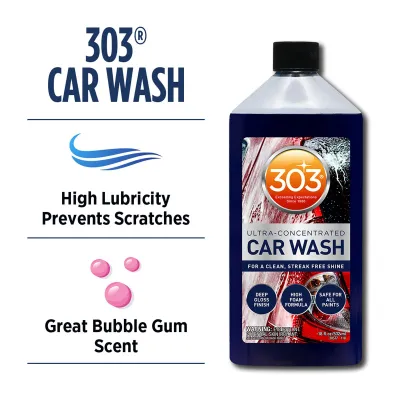
Prices are valid at publication and may change. Please refer to the product page for the latest price.
Ceramic coating represents a more advanced approach. This liquid polymer chemically bonds with the vehicle’s factory clear coat to form a semi-permanent, hard hydrophobic layer. Unlike wax, which sits loosely on the surface, a ceramic coating integrates with the paint to provide a durable shield that resists environmental contaminants, chemical etching, and UV degradation.
Protection, Application, and Durability Compared
When comparing protection levels, ceramic coatings offer the highest resistance to environmental hazards. The chemical bond provides robust defense against acidic contaminants like bird droppings and tree sap, which can quickly etch into clear coats under the hot sun. Car wax offers moderate protection but is easily stripped by harsh chemicals or high heat. Polish provides no protection at all, leaving freshly corrected paint highly vulnerable if not immediately sealed.

The application process varies significantly in difficulty and environment. Applying car wax is an accessible DIY project suitable for a shaded driveway or HDB multi-storey car park wash bay, requiring minimal preparation beyond a thorough wash and dry. In contrast, applying a ceramic coating demands meticulous surface preparation, including chemical decontamination, clay bar treatment, and complete paint correction. Before applying any polish, wax, or ceramic coating, always verify compatibility with your vehicle’s specific paint type and clear coat thickness by consulting the manufacturer’s documentation or product labels. Any imperfections left on the paint will be locked beneath the semi-permanent coating, and improper application can lead to high spots that require machine polishing to remove.
Durability expectations should always be verified against manufacturer guidelines. Traditional car waxes typically require reapplication every few weeks to a few months, depending on weather exposure. Ceramic coatings are designed for long-term performance, with manufacturers claiming durability ranging from one to several years. However, achieving the maximum lifespan of any protective layer depends heavily on proper application, environmental exposure, and your maintenance routine.
How Your Car Wash Routine Influences the Choice
Your preferred car wash routine plays a decisive role in your choice. If you frequently use automated petrol station car washes, the harsh brushes and aggressive detergents will rapidly strip away traditional car wax. A ceramic coating is much more resilient to these washes, though hand washing remains recommended to prevent physical marring. For those who hand wash at local wash bays, a ceramic-coated vehicle is significantly easier to clean because dirt struggles to adhere to the slick, hydrophobic surface.
Maintaining these protective layers requires specific products and techniques. Both waxed and ceramic-coated vehicles should be washed using pH-neutral car wash shampoos that do not contain aggressive stripping agents. When washing a ceramic-coated car, using a dedicated ceramic maintenance wash or booster spray helps rejuvenate the hydrophobic top layer. For waxed cars, a gentle wash preserves the wax layer, though every wash will gradually diminish the sacrificial barrier.
The time investment you are willing to make should guide your decision. Waxing requires a low upfront time commitment but demands recurring effort, as you must reapply the product every few months. Ceramic coating requires a massive upfront time investment—often taking a full weekend for a thorough DIY application or keeping your car in a professional detailing shop for several days. However, once applied, it reduces the time spent on weekly maintenance washes, as dirt slides off with minimal scrubbing.
Evaluating Costs and Value
Assessing the financial commitment of paint protection requires looking beyond the initial purchase price. A DIY approach using consumer-grade car wax or polish is highly cost-effective, requiring only basic products and microfiber towels. Professional detailing services, however, command a premium. Paying a professional for multi-stage paint correction and ceramic coating application represents a significant upfront investment, reflecting the intensive labor, specialized equipment, and controlled environment required.
Hidden costs often catch car owners off guard. You cannot simply apply a ceramic coating or a high-quality wax directly to dirty or contaminated paint. To achieve proper bonding, you must invest in preparation products such as iron removers, clay bars, and isopropyl alcohol wipes to strip old waxes and oils. If the paint has swirl marks, you will also need a dual-action polisher, polishing pads, and compounding agents to correct the paint before applying protection.
To determine the true value, weigh the upfront cost of a ceramic coating against the cumulative cost of waxing over the same period. While a ceramic coating has a high initial cost, it can prove economical over several years by eliminating frequent product purchases and saving hours of labor. Conversely, if you plan to sell your vehicle within a short period, or if you enjoy the therapeutic process of detailing your car on weekends, the lower upfront cost of traditional waxing may offer better value.
Which Paint Protection Should You Choose?
To make the right decision for your vehicle, evaluate its current paint condition, your available time, and your long-term maintenance goals.
Choose Polish if your vehicle’s paint exhibits visible swirl marks, light scratches, water spot etching, or a dull, oxidized appearance. Polishing is not a protective step, but it is an essential corrective measure to restore clarity and gloss before applying protection. If your paint is already smooth and defect-free, you can skip this step entirely to avoid unnecessarily thinning your clear coat.
Choose Wax if you enjoy hands-on weekend car care, prefer a low upfront financial commitment, and do not mind reapplying protection every few months. Wax is ideal for car owners who appreciate the warm, organic glow of carnauba wax and have access to a shaded area or wash bay where they can regularly maintain their vehicle’s finish.
Choose Ceramic Coating if you want long-term, robust protection against the elements, desire a highly hydrophobic surface that makes washing effortless, and are willing to invest the necessary time or money into professional-grade preparation. This option is best for those who commit to safe hand-washing practices and want to preserve their vehicle’s paint with minimal recurring application effort.
Verify first if your vehicle’s clear coat is failing, peeling, or deeply damaged. If you observe large patches of faded paint, white chalky residue, or peeling clear coat, neither polish, wax, nor ceramic coating will resolve the issue. Applying these products over failing paint can cause further damage or result in poor adhesion. In such cases, seek a professional assessment from a reputable paint workshop to discuss respray options before attempting any detailing work.
Frequently Asked Questions (FAQ)
Can I apply wax over a ceramic coating?
While you can physically apply wax over a ceramic coating, it is generally not recommended. Traditional waxes do not bond well to the slick, highly hydrophobic surface of a ceramic coating and will quickly wash away. Furthermore, applying a layer of wax on top of a ceramic coating will mask the superior self-cleaning and water-beading properties of the coating, replacing them with the less efficient properties of the wax. If you want to boost the gloss and protection of your ceramic coating, use a manufacturer-approved ceramic maintenance spray or silica-based topcoat instead.
Do I still need to polish my car before waxing or coating?
Polishing is highly recommended before applying a ceramic coating, but it is optional before applying wax. Because ceramic coatings are semi-permanent and highly transparent, they will lock in and highlight any existing paint defects, such as swirl marks and scratches. Polishing ensures the paint is perfectly smooth, allowing the coating to bond chemically to the clear coat. For waxing, while polishing is not strictly mandatory, performing a light polish or paint decontamination beforehand will significantly improve the wax’s adhesion, durability, and final gloss.
Is a ceramic coating completely scratch-proof?
No, ceramic coatings are not scratch-proof, and claiming so is a common misconception. While a ceramic coating adds a hard sacrificial layer that offers minor resistance to very fine wash marring and light swirl marks, it cannot protect your paint from deeper scratches, key marks, or high-velocity rock chips. If you are looking for robust physical protection against road debris and physical impacts, you should consider installing paint protection film (PPF) on high-impact areas of your vehicle, either on its own or in combination with a ceramic coating.

Community discussion
Share your experience or ask a question. Comments are reviewed before publication.