
Choosing the right paint protection for your vehicle depends on your car’s current paint condition, your budget, and how much time you want to spend on maintenance. While polish, wax, and ceramic coatings are often mentioned together, they serve completely different chemical and mechanical purposes. Polish corrects paint defects but offers no protection, wax provides a temporary sacrificial barrier for a warm gloss, and ceramic coating forms a durable chemical bond to shield your clear coat.
Understanding these differences prevents mismatched expectations and ensures you do not waste time or money on the wrong products. Whether you want to restore a faded daily driver or protect a brand-new vehicle, matching the right treatment to your lifestyle is key to preserving your car’s finish.
Define Your Goal: Correction, Temporary Shine, or Long-Term Shield
To make an informed decision, you must first understand what each product actually does to your car’s clear coat. Car polish is an abrasive treatment designed to mechanically level the paint surface. It contains microscopic abrasives that shave down a tiny fraction of the clear coat to eliminate fine scratches, swirl marks, and oxidation. Because polish only corrects the surface, it leaves the paint completely bare and vulnerable to environmental damage; it must always be followed by a protective sealant.
Products mentioned in this guide
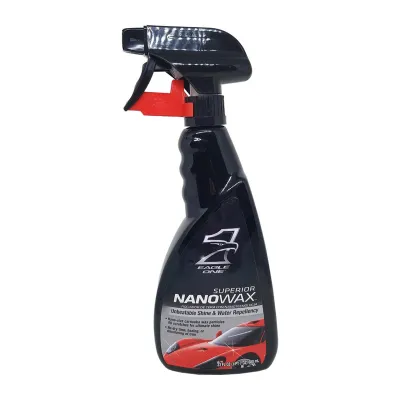
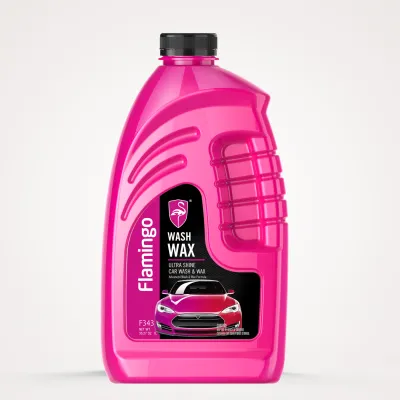
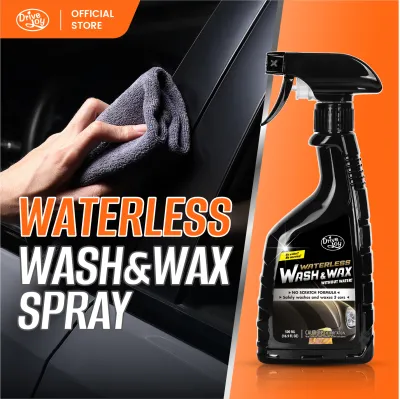
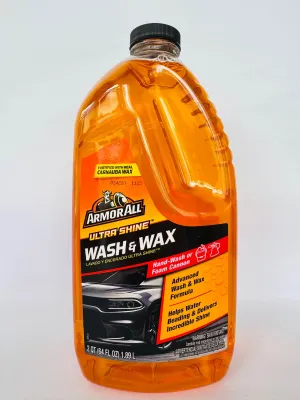
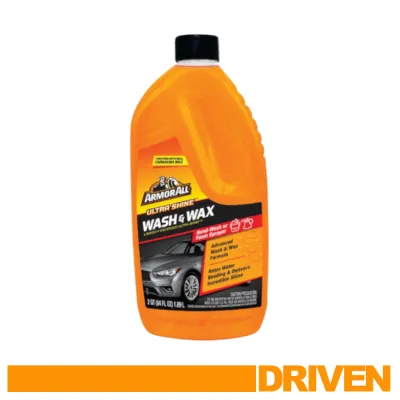
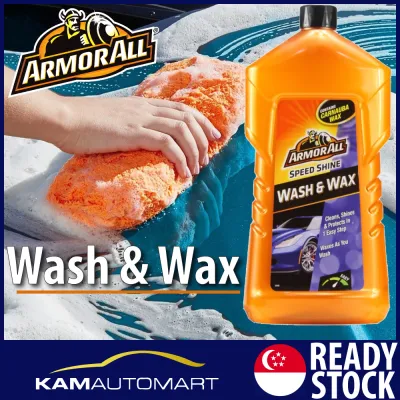
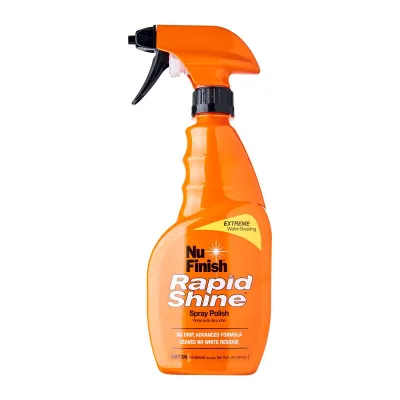
Prices are valid at publication and may change. Please refer to the product page for the latest price.
Car wax, whether derived from natural carnauba or formulated as a synthetic polymer sealant, acts as a temporary sacrificial layer. It sits on top of the clear coat, filling in minor microscopic imperfections to create a smooth surface that enhances gloss and causes water to bead. However, wax does not bond permanently to the paint and will gradually degrade when exposed to heat, UV rays, and road grime.
Ceramic coatings represent a more advanced level of paint protection. These liquid polymers contain silicon dioxide (SiO2) or titanium dioxide, which chemically bond with the factory clear coat to form a hard, hydrophobic glass-like layer. This semi-permanent barrier provides robust protection against UV rays, bird droppings, and chemical stains, while making the vehicle significantly easier to clean.
For routine maintenance, many car owners turn to a car wash and wax shampoo. These products are designed to clean the vehicle while leaving behind a very thin, temporary layer of protective polymers to boost existing gloss. While they are excellent for maintaining a car between major detailing sessions, they do not provide the thickness or durability required to replace a dedicated paste wax or ceramic coating.
Match the Maintenance Commitment to Your Lifestyle
Every paint protection method demands a different level of ongoing effort and application skill. Traditional paste or liquid waxes typically require reapplication every few weeks to a few months, depending on the product and environmental exposure. You should always check the specific manufacturer’s label for the expected lifespan of any wax or sealant, rather than relying on generic marketing claims.

Ceramic coatings offer much greater longevity, often lasting for several years, but they require a strict washing routine to maintain their performance. To prevent degrading the coating, you must wash the vehicle using pH-neutral shampoos and avoid automatic drive-through brush washes, which can inflict fine scratches. You may also need to apply specialized ceramic booster sprays periodically to keep the hydrophobic properties active.
Additionally, environmental factors such as parking under trees, exposure to industrial fallout, and frequent exposure to tropical rain can accelerate the degradation of any protective layer, making regular inspection necessary.
The application process itself also varies wildly in difficulty. Applying wax is a highly forgiving, DIY-friendly task that can be completed in a driveway or a sheltered multi-storey carpark wash bay with basic microfiber towels. Ceramic coatings, however, require a controlled environment free of dust, wind, and direct sunlight, alongside a precise application technique to avoid leaving uneven “high spots” that can only be removed by machine polishing.
Inspect Your Paint to Determine the Required Preparation
Before applying any protection, you must perform a thorough visual and tactile inspection of your car’s paintwork. Wash and dry the vehicle completely, then examine the panels under direct sunlight or a strong LED light to identify swirl marks, water spots, and oxidation. To check for bonded contaminants, place your hand inside a clean plastic sandwich bag and gently run it over the paint; if the surface feels rough, it requires clay bar decontamination.
When performing the plastic bag test, ensure the paint is completely cool to the touch and out of direct sunlight, as hot panels can cause the plastic to stick or distort your tactile feedback.
Applying a wax or ceramic coating over uncorrected paint will lock in these defects and make them even more visible. Because protective coatings and waxes increase the paint’s reflectivity, they amplify any underlying scratches or dullness rather than hiding them.
Polishing is generally a mandatory prerequisite for ceramic coatings to ensure the chemical bond forms correctly on a bare, smooth surface. Wax is slightly more forgiving and can be applied over minor imperfections, though the final gloss will still be limited by the condition of the paint underneath.
Before attempting any DIY paint correction, you must establish a clear stop condition. If you observe clear coat failure, such as peeling, cracking, or white chalky patches, the paint is too thin to be safely polished. In these situations, halt any DIY attempts and consult a professional detailer or paint specialist to avoid causing permanent damage to the vehicle’s finish.
Balance Upfront Costs with Reapplication Frequency
Evaluating the financial investment of each method requires looking at both immediate costs and long-term value. A basic DIY setup consisting of a high-quality liquid wax, clay bar, and microfiber towels is highly affordable, typically costing between S$50 and S$100. In contrast, a professional ceramic coating service is a premium investment, often ranging from S$500 to over S$2,000 depending on the vehicle’s size and the level of paint correction needed.
If you choose to apply a ceramic coating yourself to save on labor, you must account for the hidden costs of specialized equipment. Achieving professional-grade preparation usually requires purchasing a dual-action orbital polisher, various foam pads, polishing compounds, and isopropyl alcohol prep sprays. These tools can easily add S$200 to S$500 to your initial DIY budget.
Furthermore, professional ceramic coatings often come with specific warranty terms that require annual inspections or maintenance washes by the installer, which can introduce recurring costs over the lifespan of the coating.
Your vehicle ownership timeline should also influence your decision. If you plan to sell or trade in your car within a year, a multi-year ceramic coating may not provide a practical return on investment. For short-term ownership, a regular routine of polishing out minor defects and applying a high-quality synthetic wax is often the most economical approach.
Final Decision Framework: Choose Based on Your Car and Routine
To finalize your choice, match your vehicle’s current condition and your personal maintenance preferences to the right product category.
Choose Polish if your car’s paint has visible swirl marks, light scratches, or a dull, oxidized appearance that must be leveled. Keep in mind that polishing is a corrective step and must always be followed by a protective layer of wax or sealant to protect the bare paint.
Choose Wax if you enjoy regular weekend car care, prefer a warm, deep gloss, and want a low-risk, affordable DIY application that does not require expensive machine tools or strict environmental controls.
Choose Ceramic Coating if you want long-term, highly durable protection against UV rays and environmental contaminants, desire a highly hydrophobic surface that makes routine washing effortless, and are willing to invest the time or money into professional-grade paint preparation.
Verify first if you are unsure about your vehicle’s clear coat thickness, suspect previous paint repairs, or if your car features a factory matte or satin paint finish. Matte finishes require specialized, non-abrasive products, as standard polishes and waxes will permanently ruin the matte effect by adding unwanted gloss. Always consult your vehicle’s owner manual or a certified professional detailer before proceeding.
Frequently Asked Questions (FAQ)
Can I apply wax over a ceramic coating?
While you can physically apply a traditional wax over a ceramic coating, it is generally not recommended. Traditional carnauba waxes can clog the microscopic structure of the ceramic coating, masking its superior hydrophobic properties and self-cleaning effects. Instead of shedding water and dirt, the surface may begin to behave like a waxed surface, attracting more dust. If you want to boost the gloss and protection of your coating, use a dedicated, silica-based ceramic maintenance spray or booster recommended by the coating manufacturer.
Does a car wash and wax shampoo replace dedicated wax?
No, a car wash and wax shampoo does not replace a dedicated paste wax, liquid sealant, or ceramic coating. These combination shampoos are designed for routine maintenance, leaving behind a very thin, temporary layer of protective polymers to boost gloss and water beading between major detailing sessions. They lack the thickness, durability, and heat resistance required to protect your paintwork over the long term, especially under harsh environmental conditions.
Do I need to polish before applying a ceramic coating?
Yes, mechanical decontamination and polishing are highly recommended, and often mandatory, before applying a ceramic coating. The coating must form a direct chemical bond with the clear coat. Any remaining dirt, oils, old wax, or paint defects will prevent the coating from bonding properly, leading to premature failure. Polishing also ensures that the paint is as optically clear as possible, as any scratches or swirls left behind will be locked under the semi-permanent ceramic layer and made more visible.

Community discussion
Share your experience or ask a question. Comments are reviewed before publication.