
When you notice unsightly, chalky white rings drying on your car’s paintwork, your immediate instinct is to find a product that will make them disappear. However, comparing car polish, car wax, and ceramic coatings as direct alternatives for removing hard water spots rests on a fundamental misunderstanding of how these products interact with automotive paint.
Neither car wax nor ceramic coating is capable of removing existing hard water spots. These products are strictly protective barriers. Applying them over mineral deposits will not clean the paint; instead, it will seal the minerals beneath a durable layer, trapping them against your clear coat and making them significantly harder to remove later.
Car polish is the only product in this comparison designed to physically remove hard water spots that have etched into the paint. Polish uses microscopic abrasives to level the surrounding clear coat, erasing the physical crater left behind by the minerals. Alternatively, dedicated chemical hard water removers can dissolve surface-level minerals before they have a chance to etch into the paint.
Products mentioned in this guide
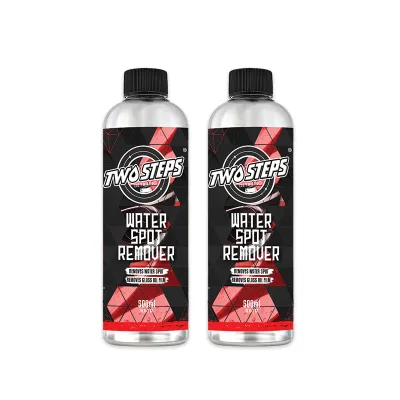
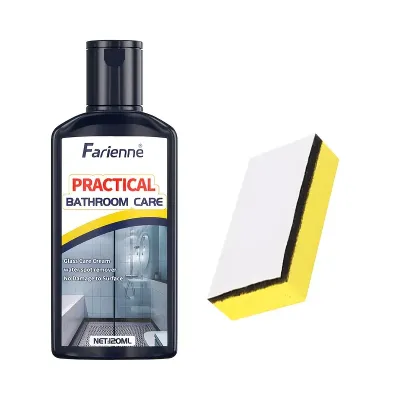
Prices are valid at publication and may change. Please refer to the product page for the latest price.
Therefore, the true comparison is not between polish, wax, and ceramic coating as direct competitors, but rather as sequential steps in a complete paint restoration and protection strategy. Polish is the tool for removal, while wax and ceramic coatings are the tools for prevention. Resolving water spots permanently requires a two-step approach: first, completely clear the existing mineral damage, and second, apply a durable protective shield to prevent future minerals from bonding to the paint.
How Each Product Actually Handles Hard Water Spots
To understand how to manage water spots, you must first understand what they are. Hard water spots are mineral deposits—primarily calcium, magnesium, and silica—that remain on your vehicle’s surface after mineral-rich water evaporates. In tropical environments like Singapore, intense sun and high ambient temperatures accelerate this evaporation, leaving highly alkaline mineral rings on the paintwork. Over time, these minerals react with atmospheric heat and acid rain, physically etching into the clear coat and creating microscopic craters.
Car Polish: The Actual Remover
Car polish is formulated with microscopic abrasive particles suspended in a liquid emulsion. When worked over the paint, either by hand or using a dual-action machine polisher, these abrasives act like ultra-fine liquid sandpaper. They gently shave away a microscopic layer of the clear coat to match the depth of the etched water spot, effectively erasing the physical crater and restoring a flat, highly reflective surface.
Polishes exist on a wide spectrum of abrasiveness. Light finishing polishes are designed for minor, surface-level water spots that have only slightly dulled the paint. Heavy cutting compounds, on the other hand, are formulated with larger, more aggressive abrasives to tackle deep, stubborn mineral etching.
Because polishing is a subtractive process, it removes a measurable amount of your vehicle’s clear coat. Modern factory paint systems feature incredibly thin clear coats, often measuring only 35 to 50 microns. Over-polishing or using overly aggressive compounds can quickly wear through this protective layer, exposing the delicate base paint underneath and requiring expensive professional respraying. Always check your vehicle manufacturer’s paint guidelines and start with the least aggressive polish and pad combination first.
Car Wax: The Temporary Shield
Car wax, whether formulated from natural Brazilian carnauba or synthetic polymers (often called paint sealants), works by filling the microscopic pores and imperfections of the clear coat. This creates an exceptionally smooth surface that lowers surface tension, making the paint highly hydrophobic.
When water lands on a waxed surface, it beads up into tight droplets. Because the surface is hydrophobic, gravity or wind from driving easily pushes these beads off the panel before they can dry and deposit minerals. This prevents the initial formation of water spots.
However, wax is a temporary shield. It lacks strong chemical bonds with the paint and merely sits on top of the clear coat. Under constant exposure to intense ultraviolet (UV) radiation, high humidity, tropical temperatures, and harsh alkaline car wash detergents, wax degrades rapidly. In warm, humid climates, a natural carnauba wax may only last three to six weeks, while a high-quality synthetic sealant might survive two to three months. Furthermore, wax cannot fill or hide deep, existing water spot etches; in fact, applying wax over unpolished, etched paint often highlights the outlines of the spots under direct sunlight.
Ceramic Coating: The Long-Term Shield
Ceramic coatings are liquid polymers formulated with silicon dioxide (SiO2) or silicon carbide (SiC). Unlike wax, which sits on the paint, ceramic coatings chemically bond with the clear coat at a molecular level. As the solvent carrier cures, it forms a semi-permanent, glass-like sacrificial layer over the paint.
This layer is extremely hydrophobic, creating water contact angles often exceeding 110 degrees. Water beads up so tightly that it rolls off the surface with minimal effort. Because the cured ceramic layer is exceptionally smooth and chemically resistant, it prevents highly alkaline minerals—such as calcium carbonate or concrete run-off from multi-storey car parks—from gripping or etching into the paintwork.
However, this superior protection comes with strict trade-offs. Ceramic coatings are significantly more expensive than wax, with professional applications in Singapore ranging from several hundred to over a thousand SGD. DIY kits are available but require meticulous, flawless paint correction (polishing) beforehand. Any scratch, swirl, or water spot left on the paint will be locked beneath the glass-like coating, visible and impossible to remove without physically compounding off the coating itself.
The Correct Workflow: Remove First, Protect Second
To restore your vehicle’s paintwork safely and prevent future mineral damage, you must follow a structured, professional-grade detailing workflow. Skipping steps or applying products out of order can lead to permanent clear coat damage or premature failure of your protective layers.

Step 1: Wash and Decontaminate
Start by thoroughly washing the vehicle using a pH-neutral car shampoo and the two-bucket method to remove loose dirt and road grime. After rinsing, apply a dedicated iron remover to dissolve embedded metallic fallout. Follow this with a clay bar treatment, using a dedicated clay lubricant, to gently pull away bonded surface contaminants like tree sap, overspray, and industrial fallout. This ensures the paint is completely smooth and free of debris that could cause deep scratches during the polishing stage.
Step 2: Chemical or Mechanical Removal
Before using abrasive polishes, test a dedicated chemical hard water remover. These are typically mild, acidic solutions formulated to dissolve the alkaline mineral bonds of calcium and magnesium without abrading the clear coat. Apply the product strictly according to the manufacturer’s instructions, ensuring you do not let it dry on the paint, and rinse thoroughly.
If the water spots remain, they have progressed to Stage 2 etching, meaning they are physically carved into the clear coat. In this scenario, mechanical removal is required. Use a dual-action (DA) machine polisher equipped with a polishing pad and a fine finishing polish. Work in small, controlled sections (typically 50cm x 50cm) using light to moderate pressure to level the clear coat.
Step 3: Panel Wipe
Once the paint is free of water spots, the surface will still be coated in invisible polishing oils, lubricants, and surfactants left behind by the polish compound. If you attempt to apply a wax or ceramic coating directly over these oils, the protective layer will fail to bond, leading to rapid degradation. Spray a dedicated panel wipe or a diluted isopropyl alcohol (IPA) solution (typically 15% to 30% concentration) onto a clean microfiber towel and gently wipe down the corrected panels to reveal bare, chemically clean paint.
Step 4: Apply Protection
With the clear coat completely clean and bare, apply your chosen protective layer. If using a car wax, apply a thin, even coat using a foam applicator pad, allow it to haze according to the manufacturer’s instructions, and buff it off with a clean microfiber cloth.
If applying a ceramic coating, work in a shaded, dust-free, well-ventilated environment. Apply the coating in small sections using a cross-hatch pattern, observe the “flashing” time (when the liquid beads up or rainbow-colors, typically 1 to 3 minutes depending on temperature and humidity), and immediately level and buff the residue with high-quality microfiber towels.
Safety Boundary: Abrasive paint correction carries inherent risks. If you are unsure of the depth of the water spot etching, or if you lack experience with a dual-action machine polisher, do not attempt aggressive compounding. Doing so can permanently burn through the clear coat, exposing the delicate base paint. Stop and consult a certified professional detailer who can measure your paint thickness with a digital gauge and safely correct the surface. Always check the specific labels of any chemical spot removers to ensure they are safe for your paint type, glass, or plastic trims.
Comparison Matrix: Polish vs Wax vs Ceramic Coating
The following matrix summarizes how these three product classes compare across the key dimensions of water spot management, protection, and application difficulty.
| Product Type | Primary Function | Mechanism of Action | Durability of Protection | Skill/Equipment Required |
|---|---|---|---|---|
| Car Polish | Removes existing spots and etches | Abrasive leveling of the clear coat | None (Leaves paint bare and unprotected) | Moderate to High (Machine polisher recommended) |
| Car Wax | Prevents future spots | Hydrophobic barrier (sits on paint) | 1 to 3 months (Degrades under heat/UV) | Low (Simple hand application) |
| Ceramic Coating | Prevents future spots | Chemical SiO2 molecular bond | 1 to 5+ years (Highly chemical resistant) | High (Requires flawless prep & controlled environment) |
While car polish is highly effective at restoring damaged paint, it offers absolutely no ongoing protection. Once you polish a panel, the clear coat is completely bare. If exposed to rain or tap water without a follow-up protective layer, new water spots will form almost immediately and bond even more aggressively to the unprotected paint.
Car wax provides a quick, accessible entry point for protection. It requires no specialized tools and can be applied in almost any shaded environment. However, its low durability means it is not a set-and-forget solution. It must be reapplied regularly, especially if the vehicle is parked outdoors and subjected to heavy rain and intense sunlight.
Ceramic coatings represent the pinnacle of preventative care. The chemical bond created by SiO2 is highly resistant to both acidic rain and alkaline cleaning chemicals, meaning it will not wash off during routine maintenance. However, the high skill barrier and strict preparation requirements mean that DIY application can be risky for beginners, often making professional installation the safer choice.
Decision Guide: Which Product Do You Need Right Now?
Choosing the right product depends on the current condition of your vehicle’s paint, your budget, and how much time you are willing to invest in maintenance.
- Choose Polish if: You can feel the outlines of the water spots when running a clean fingernail gently over the paint, or if the spots remain highly visible under direct sunlight even after a thorough wash. This indicates the minerals have etched into the clear coat, and physical leveling is the only way to restore a smooth, glossy finish.
- Choose Wax if: Your paint is already clean, smooth, and free of defects, and you are looking for an affordable, straightforward way to protect your vehicle. Wax is ideal for car owners who enjoy washing and maintaining their vehicles themselves on a regular weekend basis and do not mind reapplying protection every few months.
- Choose Ceramic Coating if: You want the absolute highest level of protection against the harsh elements, concrete run-off, and acid rain. It is the best choice if you prefer a low-maintenance regime where dirt and water wash off effortlessly, and you are willing to invest either the time for meticulous DIY preparation or the financial cost of professional application.
- Verify First if: You are unsure of the severity of the water spots. Before purchasing expensive polishes or booking a ceramic coating service, perform a simple test. Wash the car thoroughly, then apply a clean microfiber towel soaked in a mild, diluted white vinegar solution (or a dedicated chemical water spot remover) to a small, inconspicuous spot for 30 to 60 seconds. Gently wipe the area. If the spot vanishes completely, the minerals were merely sitting on the surface (Stage 1), meaning you do not need aggressive abrasive polishing and can proceed straight to applying protection. If the spot remains, the clear coat is etched, and you must use polish.
Frequently Asked Questions (FAQ)
Can I apply wax or ceramic coating directly over hard water spots?
Strictly avoid applying any protective wax, sealant, or ceramic coating directly over existing hard water spots. Doing so will seal the mineral deposits beneath the protective barrier, trapping them against your clear coat. This not only locks in the unsightly, dull appearance of the spots but also makes them incredibly difficult to remove later. To fix the paint afterward, you would have to use aggressive chemical strip washes or abrasive polishes to wear through your newly applied protective layer first, wasting both time and money. Always ensure the paint is chemically and physically decontaminated before applying any form of protection.
Will polishing my car too often damage the clear coat?
Yes, excessive polishing will permanently damage your car’s clear coat. Because car polish relies on physical abrasives to level the paint, every polishing session removes a microscopic layer of the clear coat. Factory clear coats are very thin, and once they are worn down too far, the paint will suffer from clear coat failure (peeling and oxidation), which can only be fixed by a complete respray. To preserve your paint’s thickness, limit heavy compounding or aggressive machine polishing to once a year at most, or only when absolutely necessary. For routine maintenance, rely on non-abrasive chemical hard water removers, proper washing techniques, and high-quality ceramic coatings or waxes to prevent spots from forming in the first place.
Community discussion
Share your experience or ask a question. Comments are reviewed before publication.