
Selecting the ideal car seat cover is not a matter of finding a single, universally superior material. Instead, the right choice depends on how you balance spill protection, daily comfort, local climate conditions, and your budget. In a warm and humid environment like Singapore, where cabin temperatures can rise rapidly under the sun, material characteristics directly impact your daily driving experience. To find the perfect match, you must evaluate how different options handle heat, moisture, wear, and maintenance.
This guide examines four primary seat cover materials: plastic, leather (including faux leather), fabric, and breathable mesh. Each material serves a distinct purpose, ranging from absolute liquid barriers to high-airflow designs. By understanding the practical trade-offs of each option, you can select a cover that protects your vehicle’s interior while maintaining a comfortable cabin environment.
Core Characteristics of Each Seat Cover Material
Every seat cover material is engineered with specific physical properties that dictate how it performs under daily use. Manufacturers design these accessories to target different user priorities, meaning that a benefit in one area often requires a compromise in another. To make an informed decision, you must evaluate these materials against four key criteria: protection, comfort, maintenance, and climate adaptability.
Products mentioned in this guide
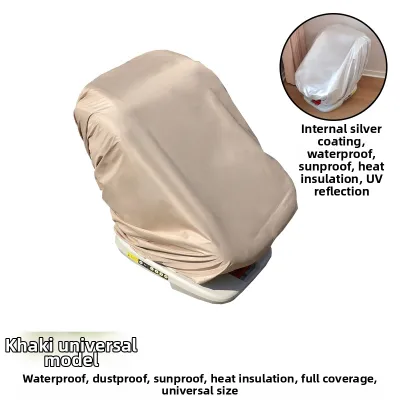
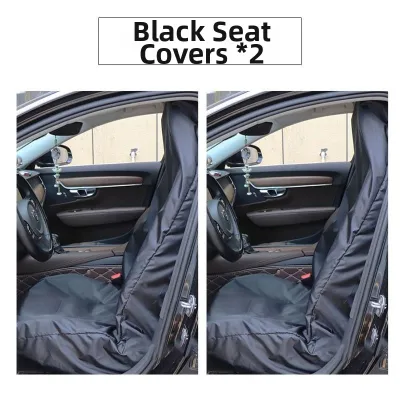
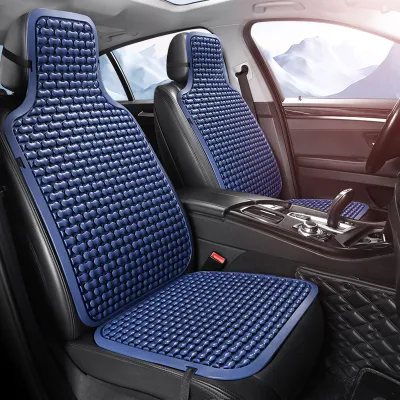
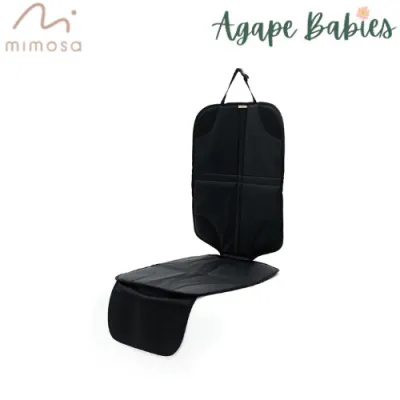
Prices are valid at publication and may change. Please refer to the product page for the latest price.
Rather than searching for an all-around winner, view each material as a specialized solution. Some drivers require heavy-duty defense against wet gear or pets, while others prioritize a cool, sweat-free commute. Understanding the baseline traits and inherent limitations of each material will help you align your purchase with your actual driving habits.
Plastic and Vinyl Seat Covers
A car seat plastic cover, often blended with or referred to as vinyl, is designed primarily for maximum liquid resistance. These covers act as an impermeable barrier, preventing water, mud, sweat, and chemical spills from reaching the original upholstery underneath. Because they do not absorb moisture, cleaning typically requires nothing more than a quick wipe with a damp cloth. This makes them highly practical for work vehicles, utility transport, or temporary protection after outdoor activities.
However, this complete lack of porosity presents significant trade-offs in daily comfort. Plastic and vinyl covers do not allow air to circulate, which can lead to heat buildup and a sticky feeling against your skin, particularly during hot afternoons. In intense sunlight, the surface temperature of plastic can become exceptionally hot. When shopping for these covers, it is essential to check the product label for material thickness, seam welding quality, and UV-resistance ratings to ensure the cover will not crack or degrade prematurely under constant sun exposure.
Leather and Faux Leather Options
Leather and faux leather (often labeled as PU, vegan leather, or leatherette) offer a premium aesthetic that closely mimics or preserves a luxury vehicle interior. These materials provide a balanced level of protection, as they are generally resistant to immediate liquid spills and can be wiped clean before stains set in. Their smooth surface also resists dust, pet hair, and dry debris, making them a durable choice for drivers who want to maintain a polished look over several years.
The primary limitation of solid leather and faux leather is their tendency to absorb and retain ambient heat. On warm days, stepping into a car with sun-exposed leather seats can be uncomfortable. To mitigate this, many manufacturers offer perforated designs that incorporate tiny punctures to facilitate minor airflow. Additionally, genuine leather requires regular application of specialized conditioners to prevent drying and cracking, while faux leather options generally require less specialized upkeep but may wear down faster at the seams.
Fabric and Cloth Covers
Fabric and cloth seat covers, typically made from polyester, canvas, or neoprene blends, are favored for their excellent temperature neutrality and soft tactile feel. Unlike plastic or leather, fabric does not become excessively hot in the sun or freezing in cold weather, providing immediate comfort when you enter the vehicle. The material naturally breathes, absorbing minor body moisture and preventing the sticky sensation associated with non-porous covers.
The main drawback of fabric is its susceptibility to liquid absorption. Spills, mud, and odors can quickly penetrate the fibers, leading to deep-set stains and persistent smells if not treated immediately. While some fabric covers feature factory-applied stain-resistant treatments on the product label, they still require regular vacuuming and occasional deep extraction cleaning. Canvas options offer higher durability and water resistance but sacrifice some of the softness found in lighter polyester knit covers.
Breathable Mesh Covers
Breathable mesh covers are engineered specifically to maximize airflow and provide ergonomic support. Constructed with an open, woven pattern, these covers allow air to circulate freely between your body and the seat backrest, significantly reducing sweat and heat buildup during long drives. Many mesh options are designed as partial overlays or inserts that feature integrated lumbar support, making them a popular choice for drivers seeking relief from back strain.
Because of their open-weave construction, mesh covers offer virtually no protection against liquid spills, fine dust, or sharp objects. Liquids will pass directly through the mesh onto the underlying seat upholstery, and small crumbs can become trapped within the weave itself. Consequently, mesh is rarely used as a full-enclosure cover; instead, it serves as a functional comfort layer placed over existing seats that are already durable or easily cleaned.
Comparing Materials Across Key Decision Dimensions
To choose the right seat cover, you must weigh the physical trade-offs of each material across the core dimensions of protection, comfort, and maintenance. No single material excels in every category, so your choice should reflect which trade-offs you are most willing to accept.

When evaluating protection and durability, liquid resistance must be balanced against abrasion resistance. Plastic and leather covers excel at blocking liquids, making them ideal for preventing deep upholstery damage from spilled drinks or wet pets. However, thin plastic covers can be prone to punctures from sharp objects or pet claws. Fabric and heavy canvas covers offer excellent resistance to tearing and abrasion, but they will absorb liquids unless treated with a specialized water-repellent coating. When comparing durability, check the product packaging for denier ratings (which measure fiber thickness in fabrics) or overall material thickness specifications.
Comfort and climate adaptability are heavily influenced by how a material manages heat and airflow. In warm, tropical climates like Singapore, solid plastic and non-perforated faux leather can trap body heat, leading to discomfort during extended commutes. Fabric and mesh covers excel in these conditions by allowing heat to dissipate and promoting natural ventilation. If your vehicle is frequently parked in direct sunlight, fabric or highly ventilated mesh will remain comfortable to sit on immediately, whereas plastic or dark leather will require the cabin air conditioning to run for several minutes before the surface is safe to touch.
Maintenance and cleaning requirements vary significantly by material structure. Plastic and vinyl covers are the easiest to maintain, requiring only a simple wipe-down with mild soap and water. Leather requires periodic conditioning to maintain its flexibility and prevent UV damage. Fabric covers demand more intensive upkeep, including regular vacuuming to remove dust and pet dander, as well as machine washing or wet extraction for deep stains. When cleaning any seat cover, always avoid harsh chemical solvents or bleach, which can degrade the material fibers, strip protective coatings, or damage the underlying seat sensors.
Decision Framework: Matching Material to Your Driving Profile
Selecting the right seat cover requires matching the material’s strengths to your specific daily routine, passenger profile, and vehicle usage. Use the following guidelines to identify which option aligns with your driving needs:
Choose plastic or vinyl if your primary goal is absolute spill protection and low-effort cleaning. This material is highly suited for commercial work vehicles, utility transport, drivers who frequently carry wet sports gear, or those who regularly travel with pets and young children. It offers a budget-friendly barrier where utility and liquid defense outweigh thermal comfort.
Choose leather or faux leather if you want to maintain a premium, upscale cabin aesthetic while retaining good spill resistance. This option is ideal for daily commuters who want a clean, professional look that can be easily wiped down after occasional spills, provided they are willing to manage surface heat or opt for perforated designs.
Choose fabric if everyday tactile comfort, temperature neutrality, and a soft feel are your top priorities. Fabric is excellent for family cars where passengers prefer a cozy seating surface and where the risk of major liquid spills is low or can be managed with immediate spot cleaning.
Choose mesh if your driving environment demands maximum airflow to combat heat and humidity, or if you require additional ergonomic back support. Mesh is best utilized as a comfort-focused overlay when the underlying seats do not require heavy liquid protection.
Before making a final purchase, always verify your specific vehicle requirements. If you use child safety seats, ensure the cover material does not interfere with the secure installation of the seat base. If you have specialized orthopedic needs, look for covers that accommodate custom lumbar inserts without compromising the fit of the cover itself.
Fitment, Safety, and Installation Checks
Regardless of the material you choose, vehicle safety and proper fitment must always take precedence over aesthetic preferences. Installing an incompatible or poorly fitted seat cover can compromise critical safety systems and vehicle controls.
Airbag compatibility is the most critical safety factor when selecting a seat cover. Many modern vehicles feature side-impact airbags integrated directly into the outer edges of the front seat backrests. If you install a standard, fully enclosed seat cover over these seats, the airbag may fail to deploy correctly in an accident, risking severe injury. You must check your vehicle owner’s manual to confirm the location of your airbags, and verify that the seat cover packaging explicitly states it is compatible with side airbags. These compatible covers feature specialized breakaway seams or open sides designed to tear open instantly upon airbag deployment. If you are unsure about compatibility, stop the installation and consult a qualified automotive professional.
Fitment types generally fall into three categories: universal, semi-custom, and custom-fit. Universal covers are designed to fit a wide range of vehicle shapes but may bunch up, slide, or leave gaps on specialized seats. Semi-custom covers offer a closer fit for specific vehicle classes, while custom-fit covers are tailored to your exact vehicle make, model, and year. To ensure a secure fit that does not slip during driving, verify your vehicle details against the manufacturer’s compatibility database before purchasing.
During installation, you must follow the manufacturer’s routing instructions precisely. Ensure that all mounting straps, hooks, and elastic bands are routed clear of seat adjustment tracks, power seat motors, and lumbar adjustment mechanisms. Most importantly, the seat cover must not obstruct or cover seatbelt buckles, shoulder belt guides, or rear seat LATCH anchors used for securing child safety seats. A cover that interferes with these components compromises passenger safety and may violate local road safety regulations.
Frequently Asked Questions (FAQ)
Can I use a plastic seat cover over heated or ventilated seats?
Using a solid plastic or vinyl seat cover over heated or ventilated seats is not recommended. Plastic acts as a thermal and physical barrier, blocking the airflow from ventilated seats and preventing heat transfer from heated elements, which negates the comfort benefits of these features. Furthermore, trapping heat beneath an impermeable plastic layer can cause the seat’s heating elements to overheat, potentially damaging the internal wiring or the seat upholstery itself. Always check your vehicle manufacturer’s guidelines and the seat cover’s thermal specifications before covering climate-controlled seats.
How do I know if a seat cover will fit my car's specific seat shape?
To determine if a seat cover will fit, you must measure your seat’s physical dimensions—specifically the cushion width, cushion depth, and backrest height—and compare them directly to the manufacturer’s sizing chart. Additionally, inspect your seats for specific design features such as integrated (non-adjustable) headrests, built-in armrests, side airbags, and split-folding rear configurations (such as 60/40 or 50/50 splits). Standard universal covers often do not accommodate these specialized features, so you may need to select a semi-custom or custom-fit option designed specifically for your vehicle’s configuration.

Community discussion
Share your experience or ask a question. Comments are reviewed before publication.