
When the exterior plastic trim of your car begins to fade from a deep black to a dull, chalky gray, finding the right corrective product is essential to restore its original appearance. For unpainted, textured exterior plastic trim, a dedicated plastic restorer is generally the correct choice to address fading and UV damage. Car wax is formulated specifically for paint protection, while car polish is designed for paint correction; using either of these paint-focused products on bare, textured plastic can cause stubborn white residue, permanent staining, or fail to restore the lost color entirely.
In tropical climates like Singapore, where vehicles are constantly exposed to intense sunlight, high UV levels, and sudden downpours, exterior plastics degrade rapidly. Whether your car is parked in an open-air HDB car park or driven daily along humid expressways, the combination of heat and moisture accelerates the breakdown of plastic polymers. Understanding the distinct differences between restorers, waxes, and polishes ensures you apply the correct treatment to protect your vehicle’s aesthetics and structural integrity.
Identify Your Trim Type Before Choosing a Product
Before purchasing any detailing product, you must determine the exact nature of the plastic trim on your vehicle. Exterior trim generally falls into two categories: unpainted textured plastic and painted or clear-coated plastic. Applying the wrong product to either surface can lead to unsightly cosmetic damage that is difficult to reverse.
Products mentioned in this guide
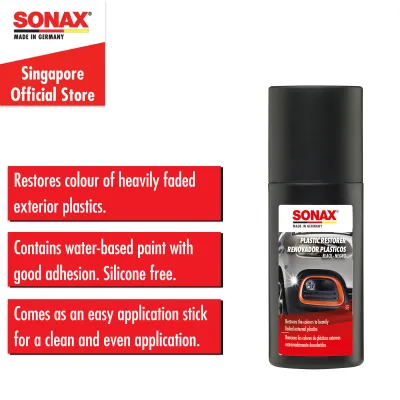
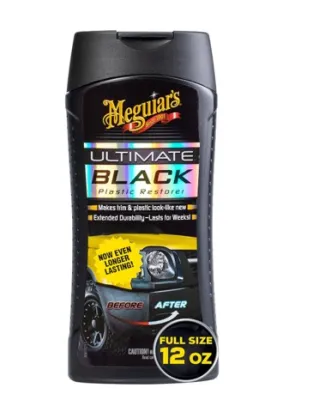
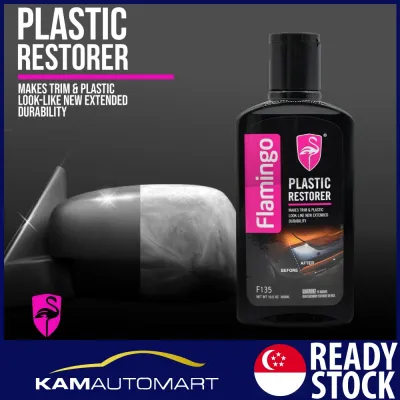
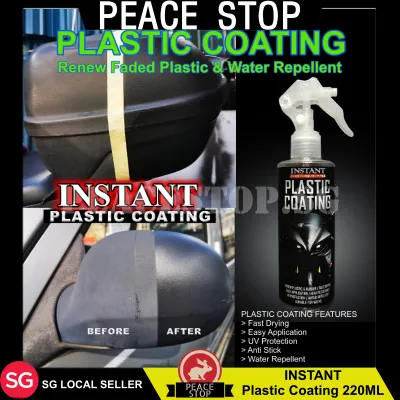
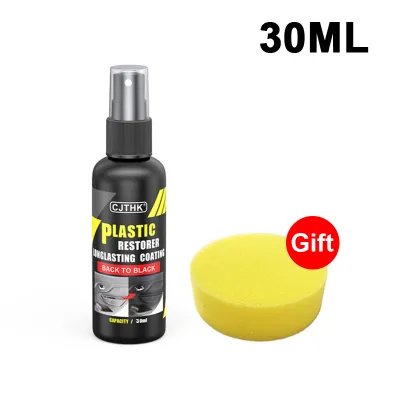
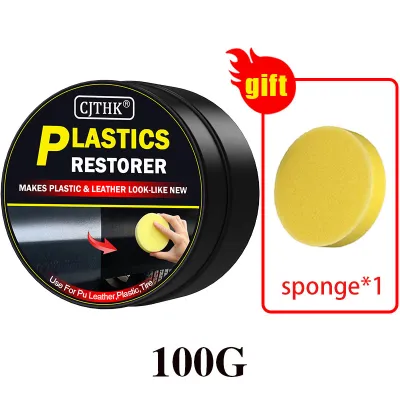
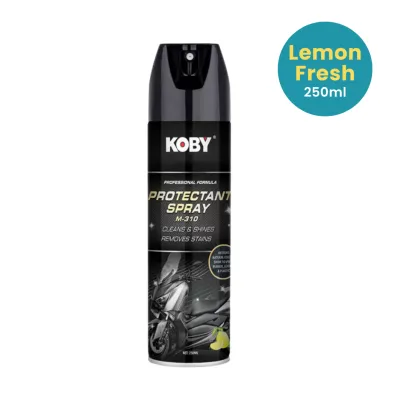
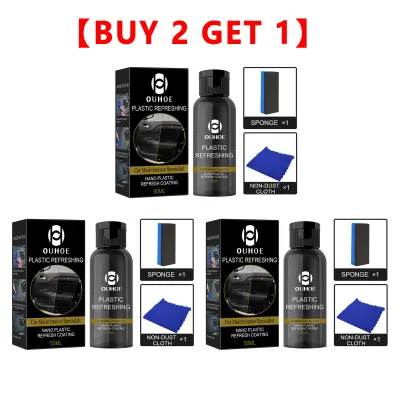
Prices are valid at publication and may change. Please refer to the product page for the latest price.
To identify unpainted textured plastic, perform a quick visual and tactile inspection. This material typically has a matte or satin finish and a slightly grainy, rough, or porous texture to the touch. Common examples include the rugged cladding around wheel wells, lower bumper lips, side mirror housings, and window cowl panels. Because this plastic lacks a protective paint or clear coat layer, its porous surface is directly exposed to environmental elements, making it highly susceptible to fading and drying out.
Conversely, painted or clear-coated plastic trim is smooth to the touch and matches the glossy finish of your car’s metal body panels. This type of trim is frequently found on color-matched bumpers, painted side mirrors, and glossy pillar posts. Because these components are sealed with automotive paint and a clear coat, they must be treated with the same care and products as the rest of your car’s painted bodywork.
Using paint-focused products like traditional car wax or abrasive polish on unpainted, textured plastic is a common detailing mistake. Because textured plastic is porous, the solvents, binders, and abrasives in waxes and polishes seep into the microscopic crevices of the surface. Once these products dry, they leave behind a stubborn, chalky white residue that is exceptionally difficult to clean and fails to restore the deep, original color of the plastic.
Plastic Restorer: Reviving Unpainted, Porous Plastics
A dedicated plastic restorer is formulated specifically to address the unique needs of unpainted, porous exterior plastics. Unlike waxes or polishes, which sit on top of a surface or abrade it, a restorer works by penetrating deep into the plastic’s microscopic pores.

The primary mechanism of a plastic restorer involves replenishing the essential oils and plasticizers that have evaporated from the material due to prolonged exposure to heat and sunlight. By restoring these lost elements, the product darkens the faded material back to its original deep black or dark gray hue. Additionally, high-quality restorers contain UV blockers and chemical inhibitors that help shield the plastic from future solar damage, slowing down the rate of subsequent fading.
This product category is ideal for sun-faded, gray, or chalky unpainted components such as bumpers, mud flaps, door handles, and rubberized window seals. If your trim has lost its luster but remains structurally sound, a restorer can significantly improve its appearance and provide a protective barrier against the elements.
However, plastic restorers have clear limitations that you must consider before application. The restorative effects are temporary, as the oils and protective agents will eventually wash away or degrade over time, requiring periodic reapplication to maintain the look. Furthermore, a restorer cannot repair physical damage; it will not fix structural cracks, deep scratches, gouges, or severe dry rot where the plastic has begun to crumble.
Car Wax: Protecting Painted Surfaces (Not Bare Plastic)
Car wax serves a highly specific purpose in automotive maintenance, primarily acting as a sacrificial protective barrier over your vehicle’s painted surfaces. Understanding its formulation helps clarify why it should generally be kept far away from unpainted plastic trim.
The core function of car wax is to provide a thin, protective layer over the clear coat of painted surfaces. This layer enhances the paint’s gloss, fills in microscopic imperfections to create a smooth finish, and provides hydrophobic properties that cause water to bead and roll off. Whether formulated from natural carnauba or synthetic polymers, wax is designed to cure on a smooth, non-porous surface.
When applied to bare, textured plastic, the wax cannot cure properly. Instead, the liquid or paste wax settles into the textured grain of the plastic, where it dries into a hard, white, chalky residue. This residue is highly visible against dark trim and is notoriously difficult to remove without specialized cleaners and brushes.
Therefore, car wax should strictly be used on glossy, painted, or clear-coated plastic parts. If your vehicle features color-matched bumpers or glossy black pillar trims, applying a high-quality wax after washing is an excellent way to maintain their shine and protect them from environmental contaminants.
Car Polish: Correcting Paint Defects (Avoid on Textured Trim)
Car polish is an abrasive detailing product designed to correct imperfections in your vehicle’s paintwork. Because of its abrasive nature, it must be handled with extreme caution around any plastic components.
The primary function of car polish is to level the clear coat of your car’s paint using mild abrasives. By gently wearing down a microscopic layer of the clear coat, polish removes oxidation, eliminates light scratches, and clears away swirl marks, restoring a flat, highly reflective surface. It is a corrective step rather than a protective one, and it always requires a follow-up application of wax or sealant to protect the newly exposed paint.
Applying car polish to unpainted, textured plastic trim can cause permanent damage. The abrasives in the polish can shave down the delicate texture of the plastic, leaving behind permanently dull, smooth, or scratched patches that ruin the uniform look of the trim. Additionally, the polishing agents will stain the porous plastic, leaving white residue that is incredibly difficult to extract.
The appropriate use of polish on plastic trim is strictly limited to painted or glossy plastic components that have suffered from severe oxidation, swirl marks, or light scratches. For example, glossy black B-pillars often develop fine scratches over time; these can be carefully polished using a light finishing polish and a soft microfiber pad, followed immediately by a protective wax or sealant.
How to Choose: Decision Guide for Faded Trim
Selecting the right product for your car’s trim depends entirely on the material type and the specific issue you are trying to resolve. Using a systematic decision framework prevents accidental damage and ensures a successful detailing process.
You should choose a dedicated plastic restorer if your vehicle’s trim is unpainted, textured, and exhibits signs of UV fading, chalkiness, or a loss of its original deep color. The restorer will safely penetrate the material to bring back its rich tone without leaving behind damaging residues.
You should choose car wax if the trim in question is painted, glossy, or clear-coated, and simply requires routine protection and shine enhancement after a thorough wash. The wax will seal the painted surface and help prevent environmental contaminants from bonding to it.
You should choose car polish if your painted or glossy plastic trim has visible oxidation, swirl marks, or light scratches that need physical correction. Remember that polishing must always be followed by a protective coat of wax or sealant to lock in the corrected finish.
Before applying any chemical, always verify the trim material if you are uncertain. If the plastic is heavily degraded, brittle, or if your vehicle is under a manufacturer warranty that specifies approved maintenance chemicals, consult the owner’s manual or contact the manufacturer. When dealing with high-end or specialized trim materials, seeking advice from a qualified professional detailer is the safest course of action to avoid costly replacement fees.
Safe Application Steps and Precautions
Achieving professional results and avoiding accidental damage to surrounding vehicle surfaces requires careful preparation and execution. Following a structured application process ensures the safety of your car’s exterior.
The first and most critical step is thorough preparation. Wash the trim and surrounding areas with a dedicated automotive shampoo to remove loose dirt, road grime, and dust. After washing, use a safe wax-remover or a diluted all-purpose cleaner to strip away any old product buildup, grease, or oils. Ensure the plastic is completely dry before applying any treatment, as moisture can interfere with the bonding process of restorers and sealants.
To protect adjacent surfaces, use high-quality automotive masking tape to cover nearby paint, glass, and rubber seals. This step prevents accidental overspray, smears, or product sling from landing on surfaces where they could cause staining or require tedious cleanup. Taking a few minutes to mask off the work area saves significant time and effort during the cleanup phase.
Before treating the entire trim piece, always perform a spot test. Apply a small amount of the chosen product to an inconspicuous area, such as the underside of a bumper or a lower section of a side skirt. Allow it to dry completely according to the product label instructions, then inspect the area for any adverse reactions, uneven staining, or compatibility issues.
Finally, establish clear stopping conditions. If you notice that the plastic trim is extremely brittle, cracking, crumbling, or if the product causes unexpected discoloration during the spot test, halt the application immediately. In these scenarios, the plastic may have suffered structural UV degradation that cannot be resolved with over-the-counter chemicals, and consulting a professional detailer or replacing the trim component is the most appropriate solution.
Frequently Asked Questions (FAQ)
Can I use a ceramic coating instead of a plastic restorer?
Yes, you can use a ceramic coating specifically formulated for unpainted plastics instead of a traditional plastic restorer. Specialized plastic ceramic coatings create a semi-permanent chemical bond with the surface, which typically offers significantly longer-lasting UV protection and hydrophobic properties compared to standard oil-based restorers. However, ceramic coatings require meticulous surface preparation, including thorough cleaning and degreasing, to ensure proper adhesion. Always check the product label to verify that the coating is explicitly designed for unpainted plastics, as standard paint coatings may not bond correctly or could cause uneven finishes on porous surfaces.
How do I remove dried wax residue from textured plastic?
To safely remove dried wax residue from textured plastic trim, use a soft-bristle detailing brush or a clean toothbrush along with a dedicated automotive interior cleaner or an all-purpose cleaner diluted to the manufacturer’s specifications. Gently agitate the affected area in circular motions to lift the dried wax out of the plastic’s microscopic pores, then wipe the residue away with a clean microfiber towel. Avoid using harsh household solvents, abrasive scrubbing pads, or excessive heat guns, as these aggressive methods can permanently distort the plastic’s texture, dry out the material, or damage the surrounding paintwork.
Community discussion
Share your experience or ask a question. Comments are reviewed before publication.