
Quick Answer: Which Navigation Setup Should You Choose?
Choosing between a smartphone mounted on a car holder and a dedicated in-car GPS system depends on your daily driving habits, budget, and how you manage device distraction. For drivers who prioritize real-time traffic updates, seamless app integration, and minimal upfront costs, a smartphone paired with a high-quality car holder is often the most practical choice.
Conversely, drivers who frequently travel through areas with poor cellular reception, prefer a distraction-free dashboard, or want to avoid draining their phone’s battery and causing thermal stress should consider investing in a dedicated GPS unit. Key deciding factors include your vehicle’s dashboard layout, your willingness to manage mounting hardware, and how heavily you rely on live data feeds to navigate daily traffic.
Cost and Upfront Investment
Evaluating the financial trade-offs requires looking at both immediate expenses and long-term operational costs. A reliable car holder is a highly accessible entry point, with basic vent, dashboard, or windshield mounts typically ranging from S$15 to S$50 in local retail stores and online marketplaces. Since most drivers already own a smartphone, this setup requires almost no additional hardware investment.
Products mentioned in this guide
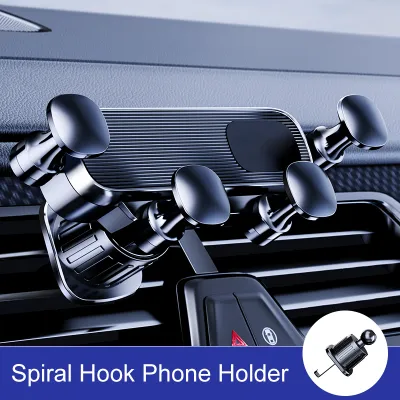
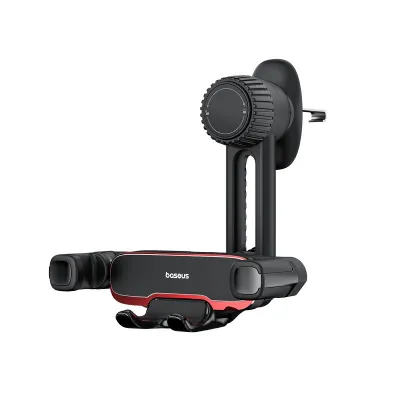
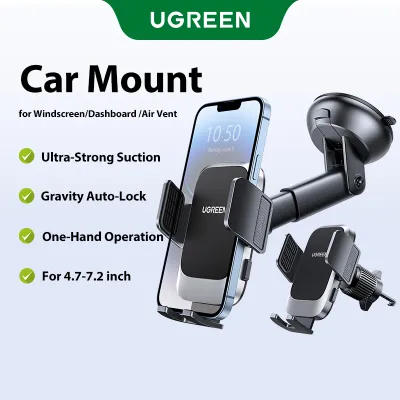

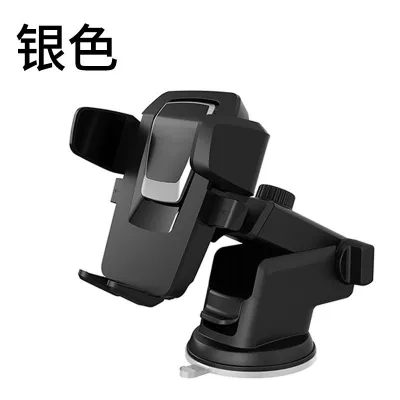
Prices are valid at publication and may change. Please refer to the product page for the latest price.

On the other hand, a dedicated GPS device represents a more substantial upfront commitment, often starting around S$150 and scaling up to S$400 or more for premium models with larger screens or built-in dashcams. While many modern dedicated units include lifetime map updates, some manufacturers may charge recurring fees for specialized regional maps or premium live traffic data services.
Beyond the initial purchase price, hidden costs must be factored into your decision. Running a smartphone continuously for GPS navigation, especially under direct sunlight, accelerates battery degradation due to high thermal loads. This can lead to premature battery replacement costs. Additionally, constant map rendering and real-time traffic updates consume mobile data, which might push drivers close to their monthly data plan limits or incur roaming charges if driving across the border.
Screen Visibility and Usability While Driving
The physical viewing experience directly impacts how safely and efficiently you can follow navigation prompts. Modern smartphones feature high-resolution displays with excellent color accuracy, but their glossy screens can suffer from severe glare under the bright midday sun. Furthermore, the aspect ratio of most phones is narrow, which can limit the horizontal map view unless rotated to landscape mode.
Dedicated GPS units are specifically engineered for automotive environments. They often feature matte, anti-glare screens that remain highly legible even in direct sunlight. While their display resolution is typically lower than that of a premium smartphone, the user interfaces are designed with large, high-contrast icons and simplified maps that are easy to read at a quick glance.
Mounting stability is another critical factor. A car holder must be carefully selected to match your vehicle’s interior. Vent mounts can sag under the weight of heavier phones, while suction mounts on the windshield or dashboard can lose adhesion over time due to heat exposure. Dedicated GPS units usually come with robust, proprietary mounting hardware designed to minimize vibration. In terms of interaction, smartphones offer highly responsive capacitive touchscreens, whereas some dedicated units use resistive screens that require a firmer press but can be operated easily with gloves or damp fingers.
Navigation Accuracy, Traffic Data, and Updates
How each system processes location data and updates maps determines its reliability on the road. Smartphone navigation apps rely heavily on active mobile data connections to download map tiles and stream real-time traffic information. This allows them to offer highly dynamic rerouting to bypass sudden congestion or road closures. However, if you drive into areas with weak cellular coverage, such as underground tunnels or remote forested routes, a phone may struggle to update the map or calculate a new route if you miss a turn.
Dedicated GPS systems operate primarily on direct satellite signals, ensuring consistent positioning independent of cellular network availability. They store complete map databases locally on internal memory or memory cards, providing uninterrupted offline routing. For traffic updates, some dedicated units feature built-in FM traffic receivers that capture broadcasted traffic data without requiring an internet connection, though these updates may not be as instantaneous as crowdsourced smartphone apps.
Map updates also differ significantly in execution. Smartphone apps update automatically in the background via app stores, ensuring you always have the latest road layouts without manual intervention. Dedicated GPS units require periodic updates, which often involve connecting the device to a computer via USB or linking it to a home Wi-Fi network. Drivers must verify the manufacturer’s update policy, as older models might require manual file transfers or paid map packages to keep the system current.
Safety, Distraction, and Vehicle Integration
Safety is paramount when configuring any in-car electronics. In Singapore, strict regulations govern the use of mobile communication devices while driving. To remain compliant and ensure a clear line of sight, any car holder must be positioned so it does not obstruct the driver’s view of the road or interfere with the deployment of airbags. Mounting a device too high on the windshield or directly in front of safety sensors can compromise vehicle safety.
Thermal management is a major operational concern for smartphones. Running GPS processing, keeping the screen at maximum brightness, and charging the battery simultaneously generates significant internal heat. When exposed to direct sunlight through the windshield, a smartphone can quickly overheat, leading to thermal throttling, screen dimming, or sudden shutdown. Dedicated GPS units are built with more robust thermal tolerances, allowing them to operate continuously in hot cabin environments without shutting down.
Vehicle integration also varies between the two setups. Smartphones can easily connect to modern car stereos via Bluetooth, USB, or platforms like Apple CarPlay and Android Auto, routing navigation prompts directly through the vehicle’s speakers while pausing music. Dedicated GPS units rely on their own built-in speakers, which may sometimes be difficult to hear over highway road noise unless the unit features an FM transmitter or auxiliary audio output to link with the car’s sound system.
Decision Framework: Choose the Right Setup for Your Needs
To finalize your choice, evaluate your driving habits against these specific scenarios.
Choose a phone with a car holder if:
- You primarily drive short to medium distances within urban areas where cellular signals are strong and reliable.
- You want to avoid the cost of buying a secondary electronic device and prefer using familiar, free navigation apps.
- You rely heavily on real-time, crowdsourced traffic alerts to navigate daily peak-hour congestion.
Choose a dedicated car GPS if:
- You frequently drive long distances, cross borders, or travel through areas with unreliable mobile network coverage.
- You want to preserve your smartphone's battery health and avoid the risk of thermal shutdowns during hot days.
- You prefer a dedicated, distraction-free screen that does not interrupt navigation prompts with incoming phone calls or personal notifications.
Verify first if:
- Your vehicle's dashboard design, vent shape, or windshield angle can safely accommodate your chosen car holder or GPS mount without blocking essential controls or sightlines.
- The mounting position complies with local traffic safety laws regarding driver visibility and device interaction.
- Your phone's charging port and cable routing do not interfere with the gear shifter, steering wheel, or other physical controls.
Frequently Asked Questions (FAQ)
Can I use a wireless charging car holder for long trips?
Yes, but you must manage heat accumulation carefully. Wireless charging naturally generates more heat than wired charging. When combined with the high processing demands of GPS navigation and exposure to sunlight, this can trigger your phone’s thermal protection, causing it to stop charging or shut down entirely. To prevent this, look for a wireless charging car holder with built-in active cooling fans, or position the mount directly in front of an air conditioning vent to keep the phone cool. Always verify that your phone case is compatible with wireless charging standards to ensure efficient power transfer.
Do dedicated GPS units require a monthly subscription?
Most standard dedicated GPS units do not require a monthly subscription for basic offline navigation and satellite tracking. These devices come preloaded with regional maps, and many manufacturers offer lifetime map updates at no extra charge. However, premium live services—such as real-time traffic feeds, weather alerts, and mobile speed camera locations—may require a subscription. Some units access these live services by pairing with your smartphone’s data connection via a companion app, while others may require a dedicated subscription if they use an internal SIM card. Always check the product specifications before purchasing to understand what features are included for free.
Community discussion
Share your experience or ask a question. Comments are reviewed before publication.