
The choice between using a smartphone with a car holder and relying on a dedicated in-car GPS system depends heavily on your daily driving habits, vehicle setup, and preference for real-time data versus standalone reliability. While phone navigation offers dynamic traffic updates and familiar app interfaces, dedicated GPS units provide larger screens and do not drain your mobile battery or data plan. This guide breaks down the practical differences, installation requirements, and local safety considerations to help you decide which navigation solution most appropriately fits your needs on the road.
Comparing the Daily Navigation Experience
When navigating the busy streets of Singapore, real-time routing efficiency is often the most critical factor for drivers. Smartphone navigation apps excel in this department by utilizing crowd-sourced data from active users. This allows the software to detect sudden congestion on major expressways like the Pan Island Expressway (PIE) or the Central Expressway (CTE) almost instantly, offering alternative routes to bypass bottlenecks. Dedicated GPS units, on the other hand, traditionally rely on pre-loaded map databases. While some modern dedicated systems can connect to digital traffic broadcasts or link to your phone’s mobile hotspot for live updates, their rerouting capabilities are generally less agile than native smartphone applications.
Map updates represent another significant point of divergence. Smartphone apps update their maps automatically in the background, ensuring that new road layouts, temporary diversions, or newly opened housing estates are reflected almost immediately without user intervention. Dedicated GPS devices require manual updates, which typically involve connecting the unit to a computer or a home Wi-Fi network to download large map files. If you do not update a dedicated unit regularly, you risk navigating with outdated road layouts, which can be highly frustrating in rapidly developing urban landscapes.
Products mentioned in this guide

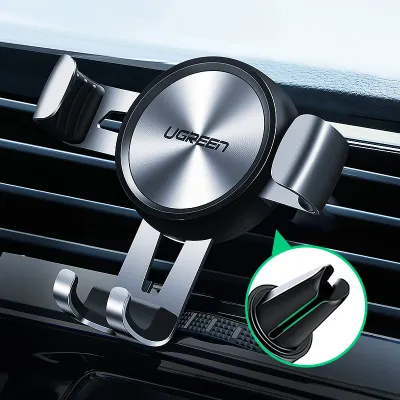
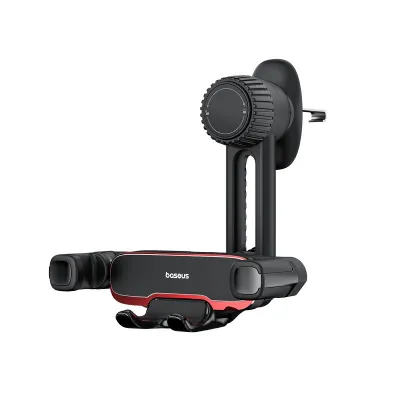

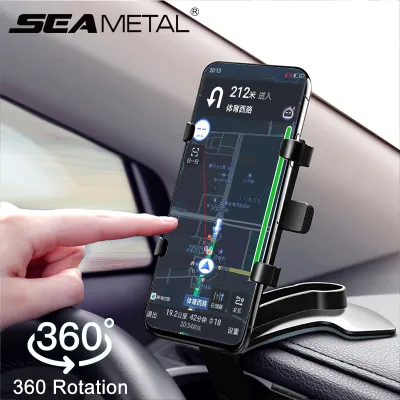
![🇸🇬[Ready Stock] Long Arm 17mm ball Car Phone Holder Adjustable Windshield Mount Dashboard Phone Stand Accessories with Strong Sticky Washable Suction Cup](https://img.lazcdn.com/g/p/cc18a61a496a7290765dff95e49ab029.jpg_400x400q80.jpg_.webp)
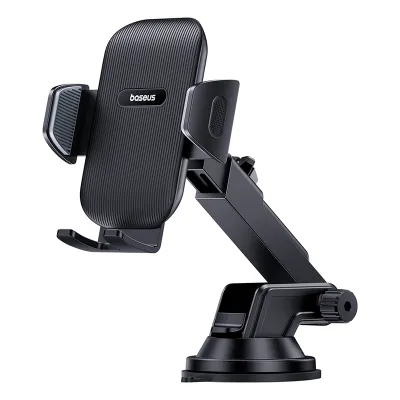
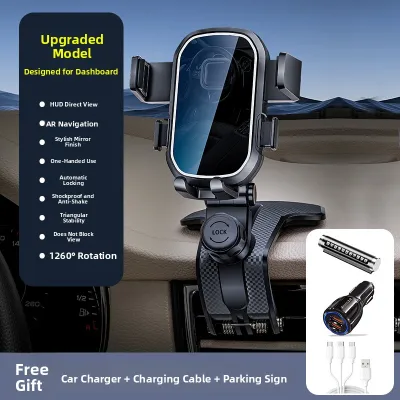
Prices are valid at publication and may change. Please refer to the product page for the latest price.
Screen visibility and glare management are also crucial when driving under the intense tropical sun of Singapore. Dedicated GPS units are specifically engineered for automotive environments, often featuring matte, anti-glare screens that remain highly legible even in direct sunlight. Smartphones typically feature glossy glass screens that are prone to severe reflections. To combat this glare, drivers must turn their phone’s screen brightness to maximum, which increases power consumption and accelerates heat generation.
Mounting, Hardware, and Cabin Integration
The physical integration of your navigation device into the vehicle cabin affects both convenience and driving safety. A phone car holder is the primary tool for securing a smartphone, and these accessories come in several distinct designs. Air vent mounts are highly popular because they position the phone within easy reach and utilize the vehicle’s air conditioning to keep the device cool. However, heavy smartphones can strain or damage delicate vent slats, and blocking a vent can reduce cabin cooling efficiency. Suction cup mounts offer flexible placement on either the windshield or the dashboard, but they can obstruct a portion of your forward view if not positioned carefully.

Dedicated GPS units are generally larger and heavier than smartphones, requiring robust mounting hardware. They typically come with heavy-duty suction mounts designed for the windshield or adhesive dashboard discs. Because these devices require a constant power source to function reliably over long journeys, routing the power cable from the 12V accessory socket to the mount is a key consideration. A dangling cable can be a visual distraction and a physical hazard, meaning drivers often need to tuck the wire behind dashboard panels or use adhesive cable clips to keep the cabin tidy.
Before choosing any mounting solution, it is essential to inspect your vehicle’s dashboard materials. Soft-touch plastics, textured vinyl, and leather-wrapped surfaces do not provide the smooth, non-porous surface required for suction cups to maintain a vacuum seal. Placing an adhesive mount or a strong suction cup on these delicate materials can also cause permanent indentations, discoloration, or tearing. If your dashboard is textured or wrapped in premium materials, an air vent mount or a CD slot mount is often a safer alternative to preserve your car’s interior.
Evaluating Costs and Long-Term Value
From a financial perspective, the initial investment required for these two setups varies significantly. A high-quality, stable phone car holder is a highly cost-effective accessory, with reliable options available for S$15 to S$50. Since most drivers already own a capable smartphone, the hardware cost for phone navigation is minimal. In contrast, a dedicated GPS unit is a specialized piece of electronics that requires a substantial upfront purchase, with entry-level models starting around S$150 and premium units exceeding S$400.
Ongoing operational costs should also be factored into your decision. Smartphone navigation relies on continuous mobile data usage to download map tiles and real-time traffic information. While modern mobile data plans in Singapore are generous, drivers on limited data packages or those who drive extensively may notice a significant impact on their monthly data allowance. Furthermore, running GPS, cellular data, and high screen brightness simultaneously places a heavy load on a smartphone’s lithium-ion battery, which can accelerate battery degradation and lead to premature phone replacement costs.
Dedicated GPS units do not consume mobile data, making them highly economical over long-term use, especially for professional drivers who spend many hours on the road daily. However, they are not entirely free from potential hidden costs. Some manufacturers charge subscription fees for lifetime map updates or premium traffic services after an initial trial period. Additionally, if the internal battery of a dedicated unit degrades over several years of exposure to cabin heat, finding a replacement battery or servicing the device can be difficult and costly.
Safety Rules and Heat Management in Singapore
Operating any navigation system in Singapore requires strict adherence to local traffic safety regulations. Under the Road Traffic Act, holding a mobile communication device while driving is a serious offense that carries heavy penalties. To use a smartphone legally for navigation, it must be securely mounted in a phone car holder. Furthermore, the mounting position of either a phone holder or a dedicated GPS unit must not obstruct the driver’s clear view of the road ahead or block the deployment paths of the vehicle’s airbags, which are typically located in the steering wheel, dashboard, and side pillars.
Heat management is a critical physical concern for devices mounted on the dashboard or windshield. Singapore’s tropical climate creates high cabin temperatures, and direct sunlight passing through the windscreen can quickly overheat electronic devices. Smartphones are particularly sensitive to heat; when a phone overheats, its internal safety mechanisms will dim the screen, slow down processing speeds, temporarily stop charging, or shut down completely. Mounting a phone in front of an air conditioning vent using a vent-clip phone car holder is an effective way to mitigate this issue, as the cool airflow keeps the device within its safe operating temperature range.
Dedicated GPS units are designed specifically for automotive use and generally possess higher thermal tolerances than consumer smartphones. They can withstand prolonged exposure to dashboard heat without shutting down as easily. However, leaving any electronic device exposed to direct sunlight in a parked car for extended periods is not recommended, as the extreme heat buildup can degrade internal components and shorten the lifespan of the device’s battery.
Which Navigation Setup Should You Choose?
To make the final decision, evaluate your specific driving patterns and vehicle capabilities. You should choose phone navigation with a high-quality phone car holder if you prioritize real-time, crowd-sourced traffic alerts to avoid daily peak-hour congestion, prefer a single device for all your digital needs, and want to keep your upfront hardware costs low. This setup is highly suited for casual drivers and daily commuters who value dynamic routing and seamless integration with other mobile apps.
Conversely, you should choose a dedicated car GPS if you drive professionally, frequently travel through areas with weak mobile signals, or prefer a dedicated, always-ready screen that does not drain your phone’s battery. This option is ideal for drivers who want to keep their smartphone free for calls and messages without interrupting their navigation display, and who prefer a robust device engineered to handle continuous operation in a warm automotive environment.
Before purchasing either setup, check if your vehicle’s built-in infotainment system supports smartphone projection systems like Apple CarPlay or Android Auto. If your car is equipped with this technology, you can display your phone’s navigation apps directly on the vehicle’s built-in dashboard screen. In this scenario, a dedicated GPS is unnecessary, and your primary need will simply be a reliable phone car holder or a wireless charging pad to keep your phone secure and powered while it connects to the vehicle’s system.
Frequently Asked Questions (FAQ)
Can I use a suction cup phone car holder on a textured dashboard?
Suction cup mounts require a completely smooth, flat, and non-porous surface to create and maintain a vacuum seal. Textured dashboards, leather-wrapped surfaces, or soft-touch plastics allow air to seep under the suction cup, causing the mount to fall off repeatedly. If your dashboard is textured, you should use an adhesive dashboard pad to create a smooth mounting surface, or opt for an air vent clip or a CD slot mount instead.
Do dedicated GPS units require a constant power connection?
Yes, dedicated GPS units generally require a constant connection to your vehicle’s 12V accessory socket or USB port. While these devices contain internal rechargeable batteries, they are designed primarily to keep the unit running during brief power interruptions or for short-term programming outside the car. The internal battery typically lasts only a short time on its own, so keeping the device plugged in ensures uninterrupted navigation.
Will phone navigation drain my battery faster than a dedicated GPS?
Using a smartphone for navigation drains the battery rapidly because the device must simultaneously run the GPS receiver, download map data over a cellular network, and keep the screen illuminated at high brightness. A dedicated GPS unit shifts this entire power burden to your vehicle’s electrical system, preserving your smartphone’s battery life for calls, messages, and other essential tasks during your journey.

Community discussion
Share your experience or ask a question. Comments are reviewed before publication.