
Quick Answer: Which Navigation Setup is Right for Your Lorry?
Choosing between a smartphone paired with a heavy-duty lorry mobile holder and a built-in lorry GPS system comes down to balancing real-time data flexibility against hardware durability. For the vast majority of commercial drivers in Singapore, a smartphone mounted on a robust, commercial-grade holder is the most practical and cost-effective solution. This setup provides instant access to live, crowd-sourced traffic routing and seamless over-the-air map updates, which are essential for navigating rapidly changing industrial zones and avoiding sudden expressway congestion.
Conversely, a built-in lorry GPS system is highly suited for fleet operators and drivers who prioritize dedicated, vehicle-integrated hardware. Built-in units offer larger, glare-resistant screens, eliminate the risk of mobile device overheating, and keep personal communication separate from professional driving duties. The ideal choice depends on whether your daily operations require dynamic, cloud-connected routing to bypass traffic jams, or a rugged, permanent fixture that withstands constant fleet use without relying on a driver’s personal smartphone.
Core Differences: Phone Holder vs Built-in Lorry GPS
To make an informed decision, it is essential to understand the structural and operational mechanics that separate these two navigation methods. A smartphone setup relies on a dedicated, heavy-duty lorry mobile holder secured to the windscreen, dashboard, or air vents. This setup utilizes the phone’s internal GPS receiver, cellular data connection, and mobile operating system to run navigation applications that pull real-time data from remote cloud servers.
Products mentioned in this guide
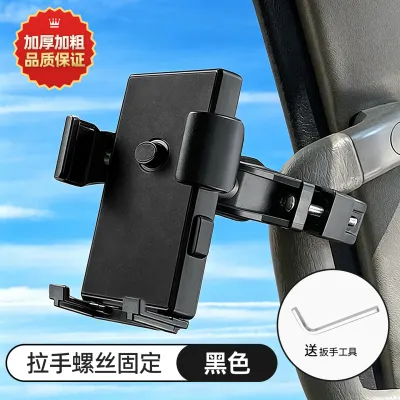
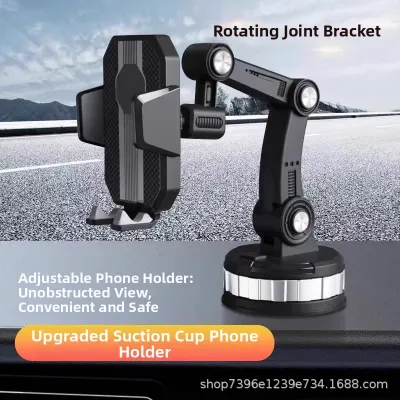

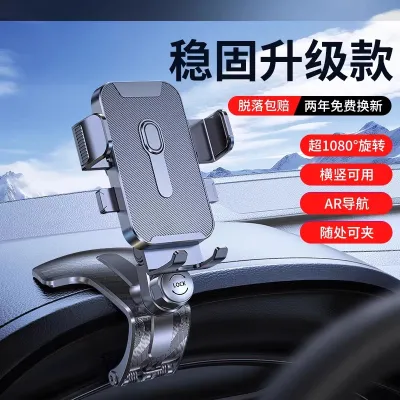
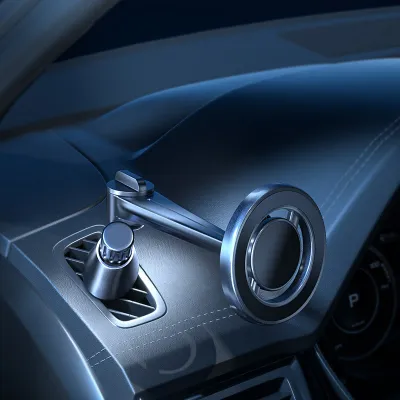
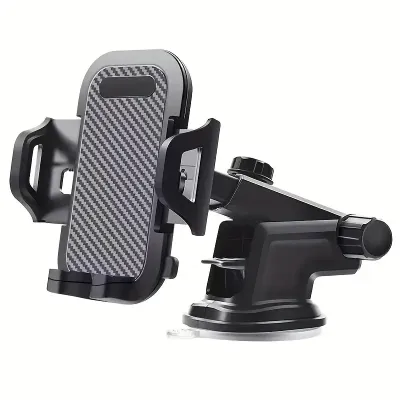
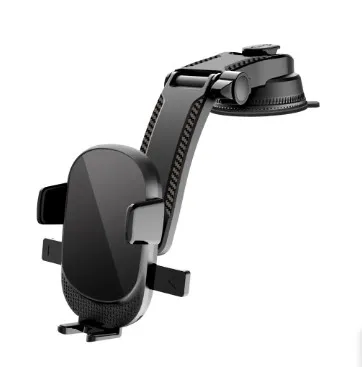
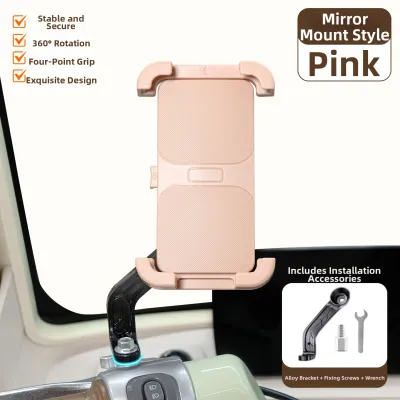
Prices are valid at publication and may change. Please refer to the product page for the latest price.

In contrast, a built-in lorry GPS system refers to a dedicated navigation head unit permanently integrated into the vehicle’s double-DIN dashboard slot or pre-installed by the vehicle manufacturer. These systems utilize a dedicated GPS antenna routed to the exterior of the vehicle and run specialized, local navigation software. Rather than relying on constant cellular data, built-in systems typically store comprehensive map databases directly on internal flash memory or an SD card, allowing them to function entirely offline.
The fundamental difference lies in their operational ecosystems. The smartphone and lorry mobile holder combination is a highly modular, portable system that leverages consumer-grade cloud technology. The built-in GPS is a fixed, industrial-grade appliance designed specifically for the vehicle cabin, operating independently of personal mobile devices and cellular network stability.
Navigation Accuracy and Real-Time Traffic Updates
Live Traffic and Dynamic Routing
In highly congested urban environments, the ability to adapt to changing road conditions in real time is a critical operational requirement. Smartphone navigation apps excel in this area by utilizing crowdsourced telemetry data from millions of active users. If an accident occurs on the Pan Island Expressway (PIE) or the Ayer Rajah Expressway (AYE), mobile apps detect the slowdown instantly and calculate an alternative route to keep your delivery on schedule.
Built-in lorry GPS systems, unless connected to an active and often costly telematics subscription, generally struggle with real-time traffic adaptation. Many older or standard built-in units rely on FM-radio-based traffic broadcasts, which update slowly and lack the granular accuracy of cellular-fed data. Without a live data connection, a built-in system may direct a heavy vehicle straight into a major traffic bottleneck, resulting in costly delays and increased fuel consumption.
Map Updates and Lorry-Specific Routing
Singapore’s road network undergoes continuous development, with new industrial estates, road realignments, and temporary construction zones appearing regularly. Smartphone apps update their map databases automatically over the air without requiring user intervention. This ensures that new roads, changed speed limits, and updated traffic rules are reflected on your screen almost immediately.
Built-in GPS units require manual intervention to update their maps. Drivers or fleet managers must download update files onto a USB drive or SD card, or visit an authorized dealer to perform the update. Because this process is often neglected due to time constraints or update fees, built-in systems frequently run on outdated map data, which can lead to navigation errors in newly developed areas.
For commercial drivers, routing accuracy must also account for vehicle dimensions. While specialized mobile apps designed for heavy vehicles exist, built-in lorry GPS units often feature hardcoded physical parameters where drivers can input their vehicle’s height, weight, and axle configuration. However, digital maps are never infallible. Regardless of the system used, drivers must always verify physical clearances, obey local road signs, and pay close attention to Land Transport Authority (LTA) height limit gantries before entering restricted zones.
Practicality, Screen Visibility, and Cabin Ergonomics
Screen Size, Glare, and Touch Responsiveness
Commercial vehicle cabins present unique environmental challenges, particularly regarding lighting and temperature. Built-in navigation systems feature large screens, typically ranging from 7 to 10 inches, which are integrated directly into the dashboard. These displays are engineered specifically for automotive use, featuring matte anti-glare coatings that remain highly legible even under direct, intense tropical sunlight.
Smartphones, while boasting sharp resolutions and highly responsive capacitive touchscreens, are prone to severe glare when mounted near the windscreen. Furthermore, mounting a smartphone in direct sunlight exposes it to extreme thermal stress. In tropical climates, a phone running GPS navigation and charging simultaneously on a hot windscreen can easily overheat, causing the device to dim its screen, throttle its processing speed, or shut down entirely to protect its lithium-ion battery.
Mounting Stability and Cabin Space
Lorry cabins are subject to intense, low-frequency vibrations caused by large diesel engines and stiff commercial suspension systems, especially when the vehicle is unladen. A standard passenger car phone mount will quickly fail under these conditions, leading to dropped devices and dangerous driver distractions. A specialized, heavy-duty lorry mobile holder is engineered with reinforced joints, vibration-dampening materials, and industrial-strength suction cups or mechanical clamps to hold the device completely steady.
Built-in head units eliminate mounting stability concerns entirely because they are bolted securely into the vehicle’s dashboard structure. However, their physical placement can sometimes be an ergonomic drawback. Many built-in dashboard slots are located lower in the center console, forcing the driver to look down and away from the road to view map instructions. A well-positioned lorry mobile holder allows the driver to mount their phone closer to their natural line of sight, reducing eye strain and improving situational awareness.
Safety & Compliance Note: Under Singapore’s Road Traffic Act, it is a serious offence to hold a mobile communication device while driving. While using a mounted phone is legally permissible for navigation, the physical placement of the lorry mobile holder must not obstruct the driver’s forward field of view or block any side mirrors. Before installing any mount, drivers must verify that the installation complies with local transport authority regulations regarding windscreen obstructions.
Cost Analysis: Upfront Investment vs Long-Term Value
Phone and Lorry Mobile Holder Cost Structure
From a financial perspective, the smartphone and holder combination offers an incredibly low barrier to entry. If the driver already owns a capable smartphone, the only upfront capital expenditure is the purchase of a high-quality, commercial-grade lorry mobile holder and a durable charging cable. In Singapore, a premium, vibration-resistant mount typically costs between S$30 and S$100, depending on the mounting mechanism and brand.
The ongoing operational cost is tied directly to the mobile data plan. With the high availability of competitive, high-data SIM-only plans in Singapore—often costing between S$10 and S$20 per month—the data consumption used by navigation apps is negligible and typically covered under the driver’s existing personal or business mobile subscription.
Built-in Lorry GPS Cost Structure
Investing in a built-in lorry GPS system involves a significantly higher upfront financial commitment. If the vehicle did not come equipped with a factory-installed navigation system, purchasing a premium aftermarket double-DIN head unit with dedicated commercial routing software can cost anywhere from S$500 to over S$1,500.
Furthermore, installing an aftermarket head unit requires professional automotive electrical work, dashboard disassembly, and the routing of external GPS antennas. Drivers must consult their vehicle manufacturer’s wiring guidelines, as improper self-installation can void vehicle warranties or cause electrical faults. Professional installation services in Singapore workshops typically add S$100 to S$300 to the initial cost. Long-term costs may also include paid map update packages or proprietary telematics subscription fees required to keep the system functional.
Value Assessment
For owner-operators and small logistics firms, the phone and lorry mobile holder combination provides unmatched cost-efficiency and immediate return on investment. For large-scale fleet operators, however, the high upfront cost of built-in units can be justified by the long-term value of standardized hardware. Built-in systems prevent drivers from using personal phones during work hours, reduce the risk of device theft, and provide a consistent, durable tool that remains with the vehicle throughout its operational lifespan.
Decision Framework: How to Choose Your Lorry Navigation
To determine the best navigation setup for your specific commercial driving needs, evaluate your operations against the following decision criteria:
- Choose a Phone and Lorry Mobile Holder if:
- You operate primarily in highly congested urban areas and rely heavily on real-time traffic updates to bypass gridlock and ERP tolls.
- You require instant, automatic map updates to navigate rapidly developing industrial estates and new road networks without paying extra fees.
- You want a highly cost-effective setup that leverages your existing smartphone hardware with minimal upfront investment.
- You prefer a highly responsive touchscreen interface and the flexibility to use various navigation and delivery dispatch apps simultaneously.
- Choose a Built-in Lorry GPS if:
- You manage a commercial fleet and want to standardize navigation hardware across all vehicles while keeping drivers' personal devices separate from work tasks.
- You require a large, permanent, glare-resistant screen that is securely integrated into the dashboard and does not clutter the windscreen.
- You operate on highly standardized, fixed routes where real-time traffic avoidance is secondary to robust, offline map reliability.
- You want to avoid the risks of smartphone overheating, battery degradation, and device vibration damage caused by long hours on the road.
- Verify First Before Purchasing:
- Before purchasing any mounting hardware, inspect your lorry's specific dashboard material, windscreen angle, and cabin dimensions. Ensure the dashboard surface can support a secure adhesive or suction base, and verify that the mounting position will not block your physical line of sight or violate local traffic safety regulations.
- If opting for a built-in aftermarket system, verify the physical dimensions of your lorry's dashboard console and consult a qualified automotive technician to ensure compatibility with your vehicle's electrical system.
Frequently Asked Questions (FAQ)
Can I use a standard car phone holder in a lorry?
Using a standard passenger car phone holder in a commercial lorry is not recommended. Lorry cabins are subject to much higher levels of low-frequency vibration from large diesel engines and stiff commercial suspensions, which can easily cause standard consumer mounts to shake loose or break. Additionally, lorry windscreens are positioned at a much steeper, more vertical angle than passenger cars, and dashboards are deeper. Standard car mounts often lack the reach, articulation, and heavy-duty suction power required to secure a device safely in a commercial cabin. Always opt for a specialized lorry mobile holder designed for high-vibration environments.
Do phone navigation apps support lorry height and weight restrictions?
Standard, mainstream consumer navigation apps do not natively account for commercial vehicle dimensions, weight limits, or hazardous material restrictions by default. While there are specialized, subscription-based mobile apps designed specifically for truck routing, their databases may not always reflect temporary local roadworks, tree-pruning operations, or newly implemented height restrictions in Singapore. Commercial drivers must treat all mobile navigation routing as a general guide and must always prioritize physical road signs, overhead clearance markers, and official LTA height limit gantries over digital instructions to prevent serious accidents.
Community discussion
Share your experience or ask a question. Comments are reviewed before publication.