
The choice between using a smartphone with a car mount holder and a dedicated car GPS depends entirely on your typical routes, vehicle setup, and tolerance for device management. A phone setup offers real-time traffic updates and app consolidation, while a dedicated GPS provides a larger, always-ready screen that does not drain your phone’s battery or rely on cellular signals. There is no universal winner; the best investment is the one that aligns with your specific driving conditions in Singapore.
Navigating Singapore’s road network requires absolute precision. Drivers must constantly negotiate Electronic Road Pricing (ERP) gantries, sudden tropical downpours, and complex underground expressways like the Marina Coastal Expressway (MCE) where satellite signals can drop. Choosing the right navigation tool is not just about finding the fastest route; it is about maintaining safety, avoiding traffic fines, and ensuring your device remains operational under intense cabin heat. By examining how each system handles these local challenges, you can make an informed decision that enhances your daily commute.
Core Differences in Everyday Navigation
At the heart of the comparison lies how each device integrates into your daily driving routine. A smartphone is a multi-purpose device adapted for the road, whereas a dedicated GPS is a single-purpose tool engineered specifically for vehicle cabins. This fundamental difference affects everything from screen visibility to power delivery and data reliance.
Products mentioned in this guide
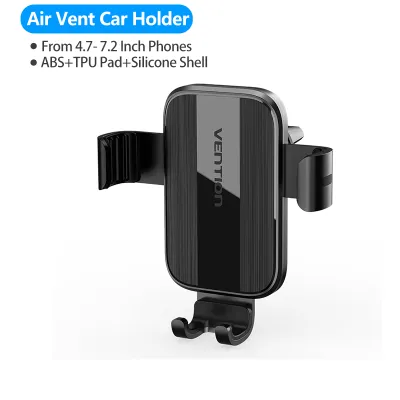
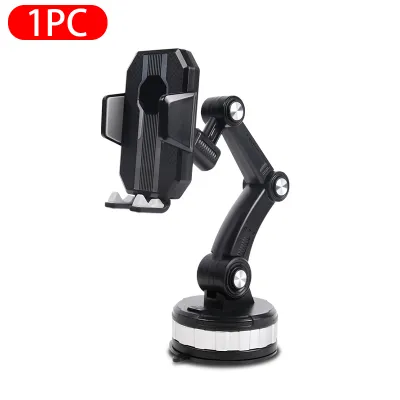
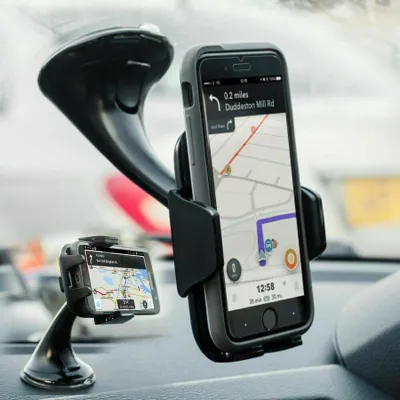
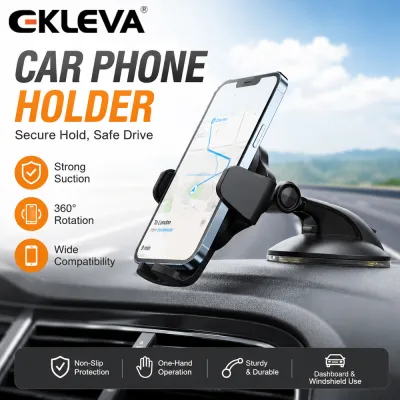
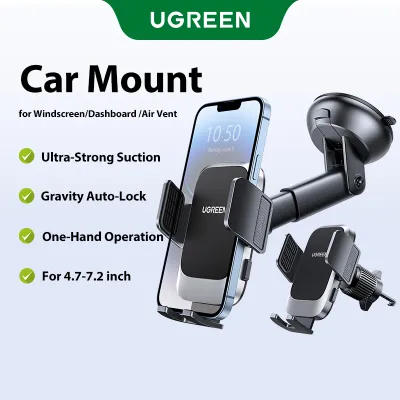
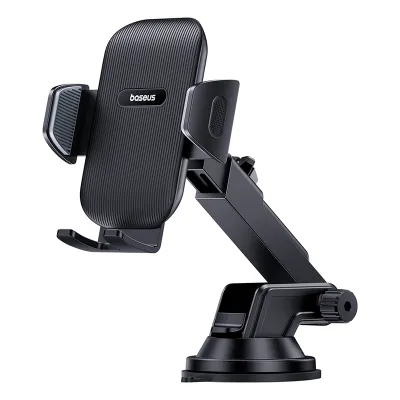
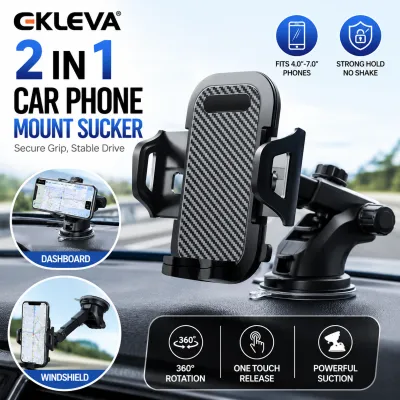
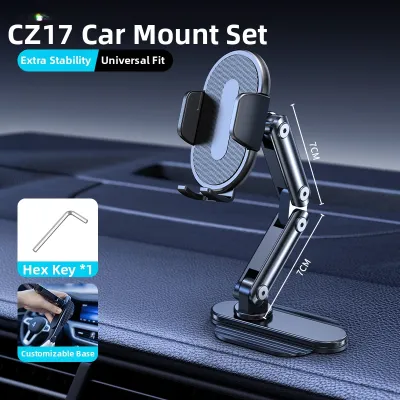
Prices are valid at publication and may change. Please refer to the product page for the latest price.
Screen visibility and glare management represent the first major point of divergence. Dedicated GPS units typically feature matte, anti-glare screens designed to remain readable under direct midday sunlight. Smartphones usually sport glossy glass displays that reflect light easily, requiring higher brightness levels to combat glare. This high brightness, combined with continuous GPS tracking, generates substantial heat, which can be problematic in Singapore’s tropical climate.
Power delivery and cable routing also differ significantly. A smartphone used for navigation requires constant power, necessitating a charging cable running from the cigarette lighter or USB port to the car mount holder. This can result in cluttered cables draping across the center console, potentially interfering with physical controls. Dedicated GPS systems also require power, but because they remain permanently in the vehicle, drivers often choose to professionally route and hide the cables behind the dashboard panels.
Map updates and data reliance highlight another operational contrast. Smartphones rely on continuous cellular data connections to download map tiles, search for points of interest, and calculate real-time traffic delays. While this ensures maps are always up to date, it can lead to high data consumption and potential signal loss in underground tunnels or basement car parks. Dedicated GPS units store entire regional maps directly on their internal storage, guaranteeing offline reliability but requiring manual updates via a computer or Wi-Fi.
Evaluating the Phone and Car Mount Holder Setup
Using a smartphone paired with a high-quality car mount holder is the most common navigation method for modern drivers. This setup leverages the powerful processing and high-resolution screens of modern mobile devices. However, achieving a safe and reliable smartphone navigation experience requires careful consideration of mounting hardware, legal regulations, and thermal limits.

Mount stability and placement legality are critical factors under Singapore’s road safety regulations. The Land Transport Authority (LTA) mandates that any device mounted on the windscreen or dashboard must not obstruct the driver’s clear view of the road ahead. When installing a car mount holder, you must verify that the placement does not block your line of sight or interfere with the deployment zones of the vehicle’s airbags. A mount that detaches during a sudden stop poses a severe safety hazard, making it essential to choose a robust mounting mechanism—such as a heavy-duty suction cup or a secure vent clip—that matches your vehicle’s interior surfaces.
Thermal management is a unique challenge for smartphone navigation in Singapore. When a phone is mounted near the windscreen, it is exposed to direct sunlight and high ambient temperatures. Running GPS, cellular data, and a high-brightness screen simultaneously generates significant internal heat. If the phone’s temperature rises too high, the device may dim its screen, stop charging, or shut down entirely. To mitigate this, many drivers prefer using a car mount holder that clips onto the air conditioning vents, allowing the cool air to actively regulate the phone’s temperature.
The primary advantage of the smartphone setup is its dynamic app ecosystem. Drivers can choose from various navigation applications, such as Google Maps or Waze, which offer real-time traffic crowdsourcing, active ERP gantry alerts, and community-reported road hazards. These apps update instantly without requiring manual downloads, ensuring you are always aware of sudden road closures or accidents. Additionally, a phone setup consolidates your navigation, music streaming, and hands-free calling into a single interface, reducing dashboard clutter.
Assessing the Dedicated Car GPS System
Dedicated car GPS systems, while less common than they once were, remain highly valued by specific segments of drivers who prioritize reliability, specialized hardware, and uninterrupted operation. These standalone units are built to withstand the harsh environment of a vehicle cabin and perform a single task exceptionally well.
Offline reliability is the standout feature of a dedicated GPS unit. Because these devices rely on dedicated internal GPS receivers and pre-loaded offline maps, they do not require a cellular data connection to function. This makes them highly reliable when navigating areas with poor mobile reception, such as deep underground parking structures, remote industrial estates, or during cross-border road trips into Malaysia where data roaming charges can accumulate quickly.
Dedicated hardware features also enhance the driving experience. Standalone GPS units are designed with driver safety in mind, featuring simplified user interfaces, large touch targets, and loud, clear voice prompts. Many models include advanced lane guidance, which displays realistic 3D illustrations of upcoming highway exits and junctions, helping drivers position their vehicles correctly well in advance. Additionally, these units often feature built-in databases for speed cameras and school zones, providing timely alerts without relying on active internet connections.
However, a dedicated GPS requires a separate financial investment. While some manufacturers offer lifetime map updates, updating the maps still requires manual intervention, such as connecting the device to a computer or downloading large files over Wi-Fi. If the maps are not updated regularly, the device may fail to recognize new road layouts or changes to expressway exits.
Direct Comparison: Key Decision Factors
To help you weigh these options, it is useful to compare their performance across several critical dimensions. The table below outlines how a phone with a car mount holder compares to a dedicated GPS system in everyday driving scenarios.
| Feature / Dimension | Phone with Car Mount Holder | Dedicated Car GPS System |
|---|---|---|
| Setup Time & Ease | Instant; uses existing smartphone | Requires initial mounting and power routing |
| Screen Visibility | High resolution; prone to glare and heat | Matte screen; optimized for sunlight |
| Data Reliance | High; requires active cellular data | None; operates entirely offline |
| Hardware Lifespan | Limited by phone battery degradation | High; built for long-term cabin use |
| Real-Time Traffic | Excellent; crowdsourced and instant | Limited; requires FM traffic or phone tethering |
| Interruption Risk | High; calls and notifications disrupt screen | None; dedicated solely to navigation |
Understanding the failure points of each system is crucial. A smartphone setup is highly susceptible to environmental and operational interruptions. For instance, an incoming phone call can temporarily block your navigation screen right when you are approaching a critical junction. Furthermore, leaving a smartphone exposed to extreme cabin heat while parked in an open-air carpark can degrade its lithium-ion battery rapidly, leading to permanent capacity loss.
Conversely, dedicated GPS units fall short when it comes to adaptability and real-time responsiveness. Because they do not natively connect to the internet without external tethering, they cannot adapt to sudden traffic jams, accidents, or temporary road diversions as quickly as smartphone apps. The search interface on a dedicated GPS can also feel slow and clunky compared to the fluid search capabilities of modern smartphones, making it harder to find specific points of interest or newly opened businesses.
How to Choose the Right Navigation Solution
Selecting the ideal navigation setup requires analyzing your personal driving habits, vehicle interior, and how often you travel beyond local borders.
Choose a phone with a car mount holder if:
- Your driving consists primarily of daily commuting within Singapore, where real-time traffic updates and ERP routing are essential.
- You prefer a clean dashboard and want to consolidate navigation, communication, and entertainment into a single interface.
- You already own a modern smartphone with a reliable data plan and prefer not to spend extra money on standalone hardware.
- You want access to the latest navigation apps and community-driven road alerts without manual map updates.
Choose a dedicated GPS if:
- You frequently drive long distances, make regular cross-border trips to Malaysia, or travel through areas with spotty cellular coverage.
- You want to preserve your smartphone's battery life and avoid the wear and tear caused by continuous charging and high heat exposure.
- You prefer a dedicated, distraction-free screen that will not be interrupted by incoming phone calls or app notifications.
- You drive a commercial vehicle or a company car where multiple drivers share the vehicle, making a permanent navigation system more practical.
Verify first if:
- Your vehicle's dashboard material is compatible with adhesive or suction-cup mounts, as textured leather or soft-touch plastics can prevent a secure grip.
- Your windscreen has a specialized heat-reflective or metallic tint coating, as these can sometimes block GPS satellite signals.
- Your chosen mounting position complies with local traffic laws, ensuring that neither the device nor the charging cable obstructs your view of the road or interferes with safety equipment.
Frequently Asked Questions (FAQ)
Do car mount holders damage the dashboard or air vents?
Car mount holders can cause cosmetic or structural damage if they are incompatible with your vehicle’s interior materials or installed incorrectly. Suction cups with sticky gel pads can leave permanent rings or discoloration on soft-touch dashboard plastics, especially when exposed to intense heat. Vent-clip mounts can scratch or crack the plastic slats of your air vents if they are forced into place or if the mounted phone is too heavy. To prevent damage, verify your dashboard material limits before purchasing, and consider using a mount that attaches to the windscreen glass or uses a non-marking, mechanical clamp design.
Can I use my phone's GPS without a cellular data connection?
Yes, you can use your smartphone’s GPS without an active cellular data connection, but it requires preparation. Most major navigation apps allow you to pre-download offline maps of Singapore and neighboring regions while connected to Wi-Fi. Once downloaded, your phone’s internal GPS chip can track your location on the offline map without using mobile data. However, you will lose access to real-time traffic updates, live rerouting, search functions for new businesses, and active ERP pricing alerts until your data connection is restored.
Are dedicated GPS units still relevant for modern drivers?
Dedicated GPS units remain highly relevant for specific driving profiles, even with the dominance of smartphones. Commercial drivers, delivery professionals, and long-distance tourers rely on standalone units for their durability, superior satellite reception, and continuous, uninterrupted operation. They are also valuable for drivers who prefer to keep their personal phones free from navigation duties, preventing battery drain and overheating. While the general consumer market has shifted toward smartphone mounts, dedicated units continue to serve as a robust, reliable alternative for those who prioritize a dedicated tool for the road.

Community discussion
Share your experience or ask a question. Comments are reviewed before publication.