
Determining the most space-saving phone car mount location depends entirely on your vehicle’s specific interior layout, but generally, air vent and seat back mounts free up the most physical and visual space on the dashboard and windshield. While keeping your dashboard clear improves forward visibility and reduces cabin clutter, saving space must be balanced against driver accessibility, legal sightline requirements, and the structural limits of your car’s interior components. A mount that saves physical space but forces you to look away from the road can compromise safety, while one that blocks essential controls can disrupt your daily driving comfort.
In modern vehicles, where cabin space is carefully optimized, every square centimeter of the dashboard and windshield is prime real estate. Selecting a mounting zone is not just about holding your device; it is about integrating the phone car mount into a broader ecosystem of cabin organizers, charging cables, and safety systems. By evaluating how each mounting zone impacts your physical and visual space, you can make an informed decision that keeps your cabin organized and your drives safe.
Space and Visibility: Comparing the Four Main Mounting Zones
Dashboard mounts are a traditional choice, keeping your phone within your natural line of sight and easy reach. However, they consume valuable console real estate and can create significant visual clutter. Depending on the depth and slope of your dashboard, a mount positioned here can block your view of the road or interfere with central display screens. In hot climates, placing a device directly on the dashboard exposes it to intense sunlight and heat buildup, which can lead to device overheating or adhesive failure over time.
Products mentioned in this guide
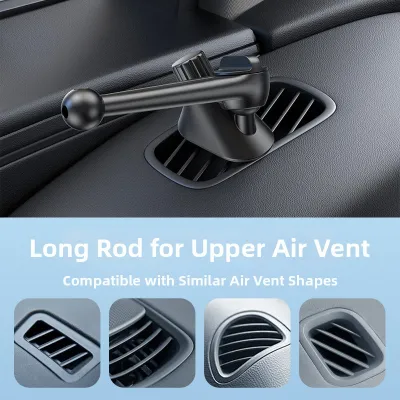
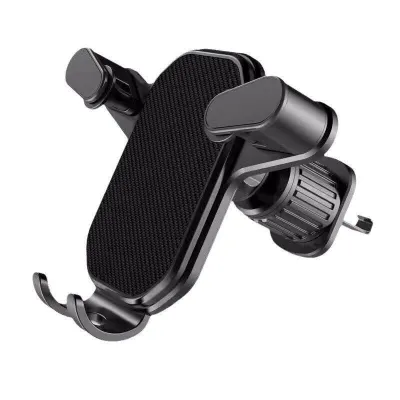
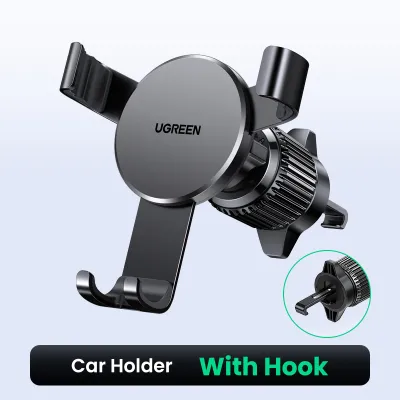
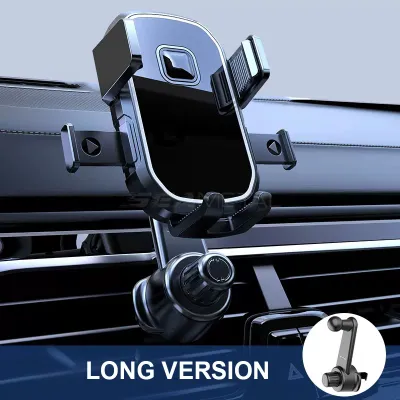
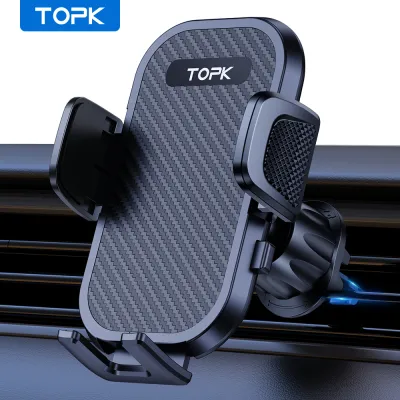
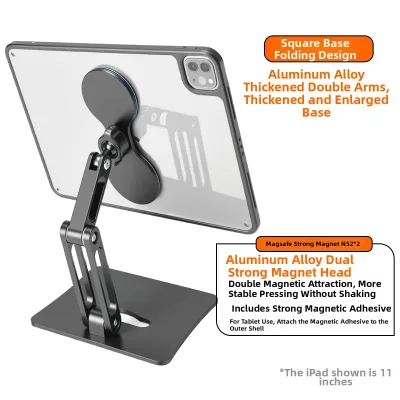
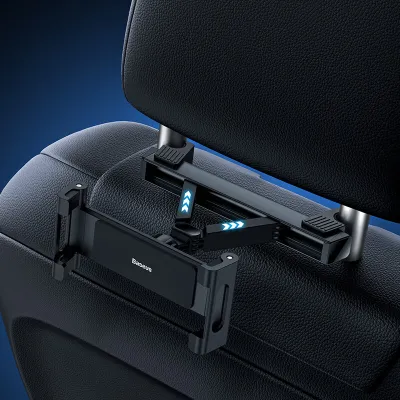
Prices are valid at publication and may change. Please refer to the product page for the latest price.
Air vent mounts are highly efficient space-savers because they completely clear the windshield glass and the upper dashboard surface. By utilizing existing cabin structures, they maximize your perceived cabin space and keep the driver’s forward field of view entirely unobstructed. The trade-off is that these mounts block a portion of your climate control airflow. During warm days when you rely on air conditioning, restricting a vent can reduce cabin cooling efficiency, while running the heater in cooler conditions can expose your phone to direct, concentrated heat.
Windshield mounts offer excellent eye-level visibility, making them highly convenient for active navigation. However, they have a substantial visual footprint and can introduce physical obstructions in your direct field of view. Suction cups and mounting arms can block critical sightlines, especially near the A-pillars or the center of the glass. Additionally, local traffic regulations often restrict where accessories can be attached to the windshield to ensure an unobstructed view of the road, meaning you must carefully measure and position these mounts to remain legally compliant.
Seat back mounts represent the ultimate space-saving solution for the front cabin, as they have a zero-impact footprint on the driver’s area. By shifting the device entirely to the rear passenger space, they keep the dashboard, vents, and windshield completely free of clutter and cables. While this is ideal for rear-seat entertainment and passenger comfort, it renders the phone completely inaccessible to the driver. This setup is highly effective for family road trips but serves no utility for front-cabin navigation or hands-free calling.
Accessibility, Safety, and Compatibility with Car Organizers
When evaluating a phone car mount, accessibility and ease of use are just as important as physical space. Dashboard and air vent mounts excel at keeping your device within arm’s reach, allowing for simple, one-handed operation when interacting with navigation apps or answering hands-free calls. In contrast, windshield mounts can sometimes be positioned too far forward, requiring you to stretch or lean out of your driving seat to reach the screen. Seat back mounts are entirely out of reach for the driver, making them strictly passenger-focused accessories.

Safety must always take priority over space-saving convenience. Before installing any mount, you must identify your vehicle’s airbag deployment zones, particularly the passenger-side dashboard airbag and side-curtain airbags. Placing a rigid mount or a heavy phone in the path of a deploying airbag can turn the accessory into a dangerous projectile during a collision. Furthermore, windshield mounts must be positioned so they do not interfere with built-in safety sensors, forward-facing cameras, or automatic rain sensors mounted near the rearview mirror.
Your choice of mount location directly influences how you organize the rest of your cabin. A dashboard mount might block access to storage trays, built-in card holders, or central console bins. An air vent mount can restrict access to hazard light buttons or climate control dials located adjacent to the vents. If you use hanging seat-back organizers, utility hooks, or rear-seat storage pockets, installing a seat back phone mount requires careful planning to ensure the device does not interfere with these storage solutions or block access to passenger amenities.
Which Location Should You Choose? A Conditional Decision Guide
You should choose an air vent mount if your primary goal is to maintain completely clear dashboard and windshield surfaces while keeping your phone at a highly accessible height. This option is ideal if your vehicle features sturdy, traditional horizontal vent louvers that can easily support the combined weight of the mount and your phone. It is best suited for drivers who do not mind redirecting or partially blocking a single climate control vent and who prefer a clean, low-profile installation that does not require adhesives or suction cups.
A dashboard mount is the right choice if your vehicle has a deep, flat, and non-porous dashboard surface that allows for a secure adhesive or suction base. This setup is ideal if you want to keep your air vents completely unobstructed for maximum airflow and prefer a fixed, stable mounting point that keeps the phone slightly lower than the windshield line to minimize night-time screen glare. Ensure that the chosen position does not block any central infotainment screens or safety sensors.
Opt for a windshield mount if your dashboard is heavily contoured, textured, or made of soft-touch materials that prevent adhesives or suction cups from adhering properly. This location is also ideal if you prefer your navigation screen to be positioned closer to your natural eye level, reducing the distance your eyes must travel from the road. You must ensure that local traffic laws permit windshield-mounted accessories and that you can position the mount without creating a blind spot.
A seat back mount is the perfect solution if your primary objective is to provide entertainment for rear-seat passengers, such as children on long drives, while keeping the front cabin entirely free of devices and charging cables. This configuration is highly effective when paired with a dedicated rear-seat organization system, allowing passengers to watch media hands-free without cluttering the limited legroom or storage pockets of the rear cabin.
Critical Vehicle Checks Before Installing Your Mount
Before finalizing your installation, consult your vehicle owner’s manual to locate all airbag deployment zones and interior sensors. Never place a mount, adhesive pad, or cable routing clip on or near any panel marked with “SRS Airbag” or similar safety indicators. Additionally, ensure that windshield-mounted brackets do not obstruct the field of view of advanced driver assistance systems (ADAS) cameras or light sensors located behind the central rearview mirror.
If you select an air vent mount, carefully inspect the design and material of your vent blades. Some modern vehicles feature ultra-thin, fragile, or highly stylized louvers that can crack or warp under the weight of a heavy smartphone, especially when driving over uneven road surfaces. Verify that the mount’s clipping mechanism distributes weight evenly and does not put excessive leverage on a single plastic blade, and avoid forcing a clip onto vents that do not offer a compatible depth or shape.
For dashboard and windshield mounts, inspect the mounting surface thoroughly before application. Suction cups require a completely smooth, non-porous surface to maintain a vacuum seal; textured dashboards or porous plastics will cause the mount to fall off repeatedly. If you are mounting to the windshield, check for aftermarket window tinting films, as the strong suction or adhesive can bubble, peel, or permanently damage the tint film upon removal. Clean the surface with a manufacturer-approved cleaner to remove dust and oils before installation.
Frequently Asked Questions (FAQ)
Will a dashboard mount damage my car's interior surface?
Yes, dashboard mounts can potentially cause cosmetic damage depending on the materials used and the mounting method. Strong chemical adhesives can leave a stubborn residue, discolor plastic, or even tear soft-touch leather and vinyl surfaces when removed. Suction cups can leave permanent circular rings on certain dashboard materials due to plasticizer migration. To mitigate these risks, check your vehicle owner’s manual for approved accessory mounting zones, or consider using a removable, weighted friction dash pad instead of direct adhesives.
Can I use an air vent mount if my car has circular or angled vents?
Standard air vent mounts are typically designed for traditional rectangular vents with horizontal or vertical flat louvers. If your vehicle features circular, turbine-style, or deeply recessed angled vents, standard clip-on mounts may not fit securely or could slip off during turns. Before purchasing, check the mount’s specific clip, hook, or clamp design to ensure it is explicitly rated for circular or non-standard vent shapes, or look for specialized adapters designed for your vehicle model.
Are magnetic mounts safe for my phone and car electronics?
Generally, the compact magnets used in modern phone car mounts are safe for smartphones and will not damage their internal solid-state storage or processors. However, you should exercise caution if you use phone cases with built-in card slots, as the magnets can demagnetize credit cards or transit passes stored directly behind the phone. Additionally, keep strong magnets away from your vehicle’s built-in electronic compass, GPS receivers, or specialized dashboard sensors, as magnetic interference could temporarily affect their calibration.
Community discussion
Share your experience or ask a question. Comments are reviewed before publication.