
Finding the right spot for your phone car holder is more than a matter of convenience; it directly impacts your driving safety, device health, and the condition of your vehicle’s interior. The ideal placement depends on whether you prioritize clear navigation sightlines, device cooling, or passenger entertainment. While a dashboard mount keeps your GPS map directly in your field of vision, an air vent mount utilizes the cabin’s air conditioning to prevent your phone from overheating under intense sunlight. Meanwhile, seat back mounts serve a completely different purpose, focusing entirely on keeping rear-seat passengers occupied during long journeys.
To make an informed decision, you must evaluate how each mounting position interacts with your specific vehicle’s cabin layout. Factors such as the texture of your dashboard, the shape of your air conditioning vents, and the design of your front seats all play a critical role in determining which holder will remain stable and secure. By understanding the distinct advantages and physical risks associated with each mounting location, you can choose a setup that enhances your daily drive without compromising safety or damaging your car’s interior.
Dashboard Mounts: Visibility and Accessibility
Dashboard-mounted phone holders are highly favored by drivers who rely heavily on real-time GPS navigation. By positioning the phone high on the dashboard or windshield, these mounts allow you to glance at map directions with minimal deviation from your natural line of sight. This high-level placement helps you maintain situational awareness of the road ahead, reducing the time your eyes spend looking down away from traffic. When parked safely or waiting at a stop, the elevated position also makes it easier to reach the screen to adjust your route or manage hands-free calls.
Products mentioned in this guide
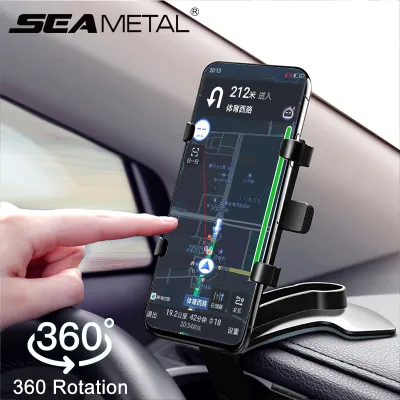
![🇸🇬[Ready Stock] Long Arm 17mm ball Car Phone Holder Adjustable Windshield Mount Dashboard Phone Stand Accessories with Strong Sticky Washable Suction Cup](https://img.lazcdn.com/g/p/cc18a61a496a7290765dff95e49ab029.jpg_400x400q80.jpg_.webp)
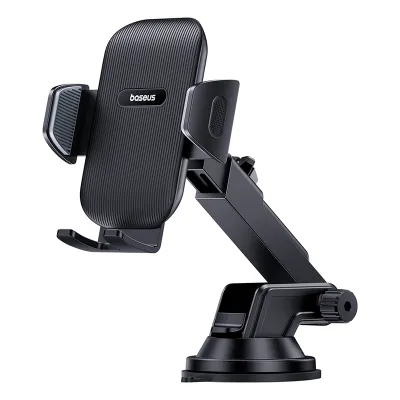


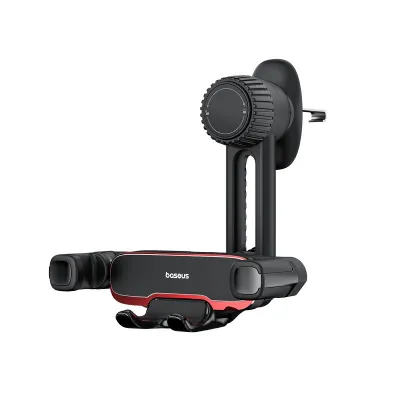


Prices are valid at publication and may change. Please refer to the product page for the latest price.
However, this excellent visibility comes with several distinct physical trade-offs. A phone mounted on top of the dashboard can partially block your forward view, creating a blind spot depending on the height of the device and the angle of your windshield. Additionally, placing your phone directly beneath the windshield exposes it to intense solar radiation and windshield glare. In warm, tropical climates, this direct exposure can cause your phone’s internal temperature to spike rapidly, leading to screen dimming, slow performance, or sudden thermal shutdown.
Another critical consideration is the potential for physical damage to your car’s interior materials. Suction cups and adhesive pads rely on strong vacuum tension or chemical bonding to stay secure. Over time, the combination of heat and tension can warp soft-touch plastics, leave permanent circular indentations on leather-wrapped dashboards, or leave behind a sticky adhesive residue that is difficult to clean without damaging the surface finish. If your dashboard features a highly textured or porous surface, suction-based mounts may struggle to maintain a reliable seal, leading to the phone falling unexpectedly while driving.
Before installing any dashboard mount, you must consult your vehicle owner’s manual to identify the exact locations of the passenger and side-curtain airbags. Mounting a phone holder within or near a restricted airbag deployment zone poses a severe safety hazard. If the airbag deploys during a collision, the force can launch the phone and the mount directly toward the cabin occupants at high speed. Always ensure the entire mounting assembly sits completely clear of these safety systems.
Air Vent Mounts: Cooling and Minimalist Setup
Air vent mounts offer a compact and minimalist alternative for drivers who prefer to keep their dashboard and windshield completely clear of obstructions. By clipping directly onto the horizontal or vertical slats of your car’s air conditioning vents, these holders keep your phone within easy reach without interfering with your forward view of the road. This low-profile design is particularly useful in modern vehicles with sweeping, low-slung dashboards where finding a flat surface for a suction mount is difficult.

The primary functional benefit of an air vent mount is its ability to manage your phone’s temperature. Running intensive navigation applications while simultaneously charging a device generates substantial internal heat. By positioning the phone directly in the path of the air conditioning system’s cool airflow, the mount actively dissipates this heat. This continuous cooling prevents the phone from thermal throttling, ensuring that your navigation remains fluid and your battery charges efficiently even during long drives in hot weather.
Despite these benefits, air vent mounts introduce several structural and environmental challenges. The weight of a modern, heavy smartphone combined with the leverage of the mount puts constant physical stress on the delicate plastic louvers of the air vent. Over time, or when driving over speed bumps and uneven road surfaces, this weight can cause the plastic slats to crack or snap entirely. Furthermore, the physical presence of the phone and holder blocks a significant portion of the cool air from entering the cabin, which can make the front seats feel noticeably warmer.
Compatibility is also a major limitation for vent-mounted systems. While they work well with standard, flat horizontal slats, they are often incompatible with circular, turbine-style, or deeply recessed vents. If the mount does not grip the slats securely, the entire assembly can wobble or slide off during sharp turns. Additionally, if you turn off the air conditioning, direct the airflow away from the mount, or park the vehicle in direct sunlight, the phone loses its cooling source and can overheat quickly due to its proximity to the warm plastic of the vent assembly.
Seat Back Mounts: Passenger Entertainment
Seat back phone holders serve a highly specialized role within the vehicle cabin, focusing exclusively on rear-seat passenger comfort and entertainment. Unlike dashboard or air vent mounts, these holders are positioned entirely out of the driver’s line of sight and reach. They are ideal for families, ride-sharing drivers, or anyone who frequently carries passengers on longer journeys, providing a hands-free way to watch videos, read, or stream content without causing neck strain from holding a device.
These mounts typically install using one of two primary methods: clamping onto the exposed metal headrest poles or securing around the seat structure with adjustable straps. Headrest pole clamps offer a highly stable and rigid connection, keeping the screen steady even on bumpy roads. However, you must verify your seat design before purchasing, as many modern vehicles feature integrated headrests or active head restraint systems that do not have exposed metal poles. For these integrated seats, a strap-on mount or a specialized seat-back organizer is required.
Safety is the paramount concern when installing any accessory on the back of a front seat. The mount must be positioned so that it does not interfere with the proper adjustment of the headrest, which is critical for preventing whiplash injuries in a rear-end collision. Furthermore, the holder and the mounted device must be securely locked in place. In the event of sudden, heavy braking or a collision, a loose seat back mount can easily detach and become a dangerous projectile inside the cabin, risking injury to rear-seat passengers.
Key Comparison Factors for Your Car Layout
When deciding on the best mounting position for your vehicle, you must weigh several competing factors, including road visibility, interior material vulnerability, and thermal management. Each position offers a distinct set of compromises that must be evaluated against your specific driving habits and car design. For instance, while a dashboard mount provides the most natural viewing angle for navigation, it exposes your phone to the highest thermal stress and carries the greatest risk of leaving permanent marks on your dashboard materials.
Conversely, air vent mounts excel at keeping your device cool and your windshield clear, but they restrict cabin airflow and place mechanical stress on fragile plastic components. Seat back mounts eliminate driver distraction entirely but are useless for navigation and require careful installation to ensure passenger safety. To help you evaluate these trade-offs, the following comparison matrix outlines how each mounting position performs across key operational categories.
| Mounting Position | Visibility & Sightline | Interior Damage Risk | Thermal Management | Best Suited For |
|---|---|---|---|---|
| Dashboard Mount | High (near eye level; potential windshield obstruction) | Moderate to High (adhesive residue, suction cup marks, warped vinyl) | Poor (exposed to direct sunlight and windshield heat) | Drivers relying heavily on active GPS navigation who have flat, non-porous dashboard surfaces. |
| Air Vent Mount | Moderate (below eye level; keeps windshield completely clear) | Low to Moderate (potential cracked vent louvers or scratched plastic) | Excellent (active cooling from the vehicle's AC system) | Drivers in hot climates with sturdy, horizontal vent slats who want a minimalist cabin setup. |
| Seat Back Mount | None (completely out of the driver's view and reach) | Low (potential minor strap wear on seat fabric or leather) | Neutral (dependent on rear cabin climate control) | Rear-seat passengers, families, and ride-sharing vehicles focused on hands-free entertainment. |
By comparing these factors against your vehicle’s specific interior materials—such as checking whether your dashboard is made of delicate soft-touch leather or hard, textured plastic—you can rule out options that might cause long-term cosmetic damage.
How to Choose the Right Mount for Your Daily Drive
To select the perfect phone car holder, begin by analyzing your daily driving routine and your vehicle’s physical layout. If your commute requires constant navigation updates and your dashboard features a flat, smooth surface away from any airbag deployment zones, a dashboard mount is the most practical choice. However, if your dashboard is highly textured, curved, or wrapped in delicate leather, or if you frequently drive in intense midday heat, an air vent mount is a safer alternative that will protect both your car’s interior and your phone’s battery health.
Before making a purchase, physically inspect your vehicle’s cabin. Measure the width and depth of your air vent slats to ensure a clip-on mount can grip them securely, or check the back of your front seats to confirm if you have exposed headrest poles. If you choose a dashboard mount, look for models that offer adjustable arm lengths so you can position the phone low enough to avoid blocking your view of the road or interfering with your Electronic Road Pricing (ERP) unit or other dashboard accessories.
Once you install your chosen mount, perform a quick safety check before setting off. Take a short, low-speed test drive on a quiet road to observe the mount’s stability over speed bumps and during turns. Ensure that the mounted phone does not block your view of the instrument cluster, side mirrors, or any critical warning lights. Adjust the viewing angle so that you can read the screen with a quick glance, keeping your primary focus where it belongs: safely on the road ahead.
Frequently Asked Questions (FAQ)
Is it illegal to mount a phone holder on the dashboard?
Traffic regulations generally dictate that drivers must maintain a clear, unobstructed view of the road at all times. While mounting a phone holder on the dashboard is not inherently illegal, placing it in a position that blocks your forward vision or interferes with your control of the vehicle can lead to safety violations. To remain compliant and safe, position the mount as low as possible or to the side of your primary line of sight, and always ensure it is completely clear of any airbag deployment zones.
Will an air vent mount break my car's AC louvers?
There is a genuine risk of damage if an air vent mount is overloaded or installed incorrectly. Heavy modern smartphones, especially when combined with the leverage of a long mounting arm, can exert significant downward force on fragile plastic vent slats. To minimize this risk, verify that your vent louvers are sturdy and choose a mount that features a secondary support kickstand or wide stabilization claws to distribute the weight evenly across the vent structure. Avoid using clip-on mounts on circular or highly flexible vents that cannot support vertical loads.
Community discussion
Share your experience or ask a question. Comments are reviewed before publication.