
Choosing a dash cam for your vehicle in Singapore involves balancing legal compliance, video performance, and long-term durability under intense tropical heat. While Philips is a globally recognized brand known for reliable consumer electronics, comparing its dash cams to other market alternatives requires looking closely at specific technical features and local regulatory requirements. Rather than searching for a single universal winner, drivers should focus on how different models align with their specific driving habits, vehicle configurations, and installation preferences.
This guide provides a structured framework to help you compare Philips dash cams against other compliant brands available in Singapore. By understanding how to verify legal installation boundaries, evaluate optical specifications, and assess the total cost of ownership, you can make an informed decision that protects both your vehicle and your legal standing on the road.
Understanding LTA Compliance for Dash Cams in Singapore
Before comparing specific brands or technical features, every driver must understand the strict legal and safety boundaries set by the Land Transport Authority (LTA) regarding aftermarket vehicle accessories. The primary regulatory concern is driver visibility and physical safety. Any dash cam, regardless of the brand, must be installed in a position that does not obstruct the driver’s direct line of sight or block any portion of the front windshield required for safe operation.
Products mentioned in this guide
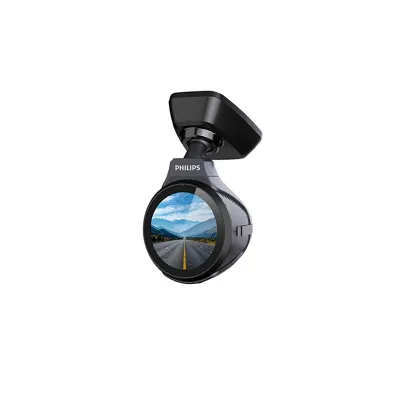
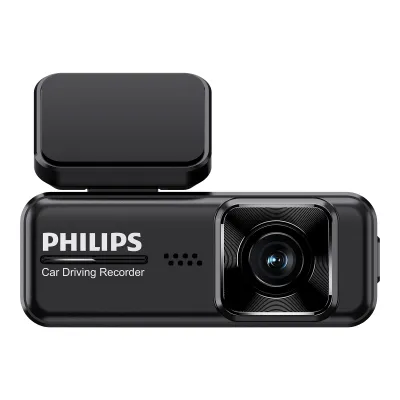
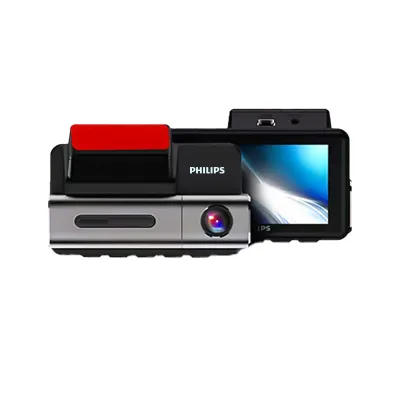
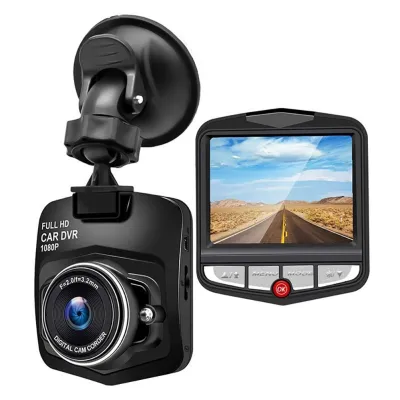
Prices are valid at publication and may change. Please refer to the product page for the latest price.
To ensure compliance, the device and its mounting bracket should ideally be positioned behind or adjacent to the rearview mirror. This placement keeps the unit out of the driver’s primary field of vision while still allowing the lens to capture a clear, unobstructed view of the road ahead. Additionally, you must verify that the installation does not interfere with the deployment zones of your vehicle’s airbags, particularly the side curtain airbags or those housed near the A-pillars. Always consult your vehicle’s owner manual to locate these safety systems before routing any cables.
Another critical regulatory aspect is wireless compliance. If a dash cam features built-in Wi-Fi, Bluetooth, or cellular connectivity for cloud storage, the specific model must comply with the standards set by the Infocomm Media Development Authority (IMDA). When purchasing a dash cam in Singapore, check for the official IMDA compliance label or registration mark on the packaging or product documentation to ensure the device operates on approved radio frequencies.
Finally, consider the physical design of the dash cam’s display screen. LTA regulations aim to minimize driver distraction, meaning that large, overly bright screens that remain active while driving can pose a compliance risk. Many modern dash cams address this by incorporating automatic screen-off timers or omitting screens entirely in favor of smartphone app control. If you choose a model with a screen, ensure it can be configured to turn off automatically shortly after the engine starts to prevent glare and distraction during night driving.
Core Comparison Dimensions: Philips vs. Market Alternatives
To evaluate how Philips dash cams stack up against other compliant brands in Singapore, you must look past marketing claims and focus on verifiable technical specifications. Comparing these devices across standardized performance dimensions ensures you select a model that delivers reliable performance when you need it most.

Video Quality and Night Vision Performance
The primary function of any dash cam is to record clear, legible footage that can serve as objective evidence in the event of an accident or insurance dispute. When comparing Philips models to other brands, look closely at the sensor resolution, physical sensor size, and lens aperture. While many entry-level models offer standard 1080p Full HD resolution, higher-end alternatives may feature 2K or 4K resolutions, which provide greater detail when zooming in on distant objects.
However, resolution alone does not guarantee clear footage, especially during night driving on poorly lit roads or in underground car parks. The lens aperture, represented by an f-number (such as f/1.6 or f/1.8), determines how much light reaches the camera sensor. A lower f-number indicates a wider aperture, which allows more light to enter and significantly improves low-light performance. Compare these specifications directly in the product manuals to assess how well a camera will perform after dark.
The lens’s field of view is another critical factor to balance. A wide-angle lens, typically ranging from 130 to 170 degrees, allows the camera to capture multiple lanes of traffic and pedestrian activity at intersections. However, extremely wide angles can introduce a “fish-eye” effect, distorting the edges of the frame and making license plates appear further away and harder to read. Look for models that offer a balanced field of view, usually around 140 degrees, to maximize coverage without sacrificing detail.
Lastly, verify if the dash cam features High Dynamic Range (HDR) or Wide Dynamic Range (WDR) technology. These image processing features are essential for handling rapid changes in lighting, such as when exiting a dark tunnel into bright daylight or when facing the direct glare of oncoming high beams. HDR and WDR help balance the exposure, preventing the footage from becoming completely washed out or too dark to be useful.
Smart Features and Connectivity
Modern dash cams often come equipped with advanced smart features designed to assist the driver and simplify data retrieval. Some models include Advanced Driver Assistance Systems (ADAS), which provide alerts for lane departures, forward collisions, or front vehicle start delays. While these features sound beneficial, they require precise calibration and can sometimes generate frequent false alerts in Singapore’s dense, stop-and-go urban traffic. If you prefer a quieter cabin, check if the model allows you to adjust the sensitivity or disable these alerts entirely.
Wireless connectivity is another area where brands differ significantly. A robust companion mobile application is crucial for managing settings, viewing live feeds, and downloading recorded footage directly to your smartphone. When comparing brands, research user feedback regarding app stability and connection speeds. High-speed Wi-Fi transfer is particularly valuable when you need to quickly retrieve and share footage with insurance companies or roadside assistance on the spot.
Built-in GPS logging is also a common feature that records your vehicle’s speed and exact coordinates alongside the video footage. This data can be invaluable for proving your speed and location during an incident. However, ensure that the companion software or app accurately maps these coordinates onto local road networks and that the GPS module does not interfere with other electronic systems in your vehicle, such as your electronic toll collection unit or navigation system.
Heat Resistance and Durability
Singapore’s tropical climate presents a harsh operating environment for car electronics. Vehicles parked in open-air car parks can experience extreme cabin temperatures, which can severely degrade electronic components over time. When comparing dash cams, the internal power source is one of the most critical durability factors to consider.
You should strongly prioritize dash cams that use supercapacitors instead of traditional lithium-ion batteries. Supercapacitors are significantly more resilient to high temperatures, have a much lower risk of swelling, leaking, or catching fire, and offer a longer overall lifespan. While some budget-friendly models still rely on lithium-ion batteries, supercapacitor-based models are far better suited for Singapore’s year-round heat.
Always check the manufacturer’s official operating and storage temperature limits, which are typically listed in the technical specifications section of the user manual. A reliable dash cam designed for hot climates should have an operating temperature range that extends up to at least 60 or 70 degrees Celsius.
The physical mounting system must also withstand constant heat and UV exposure. Standard suction cup mounts often lose their suction and fall off when the windshield becomes hot. High-bond adhesive mounts, which use specialized double-sided tape, provide a much more secure and permanent attachment to the glass, ensuring the camera remains stable and correctly aligned even after years of exposure to direct sunlight.
Evaluating Value: Pricing and After-Sales Support
When determining which dash cam offers the best value, look beyond the initial retail price of the hardware. The total cost of ownership includes necessary accessories, installation fees, and the long-term security of a valid warranty.
First, check what accessories are included in the standard retail package. Many manufacturers do not include a high-endurance microSD card, which is required to handle the constant write cycles of loop recording. Standard memory cards can fail quickly under the stress of continuous recording, so you may need to budget separately for a compatible, high-endurance card. Additionally, if you plan to use parking monitoring features, you will likely need to purchase a dedicated hardwiring kit to connect the camera directly to your vehicle’s fuse box.
Second, verify the source of your purchase and the accompanying warranty terms. While parallel imports or purchasing from overseas online marketplaces might offer a lower upfront price, they often come with significant risks. These units may lack local warranty support, meaning you would have to ship the device back to the country of origin for repairs or replacements. Purchasing from an authorized local distributor in Singapore ensures you receive a valid local warranty, giving you access to prompt customer service and technical support.
Finally, factor in the cost of professional installation. While some drivers choose to install basic front-facing cameras themselves using a cigarette lighter power adapter, a dual-channel (front and rear) system or a hardwired setup requires professional expertise. A qualified automotive technician will ensure that all wiring is hidden neatly behind interior panels, routed safely away from airbag deployment zones, and connected correctly to the vehicle’s electrical system without voiding your manufacturer’s warranty.
Decision Framework: Which Brand Fits Your Driving Needs?
Choosing the right dash cam ultimately depends on your specific priorities, budget, and vehicle setup. There is no single brand that fits every driver perfectly, but a structured decision framework can help guide your choice.
Choose a Philips dash cam if you prefer the peace of mind that comes with an established, global electronics brand. Philips models are often favored by drivers who appreciate straightforward user interfaces, reliable build quality, and the assurance of purchasing through authorized local retail channels with clear warranty terms. If your primary goal is a dependable, set-and-forget device from a household name, Philips offers several models that meet these criteria.
On the other hand, you may want to explore alternative LTA-compliant brands if you have highly specific technical requirements. For instance, if you require advanced cloud connectivity for real-time remote monitoring, specialized ultra-compact form factors that hide completely behind your rearview mirror, or specific high-end image sensors for extreme night clarity, other specialized dash cam brands may offer a wider selection of models tailored to those exact needs.
Before making your final decision, always perform three essential checks: verify that the exact model you intend to buy is fully compliant with local LTA and IMDA regulations, confirm that its physical dimensions and mounting style are compatible with your vehicle’s windshield and sensor housing, and ensure that your purchase includes a valid local warranty card from an authorized Singapore distributor.
Frequently Asked Questions (FAQ)
Can I install a dual-channel dash cam legally in Singapore?
Yes, installing a dual-channel (front and rear) dash cam is fully legal in Singapore, provided both units are mounted in compliance with LTA guidelines. The rear-facing camera must be positioned so that it does not obstruct your view through the rearview mirror or the rear windshield. Additionally, all connecting cables must be routed securely behind the vehicle’s interior trim panels to prevent them from hanging loose, which could interfere with the driver’s operation of the vehicle or block the deployment of side curtain airbags.
Do Philips dash cams come with local warranty support?
Local warranty support for Philips dash cams in Singapore is only available for units purchased through authorized local distributors and retailers. If you purchase a parallel import or buy from an unauthorized overseas seller on an online marketplace, your device will likely not be covered by the local service center. To protect your investment, always look for official local warranty stickers on the product packaging, retain your original purchase receipt, and verify the seller’s authorization status before completing your purchase.
Community discussion
Share your experience or ask a question. Comments are reviewed before publication.