
Selecting a dash cam for your vehicle in Singapore requires balancing recording performance with strict local regulations. While Philips offers a range of reliable car monitoring systems, the Land Transport Authority (LTA) does not issue blanket approvals for specific brands or models. Instead, compliance is determined by how the device is designed, where it is installed, and how it integrates with your vehicle’s electrical system. To ensure your chosen Philips dash cam is fully road-legal, you must evaluate its physical dimensions, mounting position, and operational features against Singapore’s motoring guidelines.
Ensuring compliance before making a purchase protects you from costly fines, failed vehicle inspections, and potential safety hazards on the road. A properly selected and installed dash cam provides invaluable peace of mind, serving as objective evidence during insurance disputes without compromising your driving safety or violating local privacy laws. By understanding the specific criteria that govern in-car recording devices, you can confidently navigate the available options and select a model that fits both your vehicle and your driving habits.
Understanding LTA Regulations for Dash Cams in Singapore
The Land Transport Authority maintains clear guidelines to ensure that aftermarket accessories do not compromise road safety. The primary concern with any front-facing dash cam is its placement on the front windscreen. According to local regulations, no device or mounting bracket should obstruct the driver’s direct field of vision. This means the camera must be positioned outside the critical viewing zone, which is typically defined as the area swept by the windscreen wipers directly in front of the driver’s seat. Mounting the device high up on the windscreen, ideally behind or adjacent to the rearview mirror, is the standard practice to remain compliant.
Products mentioned in this guide
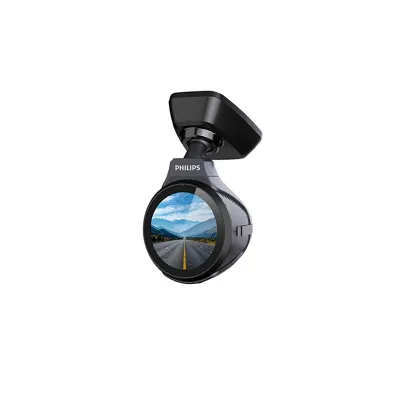
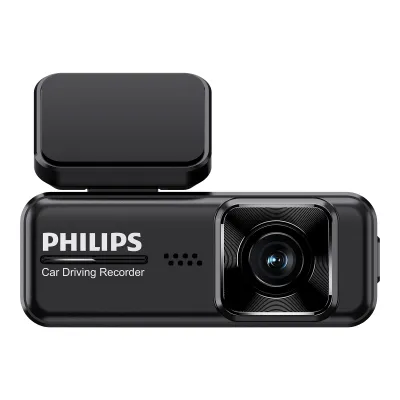
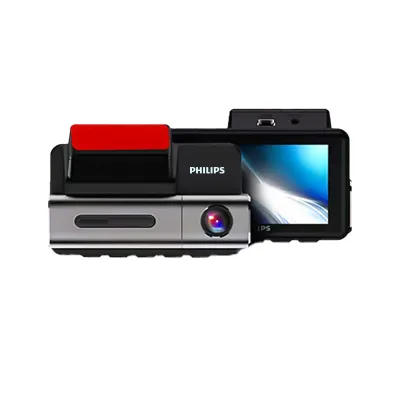
Prices are valid at publication and may change. Please refer to the product page for the latest price.
Another critical aspect of LTA compliance involves driver distraction. Dash cams equipped with active display screens must not display live video feeds or distracting animations while the vehicle is in motion. To prevent this, compliant devices should feature an automatic screen-saver or screen-off function that darkens the display shortly after the engine starts. The physical size of the screen also matters; excessively large monitors mounted on the dashboard or windscreen can be flagged during inspections as visual obstructions. Choosing a compact model with a discreet screen or a screenless design that interfaces with a smartphone application is an effective way to mitigate this risk.
Privacy regulations in Singapore also intersect with how you use your dash cam. While recording the road ahead is entirely legal and encouraged for insurance purposes, recording the interior cabin of the vehicle is subject to stricter scrutiny. For private car owners, recording audio and video inside the cabin is generally permissible, but it is highly recommended to inform passengers if a recording device is active. For commercial drivers, including those operating private hire vehicles (PHVs) or taxis, compliance with the Personal Data Protection Act (PDPA) and LTA guidelines is mandatory. This includes installing official warning decals on the windows to notify passengers that their audio and video are being recorded.
Key Dimensions for Comparing Philips Dash Cam Models
When evaluating different models within the Philips product lineup, video resolution and low-light performance should be your primary technical considerations. Singapore’s urban environment features a mix of brightly lit expressways and dimly lit side streets, alongside sudden tropical downpours that can severely reduce visibility. A dash cam with a high-resolution sensor—such as Full HD 1080p or higher—ensures that critical details like license plates, road markings, and pedestrian activity are captured clearly. Additionally, look for models equipped with Wide Dynamic Range (WDR) or High Dynamic Range (HDR) technology, which balances extreme light and dark areas to prevent glare from oncoming headlights or streetlamps.

The physical footprint and mounting mechanism of the camera are equally vital, especially when considering Singapore’s intense tropical climate. Cars parked in open-air carparks are subjected to extreme solar heat, which can cause cabin temperatures to soar. Dash cams built with supercapacitors instead of traditional lithium-ion batteries are far better suited for these conditions, as supercapacitors are highly resistant to heat degradation and do not carry the risk of swelling or leaking. Furthermore, the mounting system must be robust; high-quality adhesive mounts generally withstand prolonged heat exposure better than suction cups, which tend to lose suction and fall off when the windscreen becomes hot.
Storage management and recording reliability form the backbone of any effective dash cam system. Because dash cams record continuously, they require high-endurance microSD cards capable of handling constant write cycles. A reliable model must support seamless loop recording, which automatically overwrites the oldest unprotected files when the storage card reaches capacity. Equally important is the built-in G-sensor, which detects sudden impacts or emergency braking. When triggered, the G-sensor automatically locks the current video segment, preventing it from being overwritten by the loop recording system, thereby preserving crucial evidence for insurance claims.
How to Verify LTA Compliance Before Purchase
To ensure a Philips dash cam meets all local requirements before you finalize your purchase, you should start by thoroughly reviewing the manufacturer’s official specification sheet. Pay close attention to the physical dimensions of the camera body and the mounting bracket. Compare these measurements against the available space on your windscreen, particularly the area behind your rearview mirror. If the device is too bulky, it may encroach on your line of sight, making it difficult to find a compliant mounting position. Additionally, verify that the device specifications include an automatic screen-off timer to prevent driver distraction while driving.
Next, inspect the physical packaging and product labels for safety and electromagnetic compatibility marks. Electronic devices installed in vehicles must not emit electromagnetic interference that could disrupt critical onboard systems, such as the anti-lock braking system (ABS), airbags, or even your car radio and GPS navigation. Look for recognized international certification marks, which indicate that the device has undergone rigorous testing for electrical safety and electromagnetic emissions. If you are purchasing the device online, ensure you are buying from reputable sources that provide clear documentation of these specifications.
Finally, consulting with authorized local automotive accessory retailers or contacting Philips customer support directly can provide valuable clarity. Local distributors are highly familiar with Singapore’s regulatory landscape and can confirm which specific models are popular and compliant for local road use. They can also advise you on the availability of official hardwiring kits and professional installation services. If you are unsure about a model’s compliance, asking the retailer if they offer a guarantee of compliance or if they have experienced any issues during official vehicle inspections can help you make an informed decision.
Decision Framework: Matching Models to Your Driving Needs
Choosing the right dash cam model involves matching its features to your specific driving habits, vehicle type, and installation preferences. If your primary goal is to maintain a clean, minimalist dashboard with minimal visual obstruction, a compact, single-lens front camera is often the best choice. These models are typically easier to position discreetly behind the rearview mirror, ensuring complete compliance with LTA visibility rules. They are also highly cost-effective, making them an excellent option for drivers who primarily commute during daylight hours and want a straightforward, plug-and-play recording solution.
For drivers who frequently travel on busy expressways like the Pan Island Expressway (PIE) or the Ayer Rajah Expressway (AYE), a dual-channel (front and rear) system is highly recommended. Rear-end collisions are common traffic incidents in Singapore, and having a dedicated rear-facing camera provides comprehensive visual evidence that a front-only camera cannot capture. When selecting a dual-channel system, you must ensure that the rear camera is compact enough not to obstruct your view through the rear windscreen and that the connecting cables can be routed safely through the vehicle’s interior panels without interfering with safety features.
Before purchasing any model with advanced features like 24-hour parking monitoring, you must verify its compatibility with your vehicle’s electrical system. Parking mode requires a continuous power supply, which is typically achieved by hardwiring the dash cam to the vehicle’s fuse box or connecting it to a dedicated external dash cam battery pack. You must check your vehicle’s owner manual and consult your car manufacturer to ensure that hardwiring does not void your vehicle’s electrical warranty. Because improper electrical installation can drain your car battery or damage sensitive electronics, it is highly recommended to have the system installed by a qualified automotive professional who can configure a low-voltage cutoff to protect your car’s battery.
Frequently Asked Questions (FAQ)
Can I install a Philips dash cam with a rear camera in Singapore?
Yes, installing a rear-facing dash cam is legal in Singapore, provided it does not block your view through the rearview mirror. The wiring must be professionally routed behind the vehicle’s interior trim panels to ensure it does not hang loosely or interfere with the deployment of side curtain airbags. If your vehicle has heavy aftermarket solar film tinting on the rear windscreen, you should verify that the rear camera’s sensor has sufficient low-light sensitivity to record clear footage through the darkened glass.
Do Philips dash cams record audio inside the cabin?
Most Philips dash cams feature a built-in microphone that can record audio inside the cabin. This feature can be easily enabled or disabled through the camera’s settings menu or via a dedicated button on the device. If you use your vehicle solely for personal use, recording cabin audio is a matter of personal preference. However, if you operate a private hire vehicle (PHV) or taxi, you must adhere to strict privacy laws under the Personal Data Protection Act (PDPA). This requires you to disable audio recording unless you have obtained explicit consent from passengers, or to display clear, LTA-approved warning decals inside the vehicle indicating that audio recording is in progress.
What happens if my dash cam is found non-compliant during a vehicle inspection?
During a periodic vehicle inspection at an authorized center in Singapore (such as VICOM or STA), inspectors evaluate all aftermarket accessories for safety and compliance. If your dash cam is mounted in a position that obstructs the driver’s direct line of sight, or if it features an active screen that cannot be turned off while driving, your vehicle may fail the inspection. You will be issued a referral notice requiring you to correct the issue—either by repositioning the camera to a compliant location or removing it entirely. Once the adjustments are made, you must return to the inspection center for a re-inspection and pay the associated re-test fee before your road tax can be renewed.
Community discussion
Share your experience or ask a question. Comments are reviewed before publication.