
When maintaining a vehicle’s interior, selecting a leather cleaner car owners can rely on is essential for preserving both the visual appeal and the structural integrity of the cabin. The short answer to whether dedicated pH-neutral leather cleaners are safer than all-purpose interior cleaners (APCs) is a conditional yes. For the routine maintenance of modern coated automotive leather, a dedicated pH-neutral cleaner is undeniably the safer, more sustainable choice. While a properly diluted APC can effectively strip away heavy, neglected grime or stubborn denim dye transfer during a deep restoration, using it regularly carries significant risks. The ideal choice ultimately depends on your detailing frequency, the current state of your seats, and whether your priority is preserving the delicate factory clear coat over the long term or achieving aggressive, rapid stain removal.
Modern automotive leather is highly engineered, and understanding its physical structure is key to making an informed care decision. Unlike raw, porous aniline leather found in high-end furniture, almost all modern car seats are finished with a protective polyurethane or acrylic topcoat. This micro-thin clear barrier is applied at the factory to shield the underlying dyed leather from friction, moisture, body oils, and ultraviolet (UV) radiation. Because you are cleaning this synthetic topcoat rather than raw hide, the chemical composition of your cleaning products directly dictates how long this protective barrier will last.
How pH Levels and Formulations Affect Automotive Leather
The pH scale, which ranges from 0 to 14, measures the acidity or alkalinity of a water-based solution, with 7 being completely neutral. Modern automotive leather coatings are chemically designed to remain stable when exposed to mild, neutral solutions. Many heavy-duty all-purpose interior cleaners, however, are formulated to be highly alkaline, often registering a pH of 9 to 12. These alkaline formulations are highly effective at breaking down organic lipids, grease, and heavy dirt, but they do so through aggressive chemical action that can be highly destructive to polyurethane coatings.
Products mentioned in this guide
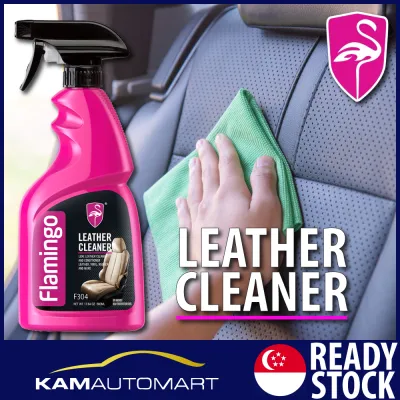
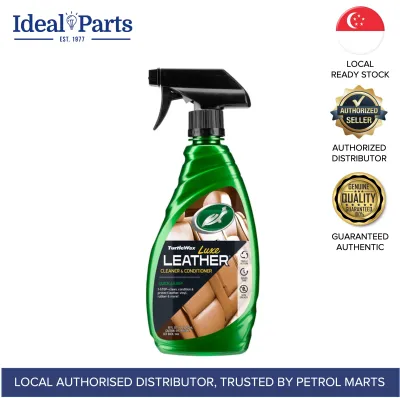
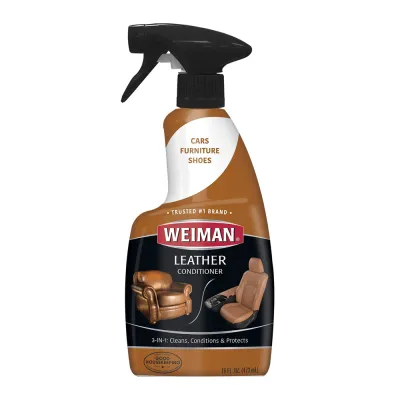
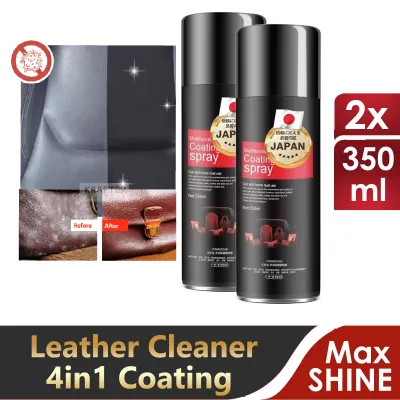
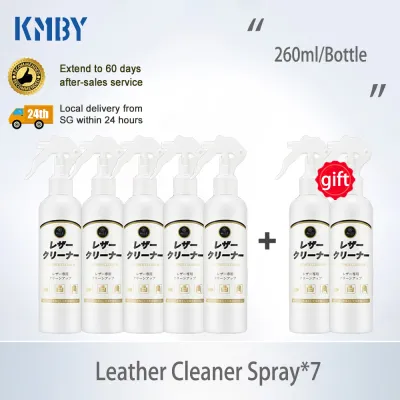
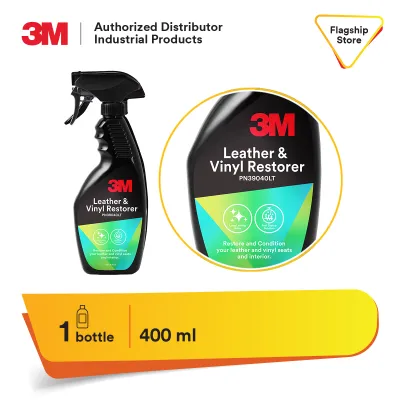
Prices are valid at publication and may change. Please refer to the product page for the latest price.
When a high-alkaline cleaner is applied to a coated leather surface, it initiates a chemical process known as hydrolysis. Over time, repeated exposure to alkaline chemicals gradually breaks the molecular bonds of the polyurethane topcoat polymer. As this protective barrier degrades, the leather underneath becomes vulnerable. The initial signs of this degradation are often subtle, presenting as a loss of the original supple texture, followed by premature wear along seat bolsters, color fading, and eventually a sticky or tacky surface where the topcoat has completely broken down.
In tropical environments like Singapore, preserving this factory clear coat is even more critical. The combination of intense solar heat, high ambient humidity, and strong UV radiation creates a harsh environment inside a parked vehicle, where cabin temperatures can easily exceed 60 degrees Celsius. High heat acts as a catalyst, accelerating the chemical degradation caused by alkaline residues left on the seats. Once the protective topcoat is compromised, the high humidity allows moisture, sweat, and environmental contaminants to penetrate deep into the underlying leather fibers, leading to rapid drying, severe cracking, and the development of mold or mildew.
Dedicated pH-neutral leather cleaners are specifically engineered to avoid this chemical degradation. These formulations utilize mild, non-ionic surfactants that lower the surface tension of water, allowing the solution to gently lift, emulsify, and encapsulate oils and dirt without chemically reacting with or dissolving the polyurethane topcoat. This ensures that even with weekly or bi-weekly cleaning, the factory-applied protective layer remains entirely intact, preserving the leather’s natural flexibility and shielding it from environmental damage.
Cleaning Power vs. Surface Safety: Selecting a Leather Cleaner Car Owners Can Trust
To choose the correct product for your detailing routine, you must balance the immediate cleaning power of the chemical against the long-term safety of the leather surface. Both product categories have distinct characteristics, strengths, and operational risks that must be carefully managed.

All-Purpose Interior Cleaners (APC)
All-Purpose Cleaners are highly versatile chemical solutions formulated to clean a wide variety of automotive surfaces, including plastics, vinyl, rubber, carpets, and engine bays. They rely on a combination of alkaline builders, chelating agents, and water-soluble solvents to dissolve stubborn grease, road grime, and deeply embedded dirt. This aggressive chemical profile makes them highly effective for severe detailing challenges.
If you are restoring a heavily neglected vehicle interior, dealing with severe denim dye transfer on light-colored seats, or removing thick layers of accumulated body oils, a diluted APC can provide the heavy-duty lifting power required to strip the surface clean. However, this cleaning power comes with substantial risks. Using an APC at full strength, or failing to dilute it to the manufacturer’s recommended interior ratio (typically 1:10 or 1:20), can immediately damage the leather.
Excessive alkalinity can strip the leather’s factory matte finish, leaving behind an unnatural, patchy shine or causing permanent discoloration. Furthermore, if the chemical softens the polyurethane topcoat during application, even gentle scrubbing with a microfiber towel can cause micro-scratches or physically rub away the color pigment layer. Before applying any APC to your leather, always verify the product’s label-authorized uses and check your vehicle manufacturer’s care instructions. If instructions conflict, or if the leather type is unidentified, stop and consult a professional detailing specialist.
Dedicated pH-Neutral Leather Cleaners
Dedicated pH-neutral leather cleaners are highly specialized solutions designed exclusively for the safe maintenance of automotive leather, vinyl, and synthetic leather alternatives. Rather than relying on harsh solvents or high alkalinity to dissolve contaminants, these products use balanced surfactants that safely isolate dirt and oils. When agitated, these surfactants form micelles that trap soil particles, allowing them to be wiped away cleanly without affecting the underlying material.
Because these cleaners lack aggressive chemical stripping agents, they do not dissolve heavy stains instantly on contact. To clean deeply textured leather grain or neglected surfaces, they typically require mild mechanical agitation. Detailers must use a soft horsehair detailing brush or a premium microfiber towel to gently work the foaming cleaner into the grain of the leather. This mechanical action safely coaxes dirt out of the creases without placing chemical stress on the surface.
While this process may require slightly more physical effort compared to spraying a strong chemical cleaner, the trade-off is a absolute guarantee of surface safety. The structural integrity, texture, and original non-greasy matte finish of the leather coating are preserved. This makes dedicated pH-neutral cleaners the only logical choice for routine maintenance detailing where preserving the long-term value of the vehicle is the primary objective.
Residue, Conditioning, and Long-Term Protection
The cleaning phase is only the first step in proper leather care; what happens to the surface after you wipe the cleaner away is equally important for long-term preservation. The chemical footprint left behind by your choice of cleaner directly impacts the effectiveness of subsequent conditioning and protection steps.
All-purpose interior cleaners, due to their high concentration of soap builders and surfactants, are notorious for leaving behind a persistent chemical residue. If you do not perform a meticulous secondary rinse with a clean, damp microfiber towel, this residue remains active on the leather surface. This alkaline film acts like a magnet for dust, dirt, sweat, and body oils, causing the seats to re-soil much faster than they would otherwise. Additionally, the dried residue can create a slippery, greasy, or sticky film that compromises passenger comfort and alters the leather’s natural texture.
Dedicated pH-neutral leather cleaners are specifically formulated to be low-foaming and clean-rinsing. They are designed to evaporate cleanly or be wiped away completely with a single pass of a dry microfiber towel, leaving absolutely no sticky or chemically active residue behind. This clean, residue-free surface is highly important because it prepares the polyurethane topcoat for the application of dedicated leather conditioners, polymer sealants, or modern quartz-based ceramic coatings.
Modern leather protectants require direct, unobstructed contact with the polyurethane topcoat to bond effectively. If a layer of alkaline APC residue is present on the surface, it will chemically interfere with this bonding process. A leather conditioner applied over APC residue will fail to absorb properly, sitting on top of the film and creating a greasy, smeary mess. Similarly, a high-tech ceramic leather coating will fail to cure and adhere to the surface, causing the protective layer to wear off in a matter of weeks rather than providing months of fluid and UV resistance. Utilizing a pH-neutral cleaner ensures a chemically receptive surface, maximizing the durability of your chosen protectant.
Cost, Convenience, and Practical Use Cases
Deciding between an APC and a dedicated leather cleaner also involves evaluating practical factors such as cost per use, shelf space, and the specific materials inside your vehicle.
From a purely financial perspective, an APC is highly cost-effective. Purchasing a single concentrated bottle of all-purpose cleaner allows you to dilute it to various strengths for different tasks, costing only a few cents per spray bottle. It serves as a single-product solution for cleaning dashboards, door plastics, steering wheels, and floor mats. For car owners who prefer a minimalist garage setup or are detailing on a strict budget, the convenience of a single, highly versatile bottle is highly appealing.
In contrast, a dedicated pH-neutral leather cleaner is a specialized product that represents an additional upfront cost. It cannot be diluted as aggressively as an APC, and it is not suitable for cleaning carpets or heavy engine grease. However, this dedicated product should be viewed as targeted insurance for your vehicle’s most expensive interior component. Replacing or reupholstering a single damaged leather seat bolster in Singapore can easily cost hundreds or even thousands of dollars (SGD). Spending a modest amount on a dedicated, safe cleaner is a highly practical investment to avoid costly material degradation.
Your choice should also be guided by the specific materials in your car. If your vehicle features premium, genuine leather (such as Nappa, Merino, or semi-aniline leather), the risk of using a cheap, aggressive APC is simply too high to justify. If your vehicle is equipped with synthetic leather or vinyl (such as Sensatec, Artico, or SofTex), these materials are slightly more chemically resilient than genuine leather, but they still benefit significantly from the gentle, non-drying properties of a pH-neutral cleaner to prevent the synthetic plasticizers from drying out, hardening, and cracking over time.
Decision Framework: Which Cleaner Should You Use?
To simplify your detailing routine, use the following condition-based framework to select the safest and most effective cleaning method for your vehicle’s seats. Always check the applied product’s label and the treated item’s manufacturer instructions before application. If instructions conflict, the item is unidentified, or the use is not covered, stop and consult the manufacturer or a qualified detailing professional.
- Choose a dedicated pH-neutral leather cleaner if:
- You perform regular, routine interior maintenance (weekly, bi-weekly, or monthly).
- Your vehicle is equipped with high-end, genuine leather seats (such as Nappa or semi-aniline) that you want to keep in showroom condition.
- You plan to apply a dedicated leather conditioner, polymer sealant, or ceramic coating immediately after cleaning and require a residue-free surface for proper bonding.
- You want to maintain the original, non-greasy, factory matte finish of the leather and avoid any risk of chemical discoloration or topcoat softening.
- Choose an all-purpose interior cleaner (APC) if:
- You are performing a deep, one-time restoration on an extremely neglected or heavily soiled vehicle interior.
- You are dealing with severe, localized stains like heavy denim dye transfer or grease, and milder cleaners have failed to lift the contaminant.
- You are prepared to strictly follow dilution instructions (diluting to at least 1:10 or 1:20), test the solution on a hidden area first, and perform a thorough secondary rinse with a clean, damp microfiber towel to remove all active alkaline residues.
- Your vehicle's seats are made of heavy-duty, utility-grade synthetic vinyl, and you prioritize a single, highly economical cleaning chemical.
- Verify first if:
- Your vehicle's interior features highly sensitive, specialized materials such as Alcantara, genuine suede, or completely uncoated aniline leather. These materials are highly porous and completely lack the protective polyurethane topcoat found on standard automotive leather. Standard APCs and even typical liquid leather cleaners can permanently stain, mat, or ruin these delicate surfaces. For these materials, always consult the vehicle's official owner's manual and use highly specialized, material-specific dry cleaning foams or dedicated suede brushes.
Frequently Asked Questions (FAQ)
Can I use dish soap or household glass cleaner on car leather?
No, you should never use household dish soaps or glass cleaners on automotive leather. Household dish soaps are aggressive degreasers formulated to strip heavy cooking grease from non-porous ceramic, glass, and metal surfaces. Glass cleaners often contain ammonia, isopropyl alcohol, or strong solvents designed to dry rapidly without leaving streaks. Both of these household products are highly alkaline or chemically aggressive. Using them on automotive leather will rapidly dissolve and strip away the micro-thin polyurethane protective topcoat, leaving the underlying leather dry, brittle, and completely defenseless against friction, sweat, UV rays, and physical cracking.
How often should I clean my car's leather seats?
For daily drivers, especially in tropical climates like Singapore where high heat, humidity, body sweat, sebum, and sunscreen transfer are constant daily challenges, you should perform a light maintenance clean with a pH-neutral leather cleaner every 1 to 2 months. This regular, gentle cleaning routine prevents body oils and acidic sweat from building up and embedding deep into the textured grain of the leather. By cleaning regularly with a mild, safe product, you eliminate the need for aggressive scrubbing or harsh chemical cleaners, keeping the factory protective topcoat intact and extending the lifespan of your seats for years.
Community discussion
Share your experience or ask a question. Comments are reviewed before publication.