
Comparing Oto Ripples to other full-surround floor mat brands in Singapore requires looking beyond aesthetic appeal to evaluate precise right-hand drive (RHD) fitment, material safety under high cabin temperatures, and secure pedal clearance. While Oto Ripples is a popular choice known for its distinct textured design and deep-dish coverage, competing brands offer alternative material compositions, varying edge heights, and different price points. To find the best overall value for your vehicle, you must look past marketing claims and systematically evaluate how each brand performs in terms of cabin air quality, structural rigidity, and long-term wear resistance.
Ultimately, the right choice depends on your specific vehicle model, material preferences, and budget. Because full-surround mats cover a significant portion of your car’s lower cabin, they have a direct impact on both interior preservation and driving safety. By comparing brands across standardized performance dimensions rather than relying on brand reputation alone, you can ensure your investment protects your vehicle’s footwells without compromising safety or comfort.
Core Dimensions for Comparing Full-Surround Floor Mats
When evaluating Oto Ripples against competing brands, the material composition is the first critical factor to verify. Do not rely solely on vague marketing terms like “eco-leather” or “premium polymer.” Instead, check the product packaging or manufacturer specifications for the actual materials used, such as Thermoplastic Elastomer (TPE), Polyvinyl Chloride (PVC), or synthetic polyurethane (PU) leather. TPE options are highly durable and waterproof but tend to have a more industrial look, whereas multi-layered synthetic leather mats offer a more luxurious, cushioned feel but require a robust top coat to prevent premature scuffing.
Products mentioned in this guide
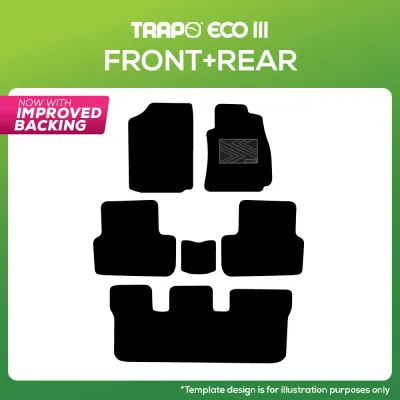
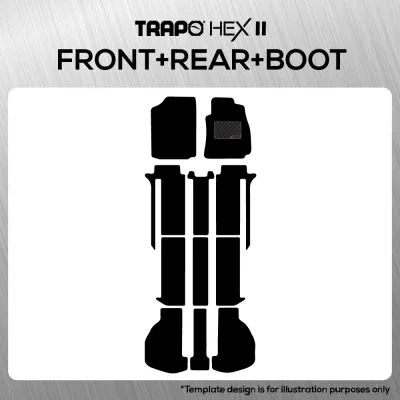
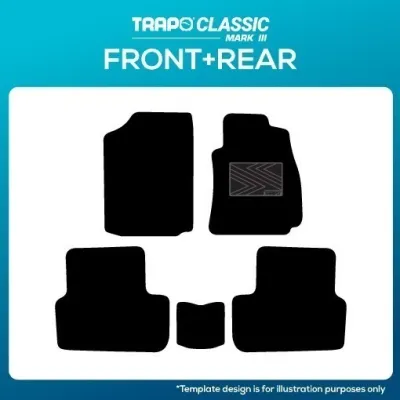
Prices are valid at publication and may change. Please refer to the product page for the latest price.
Edge height and total coverage area determine how well a mat protects your car’s original carpet from dirt, mud, and liquid spills. High-quality full-surround mats should extend high up the footwell walls, covering the sides of the center console and the door sills. When comparing brands, look at how the edges are finished and whether they feature reinforced borders. A taller edge provides better spill containment—which is especially important during Singapore’s sudden monsoon downpours—but only if the material possesses enough structural integrity to stand upright without sagging over time.
Initial odor and off-gassing are major considerations for cabin air quality, particularly in tropical climates. When a car is parked outdoors under the intense sun, interior temperatures can soar, accelerating the release of volatile organic compounds (VOCs) from low-grade plastics and adhesives. Before purchasing any floor mat brand, check for material safety certifications such as RoHS or REACH. If you are buying from a physical retail store, perform a simple sniff test; a strong, chemical chemical odor indicates poor-quality materials that may cause discomfort or headaches during long drives.
Safety and Pedal Interference Checks
Vehicle safety must always be your primary concern when installing aftermarket interior accessories. Because full-surround floor mats cover the entire footwell, they pose a potential hazard if they shift during transit. You must verify that any brand you choose features a highly effective anti-slip backing, such as a high-friction nibbed texture or a specialized hook-and-loop fastening system. Furthermore, it is absolutely necessary to use the vehicle’s factory floor retention clips; never purchase a mat that blocks or bypasses these original safety anchors.

Pedal clearance verification is a critical safety check that you must perform immediately after installing any new set of mats. With the vehicle parked and the engine completely turned off, depress the accelerator, brake, and clutch pedals (if applicable) slowly through their full range of travel. Observe whether the pedal arms or pads catch, rub, or bunch up against the edge of the mat. There must be a clear, unobstructed path for every pedal to return to its fully released position without any resistance or interference from the mat’s structure.
Poor structural rigidity in a floor mat can lead to dangerous situations on the road. If a mat is too soft or lacks a rigid core layer, it can slide forward under heavy braking, potentially trapping the accelerator pedal in a depressed position or preventing you from fully applying the brakes. When comparing brands, press down firmly on the vertical sections of the mat near the pedals; if the material collapses easily under light pressure, it may not maintain its shape under the physical stress of daily driving.
Fitment, Installation, and Vehicle Compatibility
Many premium floor mat brands claim to use advanced 3D scanning or custom-molding technology to ensure a perfect fit. However, actual production tolerances can vary, leading to noticeable edge gaps, loose console fitment, or poor door sill alignment. When installing a new set of mats, inspect the perimeter carefully. The mat should hug the contours of the floor pan tightly; any significant gaps or loose flaps can trap dirt underneath or catch on your footwear as you enter and exit the vehicle.
Seat rail clearance is another area where generic or poorly measured custom mats frequently fail. Full-surround mats extend far back into the footwells and can easily interfere with the movement of the front seats. Check that the mats do not overlap the metal seat tracks or block the path of manual seat adjustment levers. For vehicles equipped with power-adjustable seats, a mat that pinches the track can overload the electric motor, leading to blown fuses or expensive mechanical damage.
Modern vehicle cabins house a variety of sensitive components beneath the seats that must remain completely unobstructed. When comparing floor mat designs, ensure that the mats feature precise cutouts or low-profile sections that do not block under-seat air conditioning vents, factory subwoofers, or critical electrical connectors (such as those for the side airbags). Blocking AC vents restricts cabin airflow, while pinching or pulling on electrical wiring harnesses during mat installation can trigger dashboard warning lights or disable safety systems.
Maintenance, Cleaning, and Long-Term Durability
Daily upkeep is a major factor in the long-term satisfaction of your purchase. Singapore’s wet weather means your mats will regularly encounter water, mud, and street grime. Before buying, check the manufacturer’s care label to identify the authorized cleaning agents. While some heavy-duty TPE mats can be sprayed down with a high-pressure hose and scrubbed with mild detergent, synthetic leather mats often require gentler care, such as wiping with a damp microfiber cloth and avoiding harsh chemical cleaners that can strip the protective top layer.
Ease of removal and reinstallation is crucial for routine maintenance. Because full-surround mats are large and semi-rigid, removing them from the tight confines of a car cabin can be challenging. If a mat is too stiff or lacks strategic fold lines, you may struggle to extract it without scratching your door panels, steering wheel, or leather seats. Furthermore, repeatedly bending a poorly constructed mat during removal can cause permanent creasing, cracking, or structural deformation that ruins its original fit.
Long-term durability is heavily tested on the driver’s side, where constant foot movement concentrates wear on the heel pad area. High-quality brands typically reinforce this zone with a durable metal, rubber, or heavy-duty plastic heel plate. Without this reinforcement, the friction from your shoes will quickly wear a hole through the material. Additionally, evaluate how the materials withstand prolonged exposure to high cabin temperatures; low-grade plastics and adhesives can warp, delaminate, or become brittle after a few seasons of parking in direct sunlight.
Value Assessment and Decision Framework
To determine the best overall value, you must weigh the price-to-coverage ratio against the verified warranty terms provided on the product packaging or official store listings. Prices in Singapore can range from under S$100 for basic generic options to several hundred S$ for premium, multi-layered custom brands. A higher price tag is only justified if it comes with a comprehensive warranty covering manufacturing defects, material delamination, or premature wear, and if the fitment is demonstrably superior for your specific vehicle.
You should choose Oto Ripples if you prefer their signature ripple-textured aesthetic, find that their right-hand drive (RHD) templates match your exact vehicle model during a physical inspection, and want a balance of synthetic leather styling with deep-dish spill containment. Their design is particularly suited for drivers who appreciate a distinct, textured look that complements a modern car interior while providing solid coverage up the sides of the footwell.
Conversely, you should choose a competing brand if you require a pure, injection-molded TPE material for maximum waterproof durability, prefer a minimalist flat design without heavy textures, or if Oto Ripples does not offer a verified template for your specific vehicle make and trim. Drivers who frequently transport wet gear, pets, or outdoor equipment may find that a utilitarian, hose-washable TPE mat from a competing brand better suits their rugged lifestyle.
Before making any final purchase, you must verify several critical vehicle conditions. Always cross-reference your exact car model year, trim level, and drive configuration. Because Singapore is a right-hand drive (RHD) market, importing or purchasing mats designed for left-hand drive (LHD) vehicles will result in a completely unusable fit, incorrect pedal cutouts, and severe safety hazards. If your vehicle has unique floor pan variations—such as those found in hybrid models with under-seat batteries—confirm compatibility directly with the manufacturer or retailer before buying.
Frequently Asked Questions (FAQ)
Do full-surround floor mats affect my car's resale value?
Yes, high-quality and properly fitted full-surround floor mats can help preserve your car’s resale value by protecting the original factory carpet from permanent stains, wear, and tear. However, this protection only works if the mats fit perfectly and do not trap moisture underneath. A poorly fitting mat that allows water to seep through can cause mold, mildew, or rust on the floor pan, which will severely damage the interior and lower the vehicle’s value. It is highly recommended to periodically remove the mats to inspect and air out the original carpet.
Can I install full-surround floor mats over my car's existing carpet mats?
No, you must never install full-surround floor mats over your car’s existing carpet mats. Double-stacking floor mats is a major safety hazard because it increases the overall thickness of the flooring, which directly interferes with pedal travel and can trap the accelerator or brake pedal. Additionally, stacking mats prevents the safety retention clips from securing the top mat properly, causing it to slide forward while driving. Always remove all existing floor mats before installing a new set of full-surround mats.
How do I verify if a specific mat brand fits my exact car model and year?
To verify compatibility, you should cross-reference your vehicle’s exact make, model, production year, and trim level with the manufacturer’s official compatibility chart. Do not rely on broad category terms, as floor pan layouts can change significantly between vehicle generations or even minor facelift models. If you are purchasing online, contact the seller directly to confirm right-hand drive (RHD) compatibility, or visit a local automotive accessory retailer in Singapore to perform a physical test-fit of the mats in your vehicle before finalizing the purchase.

Community discussion
Share your experience or ask a question. Comments are reviewed before publication.