
Selecting the right motorcycle raincoat is a critical decision for riders who face unpredictable weather, especially when sudden tropical downpours can saturate standard riding gear in minutes. The choice between a one-piece full-body suit and a two-piece jacket-and-pants set ultimately hinges on how you balance absolute weather protection against daily convenience and storage limitations. While a one-piece suit provides an uninterrupted shield against heavy rain, a two-piece design offers modular flexibility that is often easier to manage during a daily commute.
Structural Differences: One-Piece vs Two-Piece Designs
A one-piece suit is a single, continuous garment that covers you from the ankles to the collar. This design eliminates the gap at the waist, which is the most common point of failure in two-piece setups. Entry is typically achieved through a long, diagonal zipper running from the collar down to the thigh or shin, protected by a storm flap.
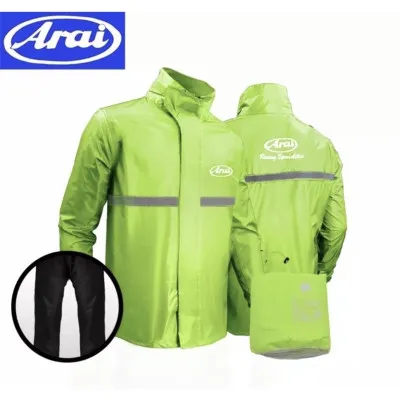
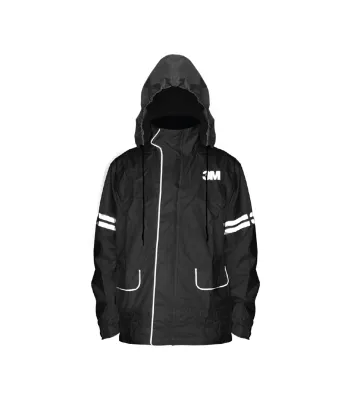
A two-piece set consists of a separate jacket and pants. This modular design allows you to wear either piece independently. The jacket usually features a standard front zipper with a storm flap, while the pants rely on an elasticized or adjustable waistband.
Products mentioned in this guide
![[SG Ready Stock] Double layer Raincoat Rainsuit Premium PVC Coat Reflective Leak Free Riding Block Wind Rain Coats Outdoors 雨衣](https://img.lazcdn.com/g/p/6d965503adf12211edb1469ed1dfc704.jpg_400x400q80.jpg_.webp)
![[SG SELLER] WATERPROOF RAINCOAT WITH PANTS SUIT IN A SET HIGH QUALITY DOUBLE LAYER FOR RIDING MOTORCYCLE OUTDOOR](https://img.lazcdn.com/g/p/62b9a668e4ba669d87be2f2ae4a6230e.jpg_400x400q80.jpg_.webp)
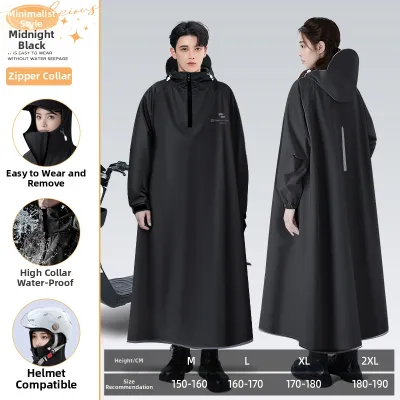
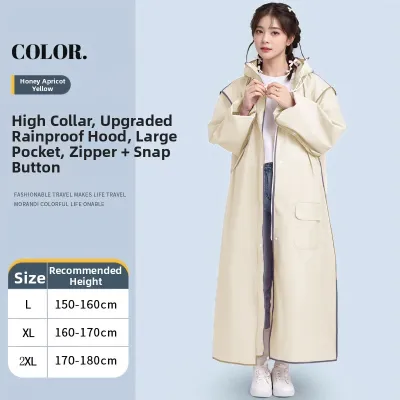
Prices are valid at publication and may change. Please refer to the product page for the latest price.
Both designs must accommodate your underlying armored riding jackets and pants. Because protective armor adds significant bulk, a raincoat must have a generous cut. One-piece suits require careful stepping-in and sleeve alignment to avoid binding over shoulder and elbow armor, whereas two-piece sets allow you to pull the pants over your boots first before donning the jacket over your armored upper body.
Convenience and Storage for Daily Commuting
For daily commuters, storage space is a premium commodity. Under-seat compartments on scooters or compact top boxes on street bikes have limited volume. Two-piece raincoats are generally easier to pack because they can be folded individually and tucked into separate corners of your luggage or under-seat bay. A one-piece suit, due to its continuous fabric and long, heavy-duty zipper, tends to roll into a bulkier, more rigid bundle that requires a larger, dedicated space.

The speed of deployment is another critical factor when a sudden storm hits. When riding in urban environments, you may only have a brief window—such as stopping under a flyover or roadside shelter—to put on your wet-weather gear. Pulling on a two-piece set is often faster and less awkward; you can slip the pants over your boots while standing, then quickly throw on the jacket. A one-piece suit requires you to step into both legs, pull the suit up over your torso, and thread your arms through the sleeves, which can be challenging to balance on a wet roadside.
Additionally, the two-piece set offers unmatched versatility. If you encounter a light drizzle or need to walk around off the bike in damp conditions, you can wear just the jacket. A one-piece suit forces an all-or-nothing approach, meaning you must wear the entire suit even when only light protection is needed, which can quickly lead to overheating.
Weather Protection: What to Check on the Label
When evaluating weather protection, the primary vulnerability of any two-piece suit is the waist area. At highway speeds, wind can force water upward under the hem of the jacket, eventually bypassing the waistband of the pants. One-piece suits completely eliminate this risk because there is no physical separation between the upper and lower halves, making them the preferred choice for sustained riding in torrential downpours.
Regardless of the style you choose, you must inspect the manufacturer’s specifications and care labels to verify the quality of waterproofing. Look for garments that feature fully taped or heat-sealed seams rather than simple stitching, as needle holes are notorious for letting water seep through. Check the product tags for waterproof membrane ratings, which indicate the material’s resistance to water pressure.
In humid tropical climates, managing internal condensation is just as important as keeping external water out. High humidity combined with physical exertion can quickly turn the inside of a sealed plastic raincoat into a sauna. Verify that the raincoat features built-in ventilation, such as underarm vents, back flaps, or breathable membranes that allow heat and moisture vapor to escape without letting rain in.
Safety, Fit, and Visibility Over Riding Gear
Riding in heavy rain drastically reduces visibility for all road users. Therefore, your raincoat must enhance your presence on the road. Check the garment for strategically placed reflective panels or high-visibility piping. These reflective elements should be positioned across the upper back, chest, and along the lower legs, ensuring you remain visible to other motorists from multiple angles during low-light or nighttime downpours.
A proper fit is also essential for aerodynamic stability and safety. Loose, flapping fabric at high speeds is not only distracting but can also cause fatigue and snag on motorcycle controls. Look for adjustable closures at the wrists, ankles, and neck. These hook-and-loop straps or elastic drawcords allow you to cinch the material tightly over your gloves and boots, preventing wind from ballooning the suit and stopping water from creeping up your sleeves or down your collar.
Before finalizing your purchase, always test the fit of the raincoat over your complete riding setup, including your helmet and armored gear. Put on your armor, wear your helmet, and slip the raincoat over them. Ensure you can turn your head fully to check your blind spots without the collar pulling tightly, and verify that you can reach the handlebars comfortably without any restriction across the shoulders or back.
Decision Guide: Which Full Raincoat Suits Your Ride?
To finalize your decision, consider your specific riding profile and environmental conditions.
Choose a one-piece suit if: You frequently undertake long-distance touring, ride in sustained heavy downpours, and prioritize maximum waterproof integrity over quick removal. The continuous barrier ensures that even during hours of riding in the rain, no water will penetrate the waistline.
Choose a two-piece set if: You are a daily commuter who needs quick on-and-off convenience during sudden roadside stops, have limited under-seat or top box storage space, and want the flexibility to wear the jacket independently during light drizzles or off-bike activities.
Verify first if: You are unsure about sizing. Always consult the manufacturer’s specific sizing chart and take your measurements while wearing your thickest armored riding gear. Never assume your raincoat size matches your standard t-shirt or jacket size, as rain gear is designed to be oversized to fit over protective equipment.
Frequently Asked Questions (FAQ)
How should I clean and maintain my motorcycle raincoat to preserve its waterproofing?
To maintain the waterproof integrity of your motorcycle raincoat, always consult the manufacturer’s care label for specific washing instructions and temperature limits. Avoid standard household detergents and fabric softeners, as they can clog breathable membranes and strip away water-resistant coatings. Instead, use a mild, non-detergent cleaner specifically formulated for technical outdoor or motorcycle gear. Hand washing or using a gentle machine cycle is typically recommended. After washing, air dry the garment completely away from direct heat sources. If the outer fabric begins to absorb water rather than shedding it, reapply a compatible durable water repellent (DWR) spray as recommended by the manufacturer.
Can I wear a full motorcycle raincoat over my leather riding suit?
Yes, you can wear a full motorcycle raincoat over a leather riding suit, but doing so requires careful attention to sizing and fit. Leather suits, especially those with integrated shoulder, elbow, and knee armor, add significant bulk and can restrict your range of motion if the outer rain layer is too tight. A raincoat that is too small will compress your protective armor and limit your flexibility, which compromises your safety on the road. When purchasing a raincoat to wear over leather, look for designs with adjustable gussets, stretch panels, or consider sizing up. Always test the combination statically by sitting on your motorcycle and mimicking riding movements to ensure you retain full control and comfort.
Community discussion
Share your experience or ask a question. Comments are reviewed before publication.