
Choosing the right rear view mirror for your car depends on whether you want to restore your vehicle to its original factory condition, find a quick and temporary fix, or upgrade your driving experience with modern technology. The decision comes down to balancing compatibility, installation complexity, and integrated features. By understanding how original equipment manufacturer (OEM) parts, universal clip-on options, and aftermarket replacements compare, you can select a mirror that ensures clear visibility and maintains your vehicle’s safety systems.
Understanding the Three Main Types of Rear View Mirrors
OEM replacement mirrors are built by or directly for your vehicle’s manufacturer. These components offer an exact factory fit, matching the original mounting bracket, size, and aesthetic of your cabin. Because they are designed specifically for your car’s make and model, they preserve all original features, such as auto-dimming glass, integrated compasses, and connections to advanced driver assistance systems (ADAS). However, this precise engineering and guaranteed compatibility typically come with a higher price tag than alternative options.
Universal clip-on mirrors offer a straightforward, tool-free solution for drivers seeking a quick replacement or a wider field of view. These mirrors attach directly over your existing factory mirror using spring-loaded clamps or elastic straps. While they provide broad vehicle compatibility across various makes and models, they can introduce certain drawbacks. The added weight of a clip-on mirror can cause the original mounting arm to vibrate while driving, and the larger size may occasionally obstruct your forward sightline or interfere with sun visor operation.
Products mentioned in this guide
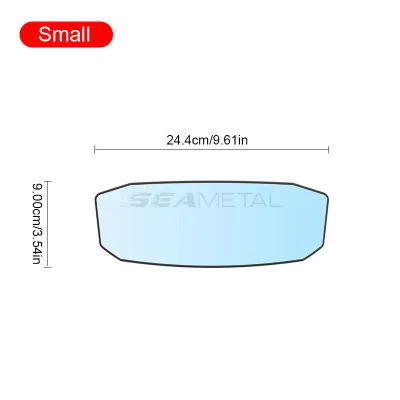
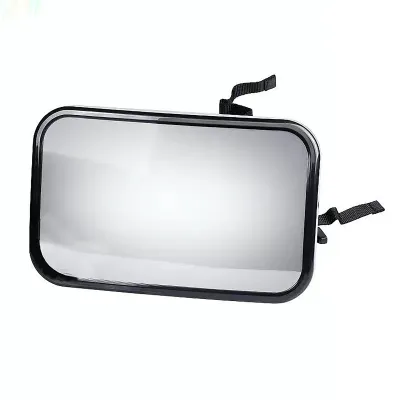

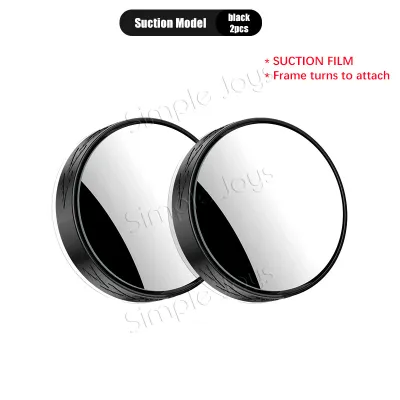
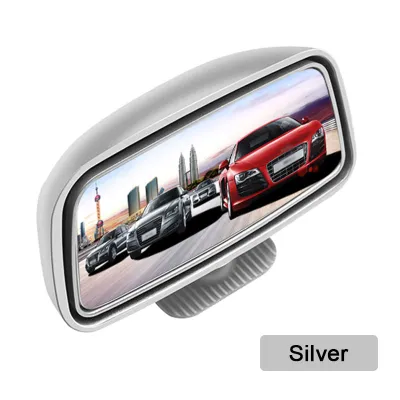
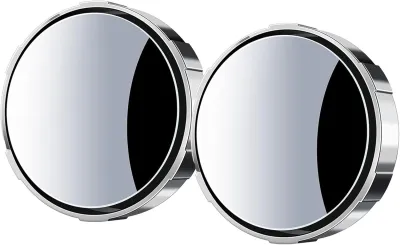
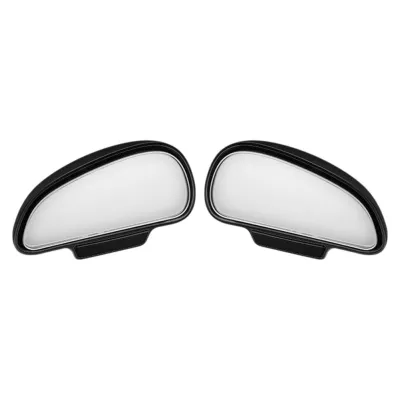

Prices are valid at publication and may change. Please refer to the product page for the latest price.
Aftermarket replacement mirrors are designed to replace your factory mirror entirely while offering custom styling or upgraded features. These units often integrate modern technology, such as built-in dashcams, digital backup camera displays, or blind-spot monitoring indicators. Installing an aftermarket replacement requires removing the original mirror from the windshield button and often involves routing electrical wiring through the headliner. This makes them highly functional but more complex to install than clip-on alternatives.
Key Comparison Dimensions for Your Decision
When evaluating rear view mirrors, fitment and compatibility must be your first consideration. Vehicles use various windshield mounting buttons, brackets, and twist-lock mechanisms that differ by manufacturer and model year. Before purchasing any replacement, you must verify the mounting style of your vehicle and check if the new mirror requires a specific adapter. Additionally, many modern cars house rain sensors, forward-facing cameras, or humidity sensors in a plastic shroud behind the mirror, which can restrict the space available for aftermarket mounts.

Feature integration is another critical dimension, especially if your original mirror includes electrical components. If your factory mirror has auto-dimming capabilities, a built-in garage door opener, or passenger airbag indicator lights, switching to a basic manual mirror will disable these functions. Conversely, if you plan to upgrade to a mirror with integrated displays or sensors, you must assess whether your vehicle can support the necessary power connections and signal inputs without compromising other electrical systems.
Installation complexity directly impacts both safety and overall cost. A universal clip-on mirror requires no tools and can be mounted in seconds, making it highly accessible. In contrast, a full aftermarket or OEM replacement requires careful handling of the windshield glass to avoid cracking the laminate. If the replacement mirror includes active electronic features, you will need to route wiring to the vehicle’s fuse box or existing harness, which demands a basic understanding of automotive electrical systems.
Cost and value considerations vary widely across the three categories. Basic universal clip-on mirrors are highly economical, often priced under S$30 on online marketplaces, making them ideal for budget-conscious drivers or temporary fixes. Standard aftermarket replacements generally range from S$50 to S$150, depending on the integrated features. OEM replacements represent the premium tier, often exceeding S$200 or S$300 due to their vehicle-specific engineering, certified safety standards, and guaranteed compatibility with onboard electronics.
Decision Framework: Which Mirror Suits Your Vehicle?
You should choose an OEM replacement mirror if you prioritize structural safety, want to retain all original factory features, and require guaranteed compatibility. This option is highly recommended for newer vehicles, leased cars, or models equipped with complex safety systems integrated into the mirror assembly. By choosing an OEM part, you ensure that the vehicle’s cabin aesthetics and resale value remain intact, while avoiding any potential issues with insurance coverage or vehicle inspections.
Opt for a universal clip-on mirror if you need an immediate, low-cost solution for a damaged mirror glass or want to temporarily expand your rearward field of view. This type is highly suitable for older vehicles where investing in expensive OEM parts is not financially practical. It is also an excellent choice for drivers who want to add a basic rear-facing display or wide-angle view without making permanent modifications to the vehicle’s interior.
Select an aftermarket replacement mirror if you want to upgrade your vehicle’s technology and are prepared to handle a more involved installation process. This path is ideal for drivers of older or base-model cars who want to add modern conveniences like a dual-channel dashcam or a reversing camera display. Before purchasing, ensure you are comfortable with routing wires behind the vehicle’s trim panels or are willing to pay for professional installation.
Always verify your vehicle’s configuration first if your car features advanced driver assistance systems (ADAS) or rain sensors mounted near the mirror. In many modern vehicles, the forward-facing camera responsible for lane-keep assist and automatic emergency braking is calibrated relative to the windshield and mirror assembly. Modifying or replacing the mirror without checking the manufacturer’s guidelines can disrupt these safety systems, potentially requiring a costly recalibration at a qualified service center.
Installation and Safety Boundaries
Before attempting to remove or install any rear view mirror, always consult your vehicle owner’s manual for specific procedures and safety warnings. The manual provides crucial details on how to safely detach the mirror from the windshield button without applying excessive force. Because the mounting button is bonded directly to the glass with high-strength adhesive, pulling or twisting the mirror incorrectly can easily crack the windshield, leading to an expensive replacement.
Recognizing stop conditions is essential for preventing vehicle damage during installation. If you encounter a stripped mounting screw, a loose windshield button, or visible hairline cracks in the glass around the mount, stop immediately. Do not attempt to glue a loose metal button back onto the windshield using standard household adhesives, as these can fail under high cabin temperatures. Additionally, if your vehicle displays any ADAS warning lights after you disconnect the original mirror, do not drive the vehicle until the system has been inspected.
You should consult a qualified automotive technician or professional installer when dealing with complex electrical wiring or structural adhesives. Hardwiring an aftermarket mirror to your vehicle’s fuse box requires proper circuit protection to prevent electrical shorts or battery drain. Furthermore, if your vehicle’s forward-facing safety cameras are housed within the mirror shroud, a professional must handle the installation to ensure the cameras remain properly aligned and calibrated according to factory specifications.
Frequently Asked Questions (FAQ)
Can I install an auto-dimming mirror if my car didn't come with one?
Yes, you can install an auto-dimming mirror, but it requires a dedicated power source to operate the internal light sensors and electrochromic glass. You will need to route a wiring harness from the mirror down to your vehicle’s fuse box, connecting it to a switched power source that turns off with the ignition. Before purchasing, verify that your vehicle’s electrical system can accommodate the minor additional draw and check if your windshield mounting button is compatible with the new mirror’s bracket.
Will a universal clip-on mirror block my view or fall off?
A universal clip-on mirror can block your forward view if it is excessively large or if your vehicle has a low windshield profile. To prevent this, measure your existing mirror and compare it with the dimensions of the clip-on model before buying. To ensure the mirror does not fall off, regularly check the tension of the mounting clamps or rubber straps, as heat and vibration can cause them to loosen over time. Avoid choosing heavy, oversized models that place excessive strain on a weak or aging factory mirror mount.
Community discussion
Share your experience or ask a question. Comments are reviewed before publication.