
Quick Answer: OEM or Aftermarket for Your XMAX?
Choosing between Original Equipment Manufacturer (OEM) and aftermarket footrests for your Yamaha XMAX depends on your primary riding priorities, budget, and comfort requirements. If your main goal is guaranteed compatibility, straightforward installation, and maintaining your scooter’s original factory warranty, OEM footrests are the ideal choice. These genuine parts are engineered specifically for your scooter’s exact dimensions and offer factory-tested ergonomics.
Conversely, aftermarket footrests are the better option if you want to customize your scooter’s appearance, adjust your riding posture, or find a more budget-friendly replacement. Third-party options frequently feature unique materials, anodized colors, and adjustable designs that allow you to fine-tune your foot positioning.
Regardless of which path you choose, verifying compatibility with your specific Yamaha XMAX model year is a mandatory step before making any purchase. Mounting points, fairing shapes, and frame dimensions often change between production generations, meaning a part designed for an older model may not fit a newer variant.
Products mentioned in this guide
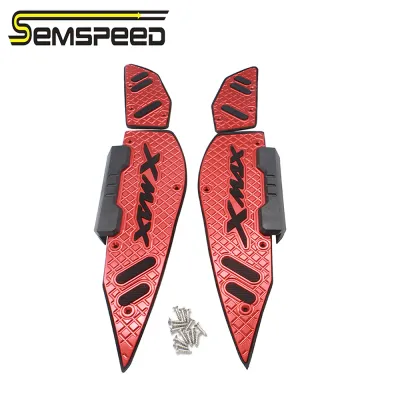
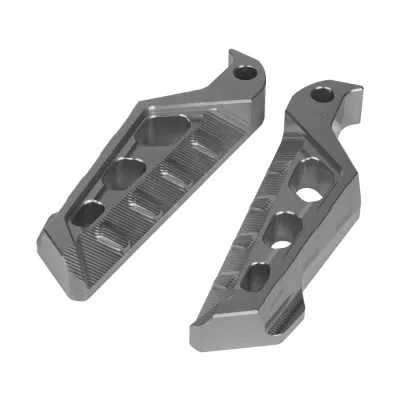
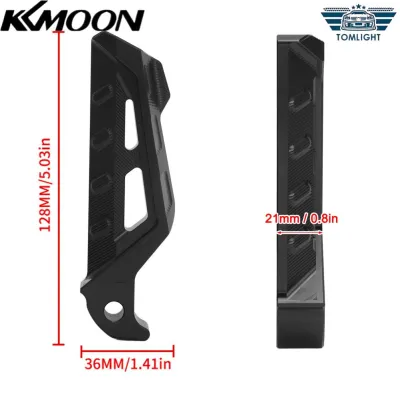
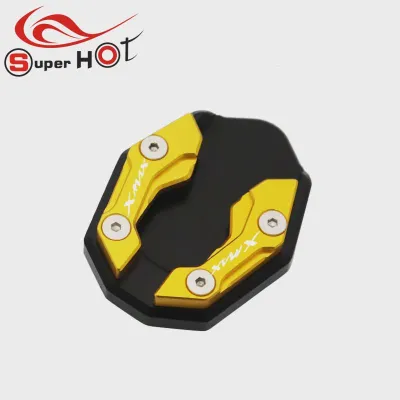
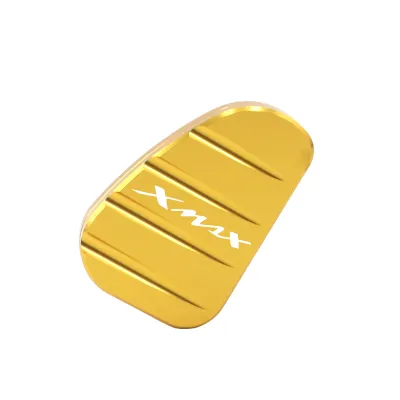
Prices are valid at publication and may change. Please refer to the product page for the latest price.
Defining OEM and Aftermarket XMAX Footrests
To make an informed decision, it is essential to understand what sets genuine factory components apart from third-party alternatives. OEM footrests are genuine parts produced directly by or under contract for Yamaha. These components are identical to the parts installed on your XMAX at the factory, ensuring they meet strict quality control standards and precise engineering tolerances.

Aftermarket footrests are designed and manufactured by independent third-party companies. These products are engineered to fit the XMAX but often deviate from the original design to offer alternative aesthetics, materials, or functional features. They range from premium CNC-machined aluminum floorboards to basic replacement pegs and budget-friendly rubber pads.
Because the Yamaha XMAX has undergone several design updates across different generations, you must pay close attention to your scooter’s production year. For instance, the bodywork and mounting configurations of earlier generations differ from the redesigned body panels of more recent models. A mismatch in model years can result in misaligned bolt holes or interference with the scooter’s plastic fairings.
Fitment and Installation Requirements
Installing OEM footrests is typically a direct bolt-on process. Because these parts are manufactured to factory specifications, they align perfectly with the existing mounting points on your scooter’s frame. This eliminates the need for drilling, filing, or using specialized adapters, making the installation process straightforward for riders with basic mechanical skills.
Aftermarket footrests, however, can vary significantly in their installation complexity. While many high-quality aftermarket floorboards are designed to be direct replacements, some adjustable pegs or universal-fit options may require specialized mounting brackets, spacers, or longer bolts. In some cases, minor modifications to the surrounding plastic fairings may be necessary to achieve a secure fit.
Before purchasing any footrest, always check the product description for explicit compatibility with your exact XMAX model year. Refer to your motorcycle’s official service manual to find the correct torque specifications for all mounting bolts. Properly torquing the fasteners prevents them from vibrating loose over time, which is critical for maintaining rider safety. If an aftermarket kit requires complex modifications to the frame, fairings, or nearby control cables, seek professional installation from a qualified mechanic.
Material Quality and Durability Checks
Evaluating the build quality of footrests requires looking closely at the materials used in their construction. OEM footrests generally utilize a combination of high-grade reinforced plastics, cast aluminum alloys, and thick rubber dampening pads. These materials are selected by factory engineers to withstand daily wear, resist environmental exposure, and absorb high-frequency engine vibrations.
When evaluating aftermarket options, inspect the manufacturer’s material specifications rather than relying on product photos alone. Premium aftermarket footrests often feature CNC-machined billet aluminum, such as 6061-T6 alloy, which offers excellent strength-to-weight ratios. However, lower-end aftermarket parts may use cheaper cast alloys that are more prone to cracking under heavy loads or during minor impacts.
Wet weather traction is another critical factor, especially when riding in tropical climates prone to sudden, heavy downpours. Look for footrests that feature deep knurling, aggressive textured patterns, or integrated rubber pads. Smooth or poorly textured metal surfaces can become exceptionally slippery when wet, reducing your control and increasing the risk of your feet slipping off the pegs during sudden maneuvers.
Finally, verify the surface treatment of any metal components. High-quality aluminum footrests should feature anodized or powder-coated finishes to protect against corrosion, oxidation, and fading from UV exposure. Check the manufacturer’s specifications to confirm that these protective coatings are rated for long-term outdoor durability.
Ergonomics and Riding Comfort
Your footrests play a major role in determining your overall riding posture, knee angle, and weight distribution. OEM footrests are designed around standard rider ergonomics, offering a balanced position suitable for daily commuting and occasional long-distance touring. This factory layout is engineered to accommodate a wide range of rider heights comfortably.
Aftermarket footrests often provide opportunities to alter this standard riding position. Some aftermarket pegs feature adjustable offsets, allowing you to move the foot position slightly forward, backward, higher, or lower. This adjustability can be highly beneficial for taller riders looking to open up their knee angle, or shorter riders seeking a more secure footing when stopped.
Before investing in an aftermarket ergonomic upgrade, take the time to measure your current setup. Note the height, angle, and width of your existing footrests, and identify any specific areas of discomfort during your rides. This baseline measurement will help you determine if an adjustable aftermarket option is truly necessary to resolve your ergonomic concerns, or if the standard OEM position remains the most practical choice.
Price and Value Assessment
When comparing the financial aspects of OEM and aftermarket footrests, it is important to look beyond the initial purchase price. To find accurate pricing for genuine OEM parts, contact an authorized local Yamaha dealership or consult official online parts catalogs. While OEM parts often carry a higher upfront cost, they offer guaranteed compatibility and long-term durability, reducing the likelihood of premature replacement.
Aftermarket options are available across a wide price spectrum on various online marketplaces and specialty motorcycle shops. While budget-friendly aftermarket options can be highly appealing, extremely low-priced parts may compromise on material quality, surface finishes, or hardware strength. Premium aftermarket brands may cost as much as, or more than, OEM components due to specialized designs and high-grade materials.
Be sure to factor in potential hidden costs when calculating the total value of your purchase. Some aftermarket kits are sold without the necessary mounting brackets, pins, or return springs, requiring you to purchase these components separately. Additionally, if the installation process is complex or requires specialized tools, you should budget for professional labor fees at a local motorcycle workshop to ensure the parts are installed safely.
Decision Framework: Which Footrest Should You Buy?
To make your final decision, evaluate your specific riding needs, budget, and technical comfort level against the characteristics of each option.
When to Choose OEM Footrests:
- You want a guaranteed, perfect fit without the need for modifications or extra hardware.
- You prefer to maintain the original factory appearance and preserve any active vehicle warranties.
- You find the stock riding position comfortable and do not require ergonomic adjustments.
- You want to ensure the parts have been fully tested by the manufacturer for long-term durability.
When to Choose Aftermarket Footrests:
- You want to customize the visual style of your XMAX with specific colors, metallic finishes, or modern designs.
- You need to adjust your foot position to relieve knee, hip, or ankle discomfort during extended rides.
- You are looking for specialized features, such as extra-wide platforms or highly aggressive grip patterns for wet weather riding.
- You are replacing a damaged component and have found a reputable third-party alternative that fits your budget.
Before finalizing any purchase, verify that the seller provides a clear return policy and an explicit compatibility list for your exact XMAX variant. Taking these precautions ensures you can return or exchange the part if it does not align perfectly with your scooter’s frame during installation.
Frequently Asked Questions (FAQ)
Can I install adjustable aftermarket footrests on my XMAX myself?
Yes, you can install most adjustable aftermarket footrests yourself if you have basic mechanical skills and the correct tools. Typically, you will need a set of socket wrenches, hex keys, a torque wrench, and thread-locking compound to secure the bolts. Always follow the manufacturer’s installation guide alongside your XMAX service manual to ensure all components are aligned correctly. However, if the installation kit requires modifying structural components, altering the fairings, or working near brake lines, it is highly recommended to have the work completed by a professional mechanic to ensure your safety on the road.
How do I verify an aftermarket footrest fits my exact XMAX model year?
To verify compatibility, cross-reference the aftermarket product’s fitment list with your scooter’s exact model year and Vehicle Identification Number (VIN). Avoid relying on generic product titles that claim to fit all Yamaha XMAX models, as mounting points and fairing designs have changed across different production generations. If the product description does not explicitly list your specific model year, contact the manufacturer or seller directly with your bike’s registration details to confirm fitment before placing your order.
Community discussion
Share your experience or ask a question. Comments are reviewed before publication.