
A damaged or broken side mirror is more than just an aesthetic inconvenience; it is a critical safety hazard and a legal violation on the road. When searching for a replacement, car owners are faced with three primary options: Original Equipment Manufacturer (OEM), aftermarket, and universal-fit mirrors. Choosing the right one requires balancing vehicle compatibility, advanced electronic features, and your overall budget.
There is no single “best” option that fits every driver. The correct choice depends heavily on your vehicle’s age, whether it is still under warranty, and the presence of advanced electronic systems like blind-spot monitoring or integrated cameras. For newer vehicles with complex safety suites, OEM mirrors are almost always necessary to maintain full functionality. For mid-aged or out-of-warranty cars, high-quality aftermarket mirrors offer an excellent balance of cost and performance. Universal mirrors, meanwhile, are best reserved for older utility vehicles, classic cars, or temporary emergency fixes where aesthetic perfection and electronic features are not required.
To make an informed decision, you must evaluate how each mirror type impacts fitment precision, electronic compatibility, and long-term value. Understanding the structural and functional differences between these three categories is the first step toward a successful replacement.
Products mentioned in this guide
![[SG 🚚] 2pcs Car Rearview Mirror Van Blind Spot Convex Side View Wide Angle Adjustable](https://img.lazcdn.com/g/p/c3ea31a6f7eb5a0308d8a37fc36d902e.jpg_400x400q80.jpg_.webp)
![[SG 🚚] 1PC Cars Blind Spot Mirror / Round HD Glass Convex Rear View Mirror / Vehicle Side Blindspot Mirror / Universal Automobile](https://img.lazcdn.com/g/p/d85d68c0f4a2e9e4f823465cf796f3d3.jpg_400x400q80.jpg_.webp)
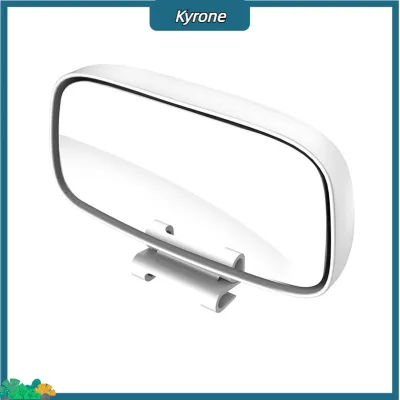
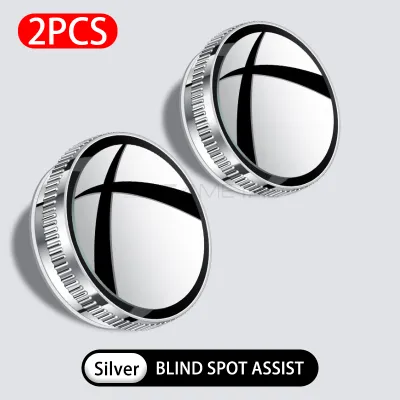
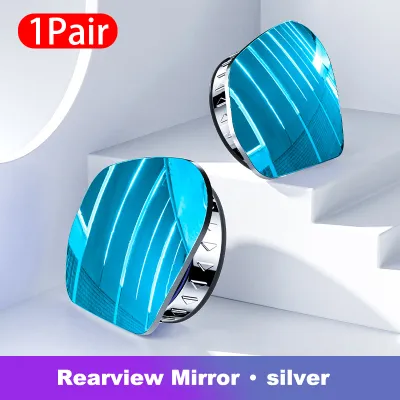
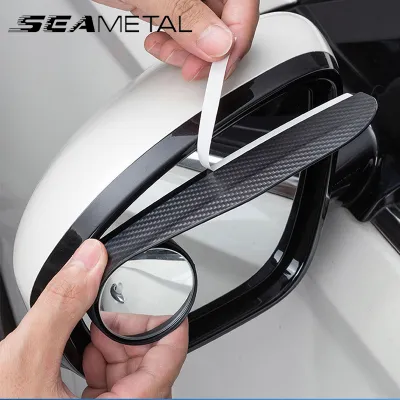
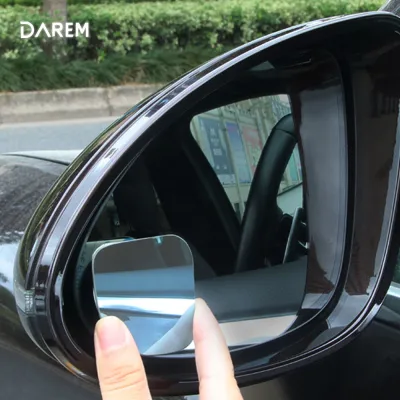
Prices are valid at publication and may change. Please refer to the product page for the latest price.
Defining the Options: OEM, Aftermarket, and Universal Mirrors
To choose the right replacement side mirror, you must first understand how these components are manufactured, sourced, and designed to interact with your vehicle’s existing systems.
OEM (Original Equipment Manufacturer) Mirrors
OEM side mirrors are produced either directly by your vehicle’s manufacturer or by a contracted Tier 1 parts supplier (such as Denso, Magna, or Ichikoh) to the exact specifications of the original vehicle. These parts are identical to the mirror that came with your vehicle when it rolled off the assembly line.
When you purchase an OEM mirror, you are guaranteed a flawless physical fit and exact matching paint codes or paint-ready primed covers. The internal wiring harness uses the identical pin configuration and connector shape as your vehicle’s factory door harness, allowing for a direct plug-and-play installation.
Most importantly, OEM mirrors are engineered to integrate seamlessly with your vehicle’s onboard computer systems. They reliably retain all proprietary electronics, including heated glass elements, power-folding motors, integrated LED turn signals, auto-dimming electrochromic glass, blind-spot monitoring (BSM) warning lights, and 360-degree surround-view cameras. Because these parts meet the manufacturer’s strict quality control standards, they preserve your vehicle’s factory warranty and original safety ratings.
Aftermarket Mirrors
Aftermarket side mirrors are designed and manufactured by third-party companies that are not affiliated with the original vehicle manufacturer. The aftermarket industry is vast, and the quality of these mirrors can vary significantly depending on the brand and manufacturing standards.
Premium aftermarket mirrors are often reverse-engineered to match the exact dimensions, mounting points, and electrical connections of the OEM part. Many of these high-end options are certified by independent testing bodies like the Certified Automotive Parts Association (CAPA), which verifies that the part performs and fits similarly to the OEM equivalent. These certified options offer a highly cost-effective alternative to expensive dealership parts.
On the other end of the spectrum are budget aftermarket mirrors, which may look identical on the outside but use cheaper internal components. When buying aftermarket, you must carefully cross-reference your vehicle’s exact make, model, year, trim level, and OEM part number. This verification is crucial because even minor trim variations can result in different wiring pin counts or subtle physical shape differences that prevent a proper fit.
Universal-Fit Mirrors
Universal-fit side mirrors are designed with a one-size-fits-all philosophy. Rather than being molded to match the specific door contour of a particular vehicle model, they feature generic mounting plates, clamp-on brackets, or adjustable arms intended to adapt to a wide variety of cars, vans, and light commercial vehicles.
Because they are designed to be highly adaptable, universal mirrors almost completely lack vehicle-specific electronic integrations. You will not find universal mirrors with integrated blind-spot sensors, memory positioning, or factory-compatible wiring harnesses. Adjustments are typically manual, requiring you to physically push the glass or use a mechanical lever inside the cabin.
Installing a universal mirror on a modern passenger car usually requires physical modifications, such as drilling new mounting holes into the door panel, fabricating custom adapter brackets, or using heavy-duty adhesives. Consequently, these mirrors are positioned strictly as an ultra-budget or temporary solution. They are highly practical for older utility vehicles, classic cars where original parts are obsolete, or commercial fleet vehicles where basic functionality is the only priority.
Comparing Fit, Quality, and Advanced Features
Replacing a side mirror involves more than just bolting a new piece of plastic onto your car door. To ensure long-term satisfaction and safety, you must compare how OEM, aftermarket, and universal mirrors perform across three critical dimensions.

Fitment and Installation
- OEM Mirrors: These units offer a true plug-and-play experience. The mounting studs align perfectly with the reinforced holes inside your vehicle's door frame, and the rubber weather stripping matches the door's contours precisely. This tight seal is essential for preventing rainwater leaks and minimizing wind noise at highway speeds. The wiring harness clicks directly into place without any splicing.
- Aftermarket Mirrors: High-quality aftermarket options generally fit well, but you may occasionally encounter minor manufacturing tolerances. This can require slight physical alignment during installation to prevent small gaps between the mirror base and the door panel. The wiring harness usually matches, but you must verify the pin count beforehand; a vehicle model might use a 5-pin connector for basic power adjustment but a 9-pin connector if the mirror is heated and has integrated turn signals.
- Universal Mirrors: These mirrors require custom physical fabrication. Because the mounting base is generic, you will likely need to drill new holes into your vehicle's exterior door skin. This process requires extreme care to avoid damaging internal door components, such as the window glass tracks or side-impact reinforcement bars. Additionally, any newly drilled holes must be thoroughly sealed with automotive-grade silicone or rust-inhibiting primer to prevent water ingress and subsequent rust formation.
Build Quality and Materials
- OEM Mirrors: Built using high-grade, UV-stabilized ABS plastics, OEM housings are engineered to withstand prolonged exposure to intense sunlight and tropical heat without warping, cracking, or fading. The mirror glass itself is of premium optical quality, featuring precise convex curvature that provides an accurate field of view with minimal distortion. The internal structural brackets are robust, ensuring the mirror remains completely stable and vibration-free at high speeds.
- Aftermarket Mirrors: The material quality of aftermarket mirrors depends heavily on the price point. Premium aftermarket brands use materials that closely rival OEM standards. However, cheap, unbranded aftermarket options often use brittle, recycled polymers that degrade quickly under UV exposure. Furthermore, budget aftermarket mirrors may use thinner glass or weaker internal mounting brackets, leading to distracting glass vibration when driving on the expressway.
- Universal Mirrors: These components are built for utility rather than refinement. The housings are often made of basic black plastic or chrome-plated steel that may be prone to weathering over time. The glass quality is generally basic, and because the mounting brackets are generic and adjustable, they are highly susceptible to wind-induced vibration, which can significantly distort your rearward vision while driving.
Electronic and Safety Features
- OEM Mirrors: This is the only category that guarantees 100% compatibility with your vehicle's advanced driver assistance systems (ADAS). If your car features blind-spot monitoring, auto-dimming glass, or a 360-degree camera system, an OEM replacement ensures these safety features continue to communicate perfectly with your vehicle's electronic control units (ECUs) without triggering dashboard error codes.
- Aftermarket Mirrors: While some premium aftermarket mirrors include electronic components like heating elements or turn signals, matching them to complex modern safety systems is highly challenging. If you install an aftermarket mirror with an integrated camera or blind-spot sensor, there is a risk that the vehicle’s central computer will not recognize the component, resulting in system failures. Before purchasing an aftermarket unit, always consult your vehicle's specific wiring diagram and verify that the replacement part's electrical impedance matches the factory specifications.
- Universal Mirrors: These mirrors offer zero electronic compatibility. Opting for a universal mirror on a modern vehicle means permanently sacrificing all integrated electronic features, which can compromise both your driving convenience and your vehicle's overall safety profile.
Budgeting for Your Replacement: Cost vs. Value
When budgeting for a side mirror replacement, it is easy to focus solely on the upfront cost of the part. However, a complete financial evaluation must account for long-term durability, painting requirements, and installation labor.
The Cost Hierarchy
In terms of initial purchase price, the hierarchy is highly consistent. OEM mirrors are the most expensive option, often costing several hundred dollars due to their specialized engineering, integrated electronics, and guaranteed fit. Premium aftermarket mirrors typically sit in the middle, offering a savings of 30% to 50% compared to OEM prices. Universal mirrors are by far the cheapest option, often available for a fraction of the cost of a branded replacement.
Hidden Costs of Painting and Labor
Many replacement side mirrors—both OEM and aftermarket—are sold “in primer,” meaning the outer plastic skull cap is unpainted raw black or grey plastic. To match your vehicle’s body color, you will need to have the cover professionally spray-painted. At a local automotive paint shop, painting a single mirror cover typically costs between S$80 and S$150, depending on the complexity of your car’s paint finish (such as multi-stage pearl or metallic paints).
Labor costs also play a major role in the total expense:
- OEM and Aftermarket: Because these parts are designed to fit your specific vehicle, a professional mechanic or automotive technician can typically complete the swap in 30 to 45 minutes. This keeps the labor charge minimal.
- Universal Mirrors: While the part itself is inexpensive, the labor required to custom-mount, drill, and manually wire a universal mirror can be extensive. If a workshop has to spend several hours fabricating brackets and modifying your door panel, the high labor cost can easily wipe out any savings you gained by purchasing a cheaper part.
Sourcing Your Parts
To ensure you receive a genuine, high-quality component, you must source your parts from reputable channels. For OEM mirrors, always buy through authorized brand distributors, official dealership parts counters, or certified brand workshops. For aftermarket mirrors, seek out established automotive stockists or reputable local workshops that vet their inventory for quality. If you are benchmarking prices on online marketplaces or ecommerce platforms, ensure you are buying from verified sellers with positive reviews, and avoid unbranded, ultra-cheap listings that offer no warranty or compatibility guarantees.
Ultimately, evaluating the total cost of ownership is far more practical than simply buying the cheapest part. Investing in a high-quality OEM or certified aftermarket mirror prevents the need for premature replacements, avoids costly dashboard error diagnostics, and preserves your vehicle’s resale value.
Safety, Compliance, and Installation
Side mirrors are not optional accessories; they are regulated safety components designed to eliminate blind spots and provide a clear view of the traffic behind you. Choosing and installing a replacement requires strict adherence to safety standards and local vehicle regulations.
Local Regulations and Compliance
In Singapore, all vehicle modifications and replacements must comply with the Land Transport Authority (LTA) guidelines. Side mirrors must provide an adequate, unobstructed field of view as specified by the vehicle’s original homologation standards.
Replacement mirrors must meet standard convex or flat glass requirements for your specific vehicle class. Installing a mirror with excessive glass distortion, or one that is physically too small, can result in a failure during your periodic vehicle inspection at authorized centers like VICOM or STA. Furthermore, any aftermarket or universal mirror installation that alters the vehicle’s original maximum width, or features sharp, unapproved protruding edges, is strictly prohibited and can lead to fines or inspection failures.
The Professional Installation Boundary
While replacing a basic, manual side mirror is a relatively straightforward task, modern mirrors with complex electronic integrations present a high level of difficulty. For any mirror replacement involving active safety features—such as blind-spot monitoring radar, lane-keep assist cameras, or high-voltage heating elements—professional installation is strongly advised.
Working on these systems requires disconnecting the vehicle’s battery, carefully removing the interior door panel without breaking the plastic retaining clips, and handling sensitive electrical connectors. Improper installation can lead to several serious issues:
- Electrical Shorts: Splicing wires incorrectly can damage the door control module or short-circuit the central body control module, leading to expensive electronic repairs.
- Dashboard Error Codes: If the vehicle's ECU detects an incorrect electrical resistance from a non-compatible aftermarket sensor, it will trigger persistent warning lights on your instrument cluster.
- Sensor Malfunctions: Advanced driver assistance systems rely on precise sensor alignment. If a mirror housing is slightly misaligned, your blind-spot monitoring system may fail to detect approaching vehicles, creating a severe safety risk.
Before attempting any disassembly or purchasing a replacement part, always consult your vehicle’s original manufacturer service manual and the replacement product’s documentation. If the instructions are unclear, or if you are dealing with complex electronic systems, always have the work performed by a qualified automotive technician.
Final Decision Guide: Which Mirror Should You Choose?
To determine the best path forward for your vehicle, use the following conditional framework to guide your purchasing decision.
Choose OEM if:
- Your vehicle is relatively new, still under factory warranty, or on a corporate lease.
- Your side mirrors are equipped with advanced electronic features, such as blind-spot monitoring, integrated cameras, auto-dimming glass, or memory positioning.
- You require a guaranteed, plug-and-play physical fit and an exact factory paint match without any modification hassle.
- You want to preserve your vehicle's maximum resale value and original safety ratings.
Choose Aftermarket if:
- Your vehicle is out of its warranty period, and you want to save between 30% and 50% compared to dealership prices.
- Your mirror features standard electronics (such as power adjustment and heating) but does not contain complex camera or radar systems.
- You can source a certified part (such as a CAPA-certified mirror) from a reputable manufacturer that guarantees compatibility.
- You are willing to cross-reference your vehicle's VIN and exact OEM part numbers to ensure a precise match before ordering.
Choose Universal if:
- You are repairing an older utility vehicle, commercial van, or classic car where OEM parts are obsolete or prohibitively expensive.
- Your vehicle does not require any electronic mirror integrations, and you are satisfied with basic manual adjustments.
- You have the necessary tools and fabrication skills—or access to a professional workshop—to safely drill, mount, and seal the mirror base to your door panel.
- You are on an extremely tight budget and simply need a functional, low-cost mirror to remain road-legal.
Verify first if:
- You are unsure about your vehicle's specific wiring harness configuration or pin count.
- You want to confirm whether a specific aftermarket modification complies with local LTA regulations for your vehicle class. Always consult a trusted automotive professional or visit an authorized inspection center to clarify compliance before making a purchase.
Frequently Asked Questions (FAQ)
Can I upgrade my manual side mirrors to power-folding ones?
While physically upgrading from manual to power-folding side mirrors is possible, it is a highly complex process. Beyond purchasing the power-folding mirror assemblies, you will typically need to run new electrical wiring through the door boot, install a factory-compatible interior switch panel, and potentially update your vehicle’s body control module software to recognize the new folding function. Because of the extensive electrical work and potential programming required, you should consult a professional automotive electrician to obtain a detailed labor and compatibility estimate before purchasing any upgrade parts.
Do I need to recalibrate the blind-spot monitoring system after a replacement?
Yes, if your replacement side mirror houses a blind-spot monitoring indicator, sensor, or a surround-view camera, professional recalibration is usually required. These safety systems rely on precise angles and alignment to detect hazards accurately. Failing to perform a professional calibration after installing a new mirror can result in system errors, false alerts, or a complete failure to detect vehicles in your blind spots, which significantly compromises your safety on the road. Always have a qualified workshop perform the necessary diagnostic calibration after replacing an ADAS-integrated mirror.
Community discussion
Share your experience or ask a question. Comments are reviewed before publication.