
Quick Answer: OEM vs Aftermarket Car Mirrors
When replacing a damaged side mirror, choosing between an Original Equipment Manufacturer (OEM) part and an aftermarket alternative comes down to a balance of cost, technical complexity, and vehicle age. OEM mirrors are produced by or directly for your car’s manufacturer, guaranteeing an identical physical fit, matching paint finish, and flawless electrical integration with your vehicle’s onboard computers. However, these benefits come at a premium price point. Aftermarket mirrors, manufactured by third-party companies, offer a highly cost-effective alternative that can save you hundreds of dollars, making them an excellent choice for older, out-of-warranty vehicles or simpler manual mirror assemblies. The optimal decision depends heavily on the specific features integrated into your mirror—such as blind-spot monitoring, auto-folding motors, or cameras—as well as local road safety regulations. For cars equipped with advanced driver-assistance systems, OEM parts are typically recommended to avoid compatibility issues, while budget-conscious drivers can find reliable, basic replacements in the aftermarket sector.
Understanding OEM and Aftermarket Car Mirror Rearview Systems
To make an informed choice, it is essential to understand the structural and manufacturing differences between OEM and aftermarket components. An OEM mirror is an exact replica of the part that came with your vehicle from the assembly line. It is built using the same molds, materials, wiring schematics, and quality control standards specified by the automaker. This ensures that every clip, bolt hole, and electrical connector aligns perfectly with your car’s existing structure. When you buy an OEM replacement, you are purchasing predictability and a guarantee of original performance.

In contrast, aftermarket mirrors are designed and produced by independent manufacturers. The quality and design of these parts can vary significantly. Some aftermarket manufacturers produce “direct-fit” replacements designed to match the original specifications as closely as possible, sometimes even obtaining certifications from automotive parts quality boards. Other aftermarket options are “universal” mirrors designed to fit a wide range of vehicle makes and models with minor modifications, or custom styling upgrades such as aerodynamic housings or carbon-fiber finishes.
Products mentioned in this guide
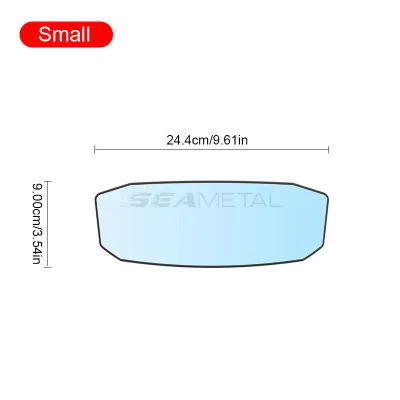

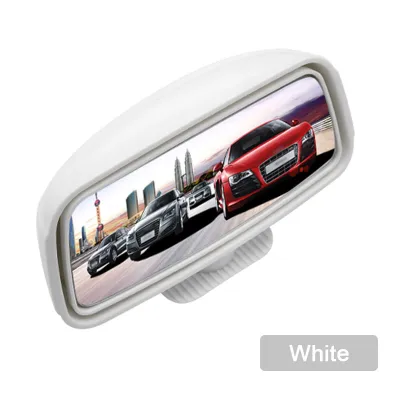
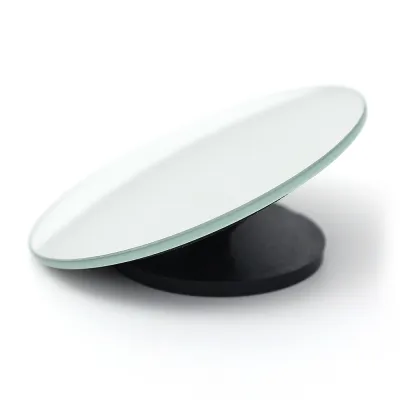
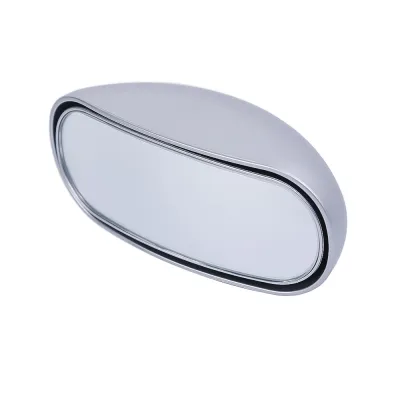
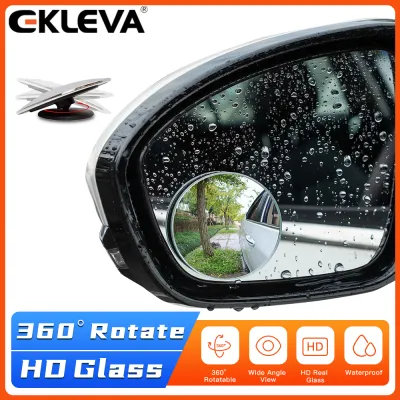
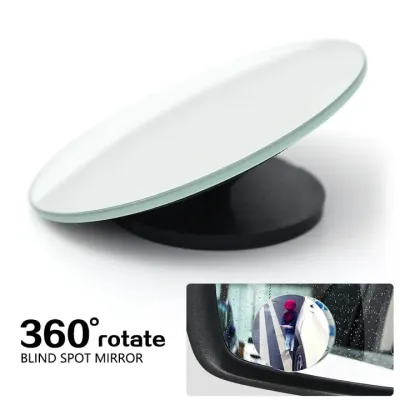
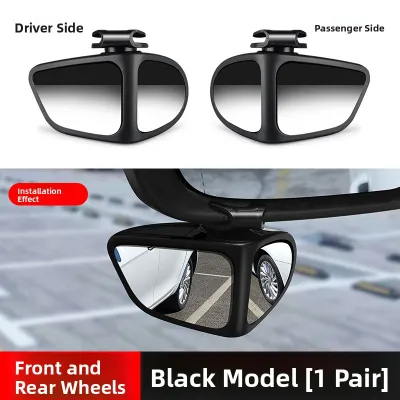
Prices are valid at publication and may change. Please refer to the product page for the latest price.
It is also helpful to distinguish between the different types of mirrors on your vehicle. While both interior rearview mirrors and exterior side mirrors (often called wing mirrors) are critical components of your car mirror rearview system, they serve different operational roles and face different environmental challenges. Interior rearview mirrors are protected from the elements and generally have simpler mounting mechanisms, though modern versions may include auto-dimming electronics or integrated dashcam displays. Exterior side mirrors, however, are highly exposed to physical impacts, weather extremes, and complex aerodynamic forces. They also house sophisticated electrical systems, making them the primary focus when evaluating the technical and financial trade-offs of OEM versus aftermarket replacements.
Key Comparison Dimensions for Mirror Replacement
Evaluating OEM and aftermarket mirrors requires looking closely at how these parts perform in real-world conditions over several years. While a replacement mirror might look perfectly fine in a product photograph, its true value is revealed during installation, highway driving, and exposure to intense environmental elements. Comparing these options across four key dimensions—fitment, electrical compatibility, build quality, and cost—will help you identify which path aligns best with your vehicle’s needs and your personal budget.
Fitment and Installation
The physical installation of a side mirror is a precise task. OEM mirrors are engineered to match the exact contours of your vehicle’s door panel, utilizing the identical bolt patterns, alignment pins, and foam sealing gaskets as the original factory part. This precise fitment ensures that the mirror sits flush against the door, creating a tight seal that prevents wind noise, whistling, and water intrusion during heavy rainstorms.
Aftermarket mirrors, particularly lower-priced generic options, can sometimes suffer from minor dimensional discrepancies. Even a deviation of a single millimeter in the mounting base can prevent the mirror from seating flush against the door frame. This gap can lead to annoying wind noise at highway speeds, such as when driving along the Pan Island Expressway (PIE) or East Coast Parkway (ECP) in Singapore. Furthermore, an imperfect seal can allow tropical rainwater to seep into the inner door panel, potentially damaging window regulators, door locks, and speaker wiring. While high-quality, vehicle-specific aftermarket mirrors fit very well, budget or universal alternatives may require you to trim plastic alignment tabs, enlarge bolt holes, or use custom brackets to achieve an acceptable fit.
Feature and Electrical Compatibility
Modern exterior mirrors are no longer simple pieces of glass in plastic housings; they are complex electrical hubs. Depending on your vehicle’s trim level, your side mirrors may contain heating elements for defogging, electric motors for power adjustment and automatic folding, LED turn signal repeaters, puddle lights, auto-dimming glass, and memory positioning sensors.
OEM mirrors feature plug-and-play wiring harnesses that match your vehicle’s factory wiring pin configuration exactly. When you plug an OEM mirror in, the vehicle’s body control module (BCM) recognizes the component immediately, allowing all electrical features to function seamlessly without any software calibration issues. Aftermarket mirrors, however, can present significant electrical integration challenges. Some third-party mirrors utilize universal wiring harnesses that require you to splice wires or use pin-adapters to connect to your car’s plug. If the aftermarket mirror’s internal resistance or pin layout does not match your vehicle’s specifications, it can trigger dashboard error codes, disable features like auto-folding, or even cause electrical shorts that damage sensitive electronic control units.
Build Quality and Durability
The durability of a side mirror is determined by the quality of its construction materials. OEM mirrors are manufactured using high-grade, UV-stabilized plastics, corrosion-resistant internal metal brackets, and premium optical glass. These materials are selected to withstand decades of exposure to harsh sunlight, extreme humidity, and high-speed vibrations without degrading, fading, or rattling.
With aftermarket mirrors, build quality varies widely across different price points. Premium aftermarket brands often use materials that closely rival OEM standards, providing excellent durability. On the other hand, budget aftermarket mirrors frequently cut corners on material costs. They may use thinner, non-UV-stabilized plastics that turn grey and brittle after a few years under the intense tropical sun. Additionally, lower-grade internal motors may fail prematurely after repeated folding cycles, and low-quality glass can suffer from poor silvering, leading to premature clouding, delamination, or excessive vibration at high speeds, which severely distorts your rearward view.
Cost and Availability
Financial considerations are often the primary driver behind choosing aftermarket parts. OEM mirrors are notoriously expensive, often costing anywhere from S$300 for basic models to well over S$1,200 for premium vehicles equipped with cameras and advanced sensors. These parts must typically be sourced through authorized dealerships or specialized OEM parts distributors, which can sometimes involve long waiting periods if the component is not currently stocked locally.
Aftermarket mirrors offer a massive financial advantage, typically priced 40% to 70% lower than their OEM counterparts. Because they are produced by multiple independent manufacturers, they are highly accessible and widely stocked by local automotive workshops, stockists, and online platforms. If you need a replacement quickly and want to avoid the high dealership markup, the aftermarket route provides unmatched convenience and affordability, provided you select a reputable brand.
Safety, Compliance, and Electrical Verification
Before purchasing any replacement mirror, it is critical to understand the safety, regulatory, and technical boundaries associated with automotive exterior components. Mirrors are not merely cosmetic accessories; they are primary safety devices required by law to maintain situational awareness on the road.
First, consider visibility and glass quality. The glass used in a car mirror rearview system must meet strict optical standards. High-quality OEM glass is designed with precise curvature—often convex on the passenger side—to maximize the field of view while minimizing distance distortion. Poorly manufactured aftermarket glass can have subtle waves or incorrect curvatures that distort your perception of how fast a vehicle is approaching in the adjacent lane. This distortion can lead to dangerous lane-changing decisions. Always check that any aftermarket mirror you purchase specifies high-optical-clarity glass.
Second, understand the electrical risks involved in DIY installation. If your vehicle features heated glass or power-folding motors, attempting to splice wires or bypass original connectors can be highly hazardous. Always consult your vehicle’s original wiring diagrams and verify fuse ratings before attempting any electrical work. Incorrect wiring can overload circuits, blow critical fuses, or cause permanent damage to your vehicle’s body control module (BCM). If the replacement mirror’s instructions conflict with your vehicle’s official service manual, always prioritize the manufacturer’s instructions or seek professional assistance.
Third, you must ensure local regulatory compliance. In Singapore, all vehicles must comply with strict Land Transport Authority (LTA) standards to remain road-legal. Exterior mirrors must not protrude beyond the maximum approved width of the vehicle, must be securely mounted to prevent vibration, and must provide the mandatory field of view required for your vehicle class. Installing non-compliant, excessively large, or improperly tinted aftermarket mirrors can result in a failure during your periodic vehicle inspection at authorized inspection centers like VICOM or STA, leading to costly fines and the requirement to reinstall compliant parts.
Finally, consider the calibration of integrated sensors. Many modern vehicles utilize Advanced Driver Assistance Systems (ADAS) that rely on sensors housed within the side mirrors. These include blind-spot detection indicators, lane-departure warning cameras, and 360-degree surround-view cameras. If you replace a mirror assembly containing these components, simply plugging the new mirror in is usually insufficient. The cameras and radar sensors must undergo a professional calibration process at a qualified workshop using specialized diagnostic equipment. Failing to calibrate these sensors can cause your blind-spot monitoring to fail, potentially leading to collisions on busy expressways.
Decision Framework: Which Mirror Should You Choose?
To finalize your decision, evaluate your vehicle’s specific characteristics, your long-term ownership plans, and your budget against these clear guidelines.
Choose OEM if:
- Your vehicle is still covered under the manufacturer's factory warranty, as installing non-OEM electrical components could potentially complicate future warranty claims related to your vehicle's electrical system.
- Your car is equipped with advanced safety technologies integrated into the mirror housing, such as blind-spot radar, lane-keep assist cameras, or 360-degree parking cameras that require precise factory calibration.
- You drive a late-model premium or luxury vehicle where preserving original factory specifications is essential to maintaining the car's resale value in Singapore's competitive used-car market.
- You want a guaranteed, hassle-free installation with a perfect paint match and zero risk of wind noise or electrical compatibility issues.
Choose Aftermarket if:
- Your vehicle is older, out of warranty, and you want to minimize repair costs relative to the car's remaining market value.
- The mirror is a basic manual-adjust or simple power-adjust model without complex integrated electronics, cameras, or advanced driver-assistance sensors.
- You are sourcing parts from a highly reputable, certified aftermarket brand that offers a verified direct-fit guarantee and a solid warranty on their components.
- You are looking for specific aesthetic or performance modifications, such as lightweight carbon-fiber housings or wide-angle blue-tinted glass, from a trusted aftermarket specialist.
Verify First if:
- You are uncertain about the compatibility of a specific aftermarket part. Always locate your vehicle's unique 17-character Vehicle Identification Number (VIN) and consult a qualified automotive technician or parts specialist to verify fitment. Before initiating any installation, carefully compare the replacement mirror's connector plug and mounting plate with the original part. If you find any discrepancies in wiring layouts, mounting points, or safety features, do not proceed with the installation; instead, consult the product manufacturer or a professional mechanic to ensure your vehicle remains safe and road-legal.
Frequently Asked Questions (FAQ)
Can I replace just the mirror glass instead of the whole assembly?
Yes, if the outer housing, mounting bracket, internal motors, and wiring of your mirror are completely undamaged, you can replace only the glass. This is a highly cost-effective solution that saves you from buying an entire assembly. Many suppliers offer pre-cut adhesive glass or glass pre-mounted on a plastic backing plate. When choosing this option, ensure the backing plate matches your specific mirror model perfectly so it clips securely into the motor mount, preventing the glass from vibrating or falling off while driving.
Do aftermarket mirrors void my car's warranty?
Installing an aftermarket mirror does not void your entire vehicle’s factory warranty. Under consumer protection guidelines, a manufacturer can only deny warranty coverage if they can prove that the aftermarket part directly caused a failure in another system. However, the warranty on the mirror assembly itself and any related electrical damage caused by improper installation (such as a short circuit in the door wiring) will not be covered by the vehicle manufacturer.
How do I find the correct OEM part number for my mirror?
To find the exact OEM part number, do not rely solely on your vehicle’s make, model, and year, as manufacturers often change mirror designs and wiring configurations mid-generation. Instead, locate your vehicle’s 17-character Vehicle Identification Number (VIN), which can be found on your vehicle’s log card via the OneMotoring portal, on the lower corner of the windshield, or on the driver’s side door jamb. Provide this VIN to an authorized dealership’s parts department or enter it into a verified online OEM parts database to retrieve the precise part number for your specific trim level.
Community discussion
Share your experience or ask a question. Comments are reviewed before publication.