
When replacing a damaged or malfunctioning rearview mirror, drivers typically face a choice between Original Equipment Manufacturer (OEM) parts and aftermarket alternatives. The right choice depends heavily on your vehicle’s electronic complexity, your budget, and your tolerance for fitment adjustments. If your car relies on integrated Advanced Driver Assistance Systems (ADAS), blind-spot monitoring, or complex wiring harnesses, OEM mirrors generally provide guaranteed compatibility and safety. Conversely, high-quality aftermarket mirrors can offer significant cost savings and acceptable performance for older vehicles or basic manual mirrors. This guide breaks down the critical differences in fit, technology integration, and long-term value to help you make an informed decision for your specific vehicle.
Modern rearview mirrors—including both the central cabin mirror and exterior side-view mirrors—are no longer simple reflective surfaces. They serve as critical housing units for sensors, cameras, and safety indicators. Choosing the wrong replacement can compromise your vehicle’s safety systems, affect its road legality, and lead to unexpected repair bills. By understanding the structural and technological differences between OEM and aftermarket options, you can select a replacement that restores full visibility and functionality without compromising your vehicle’s structural integrity.
Understanding OEM vs. Aftermarket Mirrors
Original Equipment Manufacturer (OEM) mirrors are produced directly by your vehicle’s manufacturer or by an authorized supplier commissioned to build parts to the exact specifications of the original assembly line. When you purchase an OEM mirror, you receive an identical replica of the part your car had when it rolled off the factory floor. These parts utilize the exact same materials, paint finishes, glass specifications, and internal circuitry as the original component, ensuring a seamless match in both aesthetics and performance.
Products mentioned in this guide

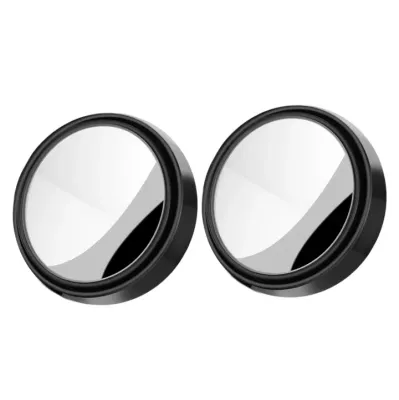
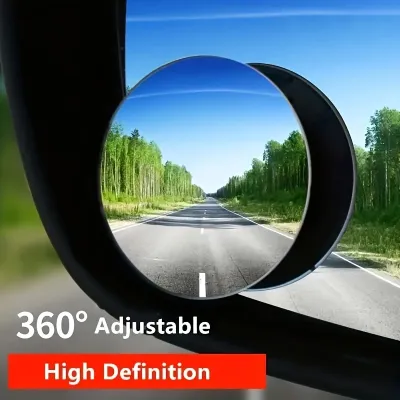
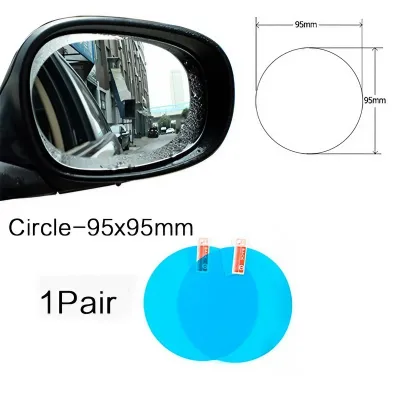
Prices are valid at publication and may change. Please refer to the product page for the latest price.
In contrast, the aftermarket spectrum is vast and varied, consisting of parts manufactured by independent companies. Some aftermarket manufacturers specialize in producing certified equivalent parts that aim to match or exceed OEM standards, often seeking third-party quality certifications. On the other end of the spectrum are generic, unbranded alternatives commonly found on online marketplaces, which prioritize low production costs over precise engineering. These generic options may use lower-grade plastics, thinner glass, or simplified wiring configurations to keep retail prices low.
Quality control processes differ significantly between the two categories. OEM parts undergo rigorous testing mandated by the vehicle manufacturer to ensure durability under extreme temperatures, vibration resistance, and long-term optical clarity. Aftermarket manufacturers operate under their own quality control guidelines, meaning the reliability of the product depends entirely on the brand’s reputation and manufacturing standards. This variation makes thorough research essential before purchasing any non-OEM exterior component.
Key Differences in Fit, Quality, and Features
Selecting a replacement mirror requires evaluating how the new component will perform in daily driving conditions. The three main pillars of comparison are physical fitment, material durability, and electronic integration. Each of these dimensions directly impacts the ease of installation, the longevity of the part, and the safety of your vehicle.

Physical Fitment and Housing Compatibility
Physical fitment determines how securely the mirror housing attaches to your vehicle’s door frame or windshield mount. OEM mirrors are engineered to align perfectly with factory mounting points, utilizing identical bolt patterns and base plate shapes. This precise alignment allows for a straightforward, bolt-on installation without the need for custom brackets, drilling, or adhesive modifications.
Aftermarket mirrors, particularly budget-friendly options, sometimes use universal mounting bases designed to fit multiple vehicle models. This design compromise can result in minor gaps between the mirror housing and the vehicle body. Poor fitment not only detracts from the car’s appearance but can also lead to significant wind noise at highway speeds, vibration that distorts your rear view, and water ingress that damages internal door electronics.
Before purchasing any replacement mirror, you must verify the exact mounting footprint, base plate shape, and vehicle model year compatibility. Even minor mid-generation vehicle refreshes can alter the mounting design, making a visual check against your vehicle’s original documentation or physical mounting bracket essential.
Glass Clarity and Material Durability
Optical quality is a critical safety factor for any rearview mirror. OEM mirrors use high-grade, first-surface glass designed to minimize distortion, eliminate double images, and provide accurate distance representation. They also feature durable anti-glare or auto-dimming coatings that remain effective over years of exposure to direct sunlight.
Aftermarket mirrors vary widely in glass quality. Lower-cost alternatives may use second-surface glass, which can cause distracting ghost images or visual distortion, making it difficult to judge the speed and distance of trailing vehicles. Additionally, the reflective coatings on cheap aftermarket glass may degrade, cloud, or peel when exposed to moisture and UV radiation.
Material durability extends to the outer plastic housing. In tropical climates with intense sunlight, such as Singapore, high-quality UV-resistant plastics are necessary to prevent the housing from fading, becoming brittle, and cracking. When evaluating aftermarket options, look for product specifications that explicitly state UV resistance and the use of automotive-grade ABS plastics rather than generic polymers.
Electronic Features and Sensor Integration
Modern rearview mirrors are highly integrated electronic components. Depending on your vehicle’s trim level, your side mirrors may house turn signal indicators, heating elements for defogging, blind-spot monitoring sensors, puddle lights, and surround-view cameras. The central rearview mirror often contains auto-dimming sensors, garage door transceivers, and forward-facing ADAS cameras.
Integrating these features requires precise compatibility with your vehicle’s wiring harness and onboard computer. OEM mirrors feature plug-and-play connectors that match the original pin configuration perfectly, ensuring all electronic functions work immediately without triggering diagnostic trouble codes. Aftermarket mirrors may use generic wiring harnesses that require splicing, pinning, or manual adaptation, which increases the risk of electrical shorts or system malfunctions.
Because a single vehicle model can have multiple wiring configurations (such as 5-pin, 7-pin, or 12-pin connectors) depending on optional packages, you must cross-reference your vehicle’s exact trim level and option codes. Attempting to install a mirror with mismatched electronic specifications can disable critical safety features or damage your vehicle’s central control modules.
Cost, Warranty, and Long-Term Value
The upfront price gap between OEM and aftermarket mirrors is often the primary driver behind a consumer’s decision. OEM mirrors carry a premium price tag, reflecting the manufacturer’s engineering costs, quality control standards, and supply chain overhead. For luxury vehicles or models equipped with advanced sensor arrays, an OEM replacement mirror can cost several hundred dollars in parts alone.
Aftermarket alternatives offer a wide range of price points, with basic manual mirrors available for a fraction of the OEM cost. While these savings are appealing, you must consider the potential hidden costs associated with cheaper parts. If an aftermarket mirror suffers from motor failure, glass discoloration, or housing degradation within a year or two, the cost of buying a second replacement and paying for repeated installation labor quickly erases any initial savings.
Warranty coverage is another critical differentiator. OEM replacement parts purchased through authorized dealerships typically carry a manufacturer-backed warranty, often lasting 12 months, which is honored nationwide. Aftermarket warranties vary significantly; reputable brands may offer limited lifetime warranties on structural components, while budget-focused sellers on online marketplaces may offer no warranty or only a standard return window. Always review the warranty terms and the process for filing a claim before making your purchase.
Safety, ADAS Calibration, and Legal Compliance in Singapore
Replacing a mirror that houses cameras or sensors linked to Advanced Driver Assistance Systems (ADAS) introduces significant safety considerations. If your vehicle features lane-keep assist, 360-degree parking cameras, or collision avoidance systems that rely on mirror-mounted sensors, installing a replacement mirror requires precise recalibration. Even a millimeter of misalignment in the mirror housing can distort the sensor’s field of view, leading to false warnings or system failures.
Because of these safety risks, any electrical work, disassembly, or modification of ADAS-integrated mirrors must be performed in accordance with the original vehicle manufacturer’s instructions. A qualified professional with specialized diagnostic equipment should handle the installation and subsequent sensor calibration to ensure the safety systems function exactly as intended.
Furthermore, vehicle owners in Singapore must ensure that any replacement exterior part complies with local road safety regulations. The Land Transport Authority (LTA) mandates strict standards for driver visibility, mirror dimensions, and glass reflectivity. Installing non-standard, highly tinted, or excessively convex aftermarket mirrors that alter the prescribed field of view can result in a failure during periodic vehicle inspections. Before purchasing an aftermarket mirror, verify its compliance with local regulations or consult an authorized inspection center to avoid costly compliance issues.
How to Choose: Decision Framework
To determine the right rearview mirror for your vehicle, evaluate your specific situation using the following criteria:
- Choose OEM if: Your vehicle is equipped with active safety systems, ADAS cameras, blind-spot monitoring, or heated glass. OEM is also the correct choice if your vehicle is still covered by the manufacturer's warranty, as installing non-approved electrical components can void your coverage. Finally, choose OEM if you want a guaranteed paint match and a straightforward, modification-free installation.
- Choose Aftermarket if: You drive an older vehicle with basic manual or simple power mirrors, where advanced electronics are not a factor. High-quality aftermarket mirrors are also suitable for budget-conscious repairs where cosmetic perfection is secondary to basic functionality, or when looking for specialized upgrades like wide-angle towing mirrors from reputable specialty brands.
- Verify first if: You decide to purchase an aftermarket mirror with electronic features. Always confirm the exact pinout, connector shape, and module compatibility with the seller. Consult your vehicle's service manual or a qualified technician to ensure the aftermarket part will not interfere with your car's diagnostic system or safety features.
Frequently Asked Questions (FAQ)
Can I install an aftermarket rearview mirror myself?
Whether you can perform a do-it-yourself installation depends entirely on the complexity of the mirror and your mechanical experience. Replacing a basic, manual interior rearview mirror or a simple bolt-on side mirror is generally straightforward and requires only basic hand tools. However, if your mirror contains electrical wiring for heating, power adjustment, turn signals, or ADAS sensors, the installation process becomes significantly more complex. Working on these systems carries the risk of damaging delicate wiring harnesses, interfering with side-curtain airbag sensors housed in the A-pillar, or disabling safety systems. For any mirror involving complex electronics, refer to your original vehicle instructions and seek professional installation to ensure safety and proper system calibration.
Will an aftermarket mirror affect my car insurance?
In most cases, replacing a damaged mirror with a standard, certified aftermarket equivalent will not negatively affect your car insurance. However, insurance policies often contain specific clauses regarding the use of non-OEM parts for repairs. If your vehicle is repaired under an insurance claim, the insurer may opt to cover only the cost of an aftermarket equivalent rather than an OEM part, depending on your policy’s terms. If you choose to install a non-standard aftermarket mirror with modified features (such as integrated cameras or custom lighting), you must declare this modification to your insurer. Failure to declare modifications that alter the vehicle’s original specifications can lead to disputes or the denial of claims in the event of an accident.
Community discussion
Share your experience or ask a question. Comments are reviewed before publication.