
Quick Answer: Choosing Between OEM and Aftermarket
When replacing a damaged side mirror on your Napoleon vehicle, the choice between an Original Equipment Manufacturer (OEM) part and an aftermarket alternative depends on your vehicle’s technology and your budget. If your Napoleon model features integrated electronics, such as blind-spot monitoring, heated glass, power-folding motors, or advanced driver-assistance systems (ADAS) cameras, choosing an OEM replacement is highly recommended. OEM mirrors guarantee exact panel fitment, preserve your factory warranty, and ensure that these safety-critical electronic systems function without calibration errors.
Conversely, an aftermarket mirror is a practical, cost-effective choice if you are working within a strict budget, drive an older model, or only require basic manual mirror functionality. Before making any purchase, verify whether your specific Napoleon model year utilizes ADAS or integrated cameras within the side mirror housing. If these electronic systems are present, a simple plug-and-play aftermarket unit may disable key safety features, requiring professional diagnostic tools and calibration to restore full vehicle functionality.
Understanding OEM and Aftermarket Mirror Differences
Original Equipment Manufacturer (OEM) side mirrors are produced either directly by the vehicle manufacturer or by an authorized tier-one supplier working under strict factory specifications. These parts are identical to the mirror installed on your Napoleon vehicle when it first rolled off the assembly line. They are packaged in official branded boxes, carry the manufacturer’s genuine part numbers, and are backed by a comprehensive factory parts warranty. When you purchase an OEM mirror, you are paying for the assurance of identical material quality, exact color matching, and seamless electrical compatibility.
Products mentioned in this guide
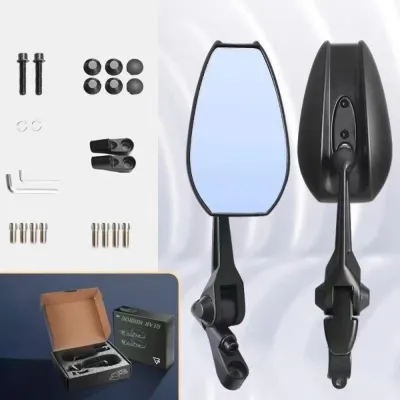
Prices are valid at publication and may change. Please refer to the product page for the latest price.

Aftermarket mirrors are produced by independent third-party manufacturers. This category is broad, ranging from high-quality, certified replacement parts to uncertified, generic alternatives. Certified aftermarket manufacturers reverse-engineer OEM mirrors to match their physical dimensions and basic electrical connections, offering a comparable product at a lower price point. Uncertified generic replacements are typically designed to fit a wide range of vehicles using universal mounting brackets or lower-grade plastics, which can lead to compromises in durability and fit. Aftermarket parts are packaged under the third-party manufacturer’s brand and carry independent warranties that vary significantly in duration and coverage compared to factory warranties.
Key Comparison Dimensions for Fit and Functionality
Physical fitment and housing alignment are the first critical dimensions to consider. An OEM mirror is designed to match the precise contours of your vehicle’s door panel, ensuring that the mounting studs align perfectly with the factory holes. This precise fitment eliminates unsightly panel gaps and prevents water intrusion into the door cavity. Aftermarket mirrors, particularly uncertified ones, may suffer from minor manufacturing variances that result in uneven gaps. At highway speeds, even a millimeter of misalignment can create turbulent airflow, leading to annoying wind noise or whistling inside the cabin.
Glass clarity and optical distortion represent another vital safety consideration. OEM mirror glass undergoes rigorous quality control to ensure a flat, distortion-free reflection across the entire surface. Many OEM passenger-side mirrors feature precise convex curvature with clearly etched warning labels to maximize your field of view without distorting the perceived distance of trailing vehicles. Lower-grade aftermarket mirrors sometimes use thinner glass or inconsistent backing materials, which can cause visual distortion, double images, or a “funhouse mirror” effect. Additionally, high-quality mirrors incorporate anti-glare coatings or auto-dimming layers that reduce headlight glare during night driving, a feature that is frequently absent or poorly replicated in budget aftermarket alternatives.
Integrated electronic features demand careful comparison due to their complexity. Modern side mirrors are no longer simple pieces of glass; they are highly integrated electronic modules containing heating elements to clear condensation, auto-dimming sensors, blind-spot detection indicators, and motorized power-folding mechanisms. OEM mirrors use internal wiring harnesses with exact pin configurations and resistance levels that match your vehicle’s central computer. Aftermarket mirrors may claim compatibility, but variations in electrical resistance can cause heating elements to underperform or fail prematurely. Furthermore, if your vehicle relies on blind-spot radar indicators built into the mirror glass, an incompatible aftermarket unit can disable the entire safety system.
Material durability is the final physical dimension to assess. Side mirrors are constantly exposed to harsh environmental conditions, including intense UV radiation, heavy rain, and extreme temperature fluctuations. OEM housings are constructed from high-grade, UV-stabilized plastics that resist fading, cracking, and warping over years of exposure. They also feature high-quality rubber weather seals that prevent moisture from reaching the internal electrical connectors. Many budget aftermarket mirrors utilize cheaper ABS plastics that can degrade and turn grey under constant sun exposure, and their seals may dry out and crack, leading to internal corrosion and electrical short circuits over time.
Evaluating Cost, Value, and Hidden Expenses
The financial aspect of replacing a side mirror involves weighing the immediate purchase price against the long-term value and potential hidden expenses. In the automotive market, pricing structures vary widely. A basic, manual aftermarket mirror assembly might cost under S$100, making it an attractive option for budget-conscious drivers or owners of older vehicles. In contrast, a fully integrated OEM mirror assembly featuring power-folding motors, heating elements, and integrated cameras can easily exceed S$500 to S$800, depending on your vehicle’s specific trim level and technological features.
While the upfront savings of an aftermarket mirror are appealing, you must consider the long-term value of retaining your vehicle’s factory features. Opting for a cheap, manual aftermarket replacement to save money on a vehicle originally equipped with power-folding and auto-dimming mirrors will significantly hurt your driving comfort and lower the vehicle’s resale value. Prospective buyers and dealerships often inspect safety and convenience features closely, and non-functional or downgraded side mirrors can result in a substantial reduction in valuation.
Furthermore, the initial purchase price of an aftermarket mirror does not always represent the final cost. Hidden expenses can quickly accumulate during installation. For instance, if the aftermarket mirror’s wiring harness does not match your vehicle’s factory plug, you may need to purchase additional adapter harnesses or pay an auto electrician to splice the wires. If your vehicle features a 360-degree surround-view camera system integrated into the mirror housing, replacing the mirror will require professional calibration using specialized diagnostic equipment at an authorized workshop. This calibration process is essential to ensure the camera images align correctly on your dashboard screen, adding a significant labor charge to your overall bill.
Compatibility Checks and Installation Safety Boundaries
Before purchasing any replacement side mirror, performing thorough compatibility checks is vital to ensure a successful installation. You must match the exact model year, trim level, and body style of your vehicle, as manufacturers often update mirror designs during mid-cycle refreshes. Even if two mirrors look identical from the outside, their internal wiring connectors may have different pinouts. For example, a mirror with five pins may only support power adjustment, while a mirror with ten or more pins is required to support heating, memory settings, and turn signals. Always verify the part number against your vehicle’s Vehicle Identification Number (VIN) through an authorized parts database or by consulting a specialist.
Safety boundaries must be strictly respected when dealing with modern side mirrors. Because these components are integrated with critical safety systems like turn signals, puddle lights, and ADAS cameras, improper handling can lead to system failures or vehicle damage. If your replacement involves working near side-impact airbag sensors located inside the door panel, you must disconnect the vehicle’s battery and follow the manufacturer’s specific safety protocols to prevent accidental deployment.
Knowing when to halt a do-it-yourself (DIY) installation and consult a qualified automotive technician is crucial. While replacing a basic manual mirror is a straightforward task that requires only standard hand tools, modern electronic mirrors often require extensive disassembly of the interior door panel, window tracks, and weather stripping. If you encounter complex wire splicing, find that the replacement harness does not align with the factory plug, or if your vehicle requires software coding to recognize the new mirror module, stop immediately. Attempting to force a connection or guessing the wiring configuration can blow fuses, damage your vehicle’s body control module, or void your insurance coverage in the event of an electrical fire.
Your Final Decision Framework
To finalize your purchasing decision, use a structured framework that balances your vehicle’s technical requirements with your personal budget.
Choose an OEM side mirror if:
- Your vehicle is still under the manufacturer's factory warranty, which could be voided by installing non-genuine electrical components.
- Your mirror features advanced integrated electronics, such as ADAS cameras, blind-spot monitoring, or memory positioning.
- You demand a perfect paint match, seamless panel alignment, and zero increase in highway wind noise.
- You plan to sell or trade in your vehicle in the near future and want to maintain its maximum resale value.
Choose an aftermarket side mirror if:
- Your vehicle is older, out of warranty, and you primarily need a functional, road-legal visual aid.
- The replacement is a simple manual mirror without complex electronic sensors or heating elements.
- You are working within a tight budget and are comfortable with potential minor variations in plastic texture or panel gaps.
- You are sourcing a certified aftermarket part from a reputable manufacturer that offers a reliable independent warranty.
Before clicking “buy” or leaving the parts shop, complete this essential pre-purchase checklist:
- Verify the VIN: Confirm with the seller that the mirror's part number matches your vehicle's exact VIN and trim level.
- Count the Pins: Ask the seller to confirm the number of pins in the electrical connector to ensure it matches your existing harness.
- Check the Return Policy: Ensure the seller offers a hassle-free return or exchange policy in case of unexpected fitment issues.
- Confirm Feature Compatibility: Double-check that features like heating, auto-dimming, and power-folding are explicitly supported by the replacement part.
Frequently Asked Questions (FAQ)
Can I upgrade a manual Napoleon mirror to a power-folding aftermarket unit?
Upgrading from a manual side mirror to a power-folding aftermarket unit is highly complex and rarely a simple plug-and-play process. Even if the aftermarket mirror assembly physically fits your door mount, your vehicle’s existing door wiring harness likely lacks the necessary electrical pins, relays, and fuses required to power the folding motors. Additionally, you will need to install an interior control switch and potentially update the vehicle’s body control module software to recognize the new folding function. Splicing custom wiring into your door panel carries a high risk of electrical shorts, blown fuses, or damage to other electronic components. For these reasons, such upgrades require professional installation by an experienced automotive electrician.
Will an aftermarket mirror trigger a dashboard warning light?
Yes, installing an incompatible or low-quality aftermarket mirror can trigger dashboard warning lights or error codes. Modern vehicles monitor the electrical resistance of integrated components, including mirror heating elements, turn signals, and blind-spot detection modules. If an aftermarket mirror’s internal circuitry does not match the exact resistance specifications expected by the vehicle’s central computer, the system may flag a fault. This is especially common with blind-spot monitoring systems and surround-view cameras. To prevent diagnostic errors, always consult your vehicle’s owner manual, verify that the aftermarket part is certified for electronic compatibility, and ensure any integrated sensors are properly calibrated after installation.
How do I verify if a replacement mirror has the correct blind-spot indicator?
To verify that a replacement mirror features the correct blind-spot indicator, you must perform a physical and electrical inspection of both your original part and the replacement unit. Start by looking at the mirror glass of your original housing to identify the specific location and shape of the blind-spot icon or warning light. Next, remove the mirror or inspect its connector plug to count the electrical pins; mirrors with blind-spot monitoring typically require additional pins to transmit the sensor signals. Finally, perform a VIN-based compatibility check with your parts supplier to ensure the replacement part number explicitly lists support for your vehicle’s active safety package, as visual similarity alone does not guarantee electronic compatibility.
Community discussion
Share your experience or ask a question. Comments are reviewed before publication.