
Choosing the right hyundai i30 spoiler depends entirely on whether you prioritize seamless factory integration or aggressive aesthetic customization. If your goal is a flawless fit, an exact paint match right out of the box, and zero complications with your vehicle warranty, a genuine Original Equipment Manufacturer (OEM) spoiler is the ideal choice. Conversely, if you want to give your hatchback or fastback a highly distinct, track-ready appearance—such as a high-rise wing or an exposed carbon fiber lip—or if you are working within a tighter budget, the aftermarket route offers the styling diversity you need.
While both options aim to enhance the rear profile of your vehicle, the engineering tolerances, material choices, and long-term durability differ significantly between dealership channels and the aftermarket industry. Understanding these differences before making a purchase prevents costly installation mistakes, paint mismatches, and potential safety hazards on the road.
Quick Answer: OEM or Aftermarket for Your i30?
For the vast majority of drivers, the decision between an OEM and an aftermarket hyundai i30 spoiler comes down to a trade-off between convenience and customization. An OEM spoiler is engineered by Hyundai specifically for your car’s exact model year and body style, meaning it will align perfectly with the factory mounting points and match your vehicle’s paint code flawlessly. This option offers complete peace of mind, preserves your vehicle’s resale value, and carries no risk of voiding your factory warranty.
Products mentioned in this guide
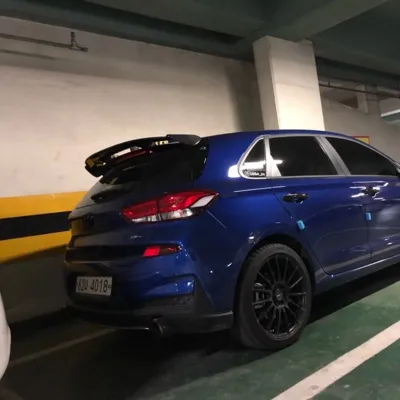
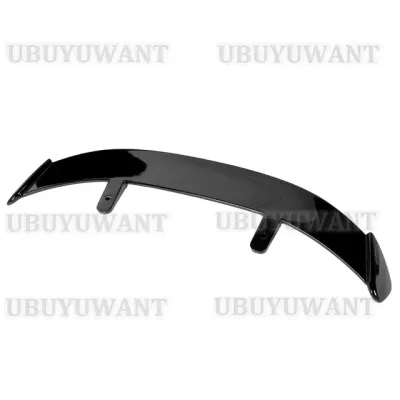
Prices are valid at publication and may change. Please refer to the product page for the latest price.
Aftermarket spoilers, on the other hand, cater to drivers who find the factory styling too conservative. Whether you are looking for a pronounced duckbill spoiler, a carbon fiber lip, or an aggressive high-rise wing reminiscent of the high-performance i30 N, the aftermarket is where you will find these bold designs. While aftermarket options can offer substantial upfront cost savings, they often require extra preparation, custom painting, and professional fitting to look and perform their best.
Ultimately, if you prefer a subtle, sophisticated factory look with a plug-and-play installation, choose OEM. If you want a highly personalized, aggressive aesthetic or are comfortable managing the extra installation steps to save on upfront costs, the aftermarket is your best path forward.
Key Differences: Fitment, Materials, and Finish
Before purchasing any exterior modification, it is essential to understand how the manufacturing process affects the final product. The physical, aesthetic, and structural attributes of a spoiler dictate not only how it looks on your Hyundai i30 but also how well it holds up to high-speed driving and daily weather exposure.

Fitment and Aerodynamics
Genuine OEM spoilers are designed using Hyundai’s original Computer-Aided Design (CAD) data. This ensures that every curve, mounting tab, and bolt hole matches the exact contours of your i30’s tailgate or trunk lid. When you install an OEM part, the panel gaps remain perfectly uniform, and there is no risk of the spoiler rubbing against the rear glass or interfering with the operation of the rear windshield wiper.
Aftermarket options vary widely in their fitment quality. High-end aftermarket manufacturers use precision 3D scanning technology to replicate the i30’s body lines, resulting in a fit that rivals OEM standards. However, budget-friendly aftermarket spoilers are often cast from generic molds that can warp during curing, leading to uneven gaps, bowing in the center, or edges that lift away from the bodywork. Correcting these issues typically requires professional bodywork, such as sanding, heating, or filling, before the part can be safely mounted.
Additionally, you must verify the exact generation and body style of your Hyundai i30 before purchasing. A spoiler designed for the third-generation hatchback (PD platform) will not fit the sleek lines of the i30 Fastback (PDE platform) or the older second-generation (GD) models. Mounting points, wiring paths for integrated third brake lights, and tailgate curvatures differ significantly across these variants, making precise compatibility verification essential.
Material Quality and Durability
Hyundai OEM spoilers are constructed from high-grade Acrylonitrile Butadiene Styrene (ABS) plastic or flexible polyurethane. These materials are chosen by automotive manufacturers because they offer excellent impact resistance, dimensional stability under extreme temperatures, and long-term resistance to UV radiation. They are designed to last the entire lifespan of the vehicle without cracking, warping, or fading.
In the aftermarket space, material quality spans a broad spectrum:
- Fiberglass (FRP): Commonly used in budget aftermarket spoilers, fiberglass is rigid and lightweight but highly brittle. It is prone to cracking under minor stress or structural vibration and often requires extensive sanding and priming to achieve a smooth finish.
- Aftermarket ABS Plastic: Quality aftermarket brands use injection-molded ABS that closely mimics OEM durability. However, lower-grade ABS can degrade and become brittle over time if exposed to intense sunlight.
- Carbon Fiber: Highly sought after for its premium, motorsport-inspired look, genuine carbon fiber is exceptionally strong and lightweight. However, carbon fiber spoilers require a high-quality, UV-resistant clear coat. Without this protective layer, the resin will yellow, haze, and delaminate when subjected to harsh tropical sunlight, such as the climate in Singapore.
Always check the manufacturer’s material specifications and UV-protection claims on the product label rather than relying solely on marketing descriptions or brand names.
Cost and Value: Pricing the Hyundai i30 Spoiler Options
Evaluating the true cost of a hyundai i30 spoiler requires looking beyond the initial purchase price of the part itself. The total cost of ownership includes painting, installation labor, mounting hardware, and potential bodywork adjustments.
OEM spoilers carry a premium price tag due to factory engineering, rigorous safety testing, and official distribution networks. Furthermore, OEM spoilers purchased from a dealership often arrive in a raw, unpainted primer finish. To match your vehicle, the part must be painted by a professional body shop using Hyundai’s exact color codes. While this guarantees a perfect match, it adds a significant paint and labor cost to the overall project.
Aftermarket spoilers are generally much cheaper upfront. Some aftermarket sellers offer pre-painted options in popular Hyundai colors, while others provide raw carbon fiber finishes that require no painting at all. This can make the aftermarket route seem incredibly cost-effective at first glance.
However, budget aftermarket parts frequently carry hidden costs. If a cheap spoiler arrives with poor fitment, a professional body shop will have to spend hours sanding, filling, and modifying the part to make it sit flush on your i30. This custom labor can easily double or triple the final bill, erasing any initial savings. Before purchasing, always request comprehensive quotes from your chosen body shop covering the part preparation, custom paint matching, installation labor, and any necessary heavy-duty mounting hardware or specialized automotive adhesives.
Installation and Warranty Considerations
Modifying your vehicle’s exterior involves practical, legal, and financial responsibilities. Proper installation is critical to ensure the spoiler remains securely attached at highway speeds and does not cause long-term damage to your vehicle’s bodywork or electrical systems.
Mounting Methods and Paint Protection
Spoilers are generally installed using one of two methods: bolt-on mechanical fastening or high-strength adhesive tape.
Bolt-on spoilers require drilling holes directly into the i30’s metal tailgate or plastic upper trim. This method provides the most secure attachment, especially for larger, high-downforce wings. However, drilling into metal exposes the raw steel to moisture. It is critical to apply a zinc-rich rust-inhibiting primer to the freshly drilled holes, followed by high-quality rubber grommets and waterproof silicone sealant. Failure to seal these entry points properly will lead to water leaking into the cabin, ruining the headliner, and causing structural rust over time.
Adhesive-based lip spoilers rely entirely on double-sided automotive tape. While this avoids the need for drilling, it requires meticulous surface preparation. The tailgate must be thoroughly cleaned with isopropyl alcohol to remove all wax, grease, and road grime. An adhesion promoter should be applied to ensure the tape bonds correctly. Only use genuine, automotive-grade double-sided tape, such as 3M VHB. Using cheap, non-automotive double-sided tape can result in the spoiler detaching at high speeds, creating an extremely dangerous projectile hazard for other motorists.
Because improper installation can damage your paintwork, cause structural rust, or compromise road safety, always consult the manufacturer’s instructions. If the process involves drilling, complex alignment, or splicing into the factory wiring harness for an integrated third brake light, seek qualified professional installation at a reputable workshop.
Impact on Vehicle Warranty and Insurance
Installing an OEM accessory through an authorized Hyundai dealership typically preserves your vehicle’s factory warranty. If any issues arise with the tailgate seals or paint finish near the mounting points, the dealership will generally cover the repairs under the terms of your new-car warranty.
Aftermarket modifications carry higher warranty risks. If an aftermarket spoiler requires drilling or splicing into the factory electrical harness to power an integrated brake light, Hyundai may void your warranty for any subsequent water leaks, rust, or electrical faults in the rear tailgate assembly. The rest of the vehicle’s warranty remains intact, but any issues directly or indirectly caused by the aftermarket part will not be covered.
For drivers in Singapore, exterior modifications must comply with the Land Transport Authority (LTA) guidelines. Spoilers must not have sharp edges, must not protrude beyond the lateral sides or overall length of the vehicle, and must be structurally secure. Additionally, you must declare any aftermarket exterior modifications to your motor insurance provider. Failure to declare a modified spoiler can lead to your insurance policy being voided or claims being rejected in the event of an accident, even if the spoiler was not the cause of the incident.
Decision Framework: Which Spoiler Should You Buy?
To help you make the right choice for your Hyundai i30, use this structured decision framework based on your priorities, budget, and styling preferences.
Choose OEM if:
- You prioritize peace of mind: You want a guaranteed, flush fit with zero panel gaps and no manual adjustments.
- You want an exact paint match: You want the spoiler to match your factory paint code perfectly without extensive trial-and-error blending.
- You want to protect your warranty: You want to avoid any potential disputes with the dealership regarding water leaks, rust, or electrical issues.
- You prefer subtle styling: You want a clean, sophisticated, factory-integrated look that enhances the car's natural lines.
Choose Aftermarket if:
- You want aggressive styling: You are looking for a high-rise wing, a pronounced duckbill, or a motorsport-inspired carbon fiber finish.
- You are working with a trusted shop: You have access to a skilled professional body shop capable of handling custom fitting, painting, and safe installation.
- You want unique materials: You specifically want the look of raw, high-gloss carbon fiber to complement other carbon accents on your vehicle.
- You are comfortable with DIY prep: You are willing to manage potential fitment adjustments and source your own high-quality mounting hardware.
Verify first if:
- The seller provides clear specifications: Ensure the product listing explicitly details the material (e.g., ABS vs. FRP) and whether the part arrives primed, painted, or raw.
- The hardware is corrosion-resistant: Check that any included screws, bolts, or brackets are made of stainless steel to prevent rust.
- The return policy is robust: Ensure you can return the part if it arrives warped or with significant manufacturing defects that prevent a proper fit.
- The model compatibility is exact: Double-check that the spoiler matches your specific i30 generation, body style (hatchback or fastback), and trim level.
Frequently Asked Questions (FAQ)
Proper research prevents costly installation mistakes and ensures your vehicle remains safe and road-legal.
Do I need to drill holes to install an aftermarket i30 spoiler?
Whether you need to drill holes depends entirely on the size, weight, and design of the spoiler you choose. Small, lightweight lip spoilers and minor roof extensions are typically designed to be secured using only high-strength, automotive-grade double-sided tape. These do not require any drilling and can be removed later without leaving permanent holes in your bodywork.
However, larger wings, high-rise spoilers, and heavy ABS or fiberglass units require mechanical fastening with bolts to withstand the aerodynamic forces generated at high speeds. If a spoiler requires drilling, it is highly recommended to have the installation performed by a professional body shop. They will ensure the holes are perfectly aligned, treated with rust-inhibiting primer, and sealed with waterproof gaskets to prevent structural damage and cabin leaks.
Will adding a spoiler improve my i30's fuel efficiency or top speed?
For a daily-driven Hyundai i30, adding a spoiler is primarily an aesthetic upgrade and will not noticeably improve fuel efficiency or top speed. While professional race cars use large wings to generate downforce and improve high-speed cornering grip, these aerodynamic benefits only become significant at speeds well above legal limits.
In fact, many aggressive aftermarket spoilers are not engineered in wind tunnels and can actually increase your vehicle’s aerodynamic drag. This added resistance can cause a minor decrease in fuel economy at highway speeds. Unless you are driving a highly tuned i30 N on a closed race track, you should view a spoiler as a styling and personalization upgrade rather than a performance-enhancing modification.
Community discussion
Share your experience or ask a question. Comments are reviewed before publication.