
Choosing between genuine Honda original equipment manufacturer (OEM) side covers and aftermarket alternatives for your Honda CB400 Super Four comes down to a balance of budget, aesthetic expectations, and your willingness to perform minor manual adjustments. If you want a precise, drop-in fit with factory-matched paint that preserves the original look and resale value of your motorcycle, OEM covers are the standard choice. However, if you are working within a tight budget, planning a custom paint job, or restoring an older machine where minor fitment adjustments are acceptable, high-quality aftermarket covers offer a highly cost-effective alternative.
Core Criteria for Evaluating CB400 Side Covers
Before purchasing any replacement side panels for your motorcycle, you must establish clear criteria to evaluate their quality and suitability. The side covers on a CB400 do more than just complete the bike’s classic silhouette; they protect sensitive electrical components, the battery, and wiring harnesses from rain, road debris, and heat. Therefore, evaluating any replacement part requires looking closely at fitment tolerances, material composition, and finish quality.
Fitment tolerance is the most critical factor because even a minor misalignment can prevent the cover from securing properly. You must evaluate how well the mounting tabs align with the frame’s rubber grommets and whether the panel lines up evenly with adjacent fairings, such as the fuel tank and rear cowl. A poorly fitting cover can leave uneven gaps that allow water ingress or create vibration noise while riding.
Products mentioned in this guide
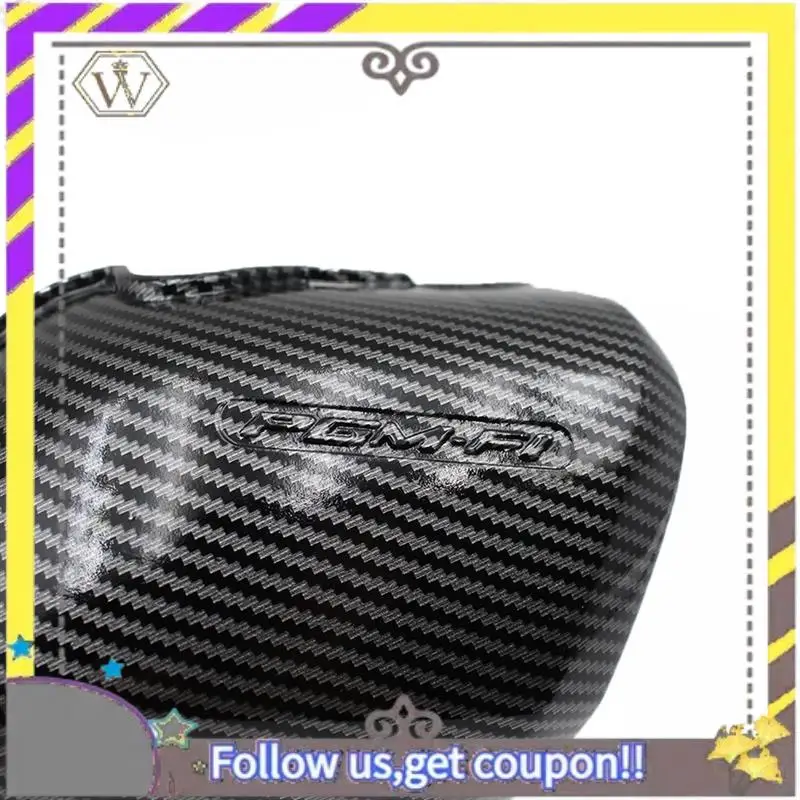
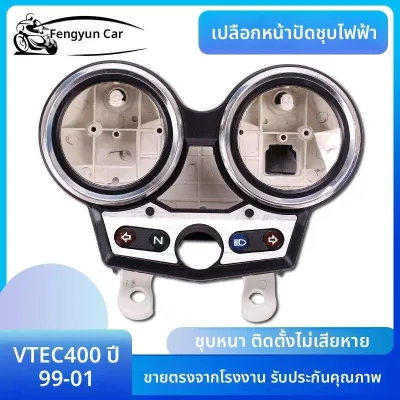
Prices are valid at publication and may change. Please refer to the product page for the latest price.
Material composition directly affects the durability and impact resistance of the side cover. High-quality covers must withstand engine heat and constant road vibrations without cracking or warping. You should look for materials that offer structural rigidity while retaining enough flexibility to bend slightly during installation and removal without snapping the mounting tabs.
The quality of the paint finish and its long-term UV stability determine how well the cover integrates with the rest of your motorcycle. A quality cover features a consistent clear coat thickness that resists fading, yellowing, or peeling when exposed to sunlight and weather. Evaluating these criteria beforehand helps you avoid parts that degrade quickly or require immediate replacement.
What to Expect From OEM Honda Side Covers
Genuine Honda OEM side covers are manufactured to the exact specifications of your specific CB400 generation, whether you ride a classic Project Big-1, a Spec 1, 2, 3, or a later Revo model. When you buy OEM, you are paying for guaranteed fitment that slides directly into the original rubber grommets without requiring any trimming, sanding, or forcing. The mounting tabs are engineered with the precise thickness and angle needed to lock securely into place.

Another major advantage of OEM covers is the factory-matched paint codes. Honda uses specific paint formulations and multi-stage finishes that are difficult to replicate exactly in a standard workshop. An OEM replacement panel will match the original hue, metallic flake, and gloss level of your fuel tank, assuming the rest of your bike’s paint has not suffered severe sun damage or fading over the years.
These genuine parts also offer excellent long-term material stability. The plastics used by the factory are formulated to resist becoming brittle under the intense heat generated by the CB400’s inline-four engine. This durability ensures that the mounting tabs remain flexible enough to survive repeated removal during routine battery maintenance or spark plug checks.
However, choosing OEM parts comes with practical trade-offs, primarily regarding cost and availability. Genuine Honda panels carry a premium price tag, often costing several times more than aftermarket alternatives in Singapore. Additionally, because older CB400 generations are aging, certain color-matched OEM panels may be discontinued or subject to long factory lead times, requiring you to wait weeks for shipping or settle for an unpainted OEM part that still requires professional spraying.
How to Assess Aftermarket Side Cover Quality
If you decide to explore aftermarket options on online marketplaces or through local motorcycle shops, you must know how to distinguish acceptable third-party parts from low-grade imitations. The primary indicator of quality is the base material. High-quality aftermarket covers are typically made from injection-molded Acrylonitrile Butadiene Styrene (ABS) plastic, which closely mimics the strength and flexibility of OEM panels. You should avoid cheaper, compression-molded plastics or low-grade fiberglass, which tend to be brittle, heavy, and prone to cracking under vibration.
When purchasing aftermarket covers, you must anticipate the need for minor fitment adjustments. Unlike OEM parts, third-party panels may have slightly thicker mounting tabs or minor alignment variances. You might need to gently sand down the edges of a tab, use a small file to clean up molding flash, or apply a silicone lubricant to help the tabs slide into the frame grommets. In some cases, you may need to replace worn frame grommets with fresh, pliable rubber to accommodate slight differences in tab thickness.
Evaluating the finish of aftermarket covers requires managing your expectations, especially with pre-painted options. While some manufacturers offer color-matched panels, these aftermarket paints rarely match aged OEM paint perfectly due to differences in paint chemistry, clear coat thickness, and natural UV fading on your bike. If you want a seamless look, purchasing unpainted aftermarket covers and having them professionally sprayed alongside your tank is often the most reliable path to a uniform finish.
Fitment Checks and Safe Installation Practices
Installing new side covers requires a methodical approach to prevent damaging the delicate plastic tabs or scratching your bike’s frame. Before attempting to fit a new cover, inspect the condition of the frame’s rubber grommets, metal clips, and mounting brackets. Over time, rubber grommets can dry out, harden, or split, which increases the risk of snapping the side cover tabs during installation. If the grommets are stiff or damaged, replace them before proceeding.
When test-fitting the new cover, gently align the tabs with the grommets and check the overall gap tolerances around the fuel tank and seat. Never force a tab into a grommet or use excessive pressure to bend the panel into place. If the screw holes or tabs do not align naturally, remove the cover and inspect where the plastic is binding. You may need to trim minor excess plastic from the molding seams or adjust the mounting brackets slightly.
If you encounter a situation where the side cover requires significant force to bend, or if the mounting tabs are completely misaligned with the frame holes, stop the installation immediately. Forcing a poorly manufactured cover can cause the plastic to snap, potentially damaging adjacent fairings or scratching the frame paint. In such cases, consult a qualified motorcycle technician or return the part to the seller rather than risking damage to your motorcycle.
Decision Framework: Which CB400 Side Cover Should You Buy?
To make the final decision, you must evaluate your motorcycle’s current condition, your long-term plans for the bike, and your available budget.
You should choose OEM Honda side covers if:
- You are restoring a classic CB400 to factory-original condition.
- You want to preserve the motorcycle's resale value in the Singapore market.
- You require an exact paint match to your existing factory bodywork without the hassle of custom painting.
- You prefer a direct, tool-free installation that fits precisely right out of the box.
You should choose aftermarket side covers if:
- You are working on a strict budget and need a functional replacement to keep the bike road-legal and protected.
- You plan to customize your motorcycle with a unique color scheme or a full custom wrap, making the factory paint code irrelevant.
- You are comfortable performing minor sanding, trimming, or grommet adjustments to achieve a proper fit.
- Your specific CB400 model is older, and genuine color-matched panels are no longer available from factory suppliers.
Before finalizing any purchase, always verify your specific CB400 generation and model year. The side cover shapes, mounting tab positions, and frame brackets vary between the early Super Four models, the Version S, and the various Hyper VTEC Spec and Revo generations. Checking these specifications against the seller’s documentation ensures you do not purchase a cover designed for a different model year.
Frequently Asked Questions (FAQ)
Can I mix OEM and aftermarket side covers on the same bike?
While it is physically possible to install an OEM cover on one side and an aftermarket cover on the other, doing so is generally not recommended for aesthetic and structural reasons. Aftermarket paint formulations, gloss levels, and clear coat depths rarely match genuine Honda finishes perfectly, and they will age and fade under UV exposure at different rates. This can lead to a highly noticeable visual asymmetry over time. Additionally, slight differences in mounting tension and gap lines can cause the bike to look uneven, so it is highly recommended to replace side covers in pairs or plan a uniform respray.
Do aftermarket covers require modifying the CB400 frame?
No, aftermarket side covers should never require any modifications to your CB400’s metal frame or subframe. There is a strict safety boundary between making minor adjustments to the plastic cover itself—such as sanding a tab or trimming excess molding flash—and altering the motorcycle’s structural metal. You must never drill, grind, bend, or weld the frame mounts to force a poorly fitting aftermarket cover to fit. If a third-party panel cannot be installed safely using the original mounting points and fresh rubber grommets, the part is defective or incompatible, and you should return it immediately.
Community discussion
Share your experience or ask a question. Comments are reviewed before publication.