
An OBU cover provides targeted shielding against direct sunlight and dust for the device itself, while a dashboard mat offers broader dashboard protection and reduces windshield glare. Neither is universally better; the right choice depends on whether you need device-specific coverage or overall cabin surface preservation.
For drivers in Singapore, managing cabin heat and protecting interior electronics is a constant challenge. The intense tropical sun can rapidly degrade plastics, fade screens, and affect the longevity of in-vehicle hardware. Deciding between a dedicated cover for your On-Board Unit (OBU) or Electronic Road Pricing (ERP) unit and a full-surface dashboard mat requires looking at how each accessory addresses these environmental threats.
Both options serve distinct roles in maintaining your vehicle’s interior. While one focuses entirely on isolating and shielding the electronic toll payment device, the other aims to improve overall cabin comfort and protect the dashboard structure. Understanding these differences helps you make an informed decision that aligns with your driving habits and vehicle layout.
Products mentioned in this guide
Prices are valid at publication and may change. Please refer to the product page for the latest price.
Understanding the Threats to Your In-Vehicle Unit
Direct ultraviolet (UV) exposure and heat buildup are the primary environmental hazards inside a parked vehicle. When your car sits unsheltered, the dashboard absorbs solar radiation, causing temperatures near the windshield to spike significantly. This extreme heat can stress the internal solder joints and electronic components of your ERP unit.
Dust accumulation poses another persistent threat to electronic units. Fine airborne particles, pollen, and cabin debris can easily settle into the card slot or cover the display screen. Over time, dust buildup inside the card reader mechanism can interfere with card detection, leading to transaction errors at toll gantries.
Physical impact and scratches also contribute to wear and tear. During routine cabin cleaning, or when placing items like keys, sunglasses, and parking coupons on the dashboard, the casing of the unit can easily become scuffed. Protecting the screen from these minor physical hazards ensures the display remains legible for checking card balances and transaction statuses.
OBU Covers: Targeted Device Protection
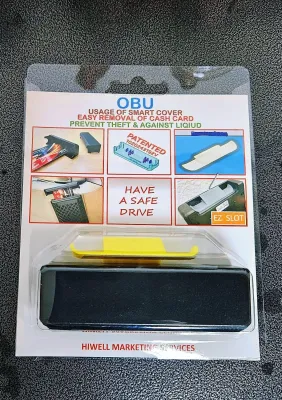
An OBU cover is a specialized accessory designed to fit snugly over the toll payment device. These covers are typically manufactured in two main form factors: custom-molded silicone or hard plastic shells designed for specific unit models, and universal stretch fabrics that slip over the device. Their primary purpose is to isolate the unit from the immediate cabin environment.

By wrapping the device, an OBU cover blocks direct UV rays from hitting the plastic housing and the liquid crystal display. This targeted shielding helps prevent the outer casing from becoming brittle or discolored over years of exposure. It also keeps the screen shaded, reducing the risk of heat-induced screen fading or polarization damage.
Additionally, many covers feature integrated flaps or designs that shield the card slot when it is not actively in use. This physical barrier prevents dust and lint from entering the card reader mechanism, maintaining reliable contact between the card chip and the internal reader. It is a simple way to avoid the inconvenience of card read failures while driving.
However, OBU covers have clear limitations. They offer no protection for the surrounding dashboard area, leaving the rest of your vehicle’s interior exposed to solar heat and UV damage. They also do nothing to mitigate the bright reflections and glare that bounce off the dashboard surface onto the windshield during midday driving.
Dashboard Mats: Broad Surface and Glare Reduction
Dashboard mats are large, fabric-based accessories tailored to cover the entire upper surface of your vehicle’s dashboard. They are commonly constructed from materials like felt, carpet, velour, or synthetic suede. These materials are selected specifically for their durability and their ability to absorb light rather than reflect it.
The primary benefit of a dashboard mat is comprehensive surface protection. By covering the entire dashboard, the mat prevents the underlying plastic or leather from cracking, warping, or fading under constant sun exposure. This preservation is highly beneficial for maintaining the aesthetic appeal and resale value of your vehicle.
Another major advantage is the significant reduction in windshield glare. In bright daylight, a dark, matte-finished dashboard mat absorbs incoming sunlight, preventing it from reflecting onto the inside of the windshield. This dramatically improves forward visibility and reduces eye strain for the driver, contributing to a safer driving experience.
Despite these benefits, dashboard mats offer limited direct protection for the ERP unit itself. While the mat covers the flat surfaces around the device, it does not wrap or seal the unit. If your unit is mounted high on the windscreen or positioned in a way that projects above the dashboard line, it remains fully exposed to direct overhead sunlight and dust.
Direct Comparison: OBU Cover vs Dashboard Mat
To help you evaluate these two protective options, the table below outlines how they perform across key practical dimensions:
| Feature | OBU Cover | Dashboard Mat |
|---|---|---|
| Primary Function | Targeted device shielding | Broad dashboard protection & glare reduction |
| Device-Specific Fit | High (molded to the unit contours) | Low (covers flat dash surfaces around the unit) |
| Glare Reduction | None (does not cover the dashboard) | High (absorbs light across the windshield line) |
| Dust Protection | High (shields card slot and screen) | Low (does not prevent dust settling on the unit) |
| Installation Effort | Very Low (slips directly over the unit) | Low to Moderate (requires alignment and securing) |
These two accessories are not mutually exclusive. Because they address different areas of the vehicle’s interior, many drivers find that using them in combination provides the most balanced protection. The cover keeps the electronic unit clean and shaded, while the mat preserves the dashboard and improves driving visibility.
How to Choose the Right Protection for Your Vehicle
Selecting the right accessory depends largely on your primary driving concerns and where your vehicle is typically parked. If your main goal is to keep the card slot clean, protect the screen from direct overhead sun, and maintain the device’s physical appearance, a dedicated OBU cover is the most efficient choice.
Conversely, if you frequently drive during peak daylight hours and struggle with distracting windshield reflections, a dashboard mat is the better option. It directly addresses driver visibility while offering broad protection for the entire dashboard surface against heat-induced cracking.
For vehicles that are regularly parked in unsheltered outdoor car parks, combining both accessories offers the highest level of mitigation. The dashboard mat lowers the overall surface temperature of the dash, while the OBU cover provides a localized barrier against intense, direct solar radiation hitting the device.
Before purchasing either accessory, verify the mounting position of your unit. If the device is mounted on the windscreen rather than the dashboard, a dashboard mat will not provide any shade for it. In this scenario, an OBU cover or a high-quality windscreen sunshade is necessary to protect the electronics.
Always ensure that any accessory you choose does not obstruct built-in vehicle sensors, automatic headlight sensors, or climate control sensors located on the dashboard. A poorly fitted mat or cover can interfere with these systems, leading to unexpected behavior in your vehicle’s automated features.
Installation and Maintenance Safety Checks
Safety must be your top priority when installing interior accessories. Never place a dashboard mat or secure an OBU cover over designated passenger airbag deployment zones. Consult your vehicle’s owner manual to identify these safety zones precisely, and ensure the mat is trimmed or positioned to leave them completely clear.
Verify that the accessory does not block advanced driver assistance systems (ADAS) cameras, dashcams, or rain sensors mounted near the windshield. Even a slight obstruction from a misaligned mat or a bulky cover can compromise the functionality of these safety systems.
Avoid using strong, permanent double-sided tapes or harsh chemical adhesives to secure a dashboard mat. High cabin temperatures can cause these adhesives to melt, leaving sticky residues or permanently damaging the dashboard material. Instead, opt for high-friction, non-slip backings that hold the mat in place naturally.
When cleaning these accessories, always follow the manufacturer’s care labels. If you wash a fabric OBU cover or dashboard mat, ensure it is completely dry before reinstalling it. Placing a damp cover back over an electronic unit can trap moisture inside the casing, potentially causing short circuits or corrosion in the delicate electronic components.
Frequently Asked Questions (FAQ)
Will an OBU cover cause my ERP unit to overheat?
Most OBU covers are designed to block external solar radiation, which actually helps reduce the direct heat absorbed by the device’s casing. However, because they wrap the unit, they can restrict natural airflow around the housing. It is important to check for proper ventilation gaps in the cover design, and you should temporarily remove the cover if the unit feels excessively hot to the touch after long drives.
Can I use a dashboard mat with a non-slip backing instead of adhesive?
Yes, dashboard mats featuring non-slip silicone or rubberized backings are generally a much safer alternative to chemical adhesives. They hold the mat securely in place through friction without risking chemical damage to your dashboard surface. To ensure the backing grips effectively, always clean the dashboard thoroughly to remove dust, oils, and interior dressings before placing the mat.

Community discussion
Share your experience or ask a question. Comments are reviewed before publication.