
Selecting the right car sunshade is a practical decision that directly impacts your daily driving comfort and the longevity of your vehicle’s interior. When deciding between a front windshield sunshade and side window sunshades, the choice comes down to your primary pain point: are you trying to lower the cabin temperature of a car parked under the intense tropical sun, or are you looking to shield your passengers from blinding lateral glare while on the move? While both options serve to block solar radiation, they operate under different physical constraints, installation methods, and safety regulations.
A front windshield sunshade acts as a primary barrier against thermal buildup, targeting the largest piece of glass on your vehicle. Conversely, side window sunshades offer targeted relief for occupants, particularly those in the rear seats, by filtering out direct sunlight without completely obstructing the view. Understanding how these two types of shades complement each other—or which one deserves priority in your budget—requires a closer look at their design, utility, and how they fit into your daily routine.
Core Differences in Heat and Glare Protection
The fundamental difference between front and side sunshades lies in their surface area coverage and primary functional goals. The front windshield is positioned at an angle that maximizes solar exposure, making it the largest entry point for heat accumulation. When parked, solar radiation passes through this expansive glass pane, warming up the dashboard, steering wheel, and front seats. A front windshield sunshade sits directly behind this glass, reflecting or absorbing this energy before it penetrates deeper into the cabin. Because these shades are opaque and highly reflective, they must be completely removed before driving to ensure an unobstructed view.
Products mentioned in this guide
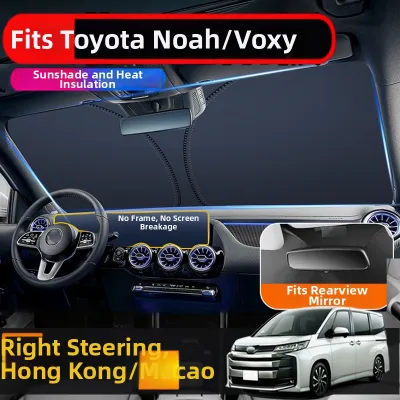
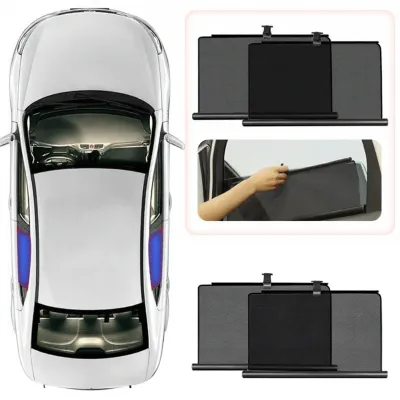

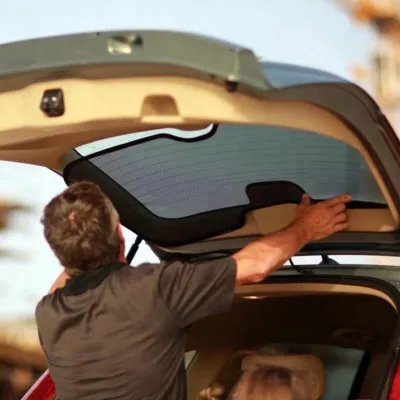
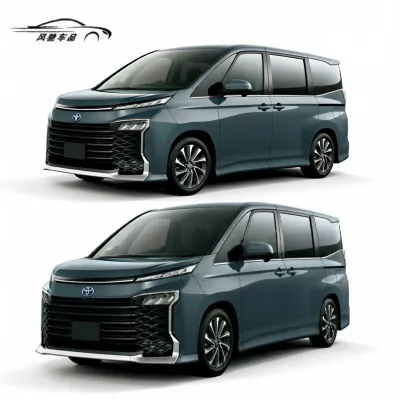
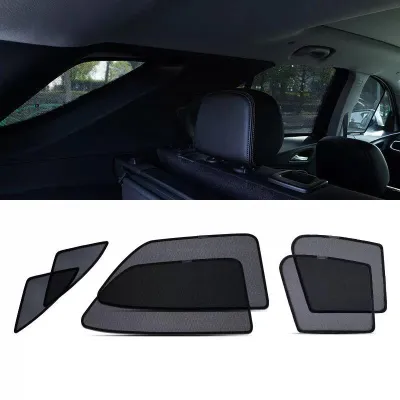
Prices are valid at publication and may change. Please refer to the product page for the latest price.
Side window sunshades prioritize passenger comfort and glare reduction during transit. While they do contribute to overall thermal management, their primary job is to block lateral UV rays and harsh sunlight that can cause discomfort to rear-seat passengers, such as young children or elderly family members. Unlike front shades, many side window shades are made of semi-transparent mesh materials or static-cling films. This design allows them to remain in place while the vehicle is in motion, filtering out harsh light while still allowing passengers to see outside.
The installation and storage mechanisms also differ significantly between the two types. Front windshield shades are usually large, folding accordion-style panels or spring-wire pop-up designs that rely on the car’s sun visors to hold them in place. They require a dedicated storage space, such as the back seat or trunk, when not in use. Side window shades are much smaller and utilize suction cups, static cling, or magnetic frames that snap directly onto the window frame. These compact designs can often be folded down into small discs and tucked away into door pockets or the glove compartment.
Matching Sunshades to Your Parking and Driving Habits
Your daily routine and parking environment should dictate which sunshade type you prioritize. If your vehicle is frequently parked outdoors in open-air carparks, a front windshield sunshade is an indispensable accessory. Without it, the dashboard can reach temperatures high enough to degrade plastics, dry out leather trim, and cause electronic displays to malfunction. Placing a reflective barrier across the front glass significantly reduces the greenhouse effect inside the cabin, keeping the steering wheel cool enough to touch comfortably when you return.

For drivers who primarily park in sheltered multi-storey carparks or basement garages, the immediate need for a front windshield shade is reduced. Instead, the focus shifts to passenger comfort during daily commutes. If you regularly transport family members in the back seat, side window sunshades become highly valuable. They block the direct, low-angle sunlight that penetrates the side windows during morning and evening peak hours, preventing eye strain and skin discomfort without interfering with the vehicle’s air conditioning system.
It is also essential to consider your vehicle’s existing window tinting. In Singapore, the Land Transport Authority (LTA) enforces strict regulations on window tint levels, requiring the front windshield and front side windows to allow at least 70% light transmission, while rear windows must allow at least 25%. If your car’s tint is already at the legal limit, it may still let in a noticeable amount of heat and glare. A physical sunshade serves as an excellent temporary supplement. You can deploy a front shade when parked to maximize heat rejection, or use removable side shades to provide extra shade for rear passengers without permanently altering your car’s legal tint status.
Specification Checklist for Noah Sunshades
When shopping for a Noah sunshade, verifying the product’s specifications and material quality ensures you get a product that performs effectively. Start by examining the material composition and any UV or infrared reflection claims. High-quality sunshades often feature multi-layer construction, incorporating a reflective outer layer (such as aluminum foil or silver-coated polyester) to bounce away solar radiation, paired with an insulating inner layer to prevent heat transfer. Look for product labels that specify a UPF (Ultraviolet Protection Factor) rating, which indicates how effectively the fabric blocks harmful UV rays.
Size matching is another critical factor that determines the shade’s effectiveness. While many manufacturers provide generic vehicle compatibility lists, these are not always precise. A sunshade that is too small will leave gaps, allowing hot air and light to pour into the cabin, while one that is too large will sag and fail to stay in place. To avoid this, take a few minutes to measure your actual window dimensions. For the front windshield, measure the maximum width and height of the glass from the inside, taking note of the space around the rearview mirror housing. For side windows, measure the perimeter of the glass pane to ensure a snug fit.
Finally, evaluate the storage convenience and physical footprint of the folded sunshade. A high-performance shade is of little use if it is too cumbersome to fold and store in a crowded cabin. Check if the product includes a dedicated storage pouch and verify its folded dimensions. Pop-up wire frame designs are highly compact but require a specific twisting technique to fold, whereas accordion-style shades fold quickly but occupy more linear space, often requiring placement along the passenger footwell or under a seat.
Decision Framework: Which Type Should You Choose?
To finalize your purchase decision, evaluate your specific driving scenarios against this conditional framework:
- Choose a Front Windshield Sunshade if: Your primary concerns are high cabin temperatures upon entry, a burning hot steering wheel, and long-term dashboard degradation. This option is ideal for drivers who park outdoors for extended periods and want to protect their interior materials from UV damage. Investing S$20 to S$50 in a quality front shade can save you from costly dashboard repairs later.
- Choose Side Window Sunshades if: Your main goal is protecting rear-seat passengers, especially infants or pets, from direct lateral glare and heat while the vehicle is in motion. This is the preferred choice for family cars and daily commuters who spend significant time on the road during daylight hours.
- Choose Both if: Your vehicle is parked outdoors all day and you want to achieve comprehensive thermal management. Combining a front windshield shade with side window shades creates a complete barrier, minimizing heat entry from all major glass surfaces and keeping the cabin significantly cooler.
- Verify First: Before purchasing side window shades, inspect your vehicle's window frames. If your car has frameless doors, magnetic side shades will not have a metal frame to cling to, meaning you will need to opt for suction cup or static-cling designs. Additionally, check if you have aftermarket rain visors or specialized weather stripping installed, as these can sometimes interfere with the fit of custom-molded side shades.
Safe Installation and Daily Maintenance
Proper installation and maintenance are key to ensuring your sunshades remain effective and do not pose a safety hazard. Before applying suction cups or static-cling films to your side windows, thoroughly clean the glass surface with a dedicated glass cleaner and a microfiber cloth. Dust, grease, and condensation can severely compromise adhesion, causing the shades to fall off unexpectedly while driving, which can distract the driver or block vital sightlines.
Safety must always be your top priority when operating a vehicle. In Singapore, it is strictly prohibited to use any front windshield or front-side window sunshades that obstruct the driver’s view while the vehicle is in motion. Front windshield shades must be completely folded and stowed away before you start the engine. If you use side window shades on the front doors, ensure they do not block your view of the side mirrors. Rear side window shades are generally safe to keep in place while driving, provided they do not compromise your overall situational awareness.
To prolong the lifespan of your sunshades, handle them with care during daily use. Avoid forcing wire frames into tight spaces, as this can bend or snap the internal spring steel. When folding accordion-style shades, follow the natural creases to prevent tearing the reflective outer layer. If the shades become dirty, wipe them down with a damp cloth and mild soap; avoid using harsh chemical solvents or machine washing, which can degrade the UV-reflective coatings and ruin the structural integrity of the materials.
Frequently Asked Questions (FAQ)
Can I use a front windshield sunshade while driving in Singapore?
No, you must never use a front windshield sunshade while driving. These shades are completely opaque and designed solely for stationary use to block heat and protect the interior when parked. Operating a vehicle with a front sunshade in place completely blocks your forward vision, posing an extreme safety hazard and violating local traffic laws. Always fold and securely store the front shade before starting your journey.
Will side window sunshades interfere with my car's window tint?
Generally, high-quality suction cups and static-cling sunshades are safe to use on fully cured window tint films. However, you should exercise caution when rolling the windows down. If a side shade is attached directly to the glass, rolling the window down can cause the shade to catch on the door’s weather stripping, potentially scratching or peeling the tint film. For cars with aftermarket tints, magnetic shades that attach to the metal door frame rather than the glass are often a safer alternative.
How do I measure my car windows for the correct Noah sunshade size?
To find the perfect fit, use a flexible measuring tape to measure the inside dimensions of your car windows. For the front windshield, measure the horizontal width at both the top and bottom edges, as windshields are often tapered. Then, measure the vertical height from the base of the dashboard to the top of the glass near the rearview mirror. For side windows, measure the maximum width and height of the glass pane. Comparing these physical measurements to the product specifications will ensure a tight, gap-free fit.
Community discussion
Share your experience or ask a question. Comments are reviewed before publication.