
Selecting the right car drying cloth is a critical decision for maintaining your vehicle’s exterior finish, especially in tropical climates where rapid evaporation can quickly turn standing water into stubborn mineral spots. The “best” material for drying your vehicle depends entirely on your detailing priorities: maximum water absorption, minimizing the risk of swirl marks, or ease of long-term maintenance. While traditional leather and modern synthetics have dominated the market for decades, advanced textile weaves have shifted how professionals and enthusiasts approach vehicle care. This guide compares natural chamois, synthetic chamois, and microfiber to help you select the most suitable option for your specific routine and your vehicle’s clear coat.
Understanding Your Car Drying Cloth Options
To make an informed choice, you must first understand the fundamental composition and structure of the three primary materials available on the market.
Natural chamois is a traditional detailing tool made from genuine leather, typically sheepskin. It undergoes a specialized tanning process using cod oil, which gives the leather its characteristic softness, open-pore structure, and unique ability to absorb water while leaving a streak-free finish. Because it is an organic product, no two natural chamois cloths are identical, and they require specific care to maintain their structural integrity.
Products mentioned in this guide
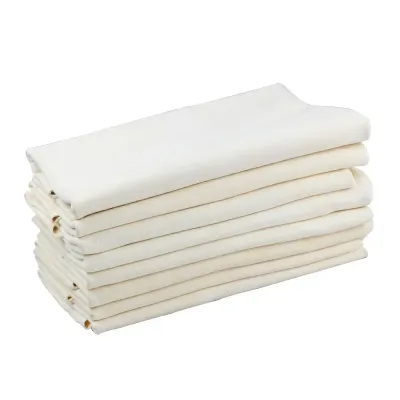
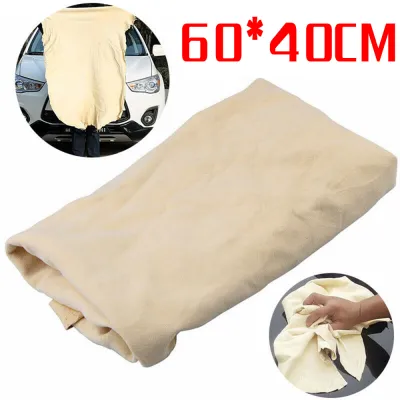
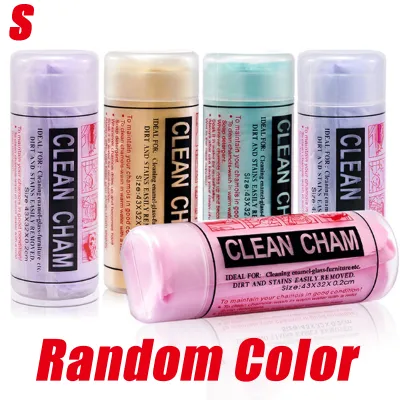
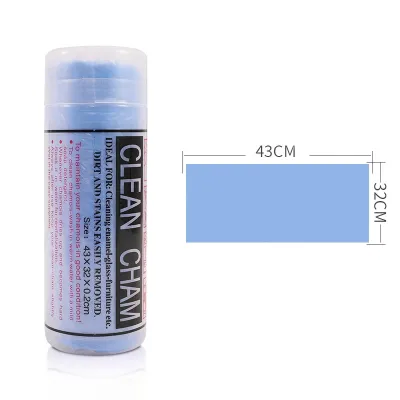
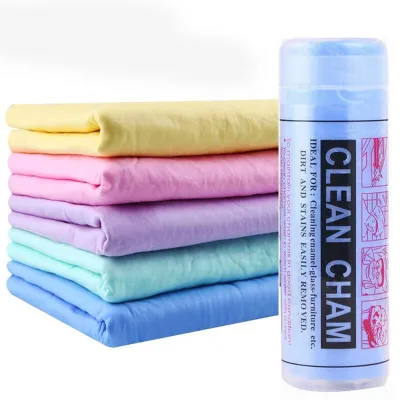
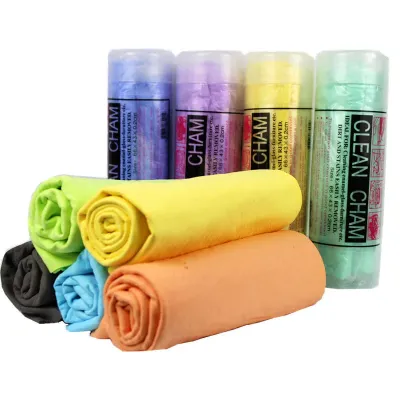
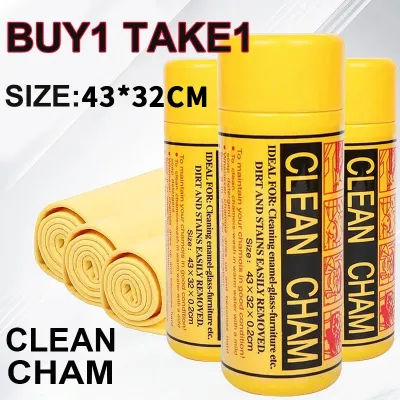
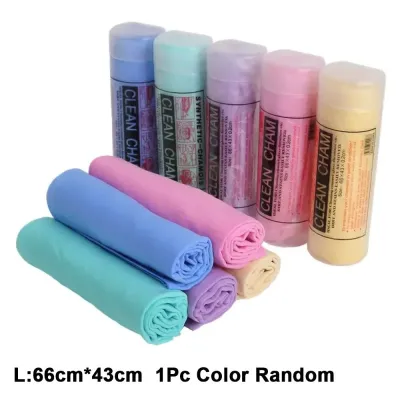
Prices are valid at publication and may change. Please refer to the product page for the latest price.
Synthetic chamois is an engineered alternative designed to mimic the high absorbency of natural leather without the intensive maintenance requirements. Most synthetic options are manufactured from polyvinyl alcohol (PVA) foam or highly absorbent synthetic polymer blends. These cloths often feature a textured surface or a mesh reinforcing middle layer to improve durability and glide across wet paintwork.
Microfiber drying towels represent the modern standard in automotive detailing. These are woven textiles created from a blend of polyester and polyamide fibers. The polyester provides the structural scrubbing and wiping power, while the polyamide provides the water-absorbing properties. For drying purposes, manufacturers use specialized weaves—such as waffle weave, twist-loop, or high-pile plush designs—to maximize surface area and water retention.
Comparing Absorbency, Scratch Risk, and Ease of Use
Evaluating these materials across practical performance dimensions reveals how they behave during a typical wash session and how they impact your vehicle’s clear coat over time.

Water absorption capacity and saturation speed determine how quickly you can dry your vehicle before water spots form. PVA-based synthetic chamois typically leads in raw absorption speed, acting like a mechanical sponge that draws water off the surface instantly. Microfiber towels, particularly twist-loop designs, hold a massive volume of water within their fiber network, allowing you to dry an entire mid-sized vehicle without wringing the towel out. Natural chamois absorbs water exceptionally well once fully broken in, but it requires initial dampening to activate its capillary action.
Friction levels and scratch risk are where these materials diverge significantly. When sliding a cloth across paintwork, any microscopic dirt particles left behind after washing can become trapped between the cloth and the clear coat. A flat, non-porous surface like natural or synthetic chamois presses these particles directly against the paint, dragging them along and creating fine scratches or swirl marks. Microfiber, by contrast, features a deep fiber pile or a recessed weave that lifts and traps contaminants away from the paint surface, significantly reducing the risk of marring.
Physical effort and handling also vary. Wringing out a thick, high-pile microfiber towel can be physically demanding due to its bulk and weight when saturated. Synthetic chamois is highly flexible when wet and incredibly easy to wring out, making it highly efficient for continuous use. Natural chamois requires gentle wringing to avoid tearing the organic fibers, which can slow down your drying process.
| Material Type | Water Absorption | Scratch Risk (with debris) | Ease of Maintenance | Glide/Friction |
|---|---|---|---|---|
| Natural Chamois | High | Medium-High | Low (Demanding) | High (Smooth when wet) |
| Synthetic Chamois (PVA) | Very High | Medium-High | Medium | Medium (Can drag if dry) |
| Microfiber Towel | High to Very High | Low | High (Easy) | Medium-High |
Evaluating Natural Chamois, Synthetic Chamois, and Microfiber
Each material has distinct advantages and limitations that make it suitable for different detailing environments and user preferences.
Natural Chamois
Natural chamois remains a favorite among traditionalists who appreciate classic detailing tools and are willing to invest time in meticulous upkeep. Its primary advantage is its ability to glide smoothly over wet surfaces, leaving a flawless, lint-free finish on glass, chrome, and paintwork. The natural oils remaining from the tanning process also provide a gentle, low-friction interaction with the vehicle’s surface when the cloth is fully saturated.
However, the organic nature of natural chamois presents several drawbacks. It requires a strict cleaning and drying routine; if stored damp, it will rot or develop mold, and if dried too quickly near heat, it becomes stiff and brittle. It cannot be washed with standard household detergents, as these strip the essential natural oils, ruining its soft texture. Additionally, because it lacks a pile to safely trap dirt, any missed road grime will be dragged across your clear coat, potentially causing fine scratches.
Synthetic Chamois
Synthetic chamois, particularly PVA foam, offers a highly practical solution for car owners seeking rapid water removal with minimal fuss. It is exceptionally durable, resistant to most detailing chemicals, and can be stored damp in its original plastic container without rotting. This makes it highly convenient for quick touch-ups or for keeping in your vehicle’s boot.
Despite its convenience, synthetic chamois becomes completely rigid when dry, requiring thorough re-wetting and softening before it can safely touch your vehicle’s paint. If you attempt to use it while partially dry, it will grab, skip, and drag across the surface, which increases the risk of clear coat marring. Like its natural counterpart, the flat surface of a synthetic chamois offers no safe harbor for stray dirt particles, meaning your washing process must be absolutely flawless to avoid inducing swirl marks.
Microfiber Drying Towels
Microfiber drying towels are widely considered the safest option for modern clear coats. The primary benefit of microfiber is its safety profile; the split fibers create millions of tiny hooks that lift, trap, and hold dirt particles deep within the towel’s pile, keeping them away from the paint. They are also highly versatile, remaining soft and pliable whether wet or dry, and they can be easily cleaned in a standard washing machine.
On the downside, high-quality microfiber towels can be bulky and heavy when fully saturated, making them difficult to handle and slow to air-dry in humid environments. Lower-quality or overly dense microfiber blends may also suffer from surface tension issues, pushing water around the panels rather than absorbing it cleanly on the first pass. Choosing a towel with a reputable weave, such as a waffle or twist-loop pattern, is essential to avoid these performance bottlenecks.
Decision Framework: Which Material Fits Your Detailing Routine?
To choose the right drying tool, you must evaluate your vehicle’s paint condition, your local washing environment, and your willingness to perform regular tool maintenance.
If you own a classic car, appreciate traditional detailing methods, and are committed to hand-washing your tools with specialized soaps, natural chamois offers a nostalgic and highly effective drying experience. It excels at leaving a streak-free shine on flat panels, glass, and brightwork, provided you are willing to perform the meticulous rinsing and slow-drying steps required to preserve the leather.
If you wash your car frequently in public washing bays or multi-storey car parks and need a fast, budget-friendly water remover that you can quickly wring out and store in a compact container, synthetic chamois is an excellent fit. It is highly resilient and allows you to dry large areas rapidly, though you must ensure the vehicle is completely free of dirt before wiping to prevent scratching.
If paint safety, swirl prevention, and modern convenience are your absolute priorities, microfiber is the clear choice. This is especially true if your vehicle has a soft clear coat (common on many modern imports) or if you prefer the convenience of throwing your dirty towels into a washing machine after a detailing session. The safety margin provided by a plush microfiber pile is unmatched by any flat chamois material.
Cleaning and Storing Your Car Drying Cloths
Proper maintenance is essential to prolong the life of your drying cloths and protect your vehicle’s paintwork from damage during future uses.
Always check and strictly follow the manufacturer’s care labels for washing temperatures, detergent types, and drying instructions. For microfiber, wash with a dedicated microfiber detergent or a gentle, liquid detergent free of perfumes and dyes. Natural chamois should only be washed by hand in lukewarm water with a mild, non-degreasing soap, such as pure castile soap, to avoid stripping the natural oils.
Avoid fabric softeners and bleach entirely. Fabric softeners coat the fibers of microfiber towels with a silicone-like layer, completely destroying their absorbency and causing them to smear water across your paint. Bleach will degrade both synthetic and natural fibers, leading to premature shedding, tearing, and stiffness.
Ensure all cloths are dried correctly before storage to prevent mildew and unpleasant odors. In humid climates, avoid leaving damp cloths in a sealed car boot or a dark cupboard. Hang microfiber towels to air-dry in a well-ventilated, shaded area away from direct sunlight, which can bake the fibers and make them scratchy. Once dry, store your cloths in a clean, sealed plastic container to prevent them from collecting airborne dust, grit, or garage debris between washes.
Stop using any cloth that feels excessively stiff, gritty, or shows signs of tearing. If you drop any drying cloth on the ground during a wash, do not use it on your paintwork again until it has been thoroughly washed, as it will have picked up abrasive dirt particles from the floor.
Frequently Asked Questions (FAQ)
Can I use a regular bath towel instead of a dedicated car drying cloth?
No, you should avoid using household bath towels on your vehicle’s paintwork. Standard bath towels are typically made from cotton with a flat, looped weave designed for skin, not delicate automotive clear coats. These coarse cotton fibers can easily induce fine swirl marks and micro-scratches. Furthermore, household towels lack the specialized dirt-trapping channels found in microfiber and do not offer the smooth, lubricated glide of a properly saturated chamois.
How often should I replace my car drying cloth?
There is no fixed calendar timeline for replacing a drying cloth; replacement depends entirely on your usage frequency, washing habits, and material degradation. You should replace your cloth when you observe clear signs of wear, such as fraying edges, persistent stiffness that does not resolve after a proper wash, a noticeable loss of water absorbency, or embedded grit that cannot be washed out. Using a degraded or contaminated cloth increases the risk of scratching your paintwork during the drying process.
Community discussion
Share your experience or ask a question. Comments are reviewed before publication.