
When shopping for aftermarket seat covers or selecting a vehicle trim, you will frequently encounter the term Nappa leather. In the automotive world, Nappa leather represents a premium tier of upholstery celebrated for its exceptionally soft texture, smooth grain, and supple hand-feel. Unlike terms that refer to a specific animal species or a highly regulated technical standard, Nappa has evolved into an industry descriptor for high-quality, full-grain or top-grain leather that undergoes a specialized tanning process to retain its natural softness. Understanding this material’s traits, comparisons, and care requirements is essential before investing in your vehicle’s interior.
Defining Nappa Leather in Automotive Interiors
The term “Nappa” is widely used as an industry and marketing designation for soft, supple leather rather than a strict scientific or regulatory classification. Originally coined in the late 19th century to describe a specific soft tanning process for sheepskin, the modern automotive industry applies the label to high-grade, full-grain or top-grain bovine hides. Since no single global standard governs the term, manufacturers can apply it broadly, making it crucial to inspect product specifications.
To understand the exact material you are purchasing, you should guide your search by looking for specific tanning, finishing, or sourcing descriptions on product labels. High-quality Nappa leather typically undergoes a chrome-tanning process, which preserves the natural strength of the hide while imparting a characteristic pliability. Additionally, look for terms like “drum-dyed,” which indicates that the leather has been thoroughly permeated with soluble dyes rather than merely painted on the surface, preserving its natural texture and breathability.
Products mentioned in this guide
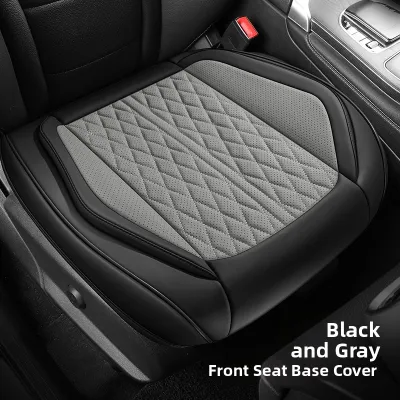
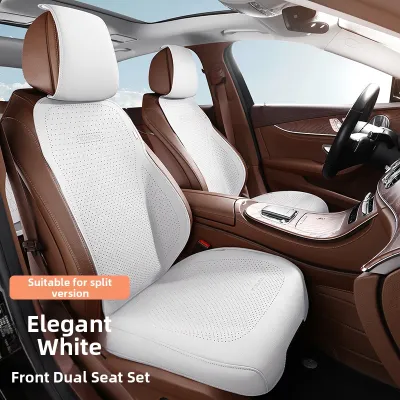
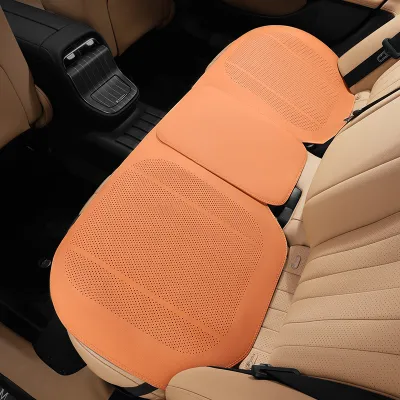
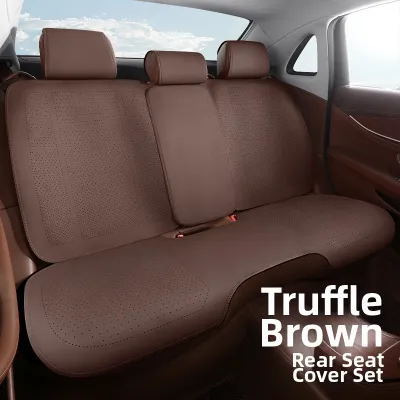
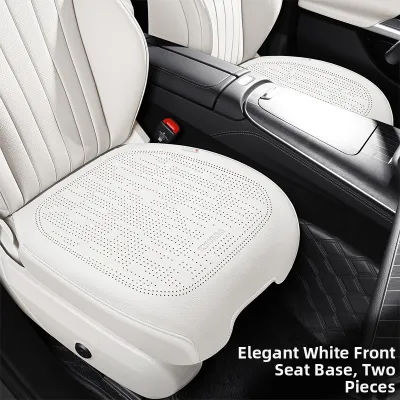
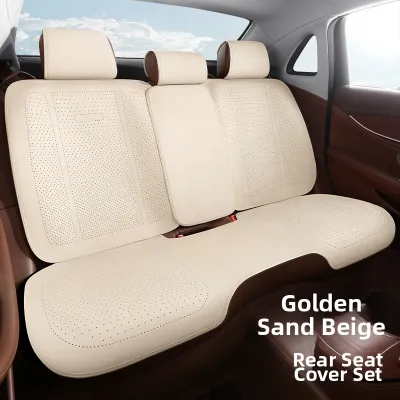
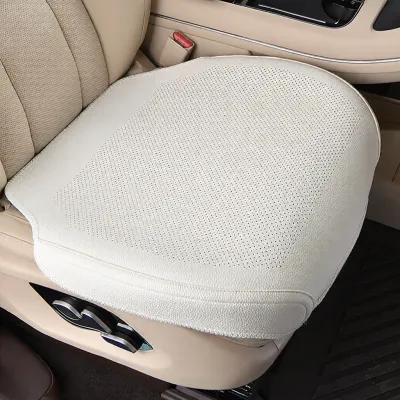
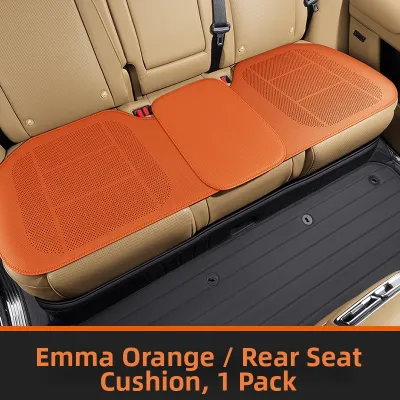
Prices are valid at publication and may change. Please refer to the product page for the latest price.
The typical tactile characteristics of genuine Nappa leather are immediately recognizable. It features a remarkably smooth finish with minimal surface grain correction, allowing the natural characteristics of the hide to remain visible. When you touch the material, it offers a soft, warm hand-feel and a high degree of flexibility, conforming smoothly to pressure without the stiff, plastic-like resistance common in lower-grade utility leathers.
Comparing Nappa to Other Common Seat Cover Materials
Contrasting Nappa leather with other genuine leather grades helps clarify its unique benefits. Standard car seats often feature corrected-grain leather, which undergoes heavy sanding to buff out natural imperfections like scars or insect bites. This process is followed by embossing an artificial grain pattern onto the surface and applying a thick protective topcoat. While highly durable and resistant to spills, corrected-grain leather feels stiff, lacks natural breathability, and does not develop a unique patina over time. In contrast, Nappa leather retains its natural pore structure, allowing for superior air exchange and a much softer surface.

Comparing genuine leather labeled as Nappa with synthetic alternatives, such as polyurethane (PU) leather or modern vegan leather, reveals distinct differences in aging and tactile quality. High-grade synthetics can mimic the visual appearance of Nappa leather quite closely and are often easier to clean. However, they differ significantly in tactile warmth and aging. Over years of exposure to friction and temperature fluctuations, synthetic covers tend to dry out, crack, or peel, whereas genuine Nappa leather remains pliable and develops a soft, character-rich patina, provided it is properly maintained.
Verifying these material claims requires a careful, multi-step approach. Do not rely solely on marketing headlines. Examine the manufacturer’s technical specifications and physical tags attached to the seat covers. Genuine leather products should feature a fiber backing that is visibly organic and irregular, unlike the uniform fabric or mesh backing characteristic of synthetic materials. If you have access to a physical sample, a gentle press on the surface of genuine Nappa will produce fine, radiating wrinkles that disappear when released, whereas synthetic materials tend to depress uniformly under pressure without organic wrinkling.
Decision Factors for Choosing Nappa Leather Seat Covers
Choosing Nappa leather seat covers involves weighing several practical trade-offs. The most immediate consideration is the financial investment. Because of the selective sourcing of unblemished hides and the intensive tanning processes required, Nappa leather commands a premium price. You must decide whether the luxurious tactile feel and long-term aesthetic appeal justify the higher cost in S$ compared to standard leather or synthetic alternatives.
The local climate plays a critical role in this decision. In Singapore’s tropical environment, characterized by high humidity and intense solar heat, car interiors can reach extreme temperatures when parked outdoors. Genuine Nappa leather, with its open-pore structure, offers better natural breathability than heavily coated leathers or synthetic vinyl, reducing the sticky sensation often experienced on hot days. However, leather still absorbs heat. To maintain a comfortable cabin, you may need to pair your leather seats with high-quality window solar films, use windshield sunshades, or ensure your vehicle’s ventilation system is operating efficiently.
Safety is the critical boundary when installing aftermarket seat covers. Many modern vehicles feature side-impact airbags integrated directly into the outer bolsters of the front seats. Installing an incompatible seat cover can delay or entirely prevent airbag deployment during a collision, posing a severe safety risk. Before purchasing any seat cover, you must verify its compatibility with your specific vehicle model, year, and seating configuration. Look for certified “airbag-compliant” designs that feature specialized, weakened stitching designed to break instantly upon airbag deployment. Always consult your vehicle’s original documentation and seek professional installation from a qualified technician to ensure these safety systems remain fully functional.
When consulting with retailers or manufacturers, prepare a list of targeted questions. Inquire about the exact warranty coverage, specifically whether it covers seam splitting, color fading, or premature cracking. Ask for details regarding the precise fitment—whether the covers are generic slip-ons or custom-patterned to match the exact dimensions of your vehicle’s seats. Finally, request documentation regarding the material’s origin and certification to ensure you are receiving the exact grade of leather you are paying for.
Care, Maintenance, and Verification Steps
Preserving Nappa leather requires a dedicated, low-risk maintenance routine. The foundation of leather care is regular, gentle cleaning to prevent abrasive dust and dirt from grinding into the pores. Begin by vacuuming the seats using a soft brush attachment to remove loose debris from the seams and crevices. Next, wipe the surface with a clean, slightly damp microfiber cloth. If a deeper clean is necessary, use only a pH-balanced leather cleaner that is explicitly approved by the seat cover manufacturer. Apply the cleaner to a cloth rather than spraying it directly onto the leather, and wipe gently without scrubbing.
To prevent damage, avoid several common pitfalls. Never use harsh household detergents, bleach, ammonia-based cleaners, or multi-purpose interior sprays, as these chemicals strip away the natural oils and protective factory finishes, leading to premature drying and cracking. Avoid saturating the leather with excessive moisture, as water can seep into the seams and cause the underlying foam or the leather itself to rot or warp. Additionally, steer clear of stiff-bristled brushes or abrasive scouring pads that can scratch the delicate surface. Whenever possible, park your vehicle in shaded areas or use sunshades to protect the leather from prolonged exposure to direct ultraviolet radiation, which accelerates fading and drying.
Always prioritize the manufacturer’s specific care label over generic advice. Leather formulations and protective topcoats vary widely between brands. If the care instructions provided with your seat covers are unclear, or if they conflict with general leather care tips, stop and contact the manufacturer directly for clarification. Testing any new cleaning or conditioning product on a small, inconspicuous area of the seat—such as the lower back or underside—is a prudent step to ensure it does not cause discoloration or alter the texture before applying it to the entire cabin.
Frequently Asked Questions (FAQ)
Is Nappa leather more durable than standard automotive leather?
While durable due to its top-grain origin, Nappa’s soft texture is more susceptible to scuffs than heavily coated, corrected-grain utility leathers. Its long-term durability depends heavily on regular maintenance and protection from harsh environmental factors. Rather than assuming superior wear resistance based on the name alone, you should check the manufacturer’s material thickness specifications and warranty terms to gauge expected longevity.
How can I tell if my seat covers are genuine Nappa leather?
To verify authenticity, inspect product tags and documentation for explicit material breakdowns, such as ‘100% full-grain bovine leather.’ Genuine Nappa will exhibit subtle, irregular grain patterns and natural variations, whereas synthetic alternatives or heavily corrected leathers often display a perfectly repeating, uniform texture. You can also request material certifications or sourcing details directly from the seller to confirm the leather’s origin.
Does Nappa leather require special conditioning?
Nappa leather requires conditioning products formulated specifically for delicate, top-grain leathers. You must follow the seat cover manufacturer’s precise care instructions, as using generic, heavy oils or wax-based conditioners can clog the natural pores, attract dirt, and degrade the factory finish. Applying a light, manufacturer-approved leather conditioner periodically will help maintain its characteristic suppleness without altering its natural texture.

Community discussion
Share your experience or ask a question. Comments are reviewed before publication.