
Selecting the right paint protection for your vehicle involves balancing durability, application effort, and cost. Traditional car wax, nano spray, and ceramic coating each serve different driver needs, meaning the right choice depends entirely on your lifestyle and budget.
Traditional car wax offers a classic, deep warm gloss but requires frequent reapplication to maintain its protective barrier. Nano sprays provide a fast, user-friendly compromise, offering moderate durability and excellent water-beading properties with minimal effort. Professional-grade ceramic coatings deliver long-term, semi-permanent protection against environmental contaminants, but they demand meticulous surface preparation and a higher upfront financial investment.
Understanding how these methods compare in real-world conditions helps you choose the option that best preserves your vehicle’s finish without exceeding your budget or maintenance limits.
Products mentioned in this guide
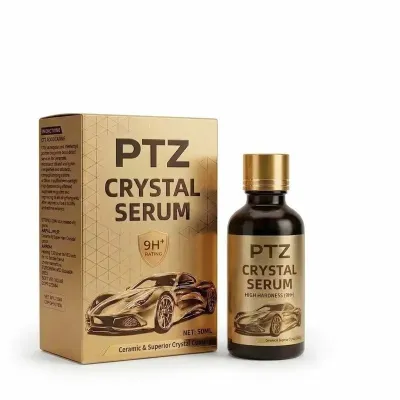
![[SG Stock]🇺🇸NO.1 Car Coating Spray Nano✅Ceramic Coating Spray Paint / Automotive Care Scratch Remover Repair Polish Wax Waterless Wash Waterproof Hydrophobic Spray汽车抛光镀膜剂](https://img.lazcdn.com/g/p/2bba12901b2bb2d755549c6a6f6bd75f.jpg_400x400q80.jpg_.webp)
![[SG In Stock]Car Ceramic Coating Automotive Coating Nano Car Care Polish 500ML Nano Ceramic Coating Spray/Automotive Care](https://img.lazcdn.com/g/p/83567248d0f46fa4511871a48952c5d4.jpg_400x400q80.jpg_.webp)
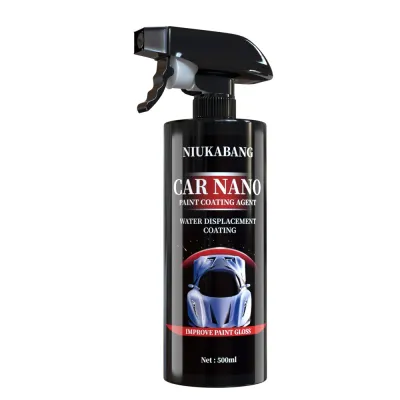
![[SG Ready Stock] Car Ceramic Coating/Nano Ceramic Coating Spray/500ML Automotive Coating Nano Car Care Polish /Automotive Care](https://img.lazcdn.com/g/p/c2684b055acabac26980963321bb5b6b.jpg_400x400q80.jpg_.webp)
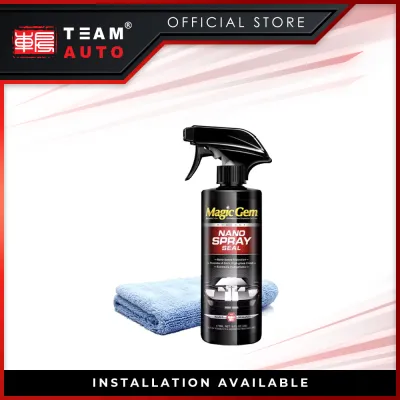
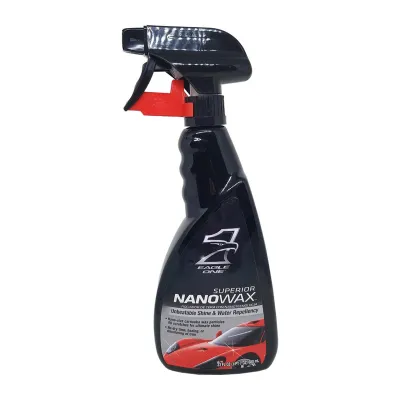
Prices are valid at publication and may change. Please refer to the product page for the latest price.
Understanding the Core Differences in Paint Protection
To make an informed decision, it is essential to understand the basic composition, working principles, and visual outcomes of each paint protection method. Each product interacts with your vehicle’s clear coat differently, resulting in distinct levels of protection and shine.
Traditional car wax is typically formulated from natural carnauba wax, synthetic polymers, or a blend of both. It sits directly on top of the clear coat, filling in microscopic paint imperfections to create a smooth, reflective surface. This physical barrier produces a deep, warm gloss and basic hydrophobic properties. However, because wax does not chemically bond with the paint, it is easily degraded by heat, road grime, and harsh detergents, requiring frequent reapplication.
Nano sprays, often referred to as silica sprays or SiO2 detailers, utilize advanced chemical formulations containing silicon dioxide nanoparticles suspended in a liquid carrier. When sprayed onto the paintwork and wiped off, these nanoparticles quickly bond to the surface, forming a thin, highly hydrophobic barrier. This method offers a modern, glassy shine and excellent resistance to dust and water spots with minimal application effort.
Ceramic coatings consist of highly concentrated liquid formulations of silicon dioxide (SiO2) or titanium dioxide (TiO2). Unlike wax or sprays, a true ceramic coating chemically bonds with the vehicle’s clear coat on a molecular level, curing into a semi-permanent, glass-like protective layer. This layer is significantly harder and thicker than wax or spray barriers, providing robust defense against chemical etching, bird droppings, and UV radiation. However, achieving this level of protection requires flawless paint preparation, as any existing swirl marks or scratches will be locked beneath the cured coating.
Comparing Durability, Application, and Maintenance
Evaluating the practical realities of how long each product lasts, the effort required to apply it, and the ongoing care needed to maintain it is crucial for long-term satisfaction.

Durability expectations vary significantly across the three options. Traditional car wax typically lasts anywhere from a few weeks to two months, depending on weather exposure and washing habits. Nano sprays offer a step up, with durability often ranging from two to six months under normal driving conditions. In contrast, a professionally applied ceramic coating can last from two to five years, or even longer with proper maintenance. It is essential to verify the specific lifespan claims on the manufacturer’s product label, as environmental factors like intense tropical heat and frequent rain can accelerate degradation.
Application requirements represent another major point of comparison. Applying traditional wax is a straightforward DIY process involving hand-buffing, which is time-consuming but forgiving of minor errors. Nano sprays represent the easiest application method, requiring a simple spray-and-wipe technique that can be completed in under thirty minutes after a standard wash. Ceramic coatings, however, demand a highly controlled environment and extensive preparation. This preparation usually includes washing, claying, and multi-stage paint correction (polishing) to remove all surface defects. Applying the coating itself requires precise timing to avoid “high spots” (uneven patches of cured product) and a dedicated curing period during which the vehicle must remain dry and sheltered.
Maintenance routines also differ once the protective layer is in place. Both nano sprays and ceramic coatings make routine washing significantly easier because their slick, hydrophobic surfaces prevent dirt and road grime from bonding tightly to the paint. However, maintaining any of these protective layers requires care. To avoid stripping or degrading the protection, you must use pH-neutral car shampoos and avoid automatic drive-through car washes that use harsh chemicals or abrasive brushes. Coated vehicles also benefit from specialized ceramic booster sprays applied every few months to rejuvenate the hydrophobic properties and extend the coating’s lifespan.
Evaluating Cost and Value for Your Vehicle
Balancing the initial financial investment against long-term upkeep and your vehicle’s overall value is key to making a practical choice.
The upfront cost varies dramatically between these methods. High-quality DIY car waxes and nano sprays are highly affordable, typically costing between S$20 and S$60 per bottle or tin, which can last for multiple applications over several years. On the other hand, professional ceramic coating services represent a significant investment, often ranging from several hundred to over a thousand Singapore dollars (S$). This higher cost is primarily driven by the intensive labor required for professional paint correction and surface preparation before the coating is applied.
While a ceramic coating has a high initial cost, it can be economically viable over the long term. When you calculate the cumulative cost of purchasing high-quality waxes, applicators, and detailing sprays over several years, along with the value of your personal time spent applying them every few weeks, a long-lasting coating becomes more competitive. However, some professional coatings require annual inspections or specific maintenance packages to uphold their warranties, which can add to the long-term cost.
Choosing the right method depends heavily on your vehicle’s role and your ownership plans. For a daily commuter parked outdoors in harsh weather, a ceramic coating or regular nano spray applications offer practical, time-saving protection against environmental damage. A weekend show car or a classic vehicle might benefit more from the deep, warm aesthetic of a premium carnauba wax. If you plan to sell or trade in your vehicle within a year or two, investing in an expensive multi-year ceramic coating may not yield a sufficient return on investment, making DIY nano sprays the more sensible choice.
Decision Framework: Which Method Should You Choose?
To help you select the most appropriate paint protection, consider this conditional decision framework based on your specific constraints and goals.
Choose Car Wax if you operate on a limited budget, find the hands-on process of detailing your car therapeutic, and do not mind dedicating a few hours every month to reapplication. Wax remains an excellent choice for enthusiasts who prefer a classic, deep gloss and enjoy maintaining their vehicle’s finish manually.
Choose Nano Spray if you want a fast, highly efficient DIY solution that fits a busy lifestyle. Nano sprays are ideal if you want modern hydrophobic performance, water-beading, and dirt resistance without spending hours buffing paint or paying for professional services. It is a practical middle ground for drivers who want reliable protection with minimal effort.
Choose Ceramic Coating if you have a larger budget, plan to keep your vehicle for several years, and want to minimize the effort required during weekly washes. This option is best if you want long-term peace of mind and are willing to pay for professional paint correction to ensure a flawless, glass-like finish.
Verify first if your vehicle’s clear coat has severe oxidation, deep scratches, or failing previous protection. No paint protection product can hide major paint defects; in fact, ceramic coatings will lock them in, and waxes or sprays will fail to bond properly to damaged paint. Before applying any new protective layer, inspect the paintwork thoroughly and perform any necessary claying, polishing, or paint restoration to ensure a clean, smooth surface.
Frequently Asked Questions (FAQ)
Can I apply nano spray over existing car wax or ceramic coating?
You should always check the manufacturer’s product label for specific compatibility guidelines. Generally, applying a nano spray over a traditional car wax is ineffective because the spray cannot properly bond to the oily, waxy surface, leading to premature wash-off. However, applying a compatible nano spray or ceramic booster over an existing ceramic coating is highly recommended. These specialized sprays are formulated to bond with the underlying ceramic layer, rejuvenating its hydrophobic properties and acting as a sacrificial barrier to extend the life of the primary coating.
Does paint protection prevent rock chips and deep scratches?
No, liquid paint protection products like waxes, nano sprays, and ceramic coatings do not provide physical impact resistance. While a cured ceramic coating adds a microscopic layer of hardness that can help reduce very light wash marring and fine swirl marks, it is far too thin to stop the kinetic energy of flying road debris. If you want robust protection against rock chips, road gravel, and deep physical scratches, you must install a dedicated Paint Protection Film (PPF), which is a thick, urethane-based physical barrier.
How do I know when it is time to reapply the protection?
You can determine when your paint protection has degraded by observing how water behaves on the surface of your clean vehicle. When a protective layer is fully active, water will bead into tight, round droplets and easily sheet off the panels when the car is in motion. As the protection wears away, water will begin to pool in flat, wide patches, and you will notice increased surface friction when running a clean microfiber cloth over the paint. A higher susceptibility to water spots, dust accumulation, and road grime also indicates that it is time to wash, prep, and reapply your chosen protective product.

Community discussion
Share your experience or ask a question. Comments are reviewed before publication.