
When deciding between a nano polix car cloth and standard microfiber for automotive detailing, the optimal choice depends on the specific phase of your wash, the condition of your vehicle’s surface, and verified manufacturer specifications. Neither material is universally superior for every task; instead, understanding their distinct structural properties allows you to match the right towel to drying, polishing, or interior cleaning while minimizing the risk of clear coat damage.
A nano polix car cloth is engineered primarily for high-gloss finishing, final-stage buffing, and delicate paintwork where minimizing surface friction is critical. Standard microfiber, on the other hand, serves as the versatile workhorse of automotive care, handling everything from heavy water absorption during the drying phase to deep cleaning of interior surfaces and wheels. By analyzing the textile science behind these tools, you can make an informed decision that protects your vehicle’s finish and optimizes your detailing routine.
Understanding the Material Technology Behind Both Cloths
To understand how these cloths perform on automotive paint, it is necessary to examine their foundational textile engineering. Standard microfiber is a synthetic blend of polyester and polyamide, typically split during manufacturing to create microscopic wedge-shaped channels. These channels act as mechanical hooks that lift and trap dirt, dust, and moisture away from the surface rather than pushing them around. The splitting process increases the effective surface area of the towel, allowing it to hold several times its weight in liquid.
Products mentioned in this guide
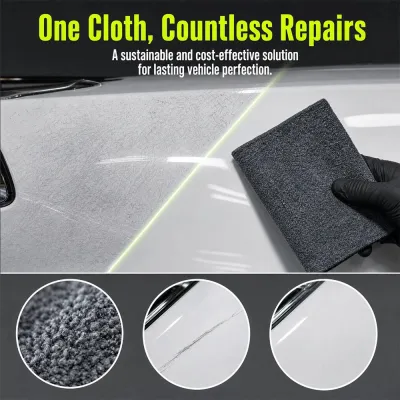
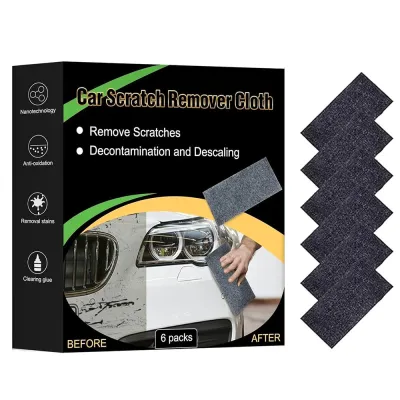
![[Ready Stock]Nano Polix Car Remover Cloth 6 Packs - Auto Paint Scratch Repair Towel](https://img.lazcdn.com/g/p/0cb14bbf86aae107c018f1a6dfa50d91.jpg_400x400q80.jpg_.webp)
Prices are valid at publication and may change. Please refer to the product page for the latest price.
Nano polix technology represents a variation in synthetic fiber manufacturing, focusing on ultra-fine polymer structures that reduce the physical friction coefficient against delicate clear coats. While standard microfiber is already exceptionally thin—often defined as being less than one denier in diameter—nano-scale fibers are engineered to be even finer. This extreme fineness allows for a much denser weave, resulting in a smoother, more uniform contact surface that glides easily over fresh wax, sealants, or ceramic coatings.
The physical performance of any detailing cloth is ultimately dictated by three primary factors: fiber density, pile structure, and the synthetic blend ratio. Fiber density determines how closely packed the individual strands are, which directly influences the towel’s plushness and weight. The pile structure—whether it consists of long, open loops, short closed loops, or twisted loops—determines how the cloth interacts with liquids and solid particles. Finally, the ratio of polyester to polyamide establishes the balance between structural durability and liquid absorbency.
Key Specifications to Compare Before Buying
When evaluating detailing cloths on an online marketplace or in a local automotive shop, relying on marketing terms alone is rarely sufficient. Instead, you should look for specific, verifiable metrics on the product packaging or manufacturer specification sheets to determine the cloth’s suitability for your vehicle.

The first metric to verify is the fabric weight, measured in grams per square meter (GSM). Generally, a lower GSM rating (between 200 and 300) indicates a thin, lightweight cloth best suited for glass cleaning, interior dusting, or removing residue from utility areas. Medium-weight cloths (300 to 500 GSM) offer a balanced blend of absorbency and maneuverability, making them ideal for buffing away waxes and polish. High-weight cloths (600 GSM and above) feature dense, plush piles designed primarily for absorbing large volumes of water during the drying stage.
The synthetic blend ratio is another critical indicator of quality and performance. Most high-quality detailing towels feature either an 80/20 or a 70/30 blend of polyester and polyamide. Polyamide is the softer, highly absorbent component of the blend, while polyester provides structural strength and scrubbing power. For delicate paint correction and final buffing, a 70/30 blend is generally preferred due to its superior softness and lower risk of inducing micro-scratches on soft clear coats.
Beyond the fibers themselves, you must inspect the edge construction and seam design of the cloth. Standard overlocked edges stitched with rough polyester thread can act as an abrasive agent if pressed firmly against automotive paint. To minimize scratch risks, look for cloths featuring silk-banded edges, microfiber-wrapped borders, or ultrasonic laser-cut edges. Laser-cut and edgeless towels completely eliminate the risk of hard stitching coming into contact with your vehicle’s clear coat.
Which Cloth to Choose for Drying, Polishing, and Cleaning
Selecting the right cloth requires matching its specific physical characteristics to the detailing task at hand. Using the wrong towel for a specific phase of the process can lead to inefficient cleaning, excessive linting, or paint marring.
You should choose a nano polix car cloth when your primary goal is high-gloss buffing, leveling ceramic coatings, or applying delicate spray waxes to sensitive paint finishes. The ultra-fine fiber structure and dense weave of these cloths excel at spreading liquid products evenly without absorbing them too quickly, allowing for a streak-free finish. Their low-friction design is particularly beneficial for vehicles with soft aftermarket paint or dark clear coats that easily show fine swirl marks under direct sunlight.
Conversely, standard microfiber is the superior choice for high-volume water absorption and heavy-duty cleaning tasks. For initial panel drying after a wash, a dedicated twist-loop or plush microfiber drying towel will collect water much more efficiently than a dense polishing cloth. Standard microfiber is also better suited for cleaning high-grime areas such as wheels, exhaust tips, door jambs, and engine bays, where the mechanical trapping action of split fibers is required to lift stubborn road grit.
Before starting any detailing work, always verify the specifications of your cloths. If a towel lacks clear labeling regarding its GSM, blend ratio, or origin, it should be relegated to utility tasks such as cleaning tires or interior plastics. Additionally, if you are working on an unfamiliar vehicle with an unknown aftermarket paint finish, perform a gentle test in an inconspicuous area, such as the lower rocker panels, to confirm the paint’s abrasion tolerance before proceeding with full-body buffing.
Safety Checks and Maintenance to Protect Your Car Paint
Even the highest-quality detailing cloth can cause severe paint damage if it is not properly prepared, inspected, and maintained. Implementing a strict safety routine is essential to prevent the introduction of swirl marks and micro-scratches during the detailing process.
Before using any new detailing cloth on your vehicle’s paint, it must undergo a pre-washing cycle. Brand-new towels often carry chemical residues from the manufacturing process, excess dyes, and loose fibers that can cause streaking or linting on your paint. Wash new cloths separately using a mild, liquid detergent free of perfumes and dyes, and avoid mixing them with standard household laundry to prevent the transfer of cotton lint.
During the detailing process, perform regular visual and tactile inspections of your cloths. As you wipe down a vehicle, the fibers naturally trap airborne dust, road grit, and tiny paint contaminants. If you continue using a contaminated cloth, these trapped particles will act like sandpaper against your clear coat. Periodically fold the towel to expose a clean, unused section, and run your fingers across the pile to feel for any embedded grit that may not be visible to the eye.
Establish clear stop conditions for your detailing towels to protect your vehicle’s finish. If a cloth is accidentally dropped onto the ground, it must be retired immediately from paintwork, as it will instantly pick up abrasive dirt from the floor. Furthermore, once a cloth begins to lose its original softness, exhibits flattened or matted pile structures, or sheds excessively, it should be permanently downgraded to interior, wheel, or engine bay cleaning duties.
Frequently Asked Questions (FAQ)
Can I use fabric softener when washing these car cloths?
No, you should never use fabric softener or dryer sheets when laundering detailing cloths. Fabric softeners work by depositing a thin, waxy chemical coating over the fibers to make them feel softer. This coating clogs the microscopic split-fiber channels in microfiber and nano polix materials, severely reducing their natural absorbency and eliminating their ability to trap dust and moisture. For optimal performance, wash the cloths with a dedicated microfiber restorer or a mild liquid detergent, and dry them on a low-heat cycle or hang them to air dry in a dust-free environment.
How do I know when a detailing cloth needs to be replaced?
A detailing cloth should be retired from paintwork when it exhibits clear physical signs of degradation. These signs include a noticeable loss of softness, a stiff or crunchy texture when dry, visible fraying along the edges, or persistent lint shedding during use. If the fibers have become matted or if the cloth has accumulated embedded contaminants that do not wash out during a standard laundering cycle, it is no longer safe for sensitive clear coats. Downgrade these worn towels to utility tasks, such as cleaning engine components, undercarriages, or tires.
Community discussion
Share your experience or ask a question. Comments are reviewed before publication.