
Choosing the right paint protection method for your vehicle depends on your budget, how much time you want to spend on maintenance, and the current condition of your car’s exterior. While car polish, wax, and nano ceramic coatings are often mentioned together, they serve entirely different roles in automotive care. Polish is a corrective treatment designed to restore paint clarity, whereas wax and nano ceramic coatings act as protective barriers against environmental damage.
For drivers navigating intense tropical heat, heavy rain, and industrial fallout, selecting the appropriate method is key to preserving your vehicle’s resale value and aesthetic appeal. Understanding how these three solutions interact with your car’s clear coat will help you make an informed decision that aligns with your lifestyle and maintenance habits.
Understanding the Core Differences in Paint Protection
To choose the right option, you must first distinguish between paint correction and paint protection. Many car owners mistake polishing for a protective measure, but its primary function is actually subtractive rather than additive.
Products mentioned in this guide
![[SG Stock]🇺🇸NO.1 Car Coating Spray Nano✅Ceramic Coating Spray Paint / Automotive Care Scratch Remover Repair Polish Wax Waterless Wash Waterproof Hydrophobic Spray汽车抛光镀膜剂](https://img.lazcdn.com/g/p/2bba12901b2bb2d755549c6a6f6bd75f.jpg_400x400q80.jpg_.webp)
![[SG In Stock]Car Ceramic Coating Automotive Coating Nano Car Care Polish 500ML Nano Ceramic Coating Spray/Automotive Care](https://img.lazcdn.com/g/p/83567248d0f46fa4511871a48952c5d4.jpg_400x400q80.jpg_.webp)
![🇸🇬[Ready Stock] 500ml Car Ceramic Coating/ Nano Ceramic Coating Spray/ Automotive Coating Nano Car Care Polish](https://img.lazcdn.com/g/p/8402606e26c8ebca5ebe2713e17ad7a2.jpg_400x400q80.jpg_.webp)
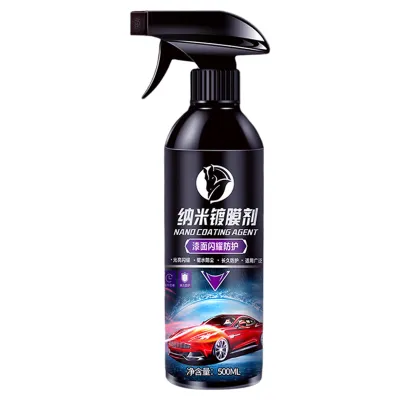
![[SG] Car Coating Spray 🚘 Car Nano Coating Spray Car Wash Car Cloth Ceramic Coating Spray Car Wax Spray](https://img.lazcdn.com/g/ff/kf/S09cf9d0b23bf45fb862bd618558aa2ad0.jpg_400x400q80.jpg_.webp)
![[SG]500ml Car coating Spray Nanometer Ceramic Coating Scratch Repair Oxidation Refresher Car Maintenance Polishing Paint汽车镀膜蜡](https://img.lazcdn.com/g/p/1d25dec4e05e27f2848e49ab3eaf7f35.jpg_400x400q80.jpg_.webp)
Prices are valid at publication and may change. Please refer to the product page for the latest price.
Car polish uses micro-abrasives to gently level the top layer of your vehicle’s clear coat. This process removes fine scratches, swirl marks, and oxidation, restoring a smooth, reflective surface. Because polishing removes a microscopic layer of paint, it should only be performed when correction is necessary, rather than as a routine maintenance step.
Car wax is a traditional sacrificial barrier applied over the clear coat. Typically formulated from natural carnauba or synthetic polymers, wax fills minor paint imperfections and creates a temporary high-gloss finish. It sits on top of the paint surface without forming a permanent bond, providing a basic shield against water, dust, and light contaminants.
A nano ceramic coating represents a more advanced chemical solution. This liquid polymer utilizes nanotechnology to penetrate the microscopic pores of the clear coat, forming a semi-permanent, covalent bond. Once cured, it creates a hardened, hydrophobic layer that acts as a durable shield against environmental hazards.
Comparing Protection, Durability, and Maintenance Effort
When evaluating these methods, consider how much protection your vehicle requires based on where it is parked and how often it is driven. Environmental factors like UV exposure, bird droppings, and tree sap can rapidly degrade unprotected paint.

A nano ceramic coating offers a high level of environmental resistance compared to traditional wax. It provides robust protection against chemical etching from acidic contaminants and helps shield the paint from UV-induced oxidation. However, you should always verify specific product labels for manufacturer claims regarding hardness ratings and chemical resistance, as performance varies by formulation.
In contrast, car wax offers moderate protection but has a much shorter lifespan. While a ceramic coating can endure for years under proper care, traditional wax typically degrades within a few weeks or months. The actual durability of any protective layer depends heavily on environmental exposure, whether the vehicle is parked in a sheltered basement or an open-air carpark, and how frequently it is washed.
Maintenance requirements also differ significantly between these options. Although a nano ceramic coating is highly hydrophobic and makes washing much easier, it is not entirely maintenance-free. To prevent water spotting and maintain the coating’s performance, you must wash the vehicle regularly using pH-neutral shampoos and apply manufacturer-approved maintenance sprays or toppers. Waxed vehicles require more frequent reapplications to maintain their protective qualities and gloss.
Evaluating Cost, Application Process, and Skill Requirements
The initial financial investment and the effort required for application are major deciding factors for most vehicle owners. These methods range from simple, budget-friendly DIY projects to highly specialized professional services.
Applying a traditional car wax is a straightforward, forgiving process that requires minimal tools and can easily be completed in a home garage or sheltered wash bay. The material costs are relatively low, making it an accessible option for hands-on enthusiasts who enjoy grooming their own vehicles.
Conversely, applying a nano ceramic coating demands strict environmental controls and meticulous surface preparation. The application environment must be free of dust, moisture, and direct sunlight to ensure the coating cures correctly. Because any paint imperfections will be locked beneath the hardened ceramic layer, professional-grade paint correction is a mandatory preparatory step. This preparation is highly time-consuming and requires specialized polishing equipment.
Due to these stringent requirements, professional application fees represent a significant upfront investment. While DIY ceramic kits are available, improper application can lead to unsightly high spots or poor adhesion, which can only be corrected by abrasive polishing. Before deciding, it is wise to obtain detailed quotes from reputable local detailing shops to compare the costs of professional installation against your budget.
Decision Framework: Which Method Fits Your Vehicle and Lifestyle?
To determine the best path forward for your vehicle, evaluate your budget, available time, and the current state of your paintwork.
Choose polish if your vehicle’s paint shows visible oxidation, swirl marks, or light scratches. Remember that polishing is a preparatory corrective step, not a final protective shield. You must always follow a polishing session with a dedicated protective layer like wax or a ceramic coating to seal the restored paint.
Choose wax if you are working with a limited budget, prefer DIY car care, and do not mind dedicating time every few weeks to wash and re-wax your vehicle. It is an excellent choice for owners who enjoy the therapeutic process of manual detailing and want an easy, low-risk way to maintain a deep gloss.
Choose a nano ceramic coating if you want long-term protection, easier routine washing, and are willing to invest in professional application. This option is ideal for busy owners who want to preserve their vehicle’s exterior with minimal daily effort, provided they can commit to the required periodic maintenance routines.
Before applying any product, verify the condition of your vehicle’s paint. If the paint history is unknown, has undergone non-standard aftermarket resprays, or shows signs of severe clear coat failure, consult a qualified professional detailer. They can assess the paint depth and determine whether the surface can safely withstand polishing or support proper coating adhesion. Always check the product instructions to ensure compatibility with your vehicle’s specific paint type, plastic trim, and rubber seals before starting any application.
Frequently Asked Questions (FAQ)
Can I apply wax over a nano ceramic coating?
While it is physically possible to apply wax over a cured nano ceramic coating, doing so is generally not recommended. The wax layer will cover the ceramic coating, masking its engineered hydrophobic and self-cleaning properties with the less efficient shedding characteristics of the wax. Instead of traditional waxes, use coating-specific maintenance sprays or silica-based toppers approved by the coating manufacturer to boost gloss and slickness.
Does polish remove ceramic coating?
Yes, the abrasive compounds in car polish will strip, degrade, or completely remove a cured nano ceramic coating. Because polishing works by leveling the surface, the mechanical friction and abrasives will wear away the thin ceramic layer. For this reason, polishing should only be performed before the coating is applied, or when you intentionally want to remove an old, failing coating to prepare the surface for a fresh application.
How do I know when it is time to reapply protection?
You can determine if your protective layer has degraded by observing how water behaves on the paint surface during a wash. A fresh wax or ceramic coating will cause water to bead into tight droplets or sheet off the panels rapidly. If water begins to pool, flatten, or cling to the surface, the protective barrier has likely worn away. Always consult the specific product’s maintenance guidelines and expected lifespan parameters to plan your reapplication schedule.

Community discussion
Share your experience or ask a question. Comments are reviewed before publication.