
Choosing the right paint protection for your vehicle depends on balancing durability, maintenance effort, and upfront cost. While many car owners treat polish, wax, and nano ceramic coatings as interchangeable options, they serve entirely different roles in automotive care. Polish corrects imperfections by removing a microscopic layer of clear coat, whereas wax and nano ceramic coatings act as protective shields over that paint. Deciding between these methods requires understanding how they interact with your car’s surface and how much time or budget you are willing to invest.
For drivers seeking a quick, budget-friendly shine that they can apply themselves, traditional car wax remains an excellent choice. On the other hand, those looking for long-term resistance against harsh environmental elements, easier routine washing, and years of durability should consider a nano ceramic car coating. To make the best decision for your vehicle, you must first distinguish between paint correction and paint protection, and then evaluate how each option fits your lifestyle and driving conditions.
Clarifying the Roles: Correction vs. Protection
To build a proper car care routine, you must first understand that polishing and protecting are two distinct stages of detailing. A common mistake is comparing car polish directly to wax or ceramic coatings as if they are alternative ways to shield your paint. In reality, polish does not offer any protective qualities; instead, it is an abrasive treatment used to prepare the surface.
Products mentioned in this guide
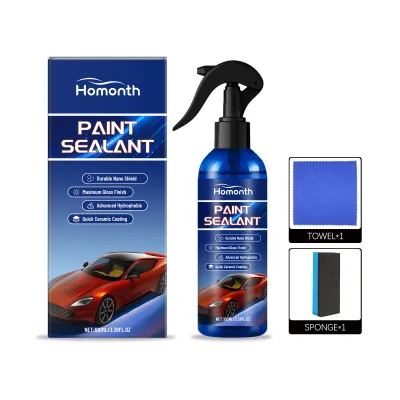
![[SG In Stock]Car Ceramic Coating Automotive Coating Nano Car Care Polish 500ML Nano Ceramic Coating Spray/Automotive Care](https://img.lazcdn.com/g/p/83567248d0f46fa4511871a48952c5d4.jpg_400x400q80.jpg_.webp)
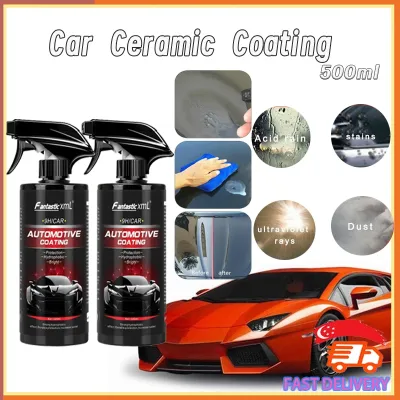
![[SG] Car Coating Spray 🚘 Car Nano Coating Spray Car Wash Car Cloth Ceramic Coating Spray Car Wax Spray](https://img.lazcdn.com/g/p/7c8530db699292fad0a995652e008723.jpg_400x400q80.jpg_.webp)
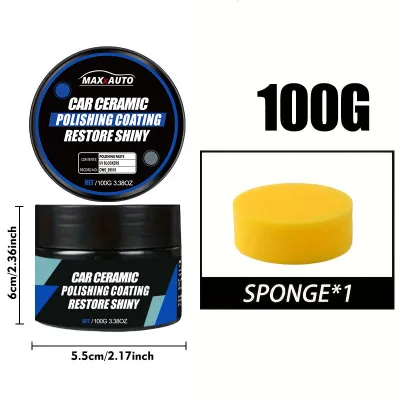
![[SG] Nano Ceramic Coating Shampoo Car Wash Shampoo Car Wax Car Coating Wash and Shine](https://img.lazcdn.com/g/p/3792d61f45f7f765d914254ff77438f0.jpg_400x400q80.jpg_.webp)
Prices are valid at publication and may change. Please refer to the product page for the latest price.
Car polish contains microscopic abrasives that gently level the top layer of your vehicle’s clear coat. This process removes fine scratches, swirl marks, oxidation, and water spots that make the paint look dull. By smoothing out these microscopic imperfections, polish restores the paint’s clarity and gloss, allowing light to reflect evenly off the surface. Because it removes paint material, polishing should only be done when necessary to correct defects.
In contrast, wax and nano ceramic car coatings are purely protective barriers. They do not remove scratches or correct paint defects; instead, they seal the paint to prevent future damage. Applying a protective layer over unpolished paint will simply lock in existing swirl marks and dullness, reducing the overall clarity and bond of the protection. Therefore, polishing is the preparatory correction step, while wax or ceramic coating is the final protective shield that preserves the corrected finish.
Protection Level and Durability Expectations
When comparing the protective capabilities of wax and nano ceramic coatings, the primary differences lie in their chemical composition and how they bond to your vehicle’s paint. Traditional car waxes, whether derived from natural carnauba or synthetic polymers, sit on top of the clear coat as a temporary sacrificial layer. This physical barrier shields the paint from light environmental contaminants, but it is highly susceptible to heat, friction, and chemical cleaners.

Nano ceramic car coatings utilize silica-based compounds that chemically bond with the clear coat at a molecular level. This chemical reaction creates a semi-permanent, highly hydrophobic layer that is significantly harder and more resilient than any wax. The resulting surface is much more effective at resisting chemical etching from bird droppings, tree sap, and road grime.
To evaluate how long these protective layers will last, you should always consult the manufacturer’s technical data sheets and product labels rather than relying on generalized marketing claims. Synthetic waxes typically require reapplication every few months, while professional-grade ceramic coatings can last for several years when properly maintained.
In Singapore, vehicles face a demanding tropical climate characterized by intense ultraviolet radiation, high humidity, and frequent, heavy downpours. The combination of strong sunlight and acidic rainwater can rapidly break down the organic compounds in traditional waxes, requiring more frequent applications to maintain protection. While nano ceramic coatings are far more resilient against UV degradation and acid rain, they still require regular inspection and maintenance to ensure the hydrophobic properties remain active under these harsh local conditions.
Application Effort and Ongoing Maintenance
The level of skill, time, and equipment required for application is a major deciding factor for many car owners. Applying traditional car wax is a highly accessible, DIY-friendly process that requires minimal specialized tools. After a thorough wash and dry, you can apply the wax by hand or with a simple applicator pad, let it haze, and buff it off with a clean microfiber towel. If you make a mistake or apply too much, the excess is easily wiped away or washed off without damaging the paint.
Applying a nano ceramic car coating, however, demands meticulous surface preparation and a highly controlled environment. Before the coating can be applied, the paint must undergo thorough decontamination and at least one stage of machine polishing to ensure the surface is completely free of defects and oils. The coating itself must be applied in a dust-free, temperature-controlled indoor space to prevent premature curing or contamination during the bonding process.
Mistakes during ceramic coating application can lead to uneven areas of cured coating that appear as dark or cloudy patches on the paint, known as high spots. Once a ceramic coating cures, these high spots cannot simply be washed off; they must be removed through machine polishing, which strips away the coating and requires you to start the process over. Because of this high risk and the need for specialized equipment, multi-layer ceramic applications and advanced paint correction should generally be left to qualified professional detailers.
Ongoing maintenance also differs significantly. Waxed vehicles require regular, gentle washing with pH-neutral car shampoos, followed by periodic reapplication of the wax layer. Ceramic-coated vehicles are much easier to wash because dirt and grime struggle to stick to the hydrophobic surface. However, they still require specialized maintenance, such as washing with dedicated ceramic-safe shampoos and applying ceramic booster sprays every few months to replenish the top hydrophobic layer and prevent water spotting.
Evaluating Cost and Long-Term Value
Evaluating the financial commitment of paint protection requires looking beyond the initial price tag of the product. A complete cost analysis must include the price of materials, specialized preparation tools, and the value of your time or professional labor fees. Traditional wax is highly cost-effective upfront, as a single tub of high-quality wax and a few microfiber towels can last for years of DIY applications.
In contrast, a professional nano ceramic coating installation represents a significant upfront investment. This cost is primarily driven by the intensive labor required for professional paint correction and surface preparation, which can take several hours or even days to complete. If you attempt a DIY ceramic coating, you must still factor in the cost of a dual-action polisher, polishing pads, compounds, panel prep sprays, and the coating kit itself.
To calculate the long-term value, you should weigh the expected lifespan of the protection against the frequency and cost of reapplication over your planned vehicle ownership period. While wax is inexpensive, the cost of your time, effort, and consumable detailing products over several years can accumulate. A ceramic coating, despite its high initial cost, can prove more economical over a five-year period by eliminating the need for frequent waxing and reducing the time and effort required for routine washing.
When hiring a professional detailer, always request a detailed, written quote that explicitly lists the exact products to be used, the specific decontamination steps included, and the level of paint correction they will perform. Avoid shops that offer ceramic coatings without including paint correction, as applying a coating over unpolished paint compromises both the visual results and the durability of the bond.
Decision Framework: Which Method Suits Your Car?
To finalize your choice, consider your vehicle’s current condition, your budget, and how much time you want to spend on maintenance. Use the following condition-based guidelines to determine the best path forward for your car:
Choose Wax if:
- You prefer a low upfront financial commitment and want to avoid high professional detailing fees.
- You enjoy spending your weekends performing DIY car care and find the process of hand-waxing rewarding.
- Your vehicle is a daily commuter car where you want to enhance gloss and provide basic protection.
Choose Nano Ceramic Coating if:
- You want the highest level of long-term environmental protection against UV rays, bird droppings, and acid rain.
- You are willing to invest the necessary time or money into professional paint correction to achieve a flawless finish.
- You prefer an easier routine washing experience where dirt slides off easily, saving you time during weekly maintenance.
Use Polish first if:
- Your vehicle's paint exhibits visible swirl marks, light scratches, oxidation, or water spots that dull the finish.
- You are preparing to apply either a wax or a ceramic coating and want to ensure maximum bonding and optical clarity.
- You want to restore the original depth and gloss of an older or neglected paint finish before sealing it.
Verify first if:
- Your vehicle features matte paint, specialized vinyl wraps, or paint protection films, as these surfaces require specialized, non-abrasive polishes and compatible matte-safe waxes or coatings.
- Your car has existing paint damage, such as deep scratches that penetrate the clear coat or peeling paint, which must be professionally repaired before any polishing or coating can take place.
Frequently Asked Questions (FAQ)
Can I apply wax over a nano ceramic car coating?
Applying a traditional wax over a nano ceramic coating is generally not recommended. While it might seem like adding an extra layer of protection would be beneficial, the wax will actually mask the superior hydrophobic and self-cleaning properties of the ceramic coating underneath. Dirt and dust will stick more easily to the wax layer than they would to the slick ceramic surface. If you want to boost the gloss and protection of your ceramic coating, you should use a dedicated silica-based ceramic booster spray recommended by the coating manufacturer instead of a traditional wax.
How do I know when my paint protection has worn off?
The most reliable way to check if your paint protection has worn off is by performing a water behavior test during your routine wash. Spray clean water onto a clean, dry panel of your vehicle; if the water beads up into tight, round droplets or sheets off the surface rapidly, your protection is still active. If the water flatly pools on the surface or clings to the paint in large, slow-moving sheets, the protective layer has degraded. Additionally, a loss of surface slickness when running a clean microfiber towel over the paint, or a noticeable dulling of the paint’s gloss, are clear indicators that it is time to reapply your wax or have your ceramic coating inspected.

Community discussion
Share your experience or ask a question. Comments are reviewed before publication.