
Choosing the right car paint protection depends on your budget, the time you can dedicate to maintenance, and how long you want the protective layer to last. Traditional wax offers a warm, classic shine but requires frequent reapplication. A nano car spray provides a highly convenient, hydrophobic barrier that you can apply in minutes during a routine wash. Professional ceramic coatings demand a significant upfront investment and meticulous surface preparation but deliver semi-permanent durability.
To make the right choice, you must evaluate how each option interacts with your vehicle’s clear coat, your local climate conditions, and your willingness to perform routine maintenance. There is no single option that fits every driver, but understanding their chemical behaviors and application requirements will guide you to the most practical solution for your vehicle.
Understanding the Core Differences in Paint Protection
To select the most suitable paint protection, you must first understand what these products are made of and how they adhere to your vehicle’s exterior. Car paint protection products generally fall into three distinct categories: traditional waxes, nano car sprays, and professional-grade ceramic coatings. Each category relies on a different chemical formulation to shield your clear coat from environmental elements.
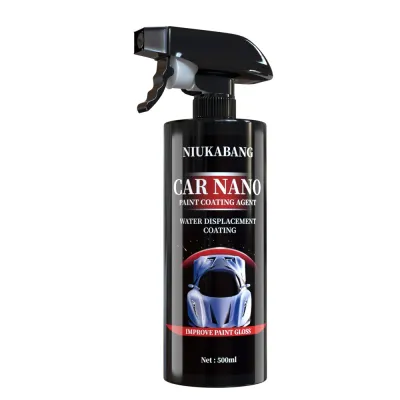
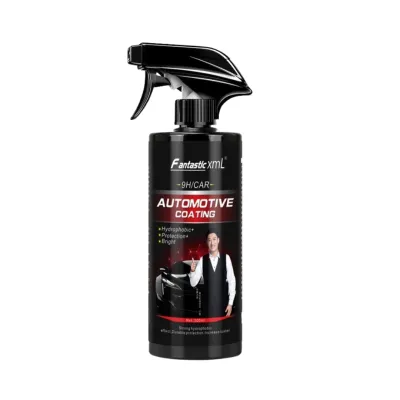
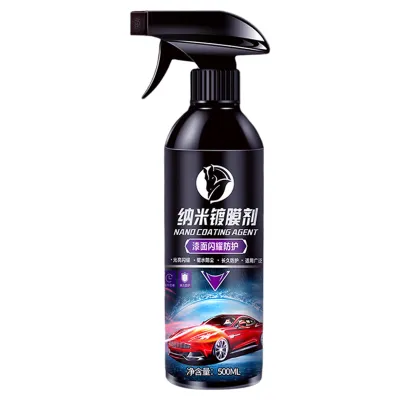
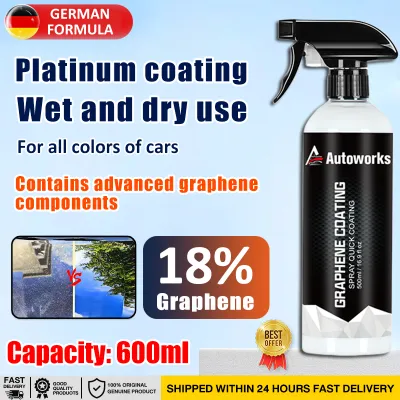
Products mentioned in this guide
![[SG] Car Coating Spray 🚘 Car Nano Coating Spray Car Wash Car Cloth Ceramic Coating Spray Car Wax Spray](https://img.lazcdn.com/g/p/7c8530db699292fad0a995652e008723.jpg_400x400q80.jpg_.webp)
![[SG Stock]🇺🇸NO.1 Car Coating Spray Nano✅Ceramic Coating Spray Paint / Automotive Care Scratch Remover Repair Polish Wax Waterless Wash Waterproof Hydrophobic Spray汽车抛光镀膜剂](https://img.lazcdn.com/g/p/2bba12901b2bb2d755549c6a6f6bd75f.jpg_400x400q80.jpg_.webp)
![🇸🇬[Ready Stock] 500ml Car Ceramic Coating/ Nano Ceramic Coating Spray/ Automotive Coating Nano Car Care Polish](https://img.lazcdn.com/g/p/a991cd958eb61b25649fffb1673a75a1.jpg_400x400q80.jpg_.webp)
Prices are valid at publication and may change. Please refer to the product page for the latest price.
Traditional car wax typically contains natural carnauba wax, synthetic polymers, or a blend of both. When applied to the paint, these formulations do not bond chemically with the clear coat. Instead, they sit on top of the surface, filling in microscopic imperfections to create a smooth, physical, sacrificial barrier. This barrier enhances gloss and helps water bead, but it remains highly sensitive to heat and detergents.
A nano car spray represents a modern, user-friendly evolution in detailing technology. These sprays are often formulated with silicon dioxide (SiO2) or advanced synthetic polymers engineered at the nanoscale. The microscopic particles in a nano car spray are designed to spread evenly across the paint, filling tiny pores to create a highly hydrophobic surface. This spray-on, wipe-off solution offers a balance between the ease of a quick detailer and the protective qualities of more durable sealants.
Professional ceramic coatings are liquid polymer options that contain high concentrations of silica or silicon carbide. Unlike waxes or sprays, a true ceramic coating undergoes a chemical reaction to form a semi-permanent covalent bond with your vehicle’s clear coat. Once cured, it creates a hard, glass-like layer that cannot be washed off easily. This chemical bonding process is what gives ceramic coatings their exceptional longevity, but it also makes the application process highly unforgiving.
Comparing Durability and Environmental Resistance
Evaluating how long a protective layer will last requires looking past marketing buzzwords and reading manufacturer specifications carefully. Traditional car wax typically offers the shortest lifespan, with natural carnauba formulations lasting anywhere from three to six weeks, while high-quality synthetic waxes might extend this protection to a few months under ideal conditions. You must check the product label to verify the manufacturer’s specific durability estimates, as these are highly dependent on environmental exposure.

A nano car spray generally provides a more resilient barrier than traditional wax. Depending on the specific polymer or SiO2 concentration, these sprays can maintain their hydrophobic properties and paint protection for several months. When reviewing product labels, look for specific claims regarding UV resistance, water beading angles, and chemical stain resistance. These indicators help you understand how well the spray will protect your paint from bird droppings, tree sap, and road grime.
Professional ceramic coatings are designed for long-term performance, with manufacturers often claiming durability measured in years rather than months. However, these claims are highly contingent on proper surface preparation, correct application, and regular maintenance. It is critical to understand that no coating is completely indestructible; environmental factors like acid rain, harsh industrial fallout, and improper washing techniques can degrade even the most durable ceramic layer over time.
Your local climate and parking conditions play a massive role in the actual longevity of any paint protection. In hot, humid climates like Singapore, vehicles are subjected to intense UV radiation, frequent heavy downpours, and high ambient temperatures. If your car is parked outdoors without shelter, the protective layer—whether wax, spray, or coating—will degrade much faster than a vehicle kept in a shaded, temperature-controlled garage. Frequent washing with aggressive, non-pH-neutral detergents will also strip away waxes and sprays prematurely.
Evaluating Upfront Costs and Long-Term Value
Calculating the true cost of paint protection requires balancing the initial purchase price against the frequency of reapplication and the labor involved. For DIY enthusiasts, traditional waxes and nano car sprays represent highly affordable entry points. A bottle of high-quality nano car spray or a tub of synthetic wax at local automotive stores or online marketplaces typically ranges from S$15 to S$50. Because a single bottle or tub can last for multiple applications, the cost per application remains exceptionally low.
In contrast, professional ceramic coating involves a much higher upfront financial commitment. The cost of a professional application in Singapore can range from several hundred to over a thousand dollars. This price structure is not driven solely by the cost of the liquid coating itself, but rather by the intensive labor, paint correction, and specialized facility conditions required for a successful installation. Professional detailers must spend hours washing, claying, and polishing the paint to remove defects before the coating can be applied.
To determine the long-term value, you can calculate an estimated annual cost based on durability and reapplication needs. For example, if you choose a traditional wax that costs S$30 and lasts one month, you will need to apply it 12 times a year, which demands significant personal time and effort even if the material cost is low. A nano car spray costing S$40 might only require application four times a year, offering a highly efficient balance of low cost and minimal labor.
While a professional ceramic coating requires a substantial initial investment, its multi-year lifespan can make it cost-effective over time for owners who plan to keep their vehicles long-term. If you factor in the cost of purchasing DIY products repeatedly, along with the value of your own labor over several years, the annual cost of a professional coating can become highly competitive. However, you must also account for the cost of specialized maintenance products, such as pH-neutral shampoos and coating boosters, which are necessary to preserve the ceramic layer.
Assessing Application Effort and Ongoing Maintenance
The amount of effort you are willing to invest in surface preparation and application is a major deciding factor. Before applying any form of paint protection, thorough surface preparation is mandatory to ensure proper adhesion. At a minimum, this involves a comprehensive wash to remove loose dirt, followed by a clay bar treatment to pull embedded contaminants out of the clear coat. If your paint has swirl marks or oxidation, polishing is highly recommended, as any protection applied over defects will lock those imperfections underneath.
Applying traditional wax requires a methodical wipe-on, haze, and buff-off process. While not technically difficult, it is physically demanding and time-consuming, requiring careful attention to avoid getting wax residue on black plastic trim, where it can leave unsightly white stains. Nano car sprays offer the easiest application process, typically requiring you to spray the product onto a clean microfiber towel or directly onto a wet or dry panel, spread it evenly, and immediately buff it dry with a second clean towel.
Professional ceramic coatings require a highly controlled environment and precise application techniques. The vehicle must be kept indoors, away from dust, wind, and direct sunlight, and the paint must undergo extensive multi-stage machine polishing to ensure a flawless surface. Once the coating is applied, it must cure undisturbed for a specified period—often 12 to 24 hours—before the vehicle can be exposed to moisture. Any mistakes made during the application of a ceramic coating, such as leaving “high spots” or uneven patches, can only be corrected by machine polishing the cured coating off and starting over.
Ongoing maintenance is essential to preserve the hydrophobic and protective qualities of your chosen product. For all three methods, you should practice safe washing techniques, including the two-bucket wash method and the use of clean, high-quality microfiber wash mitts. Always use a pH-neutral car shampoo, as harsh household detergents or cheap car soaps can strip away wax and degrade nano sprays or ceramic coatings. Additionally, you must check the manufacturer’s instructions for any specific aftercare recommendations, such as using dedicated silica-based detail sprays to boost the performance of a ceramic coating.
Decision Framework: Which Protection Suits Your Needs?
To choose the right paint protection, you must align the product’s characteristics with your lifestyle, budget, and detailing preferences. Traditional wax remains an excellent choice if you enjoy hands-on weekend detailing, prefer a deep, warm, organic gloss, and want to keep your upfront costs as low as possible. This method is best suited for car owners who do not mind dedicating a few hours every month to maintaining their vehicle’s shine.
You should choose a nano car spray if your priority is convenience, speed, and modern performance. This option is ideal for busy drivers who want reliable hydrophobic protection and UV resistance but only have a few minutes to spare during their routine car washes. Because nano sprays can be applied quickly during the drying phase of a wash, they offer a highly practical solution for maintaining a clean, water-beading finish with minimal physical effort.
A professional ceramic coating is the most suitable option if you view your vehicle as a long-term investment and want the highest level of environmental resistance without the hassle of frequent reapplications. This path is ideal for owners of new or newly polished vehicles who are willing to pay a premium upfront for professional, guaranteed results and a semi-permanent barrier that simplifies routine washing for years to come.
Before making your final decision, you must inspect your vehicle’s clear coat for severe defects, deep scratches, oxidation, or failing previous coatings. If your paint has significant damage, applying a DIY wax or nano spray will not hide these imperfections, and applying a ceramic coating over them is highly discouraged. In such cases, you should consult a professional detailer to evaluate whether your vehicle requires professional paint correction before any protective layer is applied.
Frequently Asked Questions (FAQ)
Can I apply nano car spray over existing wax or ceramic coating?
Applying a nano car spray over an existing layer depends entirely on the chemistry of the base product. If you apply a nano spray over a traditional wax, the spray may fail to bond properly with the paint because the wax creates a slick, oily barrier that prevents the nano-polymers from adhering. However, nano car sprays are frequently used as excellent maintenance boosters over existing ceramic coatings. You must always check the specific product labels and consult the manufacturer’s guidelines to ensure compatibility before layering different chemical products.
Does paint protection eliminate the need for regular car washing?
No paint protection product, regardless of its durability or hydrophobic properties, eliminates the need for regular car washing. While the hydrophobic effect of waxes, sprays, and coatings makes it much harder for dirt and water to stick to the surface, environmental contaminants like road grime, brake dust, bird droppings, and industrial fallout will still accumulate over time. Allowing abrasive dirt to sit on the protective layer for extended periods can degrade the protection and increase the risk of scratching the clear coat during subsequent washes. To safely maintain your vehicle’s finish, you should wash it regularly using a pH-neutral car shampoo and clean washing media.

Community discussion
Share your experience or ask a question. Comments are reviewed before publication.