
Choosing the right nano car spray depends entirely on matching the chemical formulation to the specific physical structure of your seats. Leather requires a surface-level, pH-balanced barrier that preserves breathability and flexibility without leaving a greasy residue, while fabric demands a deep-penetrating formula that encapsulates individual woven fibers to repel liquid spills and oils. Using the wrong product can clog leather pores, strip protective clear coats, or fail to bond with fabric weaves, leaving your interior vulnerable to stains and premature wear.
In hot, humid climates where cabin temperatures soar under the tropical sun and high humidity accelerates mold growth, selecting the correct protective spray is even more critical. A mismatched spray can trap moisture within fabric fibers or cause leather coatings to degrade rapidly, leading to sticky surfaces and unpleasant odors. By understanding the distinct needs of these materials, you can make an informed decision that preserves your car’s cabin value and comfort.
Understanding Why Leather and Fabric Need Different Nano Formulas
To choose the correct nano car spray, you must first understand the fundamental structural differences between automotive leather and fabric upholstery. Modern car leather, whether natural hide or synthetic leather, is a dense, relatively non-porous material. Most factory leather seats are finished with a thin, protective polyurethane clear coat designed to resist light wear and moisture. Because of this topcoat, any protective spray applied to leather must work on a surface level, bonding with the clear coat rather than soaking deep into the material itself.
Products mentioned in this guide
![[SG In Stock]Car Ceramic Coating Automotive Coating Nano Car Care Polish 500ML Nano Ceramic Coating Spray/Automotive Care](https://img.lazcdn.com/g/p/83567248d0f46fa4511871a48952c5d4.jpg_400x400q80.jpg_.webp)
![🇸🇬[Ready Stock] 500ml Car Ceramic Coating/ Nano Ceramic Coating Spray/ Automotive Coating Nano Car Care Polish](https://img.lazcdn.com/g/p/8402606e26c8ebca5ebe2713e17ad7a2.jpg_400x400q80.jpg_.webp)
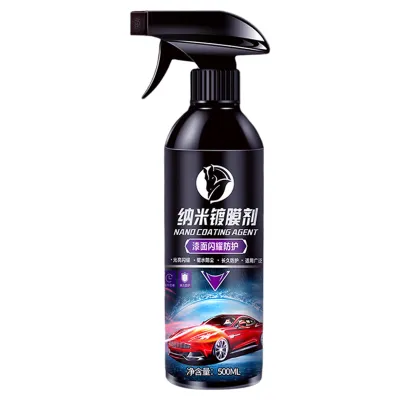
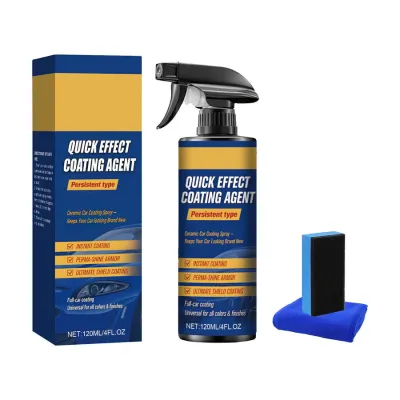
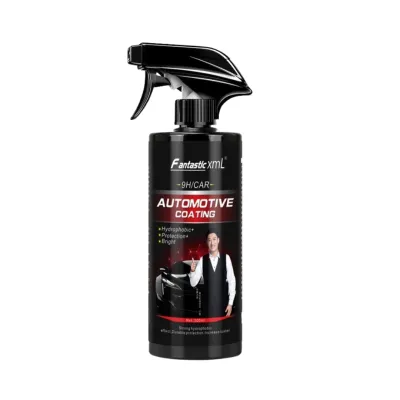
![[SG]500ml Car coating Spray Nanometer Ceramic Coating Scratch Repair Oxidation Refresher Car Maintenance Polishing Paint汽车镀膜蜡](https://img.lazcdn.com/g/p/1d25dec4e05e27f2848e49ab3eaf7f35.jpg_400x400q80.jpg_.webp)
![[SG] Car Coating Spray 🚘 Car Nano Coating Spray Car Wash Car Cloth Ceramic Coating Spray Car Wax Spray](https://img.lazcdn.com/g/p/8656a2dcc6e09e873138cdfa16f57dc8.jpg_400x400q80.jpg_.webp)
Prices are valid at publication and may change. Please refer to the product page for the latest price.
Fabric upholstery, on the other hand, consists of highly porous, woven synthetic or natural fibers. When a liquid spill occurs on unprotected fabric, the liquid quickly seeps into the gaps between the threads and is absorbed by the underlying seat foam. To protect fabric, a nano spray must penetrate deep into the weave and coat each individual fiber. This process, known as fiber encapsulation, creates a microscopic barrier around every thread while leaving the spaces between them open, allowing the fabric to remain breathable.
Using a mismatched formula carries significant risks for your vehicle’s interior. Applying a fabric-specific nano spray to leather seats often results in a sticky, uneven residue because the formula cannot penetrate the non-porous surface. This residue can attract dirt, clog the leather’s natural pores, and create a dangerously slippery surface for drivers and passengers. Conversely, applying a leather sealant to fabric seats is largely ineffective; the product will simply sit on top of the fibers or sink uselessly into the cushion without bonding to the woven threads, leaving the fabric completely unprotected against spills and stains.
Key Selection Criteria for Leather Seat Nano Sprays
When shopping for a leather seat nano spray, the chemical composition of the formula is your primary consideration. Modern automotive leather is highly sensitive to harsh chemicals, meaning you must look for pH-balanced and solvent-free formulations. Acidic or highly alkaline products, as well as those containing strong chemical solvents, can slowly strip away the factory clear coat on your leather seats. Once this protective layer is compromised, the leather becomes highly vulnerable to dye transfer from clothing, drying, and cracking.

Another critical factor is the inclusion of active UV inhibitors and anti-aging properties. The intense sunlight passing through your car’s windshield and side windows acts as a catalyst for material degradation. UV radiation breaks down the binders in synthetic leather and dries out the natural oils in genuine hides, leading to premature fading, stiffness, and eventual cracking. A dedicated leather nano spray should act as a sunblock for your seats, reflecting harmful rays and keeping the material supple over years of exposure.
You should also pay close attention to the finished appearance promised by the product label. High-quality leather nano sprays are formulated to deliver a natural matte or satin finish. Avoid products that promise a high-gloss, wet look, as these formulas often rely on heavy silicone oils. Silicone-based products leave a greasy residue that attracts dust, makes the seats uncomfortably slippery, and can transfer to your hands, steering wheel, and gear shift, compromising your grip and driving safety.
Finally, consider how the product balances sealing with conditioning. While a pure synthetic sealant provides a strong barrier against liquids, it can sometimes lock out all moisture, causing the leather to dry out over time. The ideal leather nano spray combines mild conditioning agents with advanced nano-polymers. This hybrid approach ensures the leather remains flexible and hydrated while still benefiting from a microscopic, hydrophobic shield that repels water, sweat, and dirt.
Key Selection Criteria for Fabric Upholstery Nano Sprays
Fabric seats require a completely different set of performance markers, starting with high hydrophobic and oleophobic ratings. While water repellency is essential for stopping spilled water, coffee, or rain from soaking into the seats, oil repellency is equally important. Oil-based stains from fast food, sunscreen, and natural skin oils can easily ruin fabric seats and are incredibly difficult to clean once absorbed. A dual-rated nano spray ensures that both water- and oil-based liquids bead up on the surface, allowing you to wipe them away effortlessly.
Breathability is another non-negotiable criterion for fabric protectants. If a spray seals the fabric so completely that air cannot pass through, it will trap body heat, sweat, and ambient cabin humidity inside the seat cushions. Over time, this trapped moisture creates a breeding ground for mold, mildew, and persistent musty odors that are nearly impossible to eliminate. Look for products that explicitly state they maintain fabric breathability, ensuring the nano-particles coat only the individual fibers rather than bridging the gaps between them.
You must also verify that the formula is certified as fiber-safe and color-safe. Some aggressive chemical carriers used in low-quality sprays can stiffen delicate fabric weaves, alter the texture of the upholstery, or cause light-colored fabrics to yellow over time. Checking the product label for compatibility with synthetic fibers like polyester, nylon, and microfiber is a crucial step before purchase. Always perform a small spot test on an inconspicuous area, such as the underside of the seat, to ensure there is no adverse reaction or color bleeding.
Lastly, understand the application requirements of the fabric spray you choose. Unlike leather, which can be treated quickly, fabric nano sprays require meticulous surface preparation. The seats must be thoroughly vacuumed, cleaned, and completely dry before application to allow the nano-particles to bond properly with the fibers. Many high-performance fabric sprays require multiple light coats rather than one heavy wet coat, with specific curing times between applications to ensure deep, uniform penetration and maximum durability.
Evaluating Multi-Surface Nano Sprays for Mixed Interiors
Many car care brands offer multi-surface nano sprays marketed as convenient, all-in-one solutions for mixed interiors. These products are formulated to balance the surface-sealing properties needed for leather with the penetrating characteristics required for fabric. While these compromise formulations offer convenience, they rarely match the performance of dedicated, single-purpose products. A multi-surface spray may not penetrate deeply enough to protect heavy fabric weaves, nor will it contain the specialized conditioning agents needed to keep premium leather supple.
However, there are scenarios where a multi-surface nano spray is an acceptable and practical choice. If your vehicle features a mixed-material interior—such as leather bolsters with fabric center inserts—using a single, verified multi-surface product can simplify your detailing routine. It is also a budget-friendly option for car owners who want basic, routine protection against light spills and dust without investing in multiple specialized bottles.
Despite their convenience, you should strictly avoid universal sprays on premium or highly sensitive materials. Uncoated, natural leathers like aniline or semi-aniline are exceptionally porous and will absorb multi-surface sprays unevenly, leading to permanent staining and discoloration. Similarly, if your fabric seats are subjected to heavy daily abuse from pets, young children, or commercial ride-sharing use, a multi-surface spray will not provide the heavy-duty, long-lasting hydrophobic barrier that a dedicated fabric protectant offers.
Before applying any multi-surface product, always verify the manufacturer’s instructions and warnings on the bottle. Ensure that both leather and fabric are explicitly listed as approved surfaces, and check if the application method changes depending on the material. For example, many multi-surface sprays require you to wipe off any excess product from leather surfaces immediately after spraying, while allowing the product to air-dry completely on fabric sections.
Decision Framework: Which Nano Car Spray Should You Buy?
To finalize your purchase, evaluate your vehicle’s specific interior materials and usage patterns against this clear decision framework. Choosing a dedicated leather nano spray is the best path if your car features full leather upholstery and your primary goals are preventing UV damage, maintaining a non-slip matte finish, and preserving the soft, flexible texture of the hide. This specialized approach ensures your leather remains protected without compromising its natural breathability or factory clear coat.
Conversely, you should choose a dedicated fabric nano spray if your vehicle has standard woven fabric seats and you prioritize maximum liquid spill resistance. This option is highly recommended for family SUVs, daily commuters, and vehicles that frequently transport pets, as it provides the deep fiber encapsulation necessary to stop liquids from soaking into the seat foam. It keeps your fabric looking clean and prevents the buildup of deep-seated odors.
A verified multi-surface nano spray is the right choice if you are maintaining a mixed-material interior on a budget and prefer a single, convenient product for routine maintenance. Before buying, ensure the label explicitly approves both material types and follow the dual-application instructions carefully. This option offers a balanced compromise for light-duty protection across different surfaces.
Finally, always verify compatibility first if your vehicle features aftermarket dyed leather, Alcantara, specialized synthetic suedes, or unknown material blends. These delicate surfaces do not respond well to standard retail sprays and often require highly specific, manufacturer-approved care products. When in doubt, consult your vehicle’s documentation or a professional automotive detailer to avoid causing irreversible damage to your cabin’s interior.
Frequently Asked Questions (FAQ)
Can I apply nano spray to Alcantara or synthetic suede?
Standard fabric or leather nano sprays should never be applied to Alcantara or synthetic suede. These materials feature a delicate, brushed nap that can easily become matted, stiffened, or permanently stained by heavy chemical carriers or improper sealing agents. To protect these surfaces, you must verify that the product label explicitly states it is safe for Alcantara or microfiber suedes, and apply it sparingly according to the manufacturer’s precise instructions.
How often should nano interior protection be reapplied?
The longevity of a nano coating depends heavily on daily wear, friction, and environmental exposure rather than a fixed calendar schedule. You can test the coating’s effectiveness by misting a few drops of water onto the surface; if the water fails to bead and instead soaks into the fabric or spreads flat on the leather, it is time to reapply. High-friction areas like the driver’s seat bolster or steering wheel will naturally require more frequent touch-ups than rear passenger seats.
Is it safe to use household nano sprays on car interiors?
Using household nano sprays inside a vehicle is highly discouraged due to the extreme environmental differences between a home and a car cabin. Automotive interiors experience intense UV radiation, extreme temperature fluctuations, and high humidity that household products are not formulated to withstand. Furthermore, household sprays may contain solvents that damage automotive plastics or release harmful volatile organic compounds (VOCs) that off-gas in the confined, unventilated space of a parked car.
Community discussion
Share your experience or ask a question. Comments are reviewed before publication.