
Quick Answer: Which 10W-40 Fully Synthetic Oil Should You Choose?
Selecting the right lubricant for your motorcycle engine is one of the most critical maintenance decisions you can make. When comparing premium options like motul 7100 10w40, Shell Advance Ultra 4T, and Castrol Power1 4T, there is no single “best” oil for every rider. The ideal choice depends heavily on your specific motorcycle type, typical riding style, and local climate conditions.
To help you make an immediate decision, you can use this high-level conditional framework based on your primary riding needs:
- Choose Motul 7100 10W-40 if you prioritize high-RPM thermal stability, participate in occasional track days, or ride an air-cooled motorcycle that operates under extreme heat.
- Choose Shell Advance Ultra 4T if you want excellent long-term engine cleanliness, consistent viscosity retention, and a smooth, reliable experience during daily commutes.
- Choose Castrol Power1 4T if you focus on rapid throttle response, crisp acceleration, and minimizing internal friction during spirited street riding.
Before purchasing any of these brands, always verify that the 10W-40 viscosity grade and the required API and JASO specifications precisely match the recommendations in your motorcycle owner’s manual. If you are unsure about compatibility or the oil change process, consult a qualified professional mechanic at a registered workshop.
Products mentioned in this guide
![🇸🇬 MOTUL 7100 4T 10W40 10W50 15W50 100% Synthetic Ester Engine Oil Motorcycle Oil [1L]](https://img.lazcdn.com/g/p/00450279a13a350708397ff343c39c19.png_400x400q80.png_.webp)
![[TWIN PACK] Castrol POWER1 4T 10W-40 (1L) Motorcycle Synthetic Technology API SP JASO MA2](https://img.lazcdn.com/g/p/304692cfde138b9d79f0458621b9567b.jpg_400x400q80.jpg_.webp)
Prices are valid at publication and may change. Please refer to the product page for the latest price.
Brand Positioning and Core Technology Focus
Every lubricant manufacturer approaches engine protection and performance from a slightly different engineering philosophy. Understanding these core technologies helps you see beyond marketing slogans and evaluate how each oil behaves inside your engine.

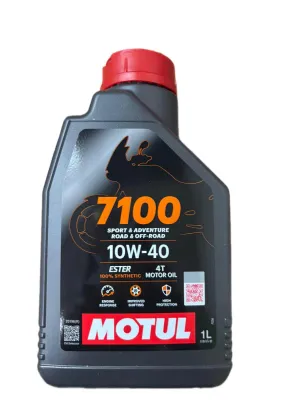
Motul 7100 10W-40
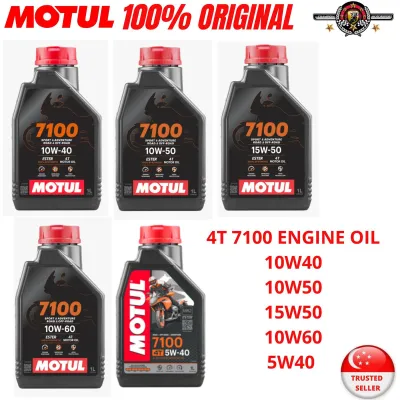
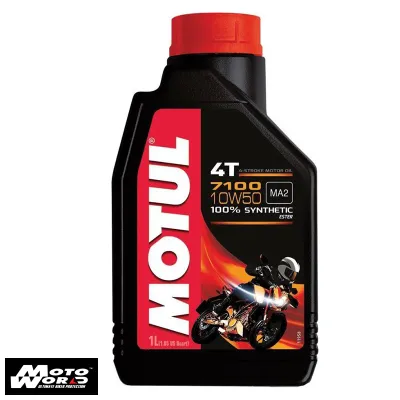
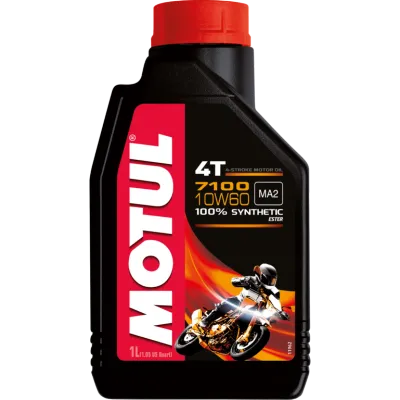
Motul has built a strong reputation in the powersports industry, largely driven by its pioneering work with ester-based synthetic technology. The Motul 7100 series utilizes high-performance synthetic ester base oils blended with carefully selected additives.
Esters are polar molecules that naturally carry a slight electrical charge. This physical property causes the oil to cling magnetically to internal metal engine components, creating a persistent protective film. This film remains intact even after the engine has been turned off for extended periods, providing vital wear protection during cold starts.
This formulation is engineered to handle extreme thermal stress, making it a popular choice for high-performance sportbikes and motorcycles operating in hot climates. You can easily recognize this product by its distinctive red color. Always check the physical product label to confirm its current API and JASO certifications before use.
Shell Advance Ultra 4T
Shell approaches synthetic oil production through its proprietary Gas-to-Liquid (GTL) technology, marketed globally as PurePlus Technology. This process converts natural gas into a crystal-clear, highly pure base oil.
Unlike traditional synthetic base oils refined from crude oil, GTL base oils contain virtually none of the impurities or heavy hydrocarbons found in crude feedstocks. This high level of purity results in excellent resistance to oxidation and thermal breakdown over long service intervals.
The primary focus of Shell Advance Ultra is to maintain consistent viscosity, reduce the formation of engine deposits and sludge, and ensure smooth power delivery. This makes it highly appealing to daily commuters and long-distance tourers who value engine cleanliness and predictable performance. Be sure to verify the PurePlus branding and specific certification labels on the bottle.
Castrol Power1 4T
Castrol engineers its motorcycle lubricants with a clear focus on riding dynamics and acceleration. The Power1 4T series features two primary marketed technologies: Power Release Technology and Trizone Technology.
Power Release Technology is designed to optimize oil flow and minimize internal fluid drag within the engine. By reducing these frictional losses, the oil allows the engine to rev more freely, translating to quicker throttle response and faster acceleration. This characteristic is highly valued by riders navigating dense urban traffic or enjoying weekend twisties.
Simultaneously, Trizone Technology ensures that a single oil successfully protects three critical, interconnected zones: the high-heat engine cylinder, the wet clutch, and the high-shear gearbox. Before purchasing, check the bottle label to confirm the presence of Trizone branding and official manufacturer approvals.
Comparing Performance and Protection: How Motul 7100 10W-40, Shell, and Castrol Behave Under Stress
Motorcycle engines present a unique set of lubrication challenges compared to passenger cars. They rev higher, run hotter, and pack more power per liter of displacement, requiring a highly robust chemical barrier to prevent wear.
High-Temperature Stability and Engine Protection
In tropical environments like Singapore, ambient temperatures consistently hover above 30°C. When you combine this heat with heavy stop-and-go traffic on major expressways like the PIE or CTE, your engine faces severe thermal stress. Air-cooled engines and high-revving liquid-cooled engines rely heavily on the motor oil to transfer heat away from critical internal components.
Fully synthetic 10W-40 oils are inherently better at resisting thermal breakdown than mineral or semi-synthetic alternatives. Under extreme heat, Motul’s ester-based formula excels at maintaining a thick, resilient oil film that prevents direct metal-on-metal contact.
Shell’s GTL base oil counteracts high-temperature stress by resisting oxidation, which prevents the oil from thickening and forming harmful varnish. Castrol balances heat management by focusing on friction reduction, ensuring that the engine does not generate unnecessary heat from internal fluid drag. To ensure maximum protection, regularly monitor your engine’s operating temperature and check the oil level after demanding rides.
Wet Clutch Engagement and JASO MA2 Compliance
Unlike most cars, the majority of motorcycles utilize a wet clutch system. In this design, the engine, transmission gears, and clutch plates all share the exact same oil reservoir. Using a standard passenger car motor oil in a motorcycle is highly dangerous, as car oils contain friction modifiers that will cause the clutch plates to slip.
To prevent clutch slippage and ensure smooth power transfer, motorcycle oils must meet the strict standards set by the Japanese Automotive Standards Organization (JASO). All three contenders in this comparison are formulated specifically for motorcycles, but you must physically verify the JASO MA or JASO MA2 certification logo on the back of the bottle.
JASO MA2 represents the highest friction specification available, designed to deliver positive clutch engagement under high-torque conditions. This ensures that when you release the clutch lever, the plates lock together firmly without slipping, protecting the clutch pack from premature wear and glazing.
Oil Longevity and Shear Resistance
Inside a motorcycle engine, the transmission gears act like a pair of scissors, physically shearing the oil molecules as they mesh together. This mechanical action is known as temporary or permanent shear, and it can rapidly degrade the oil’s viscosity. If a 10W-40 oil shears down to a 10W-30 or 10W-20 weight, it can no longer provide adequate protection at high operating temperatures.
Fully synthetic oils offer superior shear stability because their synthetic base stocks require fewer viscosity index improvers to maintain their multi-grade rating. While marketing materials may claim extended drain intervals, real-world longevity depends on your specific riding conditions, fuel quality, and engine health.
Instead of relying solely on brand promises, inspect your oil regularly. Use the engine’s sight glass or dipstick to assess the oil’s color and consistency. If the oil feels gritty to the touch or smells strongly of unburnt fuel, it has degraded and must be replaced immediately, regardless of the mileage accumulated.
How to Verify Specifications and Avoid Counterfeits
The rise of counterfeit lubricants in the automotive aftermarket poses a significant risk to motorcycle owners. Using fake engine oil, which is often cheap, recycled mineral oil packaged in premium bottles, can lead to rapid engine wear, clutch slippage, and catastrophic mechanical failure.
Reading the Label
Your first line of defense is knowing how to read the product label. Cross-reference the specifications printed on the bottle with the requirements listed in your motorcycle owner’s manual. Look for two primary ratings:
- API Rating: This indicates the chemical performance level of the oil (e.g., API SL, SM, SN, or SP). A higher letter (such as SP) generally offers backward compatibility, but always check if your manufacturer specifies a minimum standard.
- JASO Rating: For wet clutch systems, look for the official rectangular JASO MA or MA2 logo. This box must contain a unique registration number assigned to the specific oil formulation.
Spotting Fakes
When purchasing oil, perform a thorough physical inspection of the bottle before opening it. Look closely at these common indicators of counterfeit products:
- Cap and Seal Integrity: Genuine bottles feature high-quality plastic caps with intact, tightly fitting tamper-evident rings. If the ring is loose, damaged, or shows signs of adhesive residue, do not use the oil.
- Label Printing Quality: Counterfeiters often use low-quality printing equipment. Inspect the labels for blurry text, misaligned graphics, uneven borders, or spelling mistakes.
- Batch Codes and Dates: Reputable manufacturers print clear, legible batch numbers and production dates on the bottle using inkjet or laser marking. If these codes are missing, smudged, or easily wiped away, the product is highly suspect.
- Physical Properties: Genuine fully synthetic oil should be clear, uniform in color, and have a mild chemical scent. If the oil appears cloudy, contains visible sediment, or has an unusually pungent, burnt smell, do not pour it into your engine.
Safe Purchasing Channels
To eliminate the risk of buying counterfeit lubricants, purchase your oil only through authorized physical workshops, official brand distributors, or verified flagship stores on reputable e-commerce platforms. Avoid purchasing from unverified third-party online sellers offering prices that are significantly lower than the average market rate.
Evaluating Value and Maintenance Costs
When calculating the cost of motorcycle maintenance, it is important to look beyond the upfront price of a single bottle of oil. A complete financial evaluation should focus on the overall cost of ownership over the entire service life of your motorcycle.
In the Singapore market, premium fully synthetic oils generally fall into distinct price tiers. Motul 7100 typically occupies the premium tier, reflecting its ester-based formulation and racing heritage. Shell Advance Ultra and Castrol Power1 often sit in the mid-to-high value tiers, offering highly competitive pricing for everyday riders.
Evaluating value requires understanding the “cost per kilometer” concept. Investing in a slightly more expensive, high-quality fully synthetic oil can save you money in the long run. A premium lubricant maintains its viscosity and protective properties throughout the entire manufacturer-recommended drain interval, preventing premature wear on expensive engine components, transmission gears, and clutch plates.
Conversely, choosing a cheaper, lower-quality oil may lead to rapid shear degradation. This can result in a notchier gearbox, clutch slippage, and the need for more frequent oil changes, which ultimately increases your overall maintenance costs. Always factor in the cost of a high-quality oil filter and professional labor fees if you choose to have your servicing done at a local workshop.
Final Decision Framework: Match the Oil to Your Riding Style
To make your final purchasing decision, match the unique characteristics of each oil to your specific motorcycle setup and daily riding habits.
Choose Motul 7100 10W-40 if:
- You ride a high-performance sportbike or an air-cooled motorcycle that operates under high thermal stress.
- Your riding style is aggressive, frequently pushing the engine into high-RPM ranges.
- You participate in occasional track days or long-distance touring where maximum thermal protection and shear resistance are non-negotiable.
- You prefer an oil with a proven ester-based formulation that clings to metal surfaces for superior cold-start protection.
Choose Shell Advance Ultra 4T if:
- You use your motorcycle for daily commuting through congested city streets and heavy traffic.
- Your primary goal is long-term engine cleanliness, minimizing sludge buildup, and maintaining consistent viscosity over the entire service interval.
- You prefer a smooth, quiet engine operation with predictable, reliable power delivery.
- You want a highly pure synthetic oil derived from natural gas that offers excellent oxidation stability.
Choose Castrol Power1 4T if:
- You ride actively in urban environments and value a highly responsive, crisp throttle feel.
- You prioritize rapid acceleration and want to minimize internal engine friction and fluid drag.
- You want a balanced, versatile oil engineered to protect the engine, wet clutch, and gearbox simultaneously.
- You are looking for a reliable, brand-name fully synthetic oil that offers a great balance of performance and value.
Verify First
Before making your final choice, check if your motorcycle is still covered under a manufacturer’s warranty, as some brands require the use of specific OEM-branded lubricants to maintain coverage. Additionally, confirm that your owner’s manual specifies a 10W-40 viscosity grade, as some modern engines are designed to run on thinner oils like 10W-30 or heavier oils like 15W-50.
Frequently Asked Questions (FAQ)
Can I mix different brands of 10W-40 synthetic oil?
While mixing different brands of fully synthetic 10W-40 oils with the same JASO and API ratings is acceptable in an emergency—such as when your oil level is dangerously low during a road trip—it is not recommended for regular use. Different manufacturers use unique additive packages that may not interact optimally when mixed. This can reduce the overall effectiveness of the lubricant. If you must top up with a different brand, perform a full oil and filter change as soon as possible to restore optimal engine protection.
How do I know when it is time to change my motorcycle oil?
The primary guide for oil changes is always the interval specified in your motorcycle owner’s manual, measured in either kilometers or time, whichever comes first. However, you should also perform regular physical inspections. Use the sight glass or dipstick to check the oil. If the lubricant appears pitch black, feels gritty when rubbed between your fingers, or smells strongly of unburnt fuel, it has degraded. Additionally, if you experience notchier gear shifts or clutch slippage, it is time for an immediate oil and filter change.
Community discussion
Share your experience or ask a question. Comments are reviewed before publication.