
Choosing the right engine oil is one of the most critical decisions you can make to ensure the longevity, performance, and efficiency of your vehicle. Among the vast array of lubricants on the market, semi-synthetic oils represent a popular middle ground, offering enhanced protection over conventional mineral oils without the premium price tag of full synthetics. Three of the most recognizable names in this category are Motul 5100, Shell Helix (particularly the semi-synthetic HX7 range), and Castrol GTX. However, selecting the “best” oil among these three options is not a matter of brand prestige; instead, it depends entirely on your engine’s age, your typical driving conditions, and the exact technical specifications required by your vehicle’s manufacturer.
To provide a high-level summary: Motul 5100 is engineered with a strong focus on thermal stability and high-revving performance, making it highly favored by performance enthusiasts, though buyers must navigate its primary positioning in the motorcycle market. Shell Helix semi-synthetic utilizes active cleansing technology to prevent sludge and deposit buildup, making it an exceptional candidate for the grueling stop-and-go traffic of urban commuting. Castrol GTX is formulated with a historical and ongoing focus on superior sludge protection, positioning it as a highly reliable, value-oriented choice for older or higher-mileage engines that require careful deposit management.
Regardless of brand reputation, you must always observe a critical safety boundary before purchasing any lubricant: the final choice must strictly match the viscosity grade (such as 5W-30 or 10W-40) and the API or ACEA certification levels specified in your vehicle’s owner’s manual. Using an oil with the incorrect viscosity or an incompatible certification can lead to accelerated engine wear, increased fuel consumption, or even catastrophic mechanical failure.
Products mentioned in this guide
Prices are valid at publication and may change. Please refer to the product page for the latest price.
Key Comparison Dimensions for Semi-Synthetic Oils
When standing in front of the retail shelf or browsing an online marketplace, evaluating motor oils requires looking past marketing slogans and focusing on verifiable label specifications. Understanding these technical indicators allows you to make an informed decision tailored to your specific vehicle and driving environment.
Viscosity Grades and the Tropical Climate Factor
The Society of Automotive Engineers (SAE) viscosity grade is the most prominent rating on any oil bottle, expressed in a format such as 10W-40. The first number, followed by the “W” (which stands for Winter), indicates the oil’s flow characteristics at low temperatures, while the second number indicates its viscosity at the engine’s operating temperature (100°C).
In a tropical climate like Singapore, where ambient temperatures consistently hover between 30°C and 34°C year-round, cold-start performance in freezing temperatures is not a concern. However, startup viscosity still matters because the vast majority of engine wear occurs during the initial startup before the oil has circulated fully. More importantly, the high-temperature viscosity number (the second digit) is critical. The intense heat of tropical urban driving, combined with prolonged idling in traffic, places immense thermal stress on the engine. A robust high-temperature viscosity ensures that the oil film does not shear or thin out excessively, maintaining a protective barrier between moving metal parts under high thermal loads.
Industry Certifications and Standards
Industry certifications are legally binding performance baselines that verify an oil’s chemical composition and protective capabilities. The two most common standards systems are the American Petroleum Institute (API) and the Association des Constructeurs Européens d’Automobiles (ACEA).
- API Ratings: For gasoline engines, these ratings progress alphabetically (e.g., API SN, API SP). The API SP standard is the most modern, specifically formulated to provide superior protection against low-speed pre-ignition (LSPI) in modern turbocharged gasoline direct-injection (TGDI) engines, as well as enhanced timing chain wear protection.
- ACEA Ratings: European vehicles often require specific ACEA sequences, such as ACEA A3/B4 for high-performance passenger car engines, or ACEA C3 for vehicles equipped with modern exhaust after-treatment systems like diesel particulate filters (DPFs) or three-way catalytic converters.
Matching these certifications to your owner’s manual is far more important than any brand name, as they guarantee the oil is chemically compatible with your engine’s internal metallurgy and emissions hardware.
Base Oil and Additive Chemistry
Semi-synthetic motor oils, often labeled as “synthetic technology” or “synthetic blends,” are created by mixing high-quality mineral base oils (typically Group II or Group III) with synthetic base stocks (Group III, Group IV PAO, or Group V Esters). The ratio of synthetic to mineral base oil, along with the proprietary additive package blended into the fluid, dictates how the oil performs under stress.
While manufacturers use proprietary terms to describe their formulations—such as Motul’s Technosynthese, Shell’s Active Cleansing, or Castrol’s Double Action Formula—these represent specific engineering focuses. Some formulations prioritize molecular polar bonds that cling to metal surfaces, others focus on chemical dispersants that suspend soot and dirt particles, and some prioritize antioxidant additives that prevent the oil from breaking down under extreme heat. Recognizing these focus areas helps you align the oil’s strengths with your engine’s operational demands.
Brand Breakdown: Motul 5100, Shell Helix, and Castrol GTX
To determine which oil fits your vehicle, it is necessary to examine the specific design philosophy, market positioning, and typical application scenarios for each of these three product lines.

Motul 5100: Technosynthese and High-RPM Focus
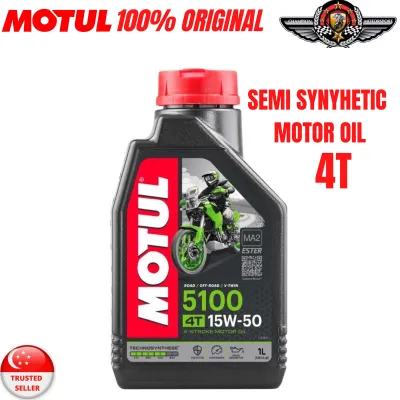
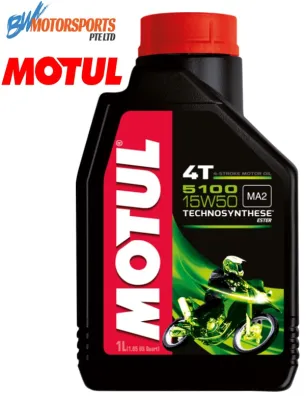
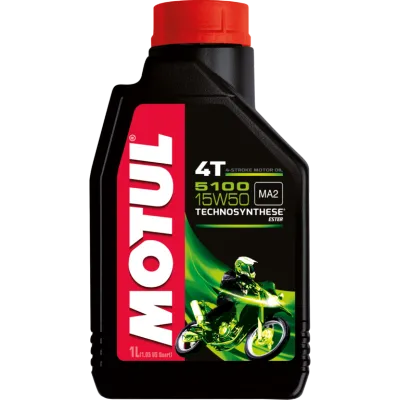
Motul is a brand deeply rooted in motorsport history, and this heritage heavily influences its product development. The Motul 5100 product line utilizes the brand’s proprietary “Technosynthese” formulation process, which is an advanced semi-synthetic blend reinforced with ester base stocks. Esters are Group V synthetic compounds known for their high polar attraction to metal surfaces, high shear stability, and exceptional resistance to thermal degradation at elevated operating temperatures.
This chemical composition makes Motul 5100 highly effective at maintaining a stable lubricating film under high-stress, high-RPM, and high-temperature conditions. It is designed for drivers who demand consistent performance under spirited driving conditions or those who operate engines that naturally run hot.
However, you must observe a crucial safety boundary regarding this product line: Motul 5100 is globally famous and primarily marketed as a motorcycle oil (specifically Motul 5100 4T). Motorcycle lubricants are formulated to lubricate the engine, gearbox, and wet clutch simultaneously, meaning they contain specific friction modifiers (complying with JASO MA2 standards) and higher levels of anti-wear additives like zinc and phosphorus (ZDDP). If you are buying oil for a passenger car, you must carefully verify that the specific bottle you purchase is explicitly formulated and certified for passenger cars, meeting car-specific API or ACEA standards. Using a motorcycle-specific lubricant in a modern passenger car can poison and permanently damage the car’s catalytic converter, leading to emissions failures and expensive exhaust system repairs.
Shell Helix (HX7/Semi-Synthetic): Cleaning and Daily Commuting
Shell Helix semi-synthetic oils, most notably the Shell Helix HX7 range, are engineered with a strong emphasis on engine cleanliness and daily driving reliability. Shell’s primary technological focus for this range is its Active Cleansing Technology. This formulation is designed to actively lock away harmful dirt, soot, and combustion byproducts, preventing them from coalescing into thick deposits or sludge that can clog oil passages and restrict flow.
This makes Shell Helix semi-synthetic an outstanding candidate for daily commuting, frequent short trips, and the heavy stop-and-go traffic characteristic of dense urban environments. In typical city driving, engines spend a significant amount of time idling or operating at low speeds, which prevents the engine from reaching or sustaining its optimal operating temperature. Under these conditions, fuel dilution and moisture accumulation in the oil are more common, accelerating the formation of low-temperature sludge. Shell’s high-dispersancy additive package is specifically tailored to combat these urban driving challenges, keeping the engine’s internal components clean and operating smoothly.
When purchasing Shell Helix, always check the exact sub-variant on the label (such as HX7 or HX7 SP) to ensure that its specific API and ACEA ratings align with your vehicle’s model year and mechanical requirements.
Castrol GTX: Sludge Protection and Older Engines
Castrol GTX is one of the most established names in the automotive lubricant industry, historically marketed as “liquid engineering.” The core philosophy behind the Castrol GTX range, including modern variants like Castrol GTX Ultraclean, is aggressive protection against sludge formation, which is often referred to as the “cholesterol” of the engine.
Sludge is a thick, tar-like substance that forms when engine oil oxidizes and breaks down under thermal stress, mixing with combustion contaminants, moisture, and unburnt fuel. Once formed, sludge can restrict oil flow through narrow galleries, starving critical components like the camshaft and bearings of vital lubrication. Castrol GTX utilizes a double-action formula designed to clean away old, accumulated sludge while simultaneously providing robust protection against the formation of new deposits.
This specific chemical focus positions Castrol GTX as a highly practical, value-oriented choice for higher-mileage vehicles, older engine designs, or vehicles that may have a history of irregular maintenance intervals. If you are operating an engine where sludge accumulation is a known risk, or if you want to extend the service life of an aging power plant, Castrol GTX provides targeted protection to keep oil pathways clear.
Decision Framework: Matching the Oil to Your Engine
To simplify your final purchasing decision, you can evaluate your vehicle’s specific needs against the following condition-based guidelines.
Choose Motul 5100 if:
- You operate a performance-oriented daily driver or a vehicle that frequently runs at higher RPMs.
- You prioritize exceptional thermal stability and want an oil reinforced with ester technology to protect components under high-stress driving conditions.
- Verification Step: You have carefully checked the bottle's label to confirm it is an automotive-specific formulation with the correct API/ACEA ratings for passenger cars, and is not a motorcycle-specific "4T" oil.
Choose Shell Helix if:
- Your primary driving consists of daily urban commuting, frequent short trips, and heavy stop-and-go traffic.
- Your main goal is maintaining internal engine cleanliness and preventing the formation of deposits caused by prolonged idling.
- You want a reliable, modern synthetic-technology formulation from a major brand with robust dispersant properties.
Choose Castrol GTX if:
- You are driving an older, high-mileage vehicle, or a car with a history of deferred or irregular oil change intervals.
- Your engine is prone to sludge formation, and you require a formulation designed to actively clean existing deposits and keep oil pathways clear.
- You are looking for a highly reputable, cost-effective, and practical lubricant focused on engine longevity.
Critical Warranty and OEM Verification
Before making any final purchase, you must verify if your vehicle is under manufacturer warranty, has a diesel particulate filter (DPF), or requires a highly specific Original Equipment Manufacturer (OEM) approval. Modern European vehicles, in particular, often mandate strict compliance with proprietary standards such as Volkswagen (VW 502 00 / 505 00), Mercedes-Benz (MB-Approval 229.5), or BMW (Longlife-01).
If your owner’s manual specifies one of these proprietary OEM approvals, you must look at the back label of the oil bottle to ensure that exact approval is printed under the specifications list. General brand positioning, marketing claims, or general API/ACEA certifications cannot override a manufacturer’s explicit OEM requirement. If the oil bottle does not display the specific approval required by your vehicle, do not use it, as doing so can void your warranty and potentially cause long-term mechanical or emissions system damage.
Safety and Verification Before Switching Motor Oil
Switching your engine oil brand or moving to a different semi-synthetic formulation is a straightforward maintenance task, but it requires adhering to safe, low-risk practices to ensure the transition does not compromise your engine.
Standard Drain and Fill vs. Chemical Flushes
When transitioning between major semi-synthetic brands like Motul, Shell, or Castrol, a standard, thorough drain and fill is typically all that is required. You do not need to perform a chemical engine flush. In fact, using chemical engine flushes can be highly risky, particularly for older or higher-mileage engines. These aggressive solvents can degrade aged rubber gaskets, valve stem seals, and oil pan sealant, potentially triggering major oil leaks. Furthermore, flushes can dislodge large chunks of accumulated sludge or debris, which can then migrate and clog the oil pickup tube screen, starving the engine of oil pressure. A simple, complete hot drain of the old oil is the safest and most effective method.
The Role of the Oil Filter
Never reuse an old oil filter when switching to a new oil brand or formulation. An old filter contains trapped contaminants, metallic wear particles, and up to a liter of degraded, oxidized oil. Leaving the old filter in place will immediately contaminate and degrade your fresh fill of semi-synthetic oil, reducing its effective lifespan and compromising its additive package. Always replace the oil filter with a high-quality OEM or OEM-equivalent filter that matches your vehicle’s specific engine model and year.
Post-Change Monitoring Protocol
After completing the oil and filter change, start the engine and let it idle for a few minutes while parked on a level surface. Visually inspect the area around the oil drain plug and the oil filter housing to ensure there are no active leaks. Once you turn off the engine and allow the oil to settle for five to ten minutes, check the dipstick to verify that the fluid level sits exactly between the minimum and maximum marks.
During the first few hundred kilometers after the switch, monitor your vehicle closely. Check the dipstick weekly, keep an eye on the instrument cluster for any oil pressure warning lights, and listen carefully for any unusual engine noises, such as valve ticking or hydraulic lifter noise, which could indicate a change in oil pressure or flow dynamics.
When to Consult a Professional
You should stop and consult a qualified mechanic if your engine has existing, active oil leaks, consumes oil excessively between scheduled services, or if your owner’s manual explicitly mandates a full synthetic oil or a low-viscosity specification (such as 0W-20 or 5W-20) that these semi-synthetic oils cannot satisfy. A professional technician can diagnose underlying mechanical issues and ensure that your engine’s lubrication system is operating safely within its engineered parameters.
Frequently Asked Questions (FAQ)
Can I mix Motul 5100 with Shell Helix or Castrol GTX?
While mixing API-certified semi-synthetic oils of the exact same viscosity grade (for example, topping up a 10W-40 Shell Helix with a 10W-40 Castrol GTX) is generally safe in an emergency and will not cause immediate engine failure, it is not recommended for long-term operation.
Every lubricant manufacturer formulates their products with a highly specific, proprietary balance of base oils and additive packages. Mixing different brands can dilute the effectiveness of these specialized additives, potentially reducing the oil’s overall performance, wear protection, or deposit-control capabilities. If you must mix brands to top up a low oil level while on a road trip, you should plan to perform a complete oil and filter change as soon as practical to restore a single, consistent formulation inside your engine.
Is semi-synthetic oil good enough for Singapore's hot climate?
Yes, modern semi-synthetic oils from reputable manufacturers are fully capable of protecting passenger car engines in Singapore’s hot, humid tropical climate, provided you use the correct SAE viscosity grade recommended by your vehicle’s manufacturer.
However, you must evaluate your specific driving habits and vehicle type. If you operate a high-performance sports car, a heavily turbocharged modern engine, or if you frequently carry heavy loads, tow, or participate in track days, your vehicle manufacturer will likely mandate a full synthetic oil. Full synthetic lubricants offer superior thermal stability, higher resistance to oxidation, and better shear protection under extreme heat and high-load conditions compared to semi-synthetics. Always consult your vehicle’s owner’s manual to determine if a semi-synthetic oil is sufficient or if a full synthetic is required.
Community discussion
Share your experience or ask a question. Comments are reviewed before publication.