
When riding a motorcycle in Singapore, choosing the right protective gear is a balance between safety and comfort. Motowolf has become a popular brand among local commuters, offering budget-friendly riding jackets designed for warm climates. Understanding the CE (Conformité Européenne) protection rating of your riding jacket is essential to knowing how much protection you have during a slide or impact.
Selecting the appropriate rating ensures you remain protected on high-speed expressways without overheating in urban traffic. By learning how these ratings are tested and certified, you can make an informed decision that matches your daily riding routes and safety requirements.
Decoding CE EN 17092 Protection Levels: B, A, and AA Explained
The EN 17092 standard is the official European benchmark used to certify motorcycle protective garments. This standard subjects the fabric, seams, and construction of a jacket to rigorous mechanical tests. These tests simulate real-world crash scenarios to measure abrasion resistance, tear strength, and seam integrity, categorizing garments into distinct protection classes.
Products mentioned in this guide
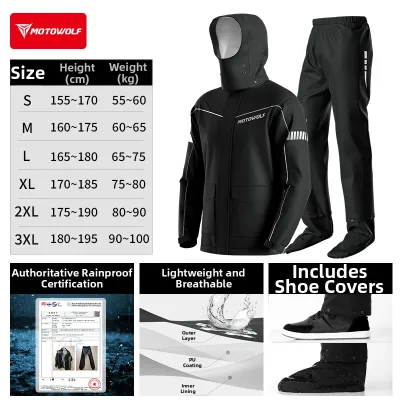
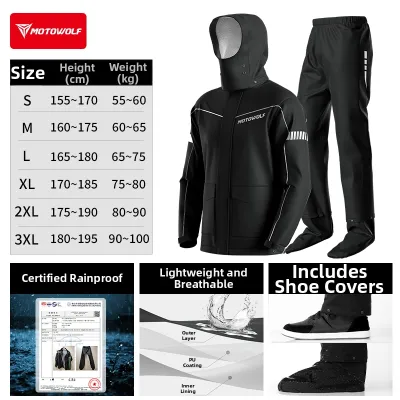
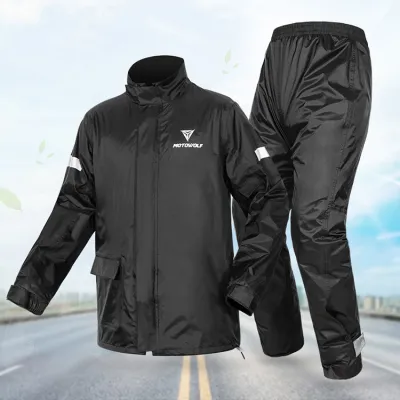
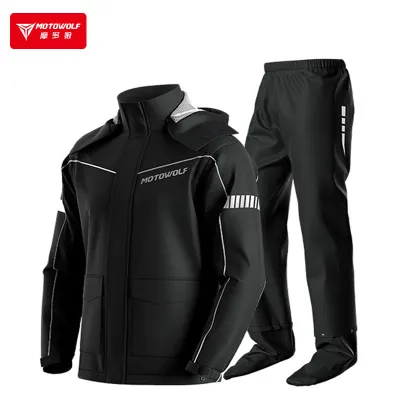
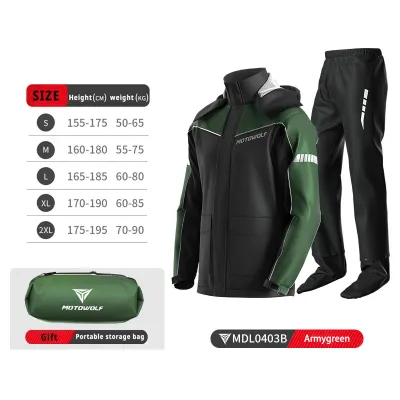
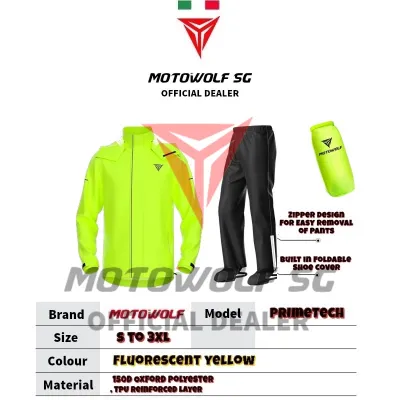
Prices are valid at publication and may change. Please refer to the product page for the latest price.
Class B garments are designed primarily for low-speed, urban riding environments. They offer basic abrasion protection but do not include impact protectors (armor) as standard, though they typically feature pockets to add them later. Because they lack heavy armor, Class B jackets prioritize maximum breathability and lightweight comfort.
Class A is the standard baseline for general motorcycle commuting and light touring. Jackets in this category strike a practical balance, offering moderate protection against both abrasion and impact while remaining comfortable enough for daily wear. This class is highly common among lightweight textile and mesh jackets.
Class AA is engineered for higher speeds, such as highway cruising or long-distance touring. These garments use denser, heavier materials to withstand longer slide times and higher friction forces. Consequently, Class AA jackets are generally bulkier, heavier, and less ventilated than their Class A counterparts.
It is important to recognize that a higher rating is not automatically the superior choice for every rider. A stiff, heavy Class AA jacket can cause rider fatigue or overheating in slow traffic, which indirectly increases safety risks by reducing your concentration. Choosing the right class requires balancing the physical protection you need with the environmental conditions you face.
How to Read the CE Safety Labels on Motowolf Jackets
To verify your Motowolf jacket’s certification, you must inspect the physical tags located inside the garment. Genuine certified jackets feature a sewn-in label displaying the official CE pictogram, which depicts a stylized motorcyclist icon.

Directly adjacent to or below this pictogram, you will find the specific garment class indicated by the letter B, A, or AA. If this lettering and the motorcyclist icon are missing from the inner tags, the jacket shell itself has not undergone or passed official EN 17092 testing.
It is critical to distinguish between the safety rating of the jacket shell and the rating of the included armor inserts. The shell’s abrasion resistance is governed by the EN 17092 standard, whereas the removable joint protectors (shoulders and elbows) are certified under EN 1621-1, and back protectors are certified under EN 1621-2.
Always rely on the physical, sewn-in labels rather than product descriptions on online marketplaces. E-commerce listings can occasionally contain administrative errors, outdated specifications, or generic marketing terms that do not accurately reflect the physical item’s actual certification level.
Choosing the Right CE Rating for Riding in Singapore
Singapore’s unique riding environment—consisting of highly congested urban areas and high-speed expressways—requires careful gear selection to match your specific routes.
Urban and Low-Speed Commuting For riders navigating residential estates, school zones, or the Central Business District (CBD), speeds rarely exceed 50 km/h. In these stop-and-go conditions, a Class B or lightweight Class A jacket is often highly suitable. These classes prioritize maximum ventilation to prevent heat exhaustion while providing sufficient low-speed slide protection.
Expressway and High-Speed Riding If your daily commute involves major expressways like the Pan Island Expressway (PIE) or the Ayer Rajah Expressway (AYE), your risk profile changes. At speeds of 80 km/h or higher, a slide requires much greater abrasion resistance. For these routes, a Class A or Class AA jacket is strongly recommended to protect your skin and joints from severe road rash.
The Climate Trade-off Managing Singapore’s year-round high humidity and temperatures averaging above 30°C is a constant challenge. Solid textile or leather jackets can quickly become unbearable, leading to dehydration and loss of concentration. Opting for a mesh jacket with reinforced textile panels on high-impact zones (shoulders and elbows) is an excellent compromise. Many of these hybrid mesh jackets achieve a Class A rating, delivering crucial protection without sacrificing airflow.
Decision Framework When choosing your jacket, prioritize a safety rating that you can realistically wear on every single trip. A premium Class AA jacket sitting in your closet because it is too hot offers zero protection in a crash. Select a well-ventilated Class A jacket that you will consistently zip up, ensuring you are always protected.
Beyond the Shell: Armor Ratings and Proper Fit
While the outer shell protects your skin from abrasion, impact protectors (armor) shield your bones and joints from fractures. Look for armor certified to EN 1621-1, which is categorized into Level 1 and Level 2. Level 2 armor absorbs more impact energy than Level 1, offering superior protection for your elbows and shoulders.
Many budget-friendly jackets, including several Motowolf models, achieve their overall Class A rating using Level 1 armor or basic foam inserts. Upgrading the back protector to a dedicated Level 2 insert is a simple, cost-effective way to significantly boost your spinal protection.
Regardless of the ratings, your safety gear must fit correctly to function as intended. The jacket should be snug enough that the shoulder and elbow protectors sit squarely over your joints. If the jacket is too loose, the armor can easily shift away from your joints during a fall, leaving you completely unprotected against impact.
Frequently Asked Questions (FAQ)
Does a higher CE rating mean the jacket is completely tear-proof?
No, a higher CE rating does not guarantee that a jacket is entirely tear-proof or indestructible. The EN 17092 standard measures relative abrasion resistance under controlled laboratory conditions. Real-world crashes involve unpredictable variables, such as high-velocity impacts against sharp guardrails, curb edges, or debris, which can puncture or tear even high-rated materials.
Can I add aftermarket armor to increase my jacket's CE rating?
Upgrading your elbow, shoulder, or back inserts to Level 2 armor will greatly improve your impact protection, but it will not alter the jacket’s official EN 17092 garment rating. The garment rating (such as Class A or B) is determined by the tear strength, seam strength, and abrasion resistance of the fabric shell itself. Adding better armor does not make the surrounding textile fabric more resistant to sliding wear.
Community discussion
Share your experience or ask a question. Comments are reviewed before publication.