
Choosing the right motorcycle tyre for daily commuting in Singapore requires balancing wet-weather grip, long-term durability, and overall value. Because our roads experience sudden, heavy tropical downpours alongside high ambient temperatures, a commuter tyre must offer reliable traction on wet asphalt while resisting rapid wear during daily stop-and-go traffic. While premium brands like Michelin and Pirelli often emphasize advanced silica compounds for wet grip, Japanese manufacturers like Bridgestone, Dunlop, and IRC focus on balanced, durable all-round performance, and budget-friendly options prioritize extended mileage. The most suitable choice depends on your specific vehicle type, daily mileage, and willingness to trade off absolute grip for extended tread life.
Understanding Your Daily Commuting Needs
Commuting in Singapore presents a unique set of challenges for motorcycle tyres. The combination of high humidity, intense tropical heat, and sudden, torrential downpours means that road surfaces can transition from dry and hot to slick and flooded within minutes. Commuters navigating expressways like the PIE or KPE, as well as highly congested urban areas, need tyres that can handle rapid braking on wet asphalt, metal expansion joints on flyovers, and painted road markings, which become slippery when wet.
Your daily mileage is a primary factor in determining the lifespan you need from your tyres. A rider covering fifty kilometres a day on a delivery route or a long-distance commute from the heartlands to the Central Business District will wear down tread far faster than someone making short trips to the nearest MRT station. Estimating your annual mileage helps you calculate whether a high-durability tyre or a high-grip tyre makes more financial and practical sense over the course of a year.
Products mentioned in this guide
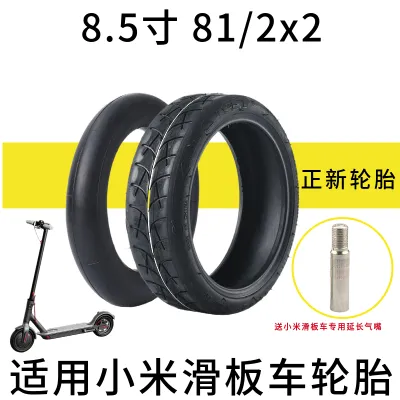
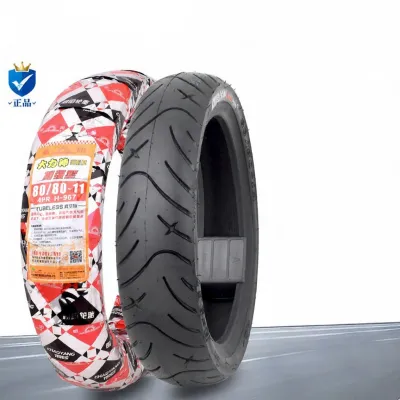
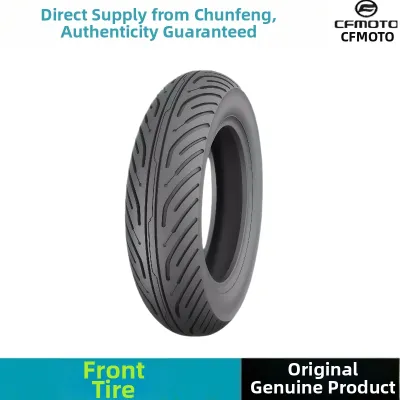
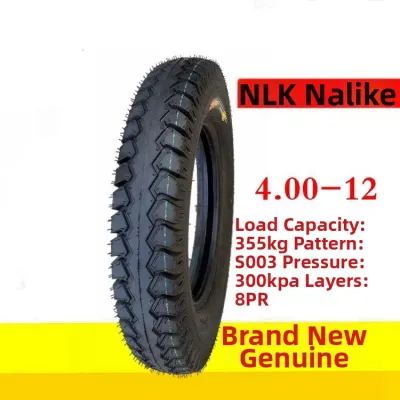
Prices are valid at publication and may change. Please refer to the product page for the latest price.
The type of motorcycle you ride also dictates your tyre requirements. Lightweight scooters and underbones typically use smaller wheel diameters and narrower profiles, requiring tyres that heat up quickly and offer agile handling for lane splitting. In contrast, heavier maxi-scooters and commuter street bikes exert greater forces during acceleration and braking, demanding tyres with stiffer carcasses and higher load ratings to maintain stability under load.
How Major Brands Position Their Commuter Tyres
When comparing motorcycle tyres, understanding how different manufacturers approach tyre design can help you narrow down your options. Premium European brands, such as Michelin and Pirelli, are widely recognized for integrating advanced chemical compounds into their commuter lines. These brands frequently utilize high-silica formulations, which are engineered to remain flexible at lower temperatures and provide enhanced chemical grip on wet roads. Their commuter tyres often inherit tread pattern designs from their sport-touring lines, aiming to deliver a sporty feel alongside wet-weather confidence.

Japanese manufacturers, including Bridgestone, Dunlop, and IRC, generally focus on delivering highly consistent, all-round performance and notable structural durability. Many of these brands serve as original equipment manufacturers (OEM) for major Japanese motorcycle brands, meaning their tyres are designed to meet strict factory specifications for wear resistance, stability, and predictable handling. IRC, for instance, is highly popular for underbones and smaller scooters due to its focus on practical, everyday durability and reliable dry grip at a highly competitive price point.
Value-oriented brands focus primarily on maximizing tread life and offering basic safety compliance for budget-conscious riders. These tyres often use harder rubber compounds that resist wear over long distances, making them a common choice for high-mileage commercial riders. However, because brand reputation alone cannot guarantee that a specific tyre will suit your motorcycle, you must always verify the individual tyre model’s specifications, intended use, and compatibility with your bike’s weight and power output.
Key Specifications to Check on the Tyre Label
Before purchasing any motorcycle tyre, you must verify its physical markings to ensure it complies with your vehicle manufacturer’s specifications and local road safety regulations. The tyre sidewall contains a standardized string of numbers and letters, such as 120/70-17. The first number represents the nominal width of the tyre in millimetres, the second is the aspect ratio (the height of the sidewall as a percentage of the width), and the third is the rim diameter in inches. Deviating from the dimensions specified in your motorcycle’s manual can severely alter handling, compromise ABS sensor readings, and may even be illegal.
Directly following the size dimensions, you will find the load index and speed rating, represented by a two-digit or three-digit number and a letter (for example, 58W). The load index indicates the rated weight capacity the tyre can safely support at its maximum inflation pressure, while the speed rating designates the rated speed the tyre can sustain. Always ensure these ratings meet or exceed the original specifications of your motorcycle to prevent structural failure under heavy loads or high-speed expressway riding.
Another critical marking is the Department of Transportation (DOT) code, which indicates the tyre’s manufacturing date. This is a four-digit code stamped on the sidewall; the first two digits represent the week of manufacture, and the last two represent the year. For example, a code of “1226” means the tyre was produced in the 12th week of 2026. Avoid buying or installing tyres that have been sitting in storage for several years, as rubber naturally degrades, hardens, and loses its grip properties over time, even if never mounted on a wheel.
Finally, locate the Tread Wear Indicators (TWI) and directional rotation arrows on the sidewall. The TWI marks point to small raised bumps inside the tread grooves; when the surrounding tread wears down level with these bumps, the tyre has reached its legal wear limit and must be replaced immediately. Directional arrows indicate the correct rotation of the tyre when mounted; installing a tyre backward can severely compromise its ability to channel water away from the contact patch, leading to hydroplaning during heavy rain.
Evaluating the Trade-offs: Grip, Durability, and Value
Selecting a commuter tyre always involves navigating a fundamental engineering compromise between grip and durability. Softer rubber compounds, often containing higher ratios of silica or specialized synthetic polymers, conform more easily to the microscopic imperfections of the road surface, providing reliable traction during hard braking or cornering, especially in wet conditions. However, these softer compounds wear down much faster under the friction of daily riding. Conversely, harder rubber compounds resist abrasive wear and last significantly longer, but they may offer less grip on wet, painted, or metallic surfaces.
The design of the tread pattern plays a vital role in how a tyre performs during Singapore’s frequent downpours. Deep grooves and intricate siping (small slits in the tread blocks) are engineered to act as channels, evacuating water from beneath the tyre’s contact patch to maintain direct rubber-to-road contact. While a tyre with fewer grooves might offer a larger contact patch and better dry grip, it increases the risk of hydroplaning on flooded expressways. Commuters should look for tyres with continuous water-channeling grooves that extend from the center of the tread to the shoulders.
To evaluate the true value of a motorcycle tyre, look beyond the upfront purchase price and calculate the estimated cost per kilometre. For example, a premium tyre costing S$150 that lasts for 15,000 kilometres costs S$0.01 per kilometre. A budget tyre costing S$90 that only lasts for 6,000 kilometres before losing its wet-weather grip costs S$0.015 per kilometre, making the premium option more economical in the long run. Additionally, the safety margin provided by a higher-grip tyre during an emergency stop can prevent costly accident repairs, representing a significant indirect saving.
Use a clear decision framework to guide your purchase. If your daily commute involves riding in all weather conditions, prioritizing safety on wet expressways, choose a tyre that emphasizes wet grip and water evacuation, even if it means replacing the tyre slightly sooner. If you ride primarily short distances in dry conditions, or if you operate a commercial delivery bike where minimizing running costs is paramount, a high-durability tyre with a harder compound may be the most practical choice, provided you adjust your riding style and speed during wet weather.
Installation, Safety, and Maintenance Boundaries
Even a high-quality tyre cannot perform safely if it is installed or maintained incorrectly. Motorcycle tyres must always be professionally mounted and dynamically balanced by a qualified mechanic using specialized equipment. Improper mounting can damage the tyre bead, leading to slow air leaks, while an unbalanced wheel can cause severe high-speed vibrations, uneven tread wear, and unstable handling that compromises your safety on the road.
Maintaining correct tyre pressure is the single most important factor in preserving tyre life and ensuring predictable handling. You should check your tyre pressure at least once a week when the tyres are cold, using a reliable pressure gauge. Always inflate your tyres to the pressures specified on your motorcycle’s swingarm placard or in the owner’s manual, rather than the maximum pressure stamped on the tyre sidewall. Under-inflation causes the tyre to flex excessively, leading to overheating, sluggish handling, and accelerated shoulder wear, while over-inflation reduces the contact patch and results in a harsh ride and reduced grip.
Regularly inspect your tyres for signs of physical damage, uneven wear, or aging. Look for cracks in the sidewall, embedded debris like nails or glass, and localized bulges, which indicate internal structural damage. If you notice scalloping or cupping on the front tyre, it may indicate a suspension issue rather than a tyre defect. If you observe any of these conditions, or if the tread has worn down to the tread wear indicators, stop riding immediately and seek professional assistance.
If you are considering changing your tyre size, profile, or type from the original factory specifications, always consult your motorcycle manufacturer or a certified professional first. Altering tyre dimensions can drastically affect the bike’s geometry, steering speed, clearance within the mudguards, and the accuracy of electronic rider aids such as traction control and ABS. A qualified professional can advise you on safe, compatible alternatives that comply with local vehicle inspection standards.
Frequently Asked Questions (FAQ)
Can I mix different tyre brands on the front and rear?
While it is physically possible to mount different tyre brands on the front and rear wheels, doing so is generally not recommended for daily commuting. Motorcycle manufacturers design and test their bikes with matched tyre pairs to ensure balanced handling, consistent water evacuation, and predictable braking characteristics. Mixing brands can result in mismatched profiles, carcass stiffness, and rubber compounds, which can cause unpredictable handling transitions when cornering or braking on wet roads. If you must mix tyres due to an emergency or limited stock, ensure that both tyres have compatible speed ratings, load indexes, and tread styles, and consult a professional mechanic to verify that the combination is safe for your specific motorcycle.
How often should I replace my motorcycle tyres even if the tread looks fine?
Motorcycle tyres should generally be replaced every five years from their date of manufacture, even if the tread depth appears to have plenty of life left. Over time, exposure to oxygen, heat, and UV radiation causes the rubber compounds to undergo a chemical process called oxidation, which hardens the rubber and causes it to lose its flexibility and grip. You can verify the age of your tyres by checking the four-digit DOT code on the sidewall. If you notice fine cracks appearing in the tread grooves or on the sidewall, or if the tyre feels exceptionally hard to the touch, the rubber has degraded and can no longer provide reliable traction, especially on wet roads.
Community discussion
Share your experience or ask a question. Comments are reviewed before publication.