
Choosing the right motorcycle top box depends on how you balance daily urban agility with long-distance carrying capacity. While a daily commuter requires a compact, scratch-resistant, and easily accessible top box to navigate dense traffic and tight parking spaces, a long-distance tourer demands superior weatherproofing, heavy-duty structural integrity, and integrated passenger comfort features. Identifying your primary riding pattern allows you to invest in features that enhance safety, convenience, and motorcycle stability without paying for unnecessary bulk or complex mounting systems.
Defining Your Riding Pattern: Commuter vs. Tourer Needs
To select the ideal top box, start by analyzing your weekly mileage, typical traffic conditions, and parking environments. Daily commuting often involves navigating congested city streets, squeezing through narrow lanes, and parking in exposed, high-traffic public areas where minor scrapes and security threats are common. In these urban settings, a top box must serve as a secure, convenient locker that does not compromise the motorcycle’s narrow profile or agility.
Conversely, long-distance touring shifts the priority toward sustained highway speeds, unpredictable weather, and carrying heavy gear over multiple days. Touring riders must evaluate how a top box handles high-speed wind resistance, prolonged exposure to heavy downpours, and the physical strain of carrying camping gear or extra apparel. By distinguishing between these two distinct environments, you can establish a clear baseline of must-have features, ensuring you do not compromise highway safety for urban convenience, or vice versa.
Products mentioned in this guide
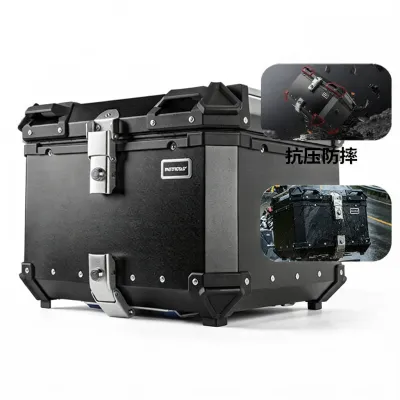
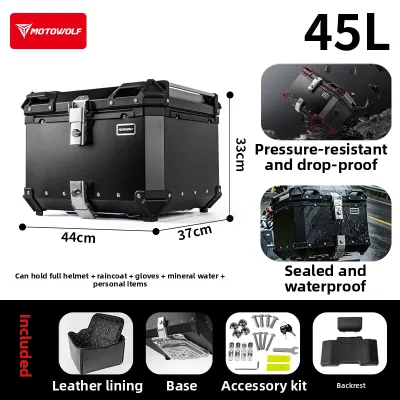
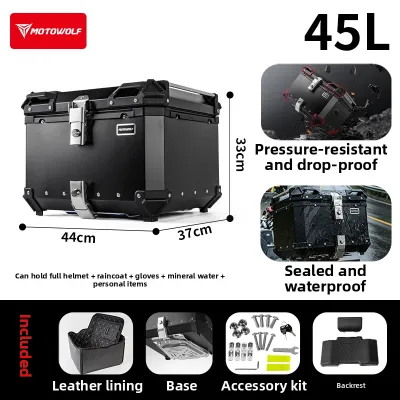
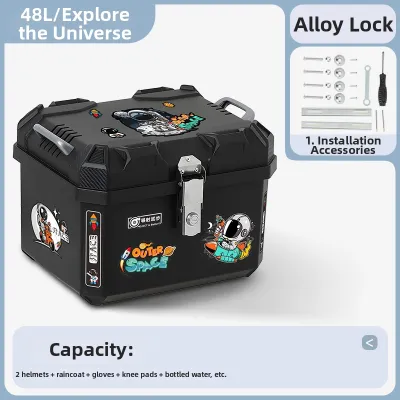
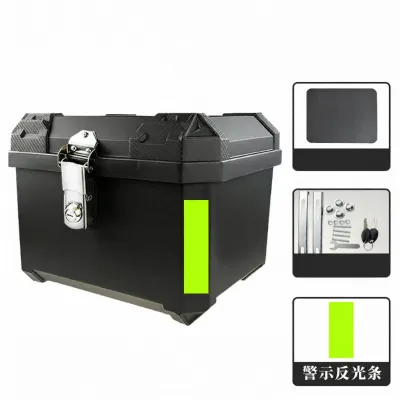
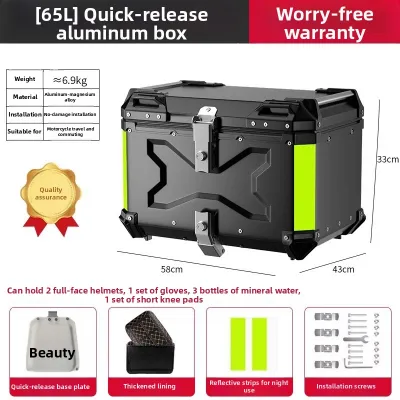
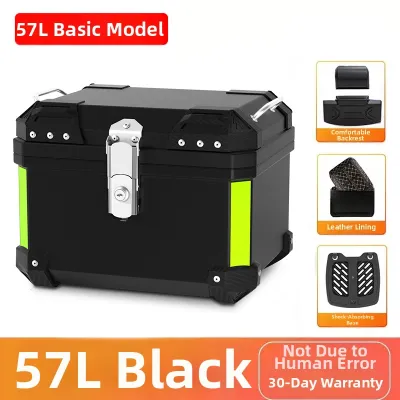
Prices are valid at publication and may change. Please refer to the product page for the latest price.
Top Box Features for Daily City Commuting
For the daily commuter, helmet storage capacity is often the primary consideration. Before purchasing, you must check the internal dimensions and shape of the top box to ensure it can comfortably accommodate your specific full-face or modular helmet. Some boxes are designed with a taller profile to fit a single helmet upright, while wider models might allow for additional small items like rain gear or gloves alongside the helmet.

Quick-access and locking mechanisms are equally critical in dense urban environments where you frequently mount and dismount. A reliable single-key system allows you to lock the box and secure it to the mounting plate with a single motion, reducing the time spent idling in public parking lots. Keyless entry systems or quick-release latches offer excellent convenience, but they must be balanced with robust physical locks to deter opportunistic theft in public spaces.
The aerodynamic profile and overall width of the top box directly impact your ability to maneuver through heavy traffic. A box that extends significantly wider than your shoulders or handlebars can create unexpected hazards during lane-splitting or filtering. Choosing a streamlined, narrow-profile box helps maintain your motorcycle’s natural handling characteristics and ensures you can navigate tight spaces safely.
Finally, the material and finish of the top box dictate how well it withstands daily wear and tear. Matte plastics and textured finishes are highly scratch-resistant, making them ideal for crowded parking structures where other vehicles might brush against your motorcycle. These materials require minimal maintenance and do not show smudges, dust, or minor abrasions as easily as high-gloss painted finishes.
Essential Top Box Features for Long-Distance Touring
When transitioning to long-distance touring, weatherproofing and sealing become paramount to protect your belongings from prolonged rain exposure. High-quality top boxes designed for touring feature robust rubber gaskets along the lid closure and specialized drainage channels that direct water away from the seal. Verifying these weatherproofing specifications prevents water from seeping in during heavy downpours, keeping your electronics, clothing, and spare gear dry.
The structural integrity of the latches and hinges is put to the test under high-speed vibrations and varying temperatures on extended trips. Heavy-duty aluminum or reinforced composite latches ensure the lid remains securely closed even when riding over rough terrain or uneven highway expansion joints. Look for dual-latch systems or reinforced hinges that distribute the physical stress evenly across the box frame, preventing latch failure at high speeds.
Passenger comfort is another critical factor if you frequently travel with a pillion. Many touring top boxes offer optional padded backrests that mount directly to the front of the box, providing essential support for your passenger during long hours on the road. When evaluating these options, ensure there is sufficient clearance for the passenger’s handholds and that the box’s position does not force the pillion into an awkward or cramped riding posture.
Lastly, you must carefully review the manufacturer’s maximum payload limits and understand how the load affects weight distribution. Touring top boxes are often positioned high and far back on the motorcycle, which can significantly alter the center of gravity. Adhering strictly to the specified weight limits prevents chassis instability, front-wheel lift, and unpredictable handling on high-speed highways.
Evaluating Cross-Scenario Compatibility
If your riding routine splits evenly between weekday commuting and weekend touring, finding a versatile compromise is key. Modular accessories allow you to adapt a single top box to different scenarios without purchasing multiple setups. Removable inner liner bags let you pack your gear indoors and carry it easily to your hotel, while external tie-down straps and cargo nets allow you to secure lightweight, bulky items to the top of the lid during long trips.
Balancing size compromises requires careful thought; you need enough volume for touring gear without creating excessive drag or parking difficulties during your daily commute. A medium-capacity top box often serves as the sweet spot, offering enough space for a full-face helmet and daily essentials while remaining narrow enough for city traffic.
A versatile mounting system is highly beneficial for cross-scenario riders. Selecting a base plate that allows for quick detachment means you can easily remove the top box for daily city riding when you do not need the storage, reducing weight and wind resistance. When the weekend arrives, you can slide and lock the box back onto the plate within seconds, ready for the open road.
Mounting, Safety, and Motorcycle Compatibility
Before purchasing any top box, you must verify that the mounting rack and your motorcycle’s subframe can safely support the intended load. Cross-reference your motorcycle manufacturer’s manual to find the maximum rear load capacity, keeping in mind that this limit includes the weight of the rack, the empty top box, and the cargo inside. Exceeding these limits can lead to subframe cracking, bolt failure, or severe structural damage to your motorcycle. While basic mounting plates are highly accessible, premium model-specific mounting systems costing several hundred S$ offer enhanced structural reinforcement and integrated locking mechanisms.
Adding weight high and behind the rear axle alters your motorcycle’s handling and braking dynamics. The increased rear weight shifts the center of gravity backward, which can lighten the front wheel, reduce steering feedback, and increase stopping distances. You must adjust your riding style accordingly, allowing for longer braking zones and smoother steering inputs, especially when carrying a full load.
Pillion passenger clearance must be measured accurately before finalizing your installation. Ensure there is adequate space between the front of the top box and the passenger seat so your pillion can mount and dismount safely without their gear catching on the box. A cramped passenger space not only causes discomfort but can also restrict the rider’s movement and control of the motorcycle.
For complex installations, such as those requiring custom rack fabrication or integrating electrical components like auxiliary brake lights, you should stop and consult a qualified professional mechanic. Improperly wired electrical systems can drain your battery or cause short circuits, while poorly welded custom racks pose a severe safety hazard on public roads. Professional installation ensures all mounting hardware is torqued to specification and complies with local road safety regulations.
Frequently Asked Questions (FAQ)
Do I need a specific mounting rack for my motorcycle model?
Yes, you generally need a mounting rack designed specifically for your motorcycle’s make, model, and year. Universal racks often lack the precise mounting points required to distribute weight safely across your bike’s subframe. Using an incompatible or poorly fitted rack can compromise structural integrity and lead to hardware failure while riding. Always consult official manufacturer fitment guides to verify compatibility before purchasing.
How does a top box affect my motorcycle's fuel efficiency and handling?
A top box increases aerodynamic drag and alters your motorcycle’s center of gravity, which can reduce fuel efficiency and affect high-speed handling. The high, rearward placement of the weight can make the front end feel lighter and more sensitive to crosswinds. To minimize these effects, always adhere to the manufacturer’s recommended load limits and pack heavier items at the bottom of the box.
Can I leave my top box on the motorcycle when parked outdoors long-term?
While high-quality top boxes are designed to withstand outdoor elements, long-term exposure to intense sunlight and moisture can cause UV degradation and trap humidity inside. Over time, this can weaken plastic components, fade finishes, and degrade rubber seals. To extend the lifespan of your top box, use a breathable motorcycle cover when parking outdoors long-term, and periodically inspect the seals according to the manufacturer’s care instructions.
Community discussion
Share your experience or ask a question. Comments are reviewed before publication.