
Selecting the right motorcycle riding jacket requires understanding how technical waterproof ratings translate to real-world road protection. While standard adult raincoats keep you dry during a walk, riding at speed pushes water through fabric pores, seams, and zippers with significant force. To stay dry and safe, you must decode Ingress Protection (IP) codes, hydrostatic head measurements, and construction details to find gear that matches your specific commuting duration and weather conditions.
Understanding IP and Waterproof Ratings on Riding Gear
Ingress Protection (IP) ratings are international standards defining how effectively specialized gear seals against dust and liquids. An IP rating consists of two digits, such as IP65 or IP67. The first digit (0 to 6) measures protection against solid particles like dust, while the second digit (0 to 9) measures protection against liquids. For motorcycle gear, a high liquid ingress digit indicates that the material can withstand pressurized water, which is crucial when riding through heavy downpours at speed.
While IP ratings are common for electronics, motorcycle apparel manufacturers more frequently use hydrostatic head measurements. This rating is expressed in millimeters (for example, 10,000 mm or 20,000 mm water column), representing the height of a water column a fabric can support before leaking. A higher millimeter rating means the fabric withstands greater water pressure over a longer duration.
Products mentioned in this guide
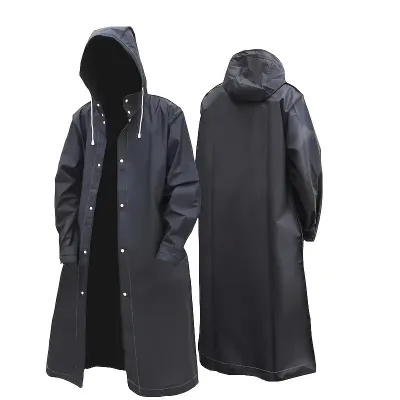
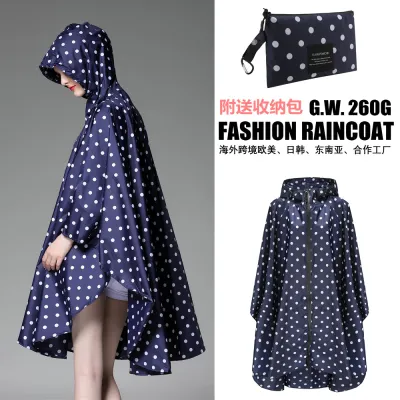
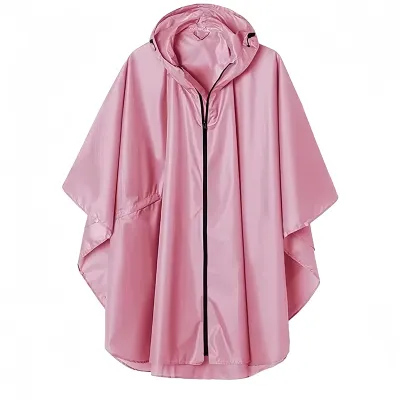
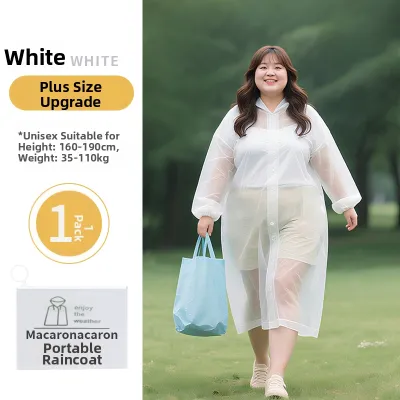
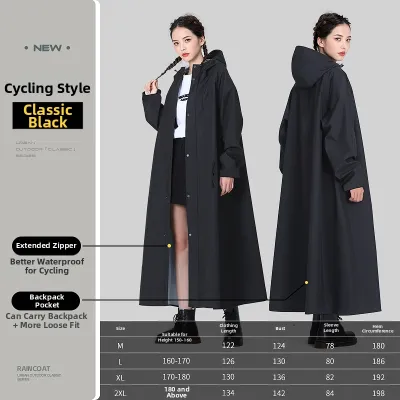
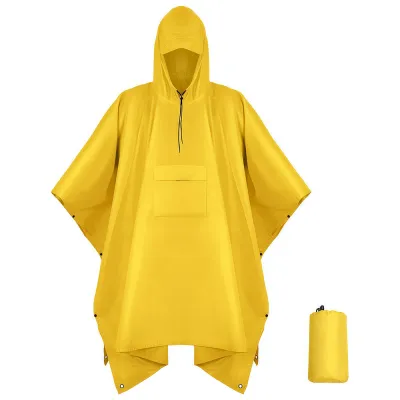
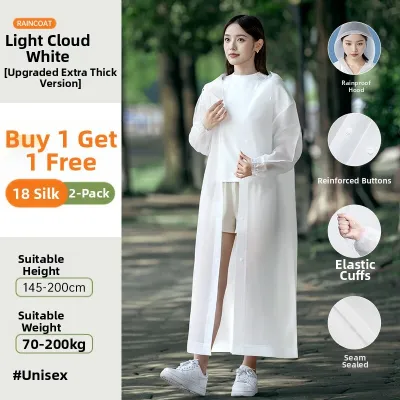
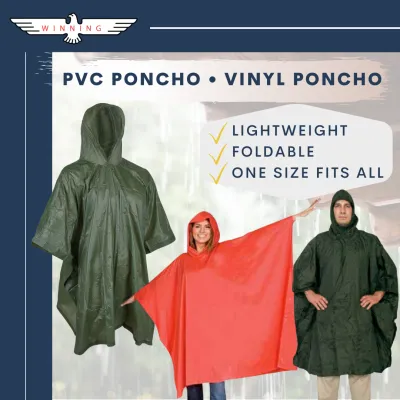
Prices are valid at publication and may change. Please refer to the product page for the latest price.
When evaluating riding jackets, distinguish between temporary water-resistant treatments and fully waterproof membranes. Durable Water Repellent (DWR) is a chemical coating applied to the outer fabric that causes water to bead up and roll off. However, DWR coatings wear off over time and cannot withstand heavy rain on their own. True waterproofing relies on an internal breathable membrane, such as Gore-Tex or proprietary brand equivalents, which blocks liquid water while allowing sweat vapor to escape.
Key Construction Features That Affect Real-World Protection
Even the most advanced waterproof fabric will fail if the jacket’s construction allows water to seep through the assembly points. Needle holes created during stitching are primary entry points for moisture. High-quality riding jackets feature fully taped or sealed seams, where a waterproof tape is heat-applied over every internal seam to block water ingress. When shopping, verify whether a jacket has “fully taped seams” rather than just “critically taped seams,” which only seal the most exposed areas.

Zippers, collars, and cuffs represent other critical vulnerability points on a motorcycle jacket. Standard zippers easily let water pass through their teeth, so look for jackets equipped with polyurethane-coated waterproof zippers or heavy-duty storm flaps that fold over the zipper track. The collar closure should seal snugly against your neck without restricting movement, preferably with an adjustable drawcord or soft neoprene lining to prevent water from running down your chest.
Ventilation systems and pockets must also be engineered carefully to maintain waterproofing. Underarm or back vents are necessary for airflow, but they must feature waterproof zippers or protective flaps to prevent water from scooping inside while riding. External pockets should have fold-over hook-and-loop flaps or waterproof zippers to protect your personal belongings from moisture damage. Adjustable cuffs with hook-and-loop straps help seal the gap between your jacket sleeves and riding gloves.
Matching Protection Levels to Your Commuting Needs
Your choice of riding gear should align with your typical riding duration and local weather patterns. For short urban commutes under fifteen minutes, a basic water-resistant jacket or a lightweight over-jacket might suffice to keep you dry until you reach your destination. However, if you engage in extended highway touring or spend hours on the road daily, you will require a high-performance jacket with a hydrostatic rating of at least 10,000 mm to 20,000 mm to prevent water penetration under high wind pressure.
In tropical climates like Singapore, riders face unique challenges due to sudden, intense downpours and consistently high humidity. A heavy, non-breathable plastic raincoat will trap body heat and sweat, leaving you just as wet on the inside as you would be from the rain. To stay comfortable, prioritize jackets that combine high waterproof ratings with excellent moisture vapor transmission rates (breathability). Look for lightweight, mesh-lined jackets with removable waterproof liners that can be adapted to changing weather conditions.
Balancing waterproofing and breathability is a delicate trade-off. While a completely sealed, non-breathable outer layer offers absolute water blockage, it is highly uncomfortable for active riding in warm weather. Opting for a jacket with a breathable membrane ensures that sweat can evaporate, keeping your body temperature regulated. This balance is particularly important for daily commuters who need to arrive at their destinations looking presentable and feeling comfortable.
How to Verify Claims When Shopping for Adult Rain Gear
When searching for a reliable raincoat for adults or a dedicated riding jacket, avoid falling for vague marketing terms like “weatherproof,” “water-resistant,” or “showerproof.” These terms are not standardized and often mean the garment can only handle light drizzle for a few minutes. Whether you are investing S$150 or S$500 in a premium jacket, look for explicit manufacturer specifications that state the exact hydrostatic head rating in millimeters or reference recognized testing standards like EN 343, which certifies protective clothing against rain.
Another practical feature to check is the configuration of the jacket’s layers. Many versatile riding jackets utilize a modular design with a removable thermal liner and a separate removable waterproof liner. This setup allows you to configure the jacket based on the immediate weather. For hot, rainy days, you can remove the thermal layer while keeping the waterproof membrane in place. Ensure that the liners zip securely into the main shell to prevent bunching or water bypassing the protective layers.
Finally, review the manufacturer’s care instructions before making a purchase. The durable water repellent (DWR) finish on the outer shell requires proper maintenance to remain effective. Over time, dirt, oil, and road grime will degrade the coating, causing the outer fabric to absorb water—a phenomenon known as “wetting out.” You will need to wash the jacket periodically using specialized technical fabric cleaners and occasionally reapply a spray-on DWR treatment to restore its water-shedding capabilities. Always consult the product manual to ensure you do not damage the internal membrane during cleaning, and only use care products authorized by the manufacturer for your specific jacket materials.
Frequently Asked Questions (FAQ)
Can I use a standard raincoat for adults instead of a dedicated motorcycle riding jacket?
A standard raincoat for adults lacks the structural integrity, abrasion resistance, and impact protection required for motorcycle riding. Standard raincoats are typically made of thin PVC or nylon that will tear instantly upon contact with the asphalt during a fall. Furthermore, generic rainwear is not designed for high-speed wind resistance; the loose fabric will flap violently, causing rider fatigue, and can easily catch on your motorcycle’s handlebars, footpegs, or exhaust pipes, creating a severe safety hazard. Dedicated riding jackets feature integrated armor at the elbows and shoulders, abrasion-resistant fabrics, and snug fits tailored for the riding position. Always verify that any protective gear complies with your vehicle’s safety requirements and does not interfere with your motorcycle’s controls or your range of motion.
Does a higher IP rating always mean a better riding jacket?
Not necessarily, as extremely high waterproof ratings often come with trade-offs in breathability and material flexibility. A jacket designed to block high-pressure water completely may use thick, stiff materials that restrict your movement and trap heat, making it highly uncomfortable in warm or humid conditions. Additionally, the overall construction quality—such as the presence of sealed seams, storm flaps, and secure closures—is just as critical as the fabric’s baseline rating. A jacket made of highly waterproof fabric will still let water in if the zippers are unprotected or the seams are not properly taped. Choose a jacket that balances adequate water protection with the breathability and flexibility needed for your specific riding environment.
Community discussion
Share your experience or ask a question. Comments are reviewed before publication.