
A regular rain jacket can work for brief, low-speed trips in a pinch, but it lacks the structural integrity, posture-specific cut, and high-speed waterproofing required for safe motorcycle riding. For regular commuting or expressway travel, a dedicated motorcycle raincoat is essential to prevent water ingress, dangerous wind flapping, and restricted movement over protective armor. While a standard outdoor shell is designed to keep you dry while walking, the physics of riding a motorcycle completely changes how water and wind interact with your gear.
When you are walking, rain falls vertically, and your relative speed is low. On a motorcycle, even at moderate city speeds, the relative wind speed transforms a gentle drizzle into a high-pressure water jet. Understanding the differences between standard outerwear and purpose-built riding gear is crucial for staying dry, comfortable, and safe on the road.
Quick Self-Check: Is Your Regular Rain Jacket Safe for Riding?
Before investing in new gear, you can evaluate whether your existing everyday rain jacket meets the basic safety and functional requirements for motorcycle commuting. A jacket that performs perfectly during a walk to the office can quickly become a safety hazard on a bike. Conduct this quick four-point physical check to see if your current jacket is up to the task:
Products mentioned in this guide
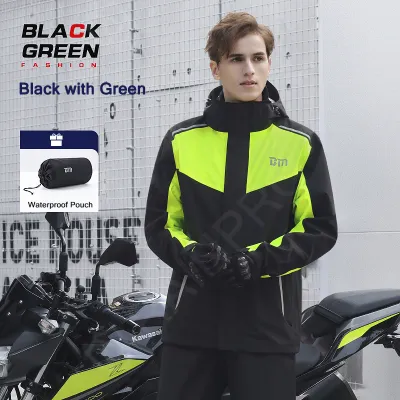
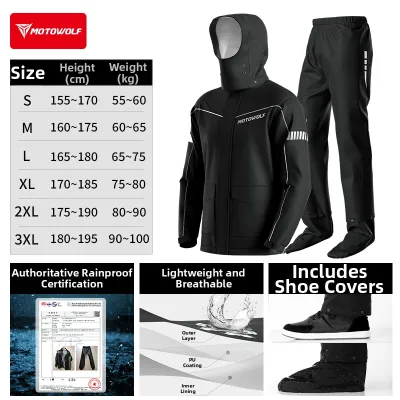
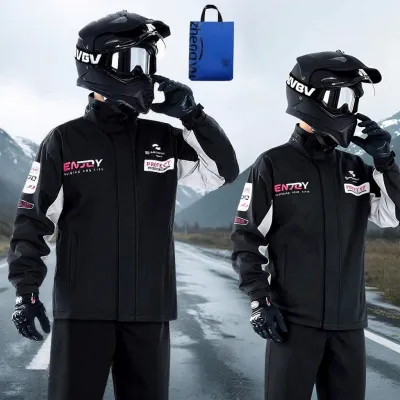
![Motorcycle Raincoat [Jacket & Pants] For Women Men High Quality Rain Coat Waterproof Rain Jacket Night Reflect Motorbike Bike Outdoor 雨衣](https://img.lazcdn.com/g/p/2d81d184a9cfa2e073c168fd7a7fe8ae.jpg_400x400q80.jpg_.webp)
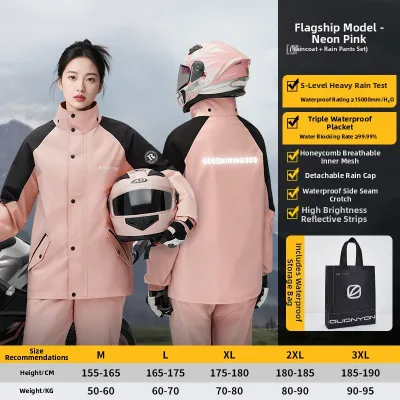
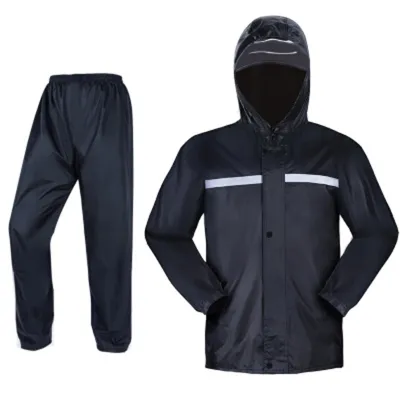
Prices are valid at publication and may change. Please refer to the product page for the latest price.
- 1. Length and Hem: Put on your jacket, sit on your motorcycle, and lean forward into your typical riding position. Have someone check if the back hem rides up. If the fabric pulls upward and exposes your lower back or the waistband of your trousers, rainwater will run directly down your pants.
- 2. Cuff Seals: Extend your arms fully forward to mimic holding the handlebars. Check if the cuffs can be tightly secured over or under your riding gloves. If the cuffs only feature loose elastic or lack adjustable closures, wind pressure will force rain straight up your sleeves, soaking your base layers.
- 3. Hood Interference: Examine the hood of your jacket. If it is not removable or cannot be rolled up and zipped securely into the collar, it will act like a parachute at speed. A flapping hood pulls violently at your neck, causes physical fatigue, and can dangerously obstruct your peripheral vision when you turn your head to check blind spots.
- 4. Flapping Straps and Toggles: Look for loose drawstrings, waist adjusters, or hood toggles. At speed, these loose elements whip violently against your helmet or body, causing distraction and pain. More importantly, loose cords pose a severe safety risk if they snag on your handlebar controls, mirrors, or throttle grips.
If your current jacket fails more than one of these checks, it is highly recommended to upgrade to dedicated gear. The structural differences between standard fashion outerwear and motorcycle-specific raincoats are designed specifically to handle these riding-specific challenges.
Core Design Differences: Why Motorcycle Raincoats Exist
Dedicated motorcycle raincoats are engineered to withstand the unique physical forces of riding. From the cut of the fabric to the placement of the seams, every element is designed to handle high-speed wind, heavy rain, and the rider’s active posture.

Fit and Coverage in the Riding Position
Standard rain jackets are tailored for an upright, walking posture. When you transition to a motorcycle, your shoulders pull forward, your elbows bend, and your hips flex. This forward reach creates the “riding posture gap” in standard jackets, causing the sleeves to slide up your forearms and the rear hem to expose your lower back.
To solve this, a dedicated motorcycle raincoat for men is designed with pre-curved sleeves and an elongated rear drop-tail hem. This specialized geometry ensures full coverage and prevents the jacket from bunching up at the stomach. Furthermore, quality motorcycle raincoats feature integrated gussets or stretch panels across the upper back and shoulders, allowing a full range of motion over bulky protective armor without binding or restricting emergency steering inputs.
Wind Resistance and Waterproofing at Speed
Waterproofing is not a static measurement. While a standard outdoor jacket might keep you dry in a light rain, it relies on a thin Durable Water Repellent (DWR) coating that quickly fails under dynamic pressure. When riding at highway speeds, rainwater hits your chest with significant force, pushing water straight through the weave of standard fabrics.
Motorcycle raincoats are constructed from heavy-duty fabrics with high hydrostatic head ratings. They feature fully taped or welded seams to block water from entering through needle holes. Additionally, because wind pressure can easily force water through standard zipper teeth, riding raincoats are built with double or triple storm flaps that fold over the main zipper, securing with heavy-duty hook-and-loop fasteners to seal out the elements.
Visibility and Safety Features
Visibility drops dramatically during heavy downpours, making riders highly vulnerable to other motorists. While regular outdoor jackets often feature small reflective logos or strips, these are typically placed on the lower back or sides to suit pedestrians.
On a motorcycle, lower-back reflective elements are easily hidden by a backpack, a top box, or the rider’s hunched posture. Motorcycle-specific raincoats solve this by positioning high-visibility neon panels and retroreflective strips high on the shoulders, upper back, and outer arms. This ensures that you remain visible to vehicles approaching from behind and at side intersections, even when tucked behind a windscreen.
When Your Regular Rain Jacket is Enough for Daily Commuting
There are specific, low-risk scenarios where a high-quality regular rain jacket can suffice for daily travel, saving you from making an immediate purchase. If your commute is limited to low-speed, short-distance urban riding—such as navigating local neighborhood streets or traveling short distances to work during sudden tropical showers—a standard jacket may be acceptable.
To use a regular jacket safely, it must meet strict minimum requirements. It must be a genuine, high-performance waterproof outdoor shell (not a cheap fashion windbreaker), feature tight hook-and-loop cuff closures, and have a hood that can be zipped away or rolled tightly into the collar.
If you choose to use a regular jacket, you can make a few practical adjustments to improve its performance. Try tucking the extra hem length securely into your riding trousers to prevent it from riding up. Alternatively, you can wear your regular rain jacket underneath a mesh riding jacket; this pins the loose fabric down to eliminate flapping, though it leaves your outer mesh jacket wet. Finally, always use a separate high-visibility waterproof cover for your backpack to compensate for the regular jacket’s lack of reflective materials. Keep in mind that this setup is a compromise, suitable only for conservative riders who already own premium outdoor gear and ride at low speeds.
Clear Signs You Need to Upgrade to a Dedicated Motorcycle Raincoat
For many riders, relying on a standard rain jacket is a safety risk that can lead to rapid soaking and discomfort. If your riding profile matches any of the following conditions, upgrading to a dedicated motorcycle raincoat is a necessary decision for your safety and comfort:
- Highway and Expressway Riding: If your daily commute involves expressways like the PIE (Pan Island Expressway) or AYE (Ayer Rajah Expressway), the sustained wind pressure at 80–90 km/h will quickly overwhelm standard outdoor jackets. Once water penetrates, the resulting wetness combined with high wind speeds leads to rapid wind chill, muscle stiffness, and a dangerous loss of concentration.
- Frequent Night or Heavy Weather Riding: Navigating intense monsoon downpours or riding after dark demands maximum visibility. The high-vis neon colors and strategically placed reflective strips on dedicated motorcycle gear are vital for safety when road visibility drops to near zero.
- Layering Over Riding Gear: Standard rain jackets are cut close to the body. Trying to force one over an armored riding jacket compresses the impact-absorbing protectors, rendering them less effective, while severely restricting your arm movement. Dedicated over-suits are oversized specifically to fit comfortably over armor.
- Long-Distance Touring: If you plan long-distance weekend rides, the constant flapping of a regular jacket causes immense aerodynamic drag and physical fatigue, draining your energy and reducing reaction times.
Upgrading to a dedicated motorcycle raincoat is not just about comfort; it is a critical risk-mitigation step that ensures you remain focused, warm, and visible on the road.
What to Look for When Buying a Men's Motorcycle Raincoat
When shopping for a men’s motorcycle raincoat, look for specific features tailored to the riding environment and your physical build. Focus on these key elements to ensure you choose a high-performing product:
- Men's Specific Sizing: Look for cuts with broader shoulders and longer sleeves. If you intend to wear the raincoat over an armored jacket, check the manufacturer's sizing guide. Many brands design their motorcycle raincoats to be "true to size" over existing gear, but if you are between sizes, always size up to prevent binding.
- Ventilation and Climate Adaptation: In hot, humid tropical climates, a completely sealed plastic jacket creates a "sauna effect," soaking you in sweat from the inside. Look for breathable membranes (such as polyurethane laminates) and physical ventilation features like covered back vents or underarm pit zips that let hot air escape while keeping rain out.
- Collars and Neck Seals: Water easily seeps in through the neck opening. Choose a raincoat with a high, adjustable collar (ideally lined with soft fleece or microfiber) that seals tightly against the base of your helmet.
- Packability: Space is limited on a bike. Opt for a lightweight, highly packable motorcycle raincoat that folds into its own compact carrying pouch. This allows you to store it easily under your seat, in a backpack, or inside a top box, ready for sudden downpours.
Frequently Asked Questions (FAQ)
Can I wear a regular raincoat over my motorcycle armor?
It is highly discouraged. Regular raincoats are not cut to accommodate the bulk of elbow and shoulder armor. Forcing a standard jacket over armor will compress the protective padding, reducing its impact absorption, and restrict your range of motion, making it harder to steer safely. Always use a dedicated motorcycle raincoat designed with extra volume in the joints.
How do I prevent my raincoat from flapping in the wind while riding?
To minimize flapping, look for a motorcycle raincoat with built-in adjustment features, such as elasticized waist cinches, forearm volume adjusters, and collar drawcords. If you must use a regular jacket temporarily, you can wear a fitted mesh riding jacket over the top of the raincoat to pin the loose fabric down against your body, reducing aerodynamic drag.
Community discussion
Share your experience or ask a question. Comments are reviewed before publication.