
Quick Answer: Which Handlebar Type Suits You Best?
Upgrading your motorcycle’s handlebar is one of the most effective ways to customize your riding posture, control, and comfort. The ideal handlebar type depends on your physical proportions, your motorcycle’s frame geometry, and where you ride most often. For daily commuting through dense city traffic, standard or mild cruiser bars offer the best balance of upright comfort and steering leverage. If your focus is high-speed track performance or aerodynamic efficiency, clip-on handlebars are the standard choice. For a highly personalized, laid-back aesthetic on cruiser models, ape hangers offer a distinct look, though they require careful attention to control cable lengths. If you are building a retro machine, café racer or clubman bars provide an engaged, forward-leaning posture without the extreme drop of true clip-ons.
Before making a purchase, remember that changing your handlebar is not merely an aesthetic choice; it fundamentally alters the motorcycle’s steering dynamics, weight distribution, and safety envelope. You must verify that your existing control cables, brake lines, and electrical wiring have sufficient slack to accommodate the new dimensions. Furthermore, any modification must preserve full steering clearance to prevent the bars or your hands from striking the fuel tank or fairings at full lock.
How Handlebar Geometry Affects Your Riding Posture
To select the right handlebar, you must first understand the four primary measurements that dictate how a bar feels on the road: width, rise, pullback, and drop. These dimensions work together to establish your riding triangle—the geometric relationship between your hands, feet, and seat. Altering even one of these measurements shifts your center of gravity and changes how your motorcycle responds to steering inputs.
Products mentioned in this guide
Prices are valid at publication and may change. Please refer to the product page for the latest price.

Width is the straight-line distance from one bar tip to the other. A wider handlebar acts as a longer lever, reducing the physical effort required to initiate a turn or make quick corrections at low speeds. This is particularly beneficial for maneuvering heavy adventure bikes or navigating tight urban spaces. However, excessively wide bars increase your frontal profile, catching more wind and making lane filtering through tight traffic lanes highly challenging. Narrower bars tuck your arms inward, reducing wind resistance and allowing you to slip through narrow gaps, but they require more physical steering effort.
Rise measures the vertical distance from the center of the mounting clamp to the highest point of the handlebar. High-rise bars lift your hands, shifting your upper body into an upright or slightly rearward-leaning posture. This relieves pressure on your wrists and shoulders, which is highly comfortable for low-speed cruising. However, it transfers more of your body weight directly onto your lower back and tailbone, which can cause discomfort on bumpy roads. Low-rise or zero-rise bars pull your torso down and forward, loading your core and wrists but keeping you securely tucked against wind blast at high speeds.
Pullback, also known as sweep, refers to the distance the handlebar grips angle back toward the rider from the clamping area. A generous pullback allows you to reach the grips without leaning forward, keeping your spine straight. If the sweep is too aggressive, however, it can force your wrists into an unnatural, outward-bent angle, leading to numbness or carpal tunnel strain during extended journeys. A flatter bar with minimal sweep keeps your wrists in a more neutral, active position, which is ideal for spirited riding where you need to actively push and pull on the bars.
Drop is the downward angle of the bar ends relative to the horizontal plane, most commonly seen on clip-ons and clubman bars. A pronounced drop forces your elbows down and in, minimizing your aerodynamic profile and lowering your center of gravity. This position is highly effective for track riding where cornering clearance and high-speed stability are paramount. The trade-off is a significant increase in the weight supported by your wrists and forearms, which can quickly become exhausting during stop-and-go city riding.
Detailed Comparison of Motorcycle Handlebar Types
Standard and Cruiser Handlebars
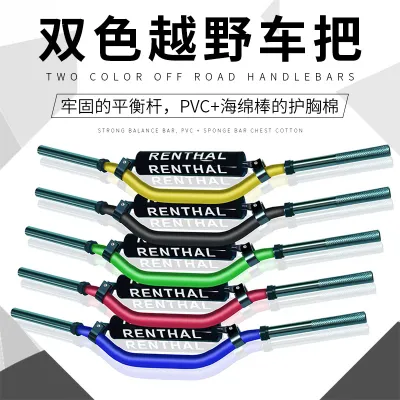
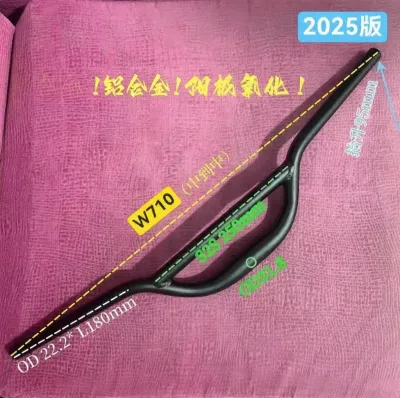
Standard and cruiser handlebars are designed with everyday utility and long-distance comfort as their primary goals. Standard bars, often found on naked bikes, scramblers, and commuter motorcycles, feature a moderate rise, mild pullback, and a medium width. This configuration keeps the rider in a neutral, slightly forward-leaning posture where the weight is distributed evenly between the seat, feet, and hands. It provides excellent leverage for quick steering inputs in city traffic while keeping the neck and shoulders relaxed.
Cruiser handlebars, such as buckhorn or beach bars, emphasize a more relaxed, swept-back configuration. They bring the grips closer to the rider’s torso, allowing for a completely upright or slightly reclined seating position. This setup is highly effective for relaxed highway cruising where high-speed cornering is not the primary objective. Another major advantage of standard and moderate cruiser bars is installation simplicity; because their dimensions closely match factory specifications, they usually do not require you to replace your stock clutch cables, brake lines, or wiring harnesses, making them a cost-effective and straightforward upgrade.
Ape Hangers
Ape hangers are iconic, high-rise handlebars that position the rider’s hands at shoulder level, or in extreme cases, above the shoulders. Primarily installed on custom cruisers and chopper-style motorcycles, they offer a dramatic aesthetic and a unique, wind-in-the-face riding experience. By lifting the arms high, ape hangers open up the rider’s chest and force an upright posture that many cruiser enthusiasts find highly appealing for relaxed, straight-line highway cruising.
However, the dramatic height of ape hangers introduces specific mechanical and handling challenges. At low speeds, the increased distance between the steering axis and your hands reduces immediate steering feedback, making tight U-turns and slow-speed maneuvers more difficult to execute smoothly. On long highway stretches, holding your arms elevated against the oncoming wind can lead to shoulder fatigue and reduced blood circulation in your hands. From an installation standpoint, fitting ape hangers almost always requires replacing your stock brake lines, clutch cables, and electrical wiring with extended aftermarket versions to prevent dangerous tension when turning the front wheel.
Clip-Ons
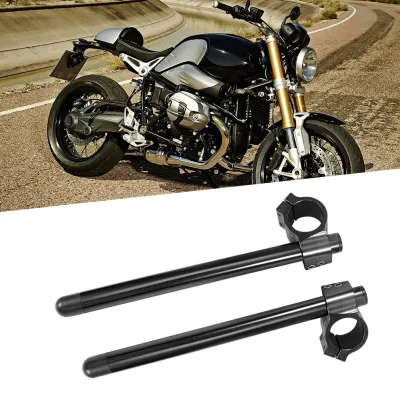
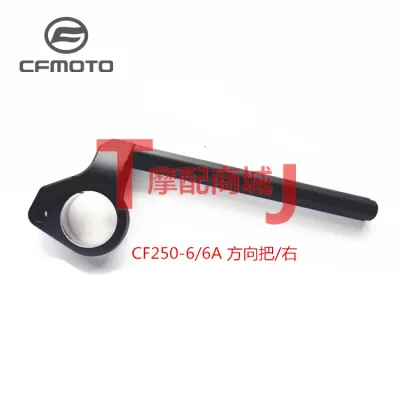
Clip-on handlebars are the definitive choice for sportbikes, track racing, and high-performance road riding. Unlike traditional one-piece handlebars that clamp to a central riser on the top triple tree, clip-ons consist of two separate, short bar tubes that clamp directly onto the motorcycle’s front fork stanchions. They are typically mounted low, either just above or directly below the top triple tree, forcing the rider into an aggressive, forward-bent racing tuck.
This low-slung position is engineered to optimize aerodynamics, lowering the rider’s torso to reduce drag and wind buffeting at high speeds. It also shifts the rider’s weight forward over the front wheel, increasing front-end traction and providing precise, immediate feedback through corners. While highly effective on the track or winding mountain roads, clip-ons are notoriously unforgiving during daily commutes or slow-speed city riding. The forward lean places a continuous load on your wrists, neck, and lower back, which can rapidly lead to physical fatigue and discomfort in heavy, stop-and-go traffic.
Café Racer and Clubman Bars
Café racer and clubman bars offer a compelling middle ground for riders who desire an aggressive, sporty aesthetic and engaged handling without committing to the extreme physical demands of low-mounted clip-ons. Clubman bars are a single-piece handlebar that mounts to the standard center risers but drops forward, down, and back to mimic the look and feel of clip-ons. This design allows owners of standard or retro motorcycles to lower their riding posture without modifying their front fork assemblies.
These bars are highly popular for vintage builds, modern classics, and custom scramblers. They shift your weight forward to improve front-end feel and cornering confidence compared to standard bars, yet they generally sit slightly higher and wider than true clip-ons, preserving a degree of steering leverage and wrist comfort. While they are more comfortable than clip-ons for urban riding, they still require a more active core and back posture than standard bars, making them best suited for riders who enjoy spirited weekend rides and short, stylish commutes rather than long-distance touring.
Critical Factors to Verify Before Swapping Handlebars
Swapping your motorcycle’s handlebar is a safety-critical modification that requires meticulous planning and precise measurements. Before purchasing any aftermarket handlebar, you must verify several physical and mechanical tolerances to ensure the modification does not compromise your control or safety on the road.
Clamping and Grip Diameters First, you must match the clamping diameter of the new handlebar to your motorcycle’s original risers. The most common standards are 7/8-inch (22mm) and 1-inch (25.4mm), though some heavy cruisers and adventure bikes use oversized 1-1/4-inch bars that taper down at the grips. Attempting to force an incompatible bar size into your risers can lead to slippage under heavy braking or steering loads. Additionally, verify the diameter of the grip areas; while most handlebars taper to 7/8-inch at the ends to accommodate standard switchgear and throttle sleeves, some cruiser-specific bars remain 1-inch thick along their entire length, which will prevent standard controls from mounting.
Cable and Wiring Slack Second, you must carefully evaluate the length of your existing control cables, hydraulic brake lines, and electrical wiring harnesses. If your new handlebar has a greater rise or pullback than your stock bar, it will pull these lines taut. Operating a motorcycle with tight cables is extremely dangerous; turning the front wheel to full lock can pull the throttle cable open, stretch electrical connections to the breaking point, or apply pressure to the front brake line. Always measure the distance from your controls to the frame along the new handlebar’s path. If the stock lines do not have ample slack at both steering extremes, you must budget for and install longer, high-quality replacement cables and braided stainless steel brake lines.
Clearance at Full Steering Lock Third, you must ensure that the new handlebar, along with your hands and control levers, has complete clearance throughout the entire steering range. Turn your front wheel fully from left to right to check if the new setup will strike the fuel tank, front fairings, or windscreen. Any contact can restrict your steering angle, damage your paintwork, or cause accidental control inputs. Always refer to your motorcycle’s service manual or consult a qualified professional mechanic if you are unsure about routing control lines, bleeding hydraulic brakes, or maintaining structural safety during a handlebar swap.
The Decision Framework: Matching Bars to Your Ride
To help you finalize your selection, use this conditional decision framework to match a handlebar type to your specific riding style, motorcycle, and daily usage.
- Choose Standard or Cruiser Handlebars if:
- Your primary activities are daily city commuting, lane filtering through dense traffic, or long-distance touring.
- You prioritize an upright, neutral posture that minimizes physical strain on your wrists, neck, and lower back.
- You want a straightforward, cost-effective upgrade that typically does not require replacing factory cables, brake lines, or electrical wiring.
- Choose Clip-On Handlebars if:
- You ride a sportbike or frequently participate in track days and high-performance riding.
- You want maximum front-end feedback, precise steering control, and an aerodynamic tuck to reduce high-speed wind resistance.
- You are physically comfortable with an aggressive, forward-leaning posture that places more weight on your wrists and core.
- Choose Ape Hangers if:
- You ride a cruiser or custom chopper and want a classic, eye-catching aesthetic.
- You prefer a highly upright or slightly reclined seating position with your hands positioned at or near shoulder height.
- You are prepared to invest the extra time and budget required to purchase and install extended control cables, brake lines, and wiring harnesses.
- Choose Café Racer or Clubman Bars if:
- You are customizing a vintage, modern classic, or retro-style motorcycle.
- You want a sporty, aggressive riding position and improved front-end feel without the complexity of clamping bars directly to your fork tubes.
- You want a balanced compromise that offers better high-speed aerodynamics than standard bars but more comfort than full clip-ons.
- Verify before buying: If you are uncertain about clamp diameters, switchgear compatibility, or cable routing, measure your stock setup carefully and consult a professional mechanic before purchasing any aftermarket components.
Frequently Asked Questions (FAQ)
Do I need to change my brake lines when installing higher handlebars?
In most cases, yes. When you install a handlebar with a significantly higher rise or pullback than your stock bar, the original hydraulic brake lines and clutch cables will often be too short to reach the new control positions safely. Operating a motorcycle with tight brake lines is highly dangerous, as turning the handlebars to full lock can pull the line taut and accidentally apply the front brake or damage the fittings. You must measure the new routing path with your handlebars installed before riding. If there is any tension at full steering lock, you must replace your stock lines with longer, high-quality aftermarket options, such as braided stainless steel lines, which also provide improved braking feel and durability.
Can I install clip-ons on a standard motorcycle with a top triple tree?
Whether you can install clip-ons depends on the design of your front fork tubes and the surrounding clearance. True clip-on handlebars clamp directly onto the exposed upper portion of the front fork stanchions. For this installation to work, your motorcycle must have enough exposed fork tube protruding above or below the top triple tree to provide a secure clamping surface. If your standard motorcycle’s forks sit flush with the top triple tree, you cannot install traditional clip-ons without modifying the fork height, which alters the bike’s suspension geometry and handling. In these scenarios, clubman bars or specialized adjustable handlebars that mount directly to the top triple tree’s riser clamps are a much safer and easier alternative.
Community discussion
Share your experience or ask a question. Comments are reviewed before publication.