
Viscosity ratings like 10W-40 on moto engine oils indicate how easily the oil flows at low and high temperatures. These numbers represent standardized measurements established by the Society of Automotive Engineers (SAE) to ensure your engine receives proper lubrication under varying thermal conditions. Understanding these ratings helps you select the correct fluid to protect your motorcycle’s engine, transmission, and wet clutch. Selecting the wrong viscosity can lead to accelerated engine wear, poor fuel economy, or clutch slippage.
How to Read Viscosity Numbers on Moto Engine Oils
The alphanumeric code on a bottle of motorcycle oil is divided into two main parts, representing a multi-grade oil designed to perform across a wide temperature range. The first part of the rating, consisting of a number followed by the letter “W”, stands for “Winter” or cold-temperature performance. This indicates how well the oil flows when the engine is cold, such as during startup. A lower number, like 5W or 10W, means the oil remains fluid at low temperatures, allowing it to pump rapidly to critical engine components immediately upon starting. This rapid circulation is vital because most engine wear occurs during the first few seconds of operation before oil pressure stabilizes.
The second part of the rating, which is the number after the hyphen (such as 30, 40, or 50), represents the oil’s viscosity at normal operating temperature, standardized at 100 degrees Celsius. This indicates the oil’s resistance to flow when the engine is hot. A higher second number means the oil remains thicker and maintains a more robust protective film under extreme heat. For example, a 10W-40 oil remains thicker at operating temperatures than a 10W-30 oil, resisting thinning under heat.
Products mentioned in this guide
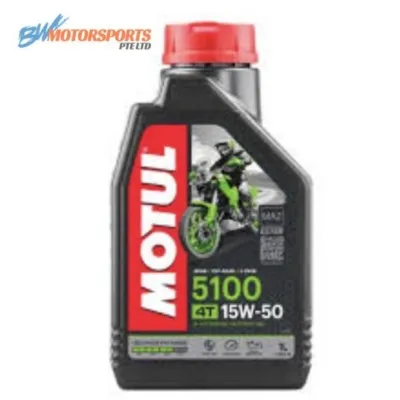
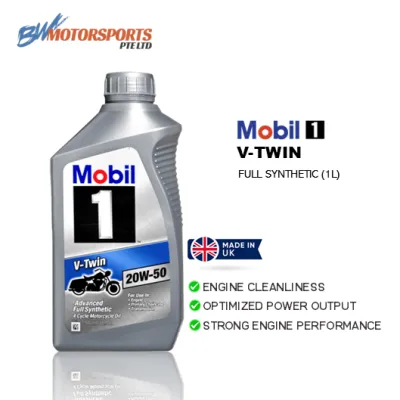
Prices are valid at publication and may change. Please refer to the product page for the latest price.
These ratings are determined through standardized laboratory testing defined by international engineering bodies. They are not brand-specific marketing claims, meaning a 10W-40 oil from one manufacturer must meet the same flow criteria as a 10W-40 oil from another. This standardization allows riders to compare different moto engine oils objectively based on physical properties.
Why the Correct Viscosity Grade Matters for Your Motorcycle
Using the correct viscosity grade is critical because motorcycle engines operate under significantly different conditions than passenger car engines. Motorcycle engines typically run at much higher revolutions per minute (RPM) and experience higher operating temperatures. If you use an oil that is too thin for your engine’s design, the protective oil film can shear or break down under high heat and high RPMs. This thin barrier allows metal-on-metal contact, leading to rapid wear on the pistons, cylinder walls, and bearings.

Conversely, using an oil that is too thick presents its own set of problems. When the oil is excessively thick, it creates internal fluid drag within the engine. This drag forces the engine to work harder, reducing fuel efficiency and causing sluggish throttle response. More importantly, thick oil flows more slowly through the narrow oil passages during cold starts. This delay in lubrication can leave critical components, such as the valvetrain, starved of oil during the initial startup phase, causing premature wear.
Furthermore, many motorcycles feature a shared sump design where the engine oil also lubricates the transmission and the wet clutch. This environment subjects the oil to extreme mechanical shearing forces as it passes through the gearbox gears. Motorcycle-specific oils are formulated to maintain their viscosity under these shearing forces while providing the correct frictional properties for the wet clutch. Using an incorrect viscosity or a non-motorcycle-specific oil can cause the clutch to slip or the gears to wear prematurely.
How to Find the Right Viscosity Recommendation for Your Bike
To find the correct viscosity recommendation for your motorcycle, always consult the owner’s manual provided by the manufacturer. This document contains the precise specifications engineered for your specific engine model and year. If you do not have the physical manual, many manufacturers provide digital copies online, or you can check for a specification label located directly on the engine casing, often near the oil filler cap.
When reviewing the manufacturer’s recommendations, you may notice a chart displaying multiple viscosity options based on ambient temperature ranges. In a consistently warm, tropical climate like Singapore, where ambient temperatures remain high year-round, manufacturers often recommend a higher viscosity grade, such as 15W-50 or 10W-40, to ensure the oil does not thin out excessively under local riding conditions. Conversely, in colder climates, a lower cold-start rating like 5W-30 might be recommended to facilitate easier starting. Always select the grade that aligns with the typical ambient temperatures of your riding environment.
If your motorcycle has been heavily modified, or if you are unable to find the official manufacturer specifications, do not guess the viscosity. Consult a qualified motorcycle mechanic or contact the manufacturer’s technical support line to verify the correct oil grade and specification requirements before performing an oil change.
Common Misconceptions About Motorcycle Oil Viscosity
A common misconception among riders is that a higher second number always equates to better engine protection. While a thicker oil (like a 50 or 60 weight) provides a thicker protective film, it is only beneficial if the engine clearances are designed to accommodate it. Modern motorcycle engines are built with highly precise, tight tolerances. If the oil is too thick, it cannot flow efficiently through these tight clearances, leading to localized overheating, reduced oil flow, and increased wear.
Another frequent misunderstanding is that you can freely switch viscosity grades based on personal preference or online forum advice. Some riders believe that switching to a thicker oil will automatically quieten a noisy engine or stop minor oil leaks. While it might temporarily dampen mechanical noise, it does not fix the underlying wear and can restrict oil flow to critical areas. Any adjustment to the viscosity grade should strictly follow the temperature-dependent guidelines provided in the manufacturer’s documentation.
Frequently Asked Questions (FAQ)
Can I mix two different viscosity grades of motorcycle oil?
In an emergency situation where your oil level is dangerously low, mixing two different viscosity grades is acceptable to prevent engine seizure. However, this should only be a temporary measure. Mixing different grades alters the predictable viscosity profile of the oil, resulting in a blend that does not meet the precise flow characteristics of either original grade. You should perform a complete oil and filter change to the correct single viscosity grade as soon as possible to restore optimal protection.
Does motorcycle oil viscosity change as the oil gets older?
Yes, motorcycle oil viscosity changes as it ages and degrades. In motorcycles with shared lubrication systems, the intense mechanical shearing action of the transmission gears physically chops the long-chain polymer molecules in the oil, causing it to thin out over time. Conversely, as the oil accumulates combustion byproducts, soot, and dirt, it can eventually thicken into a heavy sludge. To ensure your engine remains protected, always adhere to the manufacturer’s recommended oil change intervals rather than relying on the oil’s initial viscosity rating.
Community discussion
Share your experience or ask a question. Comments are reviewed before publication.